
I never considered myself a morning person. For years, my training schedule read like a night owl’s manifesto — evening runs under streetlights, weight sessions that started at 8 PM, yoga flows that ended close to midnight. Summer changed all of that. Not because I had some grand epiphany about circadian rhythms or read a life-changing book about dawn rituals. It happened because last July, I stepped outside for a noon run and genuinely thought I was going to melt into the pavement.
That miserable, sweating-through-everything, questioning-my-life-choices run was my wake-up call — literally. The next morning, I dragged myself out of bed at 5:15 AM, laced up my shoes in the dark, and stepped into the coolest, quietest, most magical training window I had ever experienced. Thirty consecutive summer mornings later, I can tell you with absolute certainty: pre-sunrise training isn’t just a way to beat the heat. It’s a complete game-changer for your fitness, your energy, and honestly, your entire relationship with movement.
Why the Dawn Window Matters More Than You Think
Here’s what most people don’t realize about summer training: the temperature difference between 5:30 AM and noon can easily span 25 to 30 degrees depending on where you live. But it’s not just about comfort. Research on exercise in hot environments shows that your perceived exertion skyrockets as temperatures climb above 75°F, even when your actual output stays the same. You work harder, feel worse, and recover more slowly — all because of when you chose to train, not how.
Early morning air also holds fewer pollutants and less trapped ground-level heat, which means better oxygen uptake and cleaner breathing during cardiovascular work. I noticed the difference within the first week. My breathing felt easier, my splits dropped by nearly 15 seconds per mile at the same effort level, and I wasn’t guzzling water every quarter mile like I did during midday sessions.

The First Week Was Brutal — and Worth Every Second
I won’t romanticize the adjustment period. Those first five or six mornings were rough. My alarm went off in total darkness and every cell in my body screamed at me to stay in bed. My muscles felt stiff. My brain felt foggy. I shuffled through a warm-up that probably looked more like a zombie walk than an athletic drill.
But here’s the thing about building any habit: the discomfort is temporary and the payoff compounds. By day eight, I stopped dreading the alarm. By day twelve, I actually started looking forward to it. There’s something deeply empowering about finishing a solid training session before most people have even hit snooze for the first time. The world is yours in those quiet hours — no crowds at the track, no sharing lanes at the pool, no waiting for equipment at the park.
I also discovered that morning training forced me to be more intentional about my pre-workout hydration strategy. When you train at noon, you’ve had all morning to sip water. At 5 AM, you’re working with whatever you managed to get down in the fifteen minutes between waking and walking out the door. I started keeping a 32-ounce insulated bottle on my nightstand and chugging at least half of it before my feet hit the floor. It made an enormous difference in how I felt during those early sessions.
Gear That Actually Makes Pre-Dawn Training Work
You can’t just stumble into the dark and hope for the best. Training before sunrise requires some specific gear that keeps you safe, visible, and comfortable. After 30 mornings of trial and error, here’s what earned a permanent spot in my dawn patrol kit. If you’ve been building out your summer training gear collection, these additions will slot right in.
Lighting Is Non-Negotiable
A good running headlamp is the single most important piece of pre-dawn equipment you’ll own. I started with my phone flashlight and nearly tripped over a curb in the first half mile. A proper headlamp with at least 200 lumens, a comfortable strap, and a rechargeable battery changed everything. I could see the terrain ahead of me, cars could see me from a distance, and I stopped feeling like I was navigating an obstacle course blindfolded.

Reflective and High-Visibility Clothing
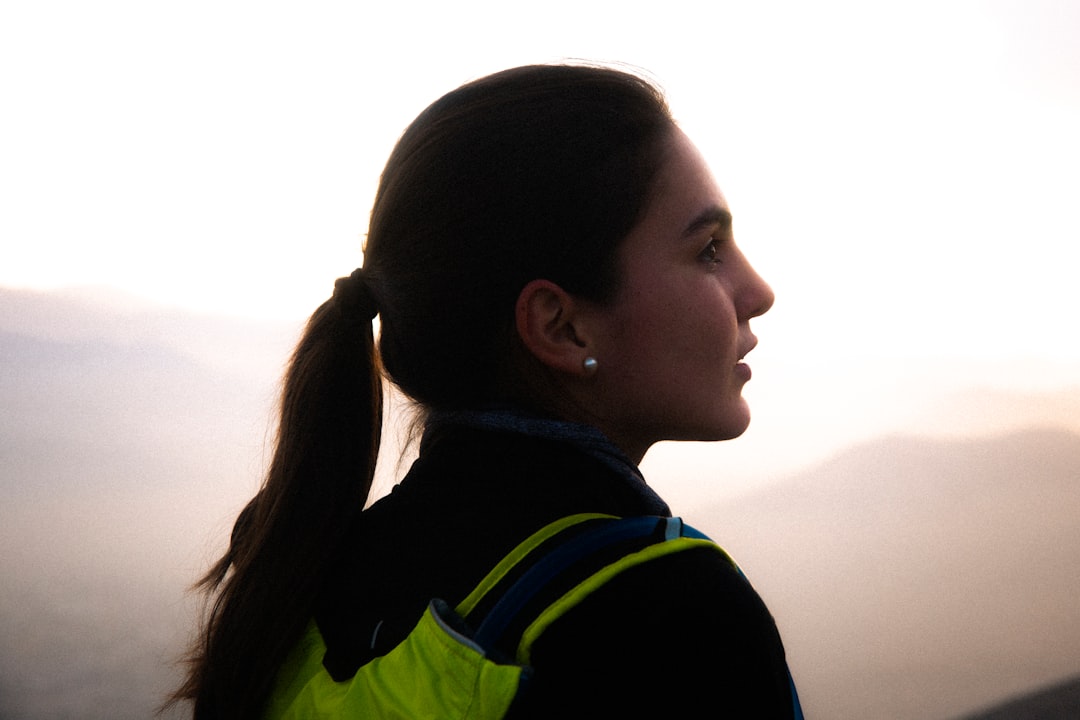
Even with a headlamp, you need reflective elements on your body. Drivers at 5 AM are not expecting to encounter runners. I invested in a lightweight reflective running vest that slips over whatever I’m wearing, and I also made sure my shorts and tops had reflective strips built in. The peace of mind alone is worth it — when you can see car headlights slowing down because they spotted you from 100 yards away, you know the gear is doing its job.
Layering for Temperature Swings
Summer dawns can be deceptively cool, especially if you live near water or at elevation. I’d step outside at 5:15 AM in 62-degree air, feel comfortable in a light layer, and then 45 minutes later the sun would crest the treeline and suddenly it’s 78 degrees and climbing. The solution? A breathable, packable running jacket that you can tie around your waist when the warmth hits. It weighs almost nothing but saves you from starting your run shivering or finishing it overheated.
What 30 Days of Dawn Training Did to My Body
The physical changes surprised me more than the mental ones, and I went in with high expectations. After a month of consistent pre-sunrise training, here’s what I noticed.
My sleep quality improved dramatically. This sounds counterintuitive — waking up earlier should make you more tired, right? But exposing your eyes to natural light within 30 minutes of waking is one of the most powerful circadian rhythm regulators we know of. My body started naturally winding down earlier in the evening, and I fell asleep faster and slept more deeply than I had in years. I tracked this with my wearable and saw my deep sleep percentage climb from an average of 18% to nearly 24% over the 30-day period. This lines up with what I learned when I rebuilt my sleep setup — the best sleep tech in the world can’t compensate for poor timing.
My endurance improved without any changes to my training volume. Same weekly mileage, same strength sessions — just shifted to the morning. I attribute this to two factors: cooler temperatures allowed me to train at a higher quality, and better sleep improved my recovery between sessions. It was a virtuous cycle I hadn’t anticipated.
My afternoon energy crashes disappeared completely. You know that 2 PM slump that sends you reaching for coffee or a nap? Gone. When you’ve already completed a solid workout, had a proper breakfast, and been awake and active for eight hours by mid-afternoon, your body settles into a steady energy rhythm that carries you through the rest of the day without the peaks and valleys.
How to Build Your Own Dawn Patrol Habit
If I’ve convinced you to give pre-sunrise training a shot — and I hope I have — here’s the framework I developed over those 30 mornings that made it stick.
Shift Your Bedtime First
You cannot wake up at 5 AM if you go to bed at midnight. I know this seems obvious, but I watched myself try to cheat this law of nature for the first three days and paid for it with brutal fatigue. Move your bedtime back in 15-minute increments over a week until you’re getting at least seven hours before that early alarm. Your body will thank you, and your training quality won’t suffer during the transition.
Prepare Everything the Night Before
Lay out your clothes, fill your water bottle, charge your headlamp, and have your pre-workout snack ready. When the alarm goes off and your willpower is at its absolute lowest, you want zero decisions standing between you and the door. I started putting my training gear literally on top of my phone so I had to physically touch my running shoes to silence the alarm. A simple gear organizer near the door keeps everything in one place and eliminates the morning scramble.

Start With Three Days a Week
Don’t go from zero dawn sessions to seven days a week. Your body needs time to adjust both physically and mentally. I started with Monday, Wednesday, and Friday mornings, kept my evening sessions on the other days, and gradually added more morning slots as the habit took root. Within three weeks, I was naturally waking before my alarm most days — a phenomenon I never, in my entire life, thought would happen to me.
Nutrition and Fueling for Early Morning Sessions
Fueling for a 5:30 AM workout is different from fueling for a 6 PM session. You’re working with an empty tank after a full night of fasting, which can be an advantage or a disaster depending on how you handle it. Here’s what I learned through plenty of trial and error.
For easy to moderate sessions under 60 minutes, you can train fasted — but hydrate first. I drink at least 16 ounces of water with a pinch of sea salt before heading out. For harder sessions or anything over an hour, I eat something small and easily digestible 20 to 30 minutes before starting. Half a banana, a few dates, or a small scoop of energy chews give me enough fuel without sitting heavy in my stomach.
Post-workout nutrition becomes even more important when you train early because you have the entire day to refuel and recover. I aim for a solid breakfast within 45 minutes of finishing — usually eggs with vegetables, a slice of sourdough, and a scoop of collagen peptides stirred into my coffee. This combination of protein, carbs, and healthy fats sets me up for sustained energy throughout the day. If you’ve read about my experience with collagen peptides in my morning coffee, you know how much I value that one simple addition.

The Mental Game: Why Dawn Training Builds Resilience
Somewhere around day eighteen, I realized that the physical benefits were almost secondary to what was happening in my head. Choosing to get up when it’s dark and quiet and comfortable in bed — day after day — builds a kind of mental toughness that transfers to everything else in your life. Hard conversations at work feel less daunting. Challenging training blocks feel more manageable. That voice that tells you to quit shows up less frequently because you’ve already proven, every single morning, that you can override it.
There’s also a profound sense of peace that comes with being awake and moving while the rest of the world sleeps. I’ve watched more sunrises in the past month than in the previous five years combined. I’ve noticed the way the light changes minute by minute as the sky shifts from navy to pink to gold. I’ve heard birds start their dawn chorus from the first note. These moments aren’t just pleasant — they’re genuinely restorative in a way that no supplement or gadget can replicate.
If you’ve been struggling with consistency in your training, or if summer heat has been derailing your workouts, give the dawn window a genuine try. Not for a day or two — give it two solid weeks. Set out your gear the night before. Hydrate before you walk out the door. Invest in a decent headlamp and a reflective vest for safety. And then step into the quietest, coolest, most productive training hours the summer has to offer.
Your body will adapt. Your energy will soar. And you might just discover, like I did, that the best version of your fitness self has been waiting for you in the dark all along.



3 Comments on “I Trained Before Sunrise for 30 Summer Mornings — Why Dawn Became My Secret Fitness Weapon”