
Six months ago, I couldn’t figure out why my usual 5 AM training sessions started feeling like I was running through wet concrete. My sleep was fine — at least according to my wearable — and my nutrition hadn’t changed. But something was off. My recovery between intervals was dragging, my afternoon energy crashes were returning, and that sharp mental clarity I’d spent years cultivating felt like it was slowly dimming. That’s when a sports medicine colleague mentioned three letters that would completely reframe how I think about cellular energy: NAD+.
What followed was a deep dive into NMN supplements — nicotinamide mononucleotide, a direct precursor to NAD+ — that turned me from a skeptic into a cautious optimist. Not because the marketing convinced me, but because the science and my own experience aligned in ways I didn’t expect. Let me walk you through what I learned, what I felt, and whether this buzzy longevity supplement deserves a spot in your wellness routine.
What NMN Actually Does (And Why Your Cells Care)
NAD+ — nicotinamide adenine dinucleotide — is a coenzyme found in every living cell in your body. Think of it as the currency your mitochondria use to produce ATP, the molecular fuel that powers everything from muscle contractions to brain function. Here’s the catch: your NAD+ levels peak around age 25 and decline steadily from there. By the time you hit 50, you’re operating on roughly half the cellular currency you had in your twenties. This isn’t just theoretical — researchers have linked declining NAD+ levels to fatigue, metabolic slowdown, cognitive fog, and the general sense that your body just doesn’t bounce back the way it used to.

NMN works by giving your body the raw material it needs to manufacture more NAD+. Unlike taking NAD+ directly (which gets broken down in digestion), NMN survives the trip through your system and gets converted into NAD+ inside your cells. A high-quality NMN supplement like Nutricost’s 500mg capsules delivers this precursor in a form your body can actually use. The 2026 research landscape increasingly supports NMN over other NAD+ boosters for direct cellular uptake, especially in brain and muscle tissue.
My 90-Day NMN Protocol
I started with 500mg of NMN each morning, taken on an empty stomach about 30 minutes before breakfast. The rationale for timing matters here — NAD+ levels naturally follow a circadian rhythm, and research suggests that supplementing in the morning aligns better with your body’s natural production cycle. I chose to pair it with my existing routine of hydration and light stretching before training.
The first two weeks? Nothing. Honestly, I was ready to write the whole thing off as expensive placebo. But somewhere around day 18, I noticed my interval recovery was snappier. Those 90-second rest periods between 400-meter repeats felt sufficient again instead of desperately short. My heart rate was dropping faster between sets — something I could actually measure and verify wasn’t wishful thinking.
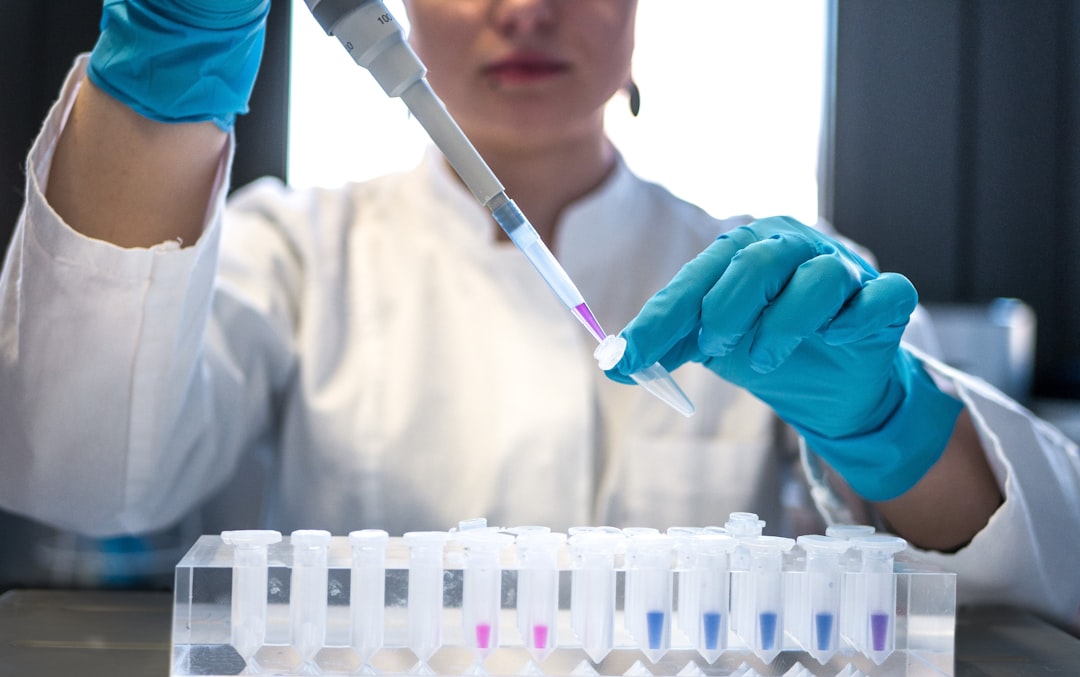
By week six, the changes became harder to ignore. My afternoon energy plateau — that familiar 2 PM slump that used to send me reaching for another coffee — had softened considerably. I wasn’t wired or jittery; I just felt… steady. Like my energy had a broader, more consistent foundation instead of peaks and valleys. The Micro Ingredients NMN Complex I was taking delivers 1000mg per serving in a 10-in-1 formula that includes complementary compounds like resveratrol and CoQ10, which may enhance the absorption and effectiveness of NMN.
The Science Behind the Supplement
Here’s where I need to be transparent: NMN is not a miracle molecule. The marketing around longevity supplements has absolutely gotten ahead of the science, as NPR recently reported. Researchers at major institutions are excited about NAD+ pathways, but they’re also quick to note that biological plausibility is not the same as proven benefit in humans.
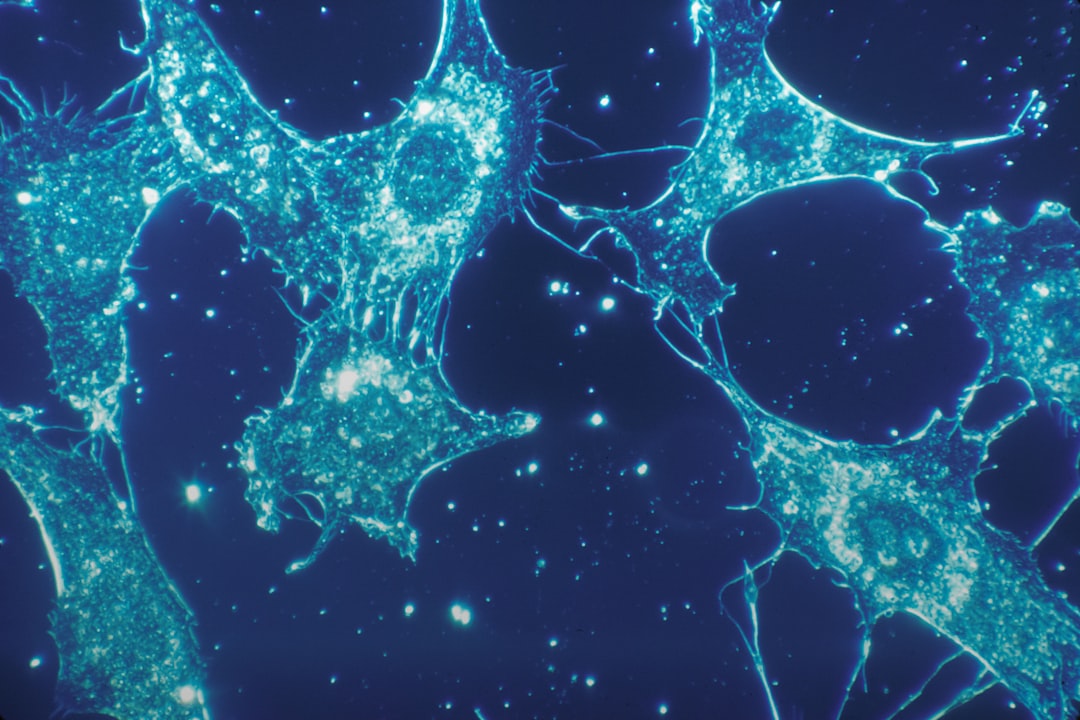
What we do know from clinical trials is encouraging. A 2024 study published in Nature Communications showed that NMN supplementation improved insulin sensitivity in prediabetic adults. A separate Japanese trial demonstrated improved muscle insulin sensitivity and fatigue resistance in healthy older adults taking 250mg daily. The 2026 research direction has shifted toward precision supplementation — matching NMN dosing to individual biomarkers rather than one-size-fits-all recommendations.
For anyone considering this route, I’d suggest looking at a comprehensive NMN formula like Cata-Kor’s 4-in-1 blend that combines NMN with quercetin, TMG, and resveratrol. These aren’t random additions — quercetin acts as a senolytic (helping clear dysfunctional cells), TMG supports methylation pathways, and resveratrol activates sirtuins, the longevity-associated enzymes that NAD+ fuels. It’s a synergistic approach rather than throwing a single compound at a complex biological system.
Who Should Consider NMN (And Who Should Wait)
If you’re in your twenties and feeling great, NMN is probably not the best investment of your supplement budget. Your NAD+ levels are naturally high, and the marginal benefit is likely minimal. Where NMN gets interesting is for adults 35 and older who are noticing the subtle signs of cellular aging — slower recovery, persistent fatigue that sleep doesn’t fix, or declining exercise performance despite consistent training.

I particularly recommend NMN for women navigating perimenopause and beyond. Hormonal shifts during this phase can accelerate NAD+ decline, and tracking my biological age over six months taught me that some of the most impactful interventions work at the cellular level, not the hormonal one. The vegan NMN supplement from this 99% pure formulation is an excellent starting point if you want to test the waters without committing to a complex multi-ingredient product.
However, if you’re pregnant, nursing, or managing a serious medical condition, have a conversation with your healthcare provider first. NMN affects fundamental metabolic pathways, and while the safety profile looks good in clinical trials, the research is still maturing.
What I Noticed After 90 Days
Let me get specific about the changes I tracked, because vague wellness claims help nobody. My resting heart rate dropped by about 3 beats per minute — not dramatic, but consistent. My HRV (heart rate variability) increased by an average of 8 points on my wearable tracker, suggesting improved autonomic nervous system balance. My sleep architecture didn’t change dramatically, but my subjective sleep quality — how rested I felt upon waking — improved noticeably.

The most meaningful change happened during training. My lactate threshold shifted — I could sustain higher intensities for longer before that burning sensation kicked in. This tracks with the research on NMN and mitochondrial efficiency. When your cells can produce energy more effectively, they rely less on anaerobic metabolism, which generates lactate as a byproduct. It’s not that NMN made me faster or stronger directly; it gave my cellular machinery the resources to operate closer to its potential.
I also noticed a subtle but persistent improvement in mental clarity, particularly during that mid-morning window when I used to feel a slight cognitive dip. Whether this was directly from NMN or a secondary effect of better cellular energy, I can’t say for certain. But the exhaustion I’d been chasing for months finally started to lift.
Choosing the Right NMN Supplement
The NMN market has exploded, and quality varies enormously. Here’s what I look for: purity above 95%, third-party testing, and transparent labeling about dosage per capsule. Many brands advertise “NMN complex” formulas that contain surprisingly little actual NMN per serving. A liposomal NAD+ supplement with resveratrol can offer enhanced absorption through liposomal delivery technology, which wraps the active compound in fat-soluble bubbles that bypass some digestive breakdown.
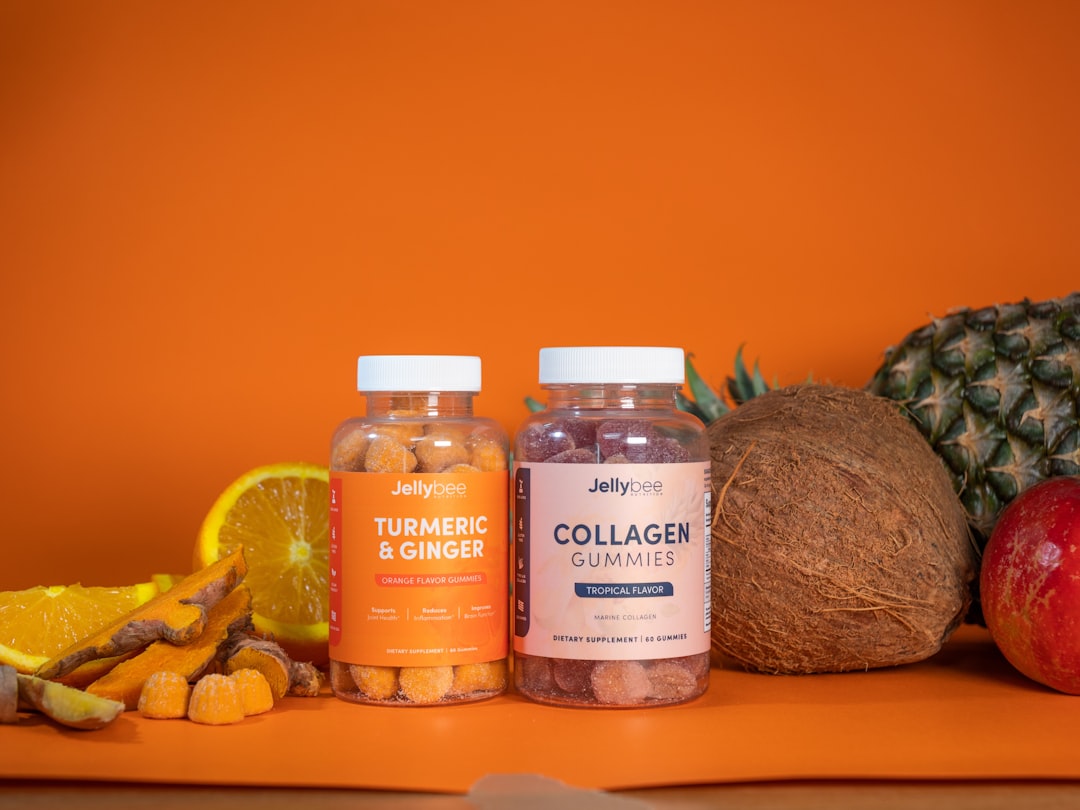
For budget-conscious shoppers, Nutricost’s NAD+ supplement at 1000mg per serving offers solid value. If you want a clinically-oriented formula, the HPN NAD3 clinical booster targets cellular health pathways beyond just NAD+ elevation. And for those seeking maximum potency, Nutricost’s 1000mg NAD+ capsules deliver a higher dose for experienced users who’ve already established tolerance at lower amounts.
The Bigger Picture: NMN as One Piece of the Puzzle
Here’s my honest take after 90 days: NMN is not the supplement that replaces everything else. It doesn’t substitute for adequate sleep, proper nutrition, consistent training, or stress management. What it can do is support the cellular infrastructure that makes all those other habits work better. Think of it like upgrading the electrical wiring in your house — it doesn’t change what appliances you plug in, but it helps everything run more efficiently and reliably.
The most powerful approach combines NMN with foundational wellness practices. My smart ring helped me track whether the supplement was actually moving biomarkers. Training before sunrise gave me a consistent window to assess energy and recovery. And my commitment to whole-food nutrition provided the cofactors — B vitamins, magnesium, and omega-3s — that NAD+ metabolism requires to function optimally.
My Verdict
After three months of daily NMN supplementation, I’m continuing. Not because I believe it’s a fountain of youth — it’s not — but because the measurable improvements in my recovery, energy stability, and training capacity are worth the investment for me. At roughly $1-2 per day for a quality supplement, it’s comparable to what I spend on my daily coffee, and the return has been more tangible.
If you’re curious, start with a modest dose (250-500mg daily), give it at least 30 days before judging, and track something objective — your resting heart rate, HRV, training performance, or subjective energy ratings. NMN isn’t magic, but for the right person at the right time, it might be the missing piece in a wellness routine that’s otherwise dialed in but still leaving you feeling like you’re operating at 85% instead of 100%. Your cells have been working hard for you for decades. Maybe it’s time to give them the support they deserve.