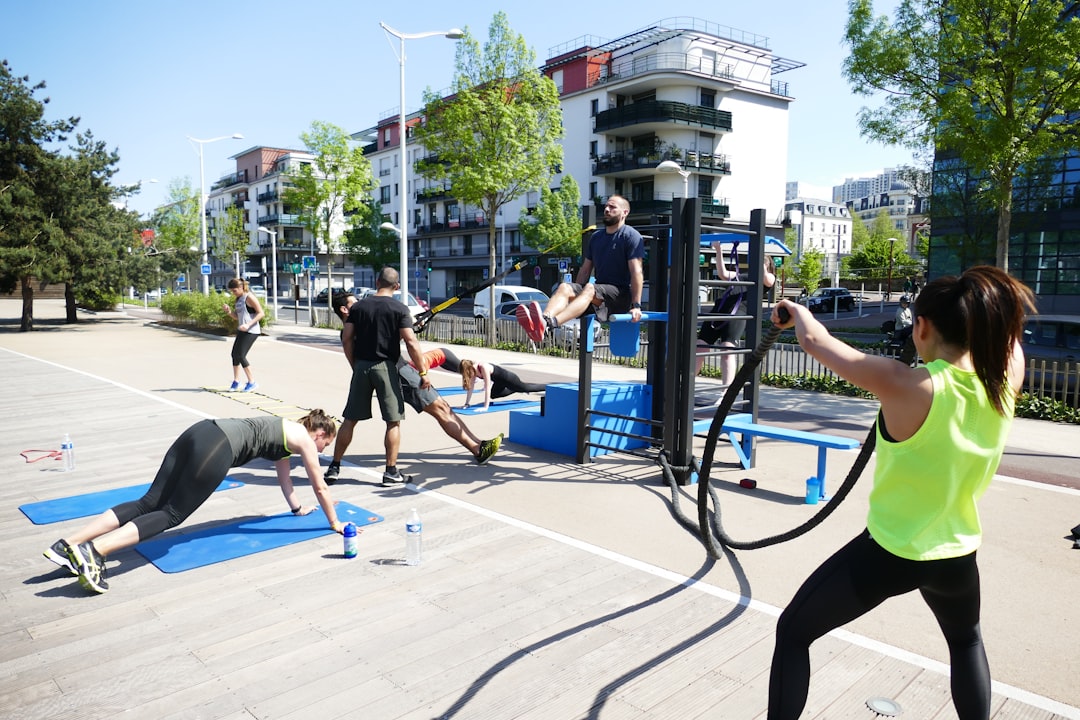
Most people treat summer heat like a fitness obstacle — something to escape, delay, or power through with gritted teeth and a frozen water bottle. I used to think the same way. Then I stumbled into heat acclimation by accident during my heptathlon training years, and everything I believed about summer workouts flipped upside down.
Here’s what nobody tells you: training in the heat doesn’t just make you better at training in the heat. It makes you better, period. Your blood plasma volume increases. Your heart becomes more efficient. Your sweat response sharpens. You start cooling yourself like an elite athlete even when you’re just walking the dog in July. And the science backs this up — researchers have shown that heat training can boost endurance performance by as much as 7%, even in cool conditions.
What Heat Acclimation Actually Does to Your Body
When you exercise in hot environments consistently — we’re talking 10 to 14 days of intentional exposure — your physiology rewires itself in ways that would take months to replicate with altitude training or fancy gadgets. Your body starts producing more blood plasma, which means more fluid for sweating AND more blood returning to your heart with each beat. Your core temperature during exercise drops. Your perceived exertion plummets. Things that felt like a 9 out of 10 in May suddenly feel like a 6.
I noticed this firsthand when I shifted my long runs to midday during a particularly brutal July — a contrast to my earlier experiment with training before sunrise for 30 straight mornings, where I learned that timing matters almost as much as the training itself. The first week was miserable — I was slow, drenched, and questioning my life choices by mile two. But by week three, something shifted. My pace crept back up. My recovery between intervals shortened dramatically. And when fall arrived and temperatures dropped, I felt like I’d been given a completely new set of lungs.
The key mechanism is plasma volume expansion. Think of it as your body upgrading its cooling system from a window unit to central air. More plasma means more sweat capacity, better cardiovascular efficiency, and faster nutrient delivery to working muscles. A quality heart rate monitor chest strap is invaluable here — you can literally watch your resting and exercising heart rates drop over the acclimation period, which is the most satisfying data point you’ll ever collect about your own body.
The 14-Day Protocol That Changed My Summer Training
You don’t need to go full mad-scientist with sauna suits or desert runs. The most effective approach I’ve found — and the one I use with my clients — is graduated exposure over two weeks. Start with 20 to 30 minutes of easy effort in warm conditions. Not your hardest workout. Not a suffer-fest. Just enough to break a solid sweat and elevate your core temperature.

During this phase, your electrolyte strategy matters more than almost anything else. I learned this the hard way after cramping so badly during a tempo run that I had to walk the last mile home. Your sweat rate in heat can double compared to temperate conditions, and with that fluid loss comes a massive dump of sodium, potassium, and magnesium. I now mix an electrolyte complex powder into my water bottle before every hot-weather session — it’s the single simplest upgrade I’ve made to my summer training, and I wish I’d started doing it a decade ago. For variety, I also keep sugar-free electrolyte stick packs in my gym bag for days when I want something lighter.
By days 7 through 10, you can increase duration and add moderate intensity. Your body is already adapting — you’ll notice you start sweating earlier in your workout (a good sign!) and that your skin feels cooler to the touch during effort. This is your evaporative cooling system coming online. The final few days of the protocol, you can layer in higher-intensity intervals and longer endurance sessions.
Hydration Strategy: Why Water Alone Will Sabotage You
This is where most summer fitness plans derail. People drink water — sometimes enormous amounts of water — and wonder why they still feel terrible, cramped, and foggy. The answer is almost always hyponatremia: your blood sodium levels dropping dangerously low because you diluted them with plain water while losing salt through sweat at an alarming rate.
The fix isn’t complicated, but it requires intentionality. I aim for 16 to 20 ounces of electrolyte-infused fluid 90 minutes before a hot workout, then 6 to 8 ounces every 15 minutes during the session. Afterward, another 16 ounces with a high-potassium electrolyte mix — I like one with 1,000mg of potassium and coconut water — to replenish what I lost without the sugar crash.
For carrying all this fluid, a lightweight hydration vest with a 1.5L bladder has been a game-changer for my longer runs. I resisted vests for years because I thought they were just for ultra-runners, but having hands-free hydration means you actually drink consistently instead of waiting until you’re desperate and parched. And on the daily side, my insulated 32oz water bottle goes everywhere with me — it keeps water cold for 24 hours, which matters more than you’d think when it’s 95 degrees and you’re reaching for your fourth refill.
Timing Your Summer Sessions for Maximum Adaptation
There’s a sweet spot for heat training, and it’s not what most people assume. I used to think early morning was the only sane option for summer exercise. But if your goal is heat acclimation — not just survival — you actually want some thermal stress. Late morning (9 to 11 AM) or early afternoon sessions provide enough heat exposure to trigger adaptations without the dangerous extremes of peak afternoon sun.
That said, I’m not reckless about it. I always check the heat index before heading out, and I never train outdoors when it exceeds 105 degrees. Sun protection is non-negotiable — I apply a sweat-resistant SPF 50 sport sunscreen before every outdoor session and reapply with a dedicated face sunscreen for longer exposures. Skin damage is cumulative, and no workout is worth setting yourself up for problems down the road.
For recovery between hot sessions, I keep a microfiber cooling towel in my gym bag. Wet it, snap it, and drape it over your neck — the temperature drop is instant and surprisingly effective at bringing your core temp down between intervals or after your cooldown. On especially brutal days, I’ll also use a longer cooling pad draped across my shoulders during the drive home.
The Science Behind Why Heat Training Makes You Faster in Cool Weather
This is the part that still blows my mind. The adaptations from heat acclimation don’t disappear when summer ends. Your body retains that expanded plasma volume and improved sweating efficiency for weeks, sometimes months. So when autumn arrives and you line up for a race, a long hike, or just your regular training block in 60-degree weather, you’re operating with a cardiovascular system that’s been upgraded all summer long.
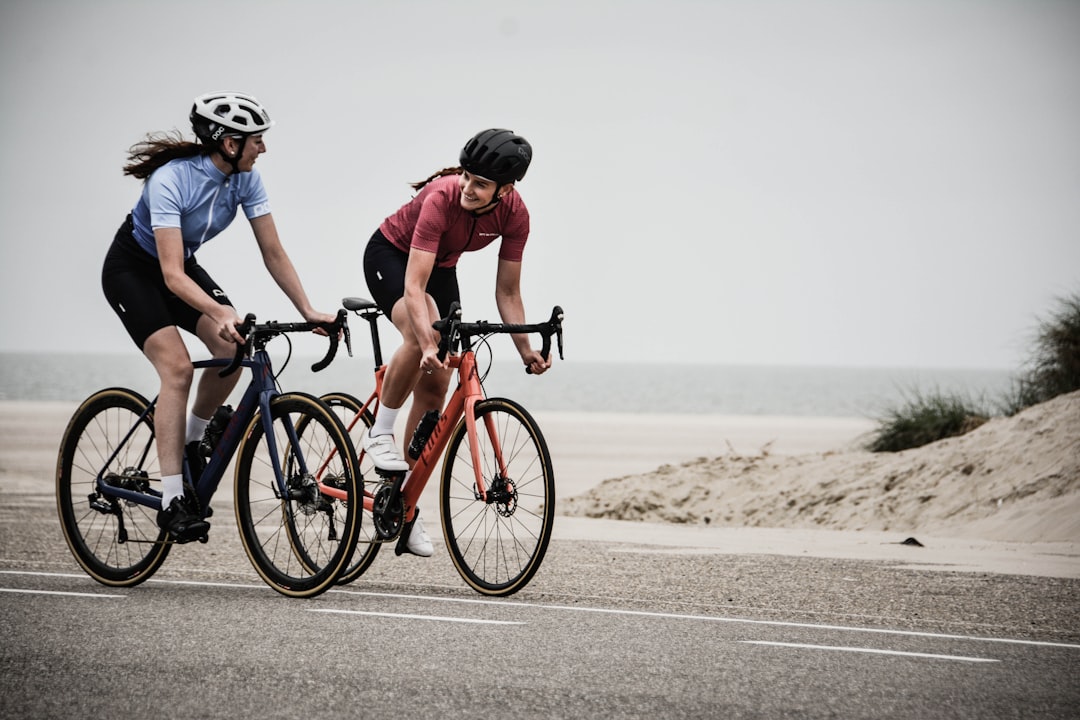
Research published in the Journal of Applied Physiology showed that athletes who completed a 10-day heat acclimation protocol improved their time-trial performance in temperate conditions by roughly 5 to 7 percent. That’s a massive margin — the kind of improvement that usually requires months of structured training, not two weeks of sweating strategically.
The mechanism is beautifully elegant: more plasma volume means more blood can reach your working muscles AND your skin surface for cooling simultaneously. In cool weather, your body barely has to work at thermoregulation, so all that extra cardiovascular capacity gets redirected to performance. It’s like installing a bigger engine during the summer and then taking the weight penalty away in the fall.
I’ve seen this play out with my clients repeatedly, and it mirrors what I discovered when I started rucking with 30 pounds through summer heat — the compounding effect of thermal stress and loaded movement builds a level of conditioning that fair-weather training simply can’t replicate. One of my runners, a 42-year-old attorney who’d been stuck at the same 10K pace for two years, knocked nearly two minutes off her time after a summer of heat training — and her breakthrough race was in October, when it was 55 degrees. She didn’t change her training plan or her nutrition. She just added heat exposure and took hydration seriously for the first time.
Mistakes That Will Ruin Your Heat Training (And How to Avoid Them)
The biggest error I see — and I made it myself — is going too hard, too fast. Heat acclimation requires consistency, not intensity. Your body needs repeated exposure to moderate thermal stress, not a single heroic effort that leaves you depleted for three days. I recommend starting at 60% of your normal training volume and building over two weeks.

The second mistake is ignoring recovery nutrition. Heat training increases your metabolic stress significantly, and your body needs extra carbohydrates and protein to repair the additional damage. I aim for an extra 200 to 300 calories on heat training days, with a ratio heavy on carbs to replenish glycogen that gets burned faster in hot conditions.
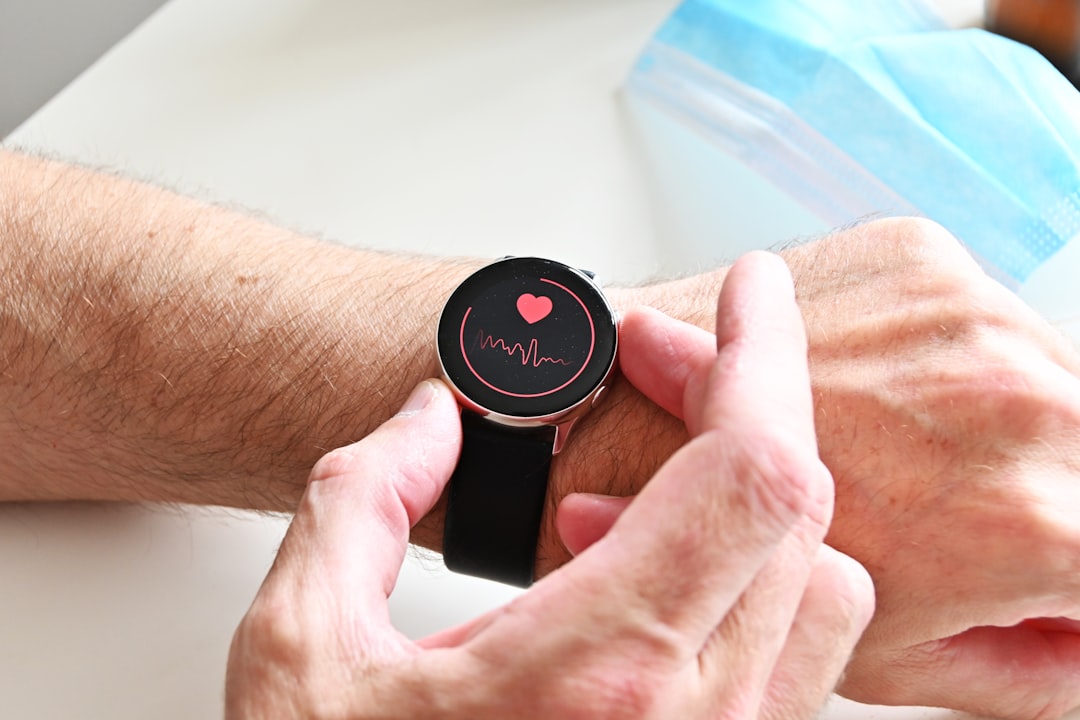
Third: not tracking your progress. If you read my piece on wearing three fitness trackers simultaneously for 90 days, you know I’m obsessed with data — and heat training is one area where the numbers tell an unambiguous story. Use a heart rate monitor to track your resting heart rate each morning. As you acclimate, your resting HR should gradually decrease — usually by 5 to 10 beats per minute over the protocol. If it starts climbing instead, that’s a sign you’re overtraining and need to pull back. I also recommend noting your body weight before and after each hot session; a loss of more than 2% means you’re under-hydrating.
Your Summer Training Toolkit
Heat acclimation isn’t about suffering more — it’s about training smarter with the conditions you’re given. Summer isn’t your enemy. It’s an opportunity that most people waste hiding in air conditioning. With the right hydration strategy, proper sun protection, and a graduated exposure plan, you can turn the hottest months of the year into the most productive training block of your life.
Start tomorrow. Not with a punishing noon run — just 25 minutes of easy movement in the warmth, an electrolyte drink in hand, and a willingness to let your body do what it’s designed to do: adapt, improve, and come back stronger than before.



One comment on “Your Body on Heat: Why Summer Is Secretly the Best Season to Get Fit”