
I’ll never forget the day a physical therapist handed me a dynamometer and said, “Squeeze this as hard as you can.” I was twenty-three, fresh off a near-miss at Olympic qualifying in the heptathlon, and I figured I was about to crush this little device. I squeezed. The number blinked back at me: 34 kilograms. She didn’t say anything — just wrote it down and moved on. But I saw her eyebrow twitch.
That was my first introduction to grip strength as something more than “how hard can you hold a barbell.” In the years since, I’ve come to understand that our grip is quietly telling the story of our entire body. And the research backing this up would fill a library.
The Hidden Biomarker You’re Already Carrying
Here’s what fascinated me enough to go down a three-month research rabbit hole: grip strength is now considered one of the most reliable biomarkers for overall health and longevity. Not because your hands are special, but because grip strength reflects the cumulative output of your nervous system, muscle mass, hormonal balance, and cardiovascular health all working together. When any of those systems start to decline, your grip is often the first thing to go.
A landmark study published in The Lancet followed nearly 140,000 adults across 17 countries and found that every 5-kilogram decrease in grip strength was associated with a 16% higher risk of cardiovascular death and a 17% higher risk of all-cause mortality. More recently, a 2026 study of over 5,000 women found that simple signs of muscle strength — a firm handshake, the ability to stand quickly from a chair — were strongly linked to lower mortality risk over an eight-year follow-up period.
And perhaps most striking: research on centenarians shows that those who live past 100 are 2.5 times more likely to have had the highest grip strength measurements compared to people who died before age 80.
My team started pulling together the data, and honestly, the consistency of these findings across populations, age groups, and geographic regions is remarkable. We’re looking at something that transcends fitness level, body type, and background.
Why Your Grip Tells the Truth When Everything Else Lies
Think about this for a second. You can have great cholesterol numbers. You can pass a stress test. Your BMI can sit right in the “normal” range. But if your grip strength is declining, your body may be quietly losing resilience in ways that lab panels don’t catch.
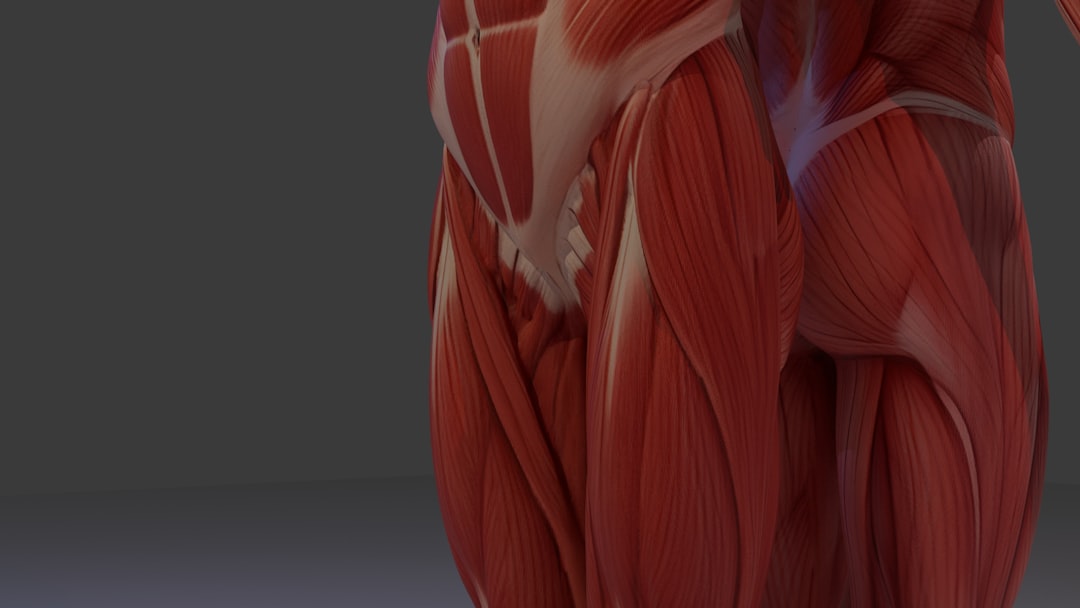
The reason is that grip is a system-level metric. It requires healthy motor neurons firing from your brain to your forearm muscles. It demands adequate protein synthesis, sufficient testosterone and growth hormone, well-functioning tendons and connective tissue, and a cardiovascular system that can deliver blood to working muscles. When any of those systems slip, your squeeze weakens.
I’ve seen this play out in my own training. During periods when I’m under-sleeping and over-stressed, my grip fades before anything else. My running pace holds steady. My squat numbers don’t budge. But hanging from a pull-up bar? Suddenly that feels impossible. It’s like my body triages, preserving the big prime movers while letting the small stabilizers fade — and grip is always first on the chopping block.
If you want to actually measure where you stand — and track it over time the way I do — a basic hand dynamometer is all you need. I’ve been using the Handeful Grip Strength Tester for about a year now. It gives you a clean digital readout up to 198 pounds, which covers most people comfortably. Squeeze three times per hand, take your best number, and write it down. That’s your baseline.
The Numbers That Matter (And Where You Should Be)
One of the most common questions I get from clients: “Okay Sophia, but what’s a good number?” The answer depends on age and sex, but here are the general thresholds researchers use:
- Men aged 20-35: 105+ pounds (47.6 kg) is solid; below 85 pounds (38.5 kg) is concerning
- Women aged 20-35: 60+ pounds (27.2 kg) is solid; below 50 pounds (22.7 kg) is concerning
- Men aged 40-60: 95+ pounds is a good target
- Women aged 40-60: 55+ pounds is a good target
- Over 60: Maintaining whatever you had at 50 is the goal — decline should be minimal
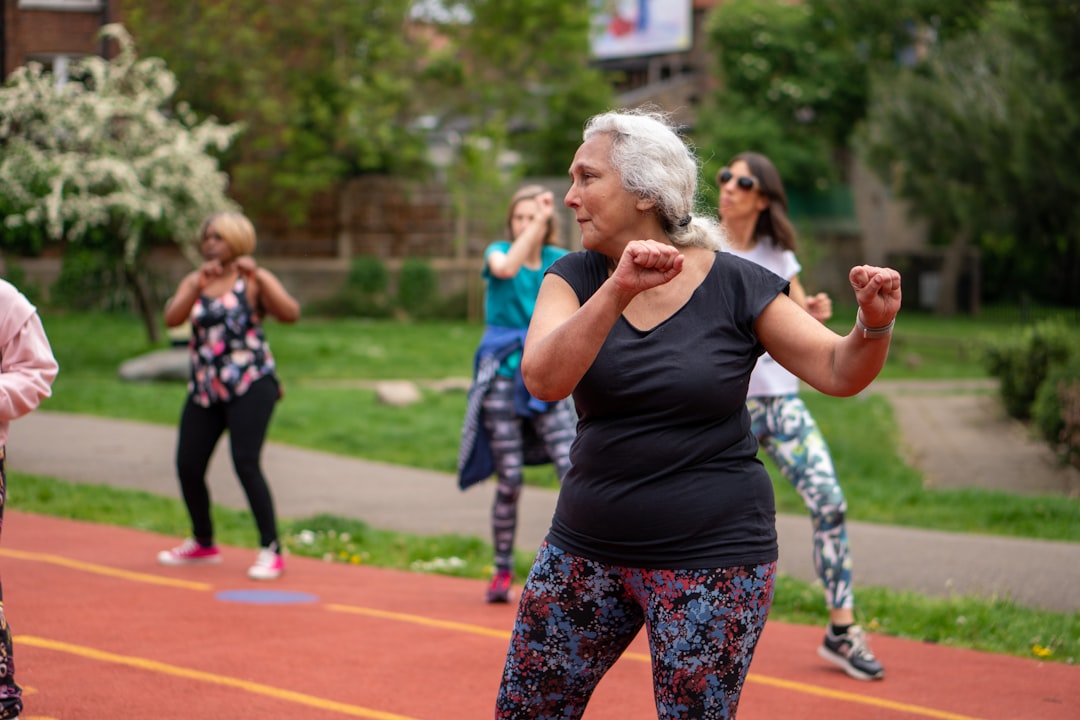
Here’s the encouraging part: these numbers are trainable. Aggressively trainable. I’ve watched clients in their fifties and sixties add 15-20% to their grip strength in twelve weeks with targeted work. The body responds to grip training remarkably fast because the muscles involved are small and recover quickly.
Five Ways I Train Grip Without Living in the Gym
I’m going to share the exact methods I use personally and with my clients. None of these require fancy equipment or hours of extra work. Most of them piggyback on training you’re already doing — they just require you to be intentional about your hands.
1. Farmer’s Carries — The Ultimate Full-Body Grip Builder
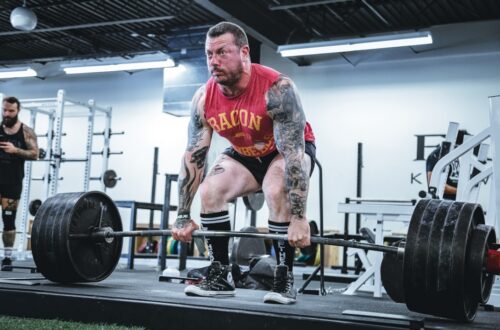
If I could only do one exercise for the rest of my life, it might be the farmer’s carry. You pick up something heavy in each hand and walk. That’s it. Your forearms fire, your core stabilizes, your posture improves, and your cardiovascular system works to keep everything together. It’s the most honest exercise I know.
I program farmer’s carries twice a week, carrying roughly 60-70% of my body weight total (split between two hands). A solid pair of LoGest Farmer Walk Handles lets you load standard weight plates and adjust as you get stronger. Start with a weight you can hold for 30 seconds without your grip failing, and build from there. The beauty is in the simplicity — there’s no learning curve, no complex technique. Just pick up heavy things and walk.

2. Dead Hangs — Decompression and Endurance
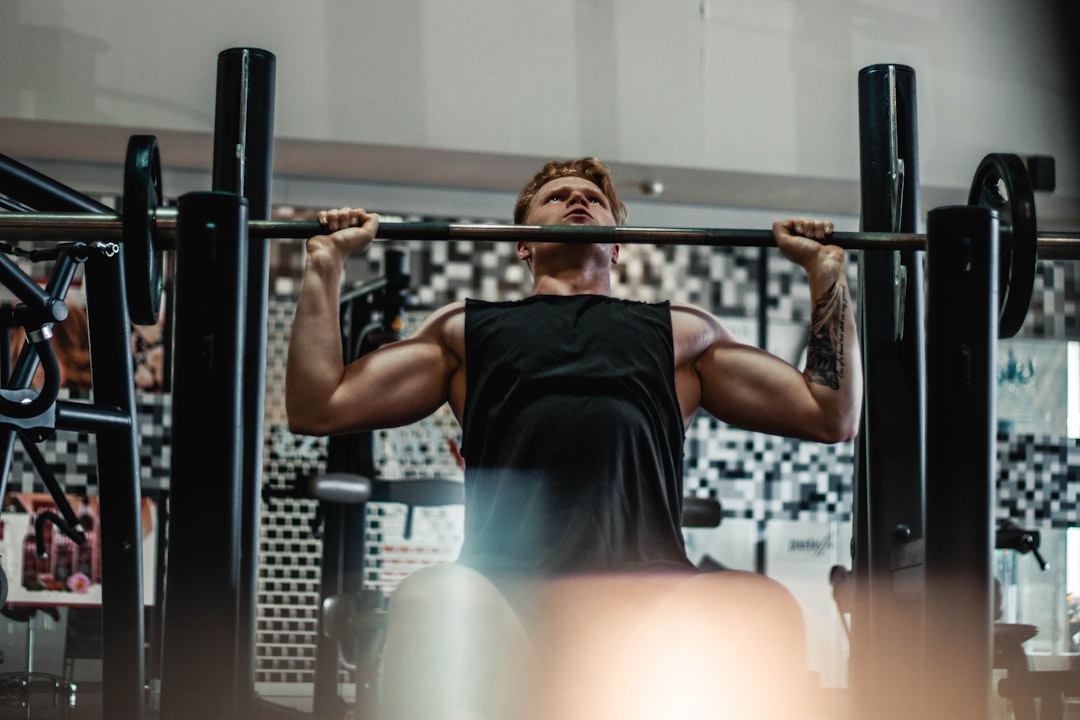
Every morning before my coffee, I hang from a pull-up bar for as long as I can. Usually that’s somewhere between 45 and 90 seconds, depending on how I’m feeling. Dead hangs build isometric grip endurance, decompress your spine, stretch your shoulders, and strengthen your shoulder stabilizers. They’re also a fantastic diagnostic — if your hang time drops week to week, something’s off.
You don’t need anything fancy for this. A standard doorway pull-up bar works perfectly. I have clients who hang for three short sets (to failure each time) spread throughout the day. Over a month, most people double their hang time. It’s one of those interventions that pays dividends far beyond grip strength — I wrote about how daily hangs and other simple movements contributed to my biological age improvements over six months of tracking.
3. Targeted Grip Training — Direct Work
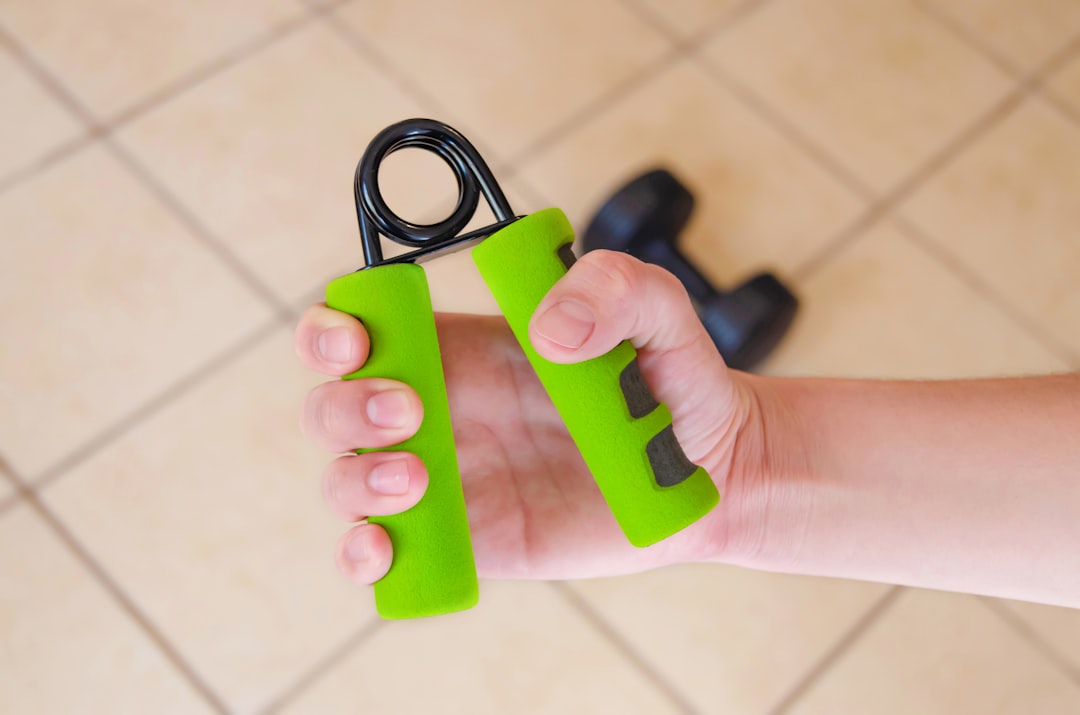
Carries and hangs build grip indirectly, but sometimes you need to isolate the muscles. I keep a grip trainer on my desk and squeeze while I’m on calls or reading research papers. It takes zero extra time, and the gains add up fast.
My current favorite is the Hiyoga Grip Strength Trainer, which offers adjustable resistance from 11 to 220 pounds and has an automatic counter — genuinely useful for tracking reps without losing count mid-conversation. For clients who want a complete kit, the FitBeast 5-Piece Grip Strengthener Kit includes multiple tools for different grip patterns (crush, pinch, extension) which keeps training varied and comprehensive.
4. Resistance Band Work — Versatility and Joint Health
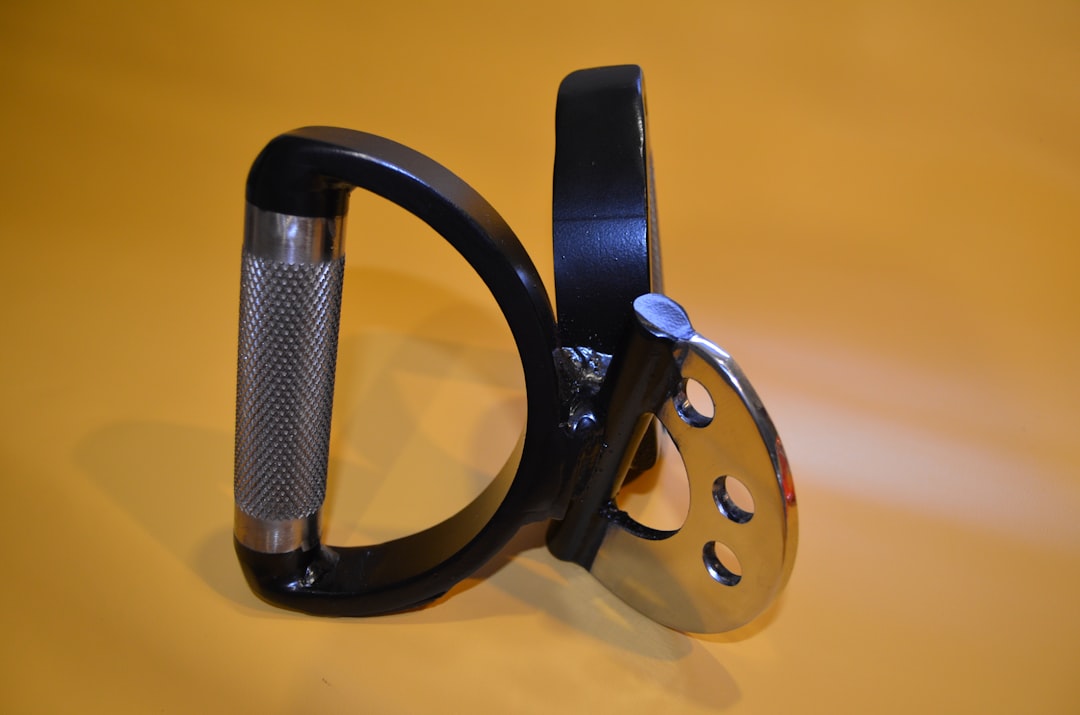
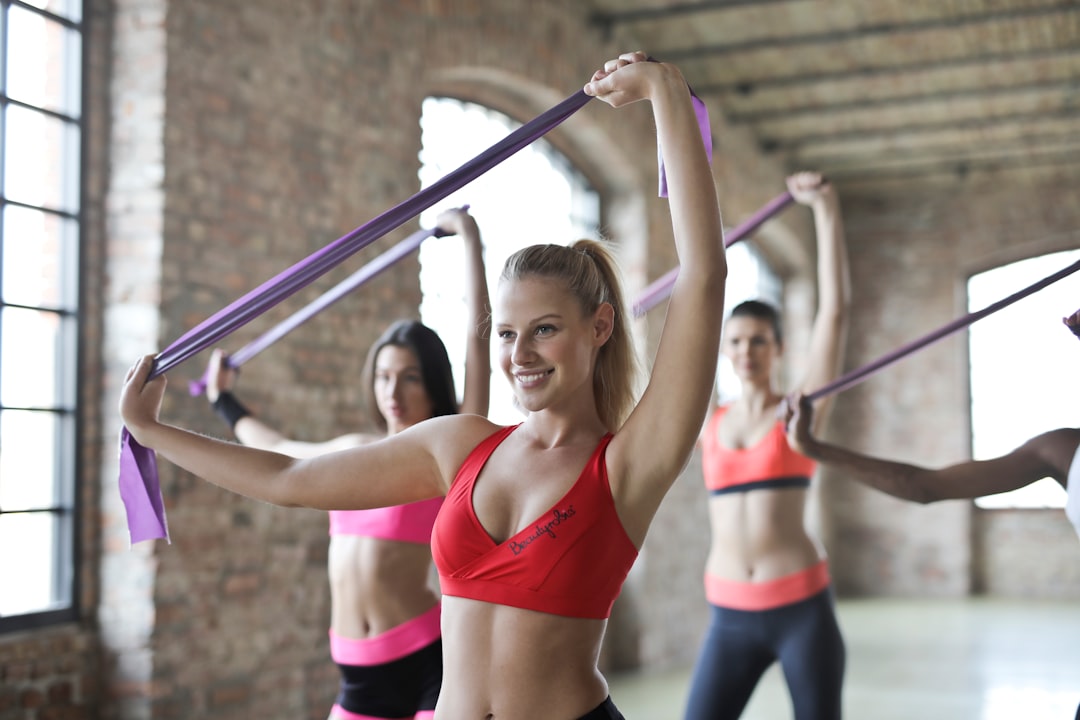
Resistance bands are underrated for grip training because every pulling movement forces your hands to work. Rows, pull-aparts, lat pulldowns — they all require sustained grip engagement. I particularly like band pull-aparts for waking up the upper back and posterior shoulder muscles while simultaneously training grip endurance.
A quality set like the WHATAFIT Resistance Bands with Handles gives you five resistance levels and door anchor attachments, so you can replicate almost any cable machine movement at home. I’ve written before about how posture correction and upper back strength go hand in hand with grip development — they’re part of the same chain. When your posterior chain is strong, your grip has a stable foundation to pull from.
5. Stress Balls and Recovery Work
This one surprises people, but stress balls aren’t just for anxious executives. They’re an excellent tool for active recovery between heavy grip sessions. Light squeezing promotes blood flow to the forearms, clears metabolic waste, and keeps the connective tissues supple. I use them on rest days and before bed.
The roygra 8-Piece Grip Therapy Kit includes multiple resistance levels and different exercise tools, making it perfect for both recovery days and lighter training sessions. It’s also genuinely relaxing — there’s something meditative about squeezing a stress ball while watching sunset on the porch.
The Nutrition Side Nobody Talks About
Building grip strength isn’t just about training — your forearms need raw materials to rebuild. Two supplements consistently show up in the research for their impact on muscle force production: creatine and protein.
I’ve been taking creatine monohydrate daily for over three years now. Five grams, every morning, no cycling. The research on creatine and grip-specific strength is surprisingly robust — multiple studies show that creatine supplementation increases maximal handgrip strength by 5-8% over 8-12 weeks, even in non-athletes. It works by increasing phosphocreatine availability in muscle cells, which directly translates to more force production during short, intense contractions (exactly what a grip squeeze is).
I use the Nutricost Creatine Monohydrate — 500 grams for 100 servings, micronized for easy mixing. It’s unflavored, affordable, and third-party tested. I wrote more extensively about my experience with creatine, especially for women, in my earlier piece on why I stopped side-eyeing this supplement. Spoiler: it’s one of the most researched, safest, and most effective things you can add to your wellness routine.
On the protein side, aim for 0.7-1 gram per pound of body weight daily. A quality whey isolate makes hitting that target realistic without feeling like you’re force-feeding. The Transparent Labs Grass-Fed Whey Isolate has been my go-to for the past year — 28 grams of protein per serving with no artificial sweeteners. And if you want a deeper dive into how I built my full supplement and recovery routine, the SPAN formula article breaks down the exact combination that moved the needle on my health markers.
The Equipment That Makes This Realistic
You’ll notice I haven’t prescribed anything complicated, and that’s intentional. The beauty of grip training is that it integrates seamlessly into a normal workout program. But having a few key pieces of equipment at home removes every excuse.
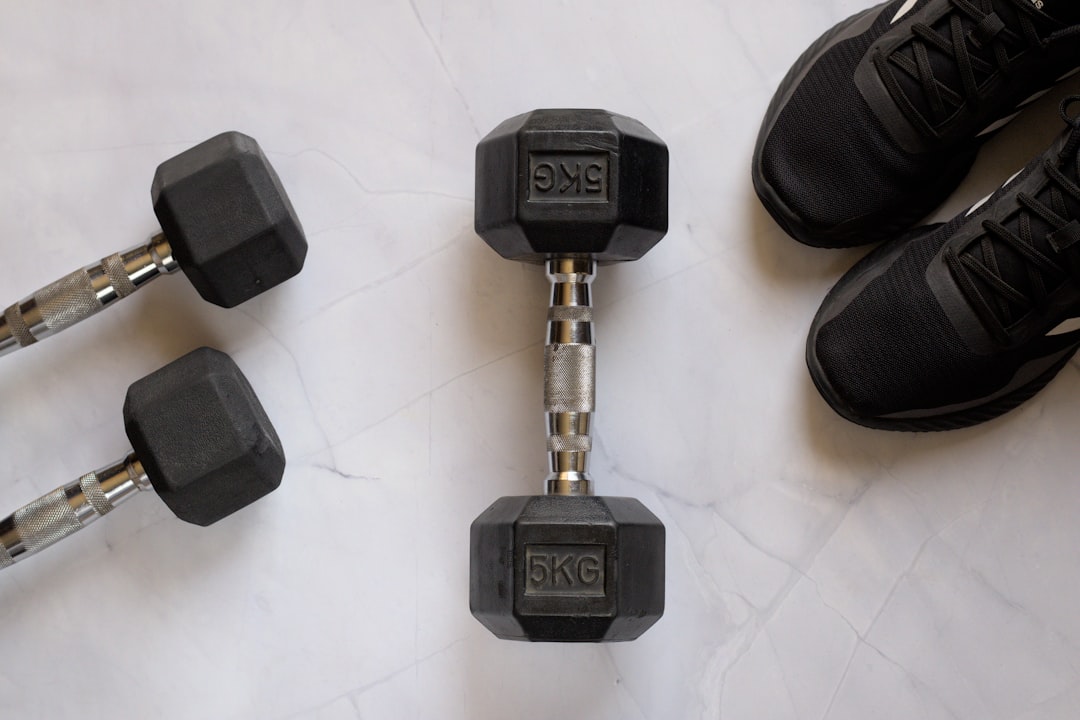
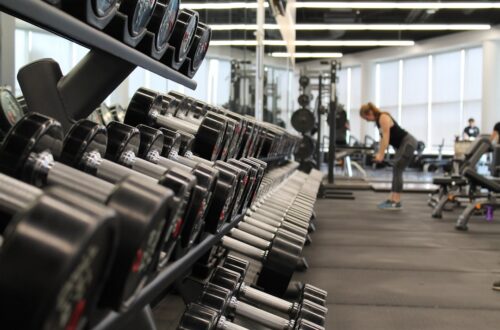
Adjustable dumbbells are the cornerstone of my home setup because they allow you to do rows, curls, and carries — all grip-intensive — without needing a full rack. The pair of 50-pound Adjustable Dumbbells I recommend uses a dial system for 10-in-1 weight selection, which means you can go from a light warm-up set to a heavy carry in about two seconds. That speed matters because it eliminates the friction between “I should train grip” and actually doing it.
Combine those with a doorway bar for dead hangs, a set of resistance bands, a grip trainer for desk work, and a dynamometer for tracking — and you’ve spent less than the cost of three months of gym membership but built a system that will serve you for years.
What I’ve Learned From Three Months of Obsessive Tracking
Since I started taking grip seriously again, I’ve measured my numbers every Sunday morning. Here’s what the data showed:
- Week 1 baseline: 38 kg left, 41 kg right (that heptathlon asymmetry never fully resolved)
- Week 6: 42 kg left, 45 kg right — about a 10% improvement
- Week 12: 44 kg left, 47 kg right — continued gains but at a slower rate
More importantly, my dead hang time went from 52 seconds to 97 seconds. My farmer’s carry distance at 70% bodyweight went from 40 meters to 85 meters before grip failure. And subjectively, I feel more connected to every exercise I do — my pull-ups feel stronger, my deadlift grip never fails, and even opening jars feels effortless.
But here’s what really matters to me: I’m building resilience that will outlast my athletic prime. Every rep of grip training is an investment in the kind of old age I want — one where I can carry my own groceries, open my own doors, and maintain independence. That might sound dramatic, but if you’ve ever watched a parent or grandparent struggle to twist a jar lid, you understand why this matters.
Start This Week: A Simple Protocol
If you want to begin, here’s exactly what I’d do:
Days 1 and 4: Three sets of farmer’s carries (30 seconds each, heavy) + three sets of dead hangs (to failure). Total time: 15 minutes.
Days 2 and 5: Three sets of 15 band pull-aparts + grip trainer squeezes while watching TV (three sets of 15 per hand). Total time: 10 minutes.
Day 3: Active recovery with stress ball work. Five minutes before bed.
Weekend: Rest. Maybe test your grip on the dynamometer for fun.
That’s it. Twenty-five minutes of direct work per week, layered on top of whatever training you already do. In twelve weeks, measure again. I guarantee you’ll see a difference — and your body will be quietly stronger in ways that extend far beyond your hands.
Your grip is telling the truth about your body. The question is whether you’re listening — and whether you’re willing to do something about it.



One comment on “The Handshake That Predicts Your Future: Why Grip Strength Is the Longevity Metric Nobody Told You About”