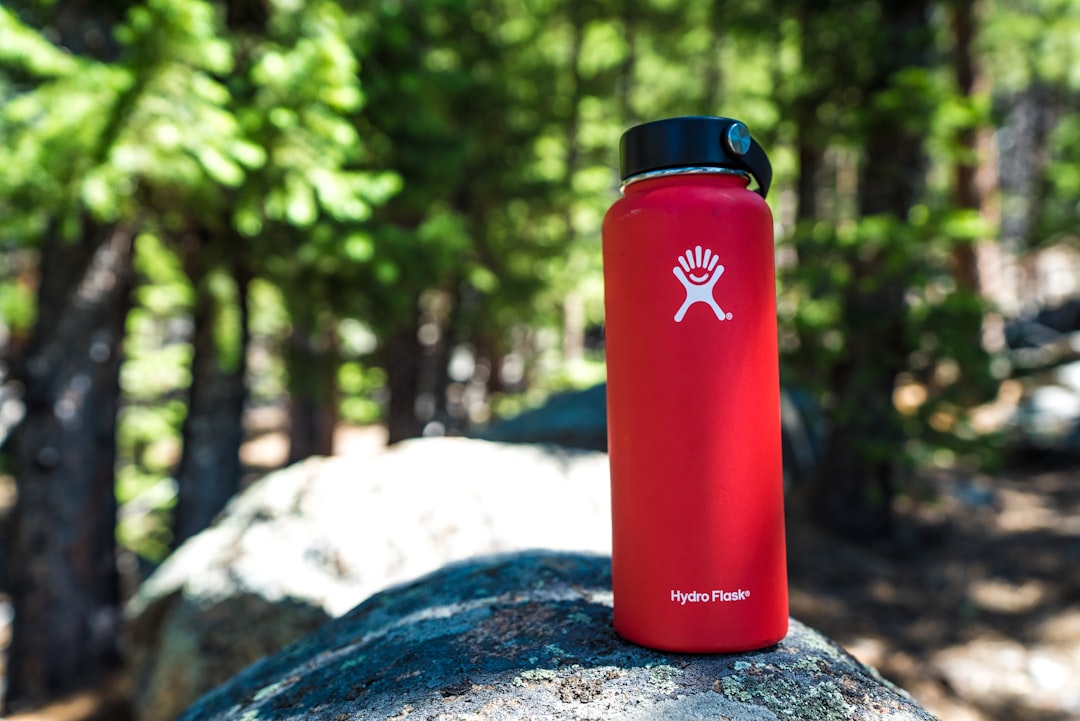
Last August, midway through a tempo run in 94-degree heat, my hamstrings started cramping so violently I had to sit down on someone’s lawn. I’d been hydrating all morning. I’d drunk nearly a gallon of water before noon. And yet there I was, folded up on a stranger’s grass, wondering why my body was betraying me despite doing everything “right.”
That was the day I stopped trusting plain water.
What I didn’t know then — and what took me three weeks of research, bloodwork conversations with a sports nutritionist, and some fairly embarrassing trial and error to figure out — was that I was mineral-depleted. Not dehydrated in the traditional sense. I had plenty of volume. What I lacked was the electrical infrastructure that makes water actually work inside your body. The electrolytes that conduct nerve signals, regulate muscle contractions, and keep your cells from spiraling into dysfunction during summer heat.
After that lawn incident, I rebuilt my entire hydration approach from scratch. And honestly? The difference has been night and day. Let me walk you through what I learned, what I now use daily, and why most of us are walking around mildly mineral-deficient without realizing it.
The Problem With “Just Drink More Water”
We’ve all heard the eight-glasses-a-day rule. And look, it’s not wrong — most people genuinely don’t drink enough fluid. But volume is only half the equation. The other half is what’s in the fluid.
Here’s what happens when you sweat during summer training: you lose water, yes, but you also lose sodium, potassium, magnesium, chloride, and calcium. These minerals — collectively called electrolytes — are the messengers your nervous system uses to tell your muscles what to do. When they drop too low, signals misfire. Muscles lock up. Energy crashes. Headaches bloom behind your eyes.
Drinking more plain water in that state actually makes things worse. You’re diluting what little mineral content remains in your blood, pushing your electrolyte balance further out of range. It’s called hyponatremia when it gets extreme, but even mild dilution can leave you feeling sluggish, foggy, and frustratingly weak during workouts that should feel manageable.
I see this constantly with clients. They tell me they’re drinking “tons of water” but still feel depleted by 3 PM. They’re not under-hydrated. They’re under-mineralized. And once I help them fix that, everything shifts — energy, performance, recovery, even sleep quality.
What Summer Sweat Actually Costs You

Let me give you the numbers, because I think they surprise people. During an hour of moderate-to-intense exercise in summer heat, you can lose anywhere from 500 to 2,000 milligrams of sodium through sweat. That’s not insignificant. For context, a “normal” diet might only provide 2,000-3,000 mg of sodium total. Train hard in the heat for two hours and you’ve sweated out most of your daily intake.
Magnesium losses are sneakier. You don’t lose as much per session — maybe 10-25 mg per hour of exercise — but magnesium deficiency compounds over time because most people are already borderline low. Add consistent training to the mix and you’re pulling from reserves that were never full to begin with. If you’ve ever wondered why you feel great for two weeks of summer training and then suddenly hit a wall that sleep doesn’t fix, depleted minerals are usually the culprit. I wrote about this in detail in my breakdown of the SPAN longevity formula — nutrition quality matters, but mineral sufficiency is the quiet foundation beneath it.
Potassium and chloride follow similar patterns. The point is, plain water replaces the volume but not the minerals. And no, sports drinks aren’t always the answer. Many of them are loaded with sugar and contain only a fraction of the electrolytes an active person actually needs in the heat.
The Protocol I Built From That Summer Collapse
After my cramping episode, I spent the rest of August experimenting. I tested different products, tracked how I felt during sessions, adjusted dosages, and eventually landed on a simple three-part protocol that I’ve now used through an entire summer of outdoor training and recommended to dozens of clients.
Here’s what it looks like:
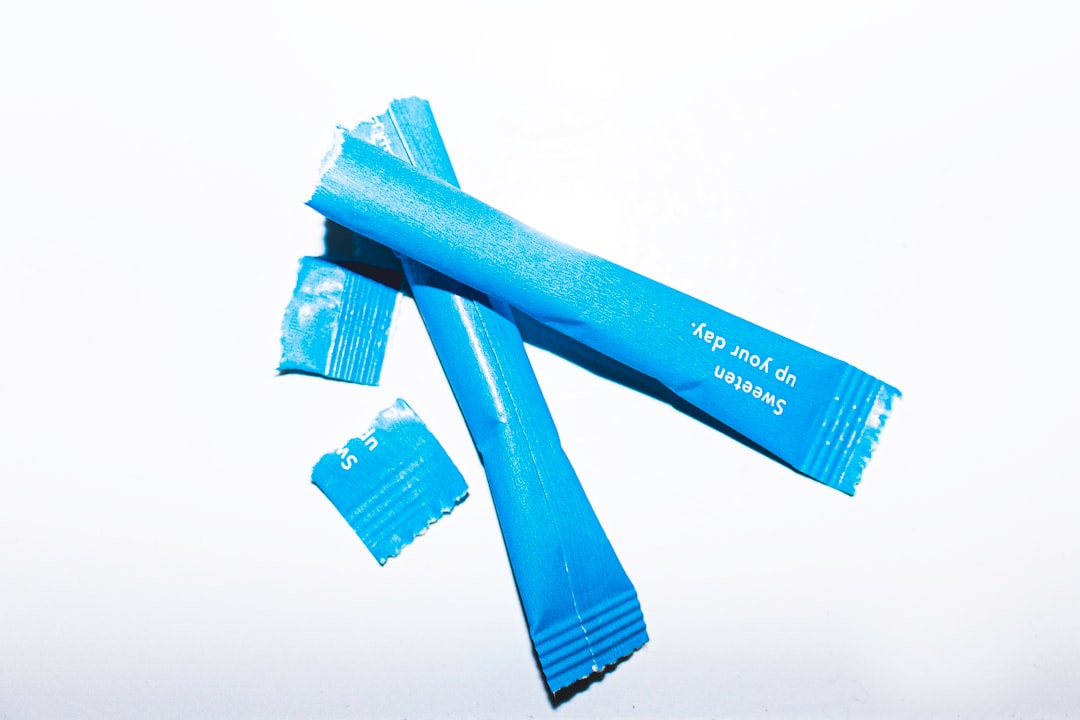
Morning: I add one stick of LMNT Zero Sugar Electrolytes to my first 24 ounces of water. LMNT was developed by former research director of ketonix, and their formula is unapologetically high-sodium (1,000 mg per stick) with no sugar. That sounds like a lot of salt, but if you’re training in heat, it’s exactly what your body needs. I prefer the Raspberry flavor, but the LMNT Variety Pack bundle is great if you want to rotate.
Pre-workout: About 30 minutes before training, I add a small squeeze of Trace Mineral Drops — concentrated ionic minerals harvested from the Great Salt Lake — to whatever bottle I’m taking to the track or gym. Just a quarter teaspoon adds a broad spectrum of minerals including magnesium, chloride, and potassium without changing the taste much. The ConcenTrace version is the one I keep on my counter; it’s the same concept but in a larger bottle for daily use.
Post-workout recovery: I blend up a quick recovery smoothie using a Ninja Fit compact personal blender — coconut water powder for natural potassium, a banana, some protein, and a dash of organic coconut water powder if I don’t have fresh coconut water on hand. The Ninja Fit is perfect because it’s small enough to leave on the counter and powerful enough to handle frozen fruit without struggling.
That’s it. Three steps. Nothing complicated, nothing that requires more than two minutes of prep. But the cumulative effect over two weeks was remarkable — no more cramping, no more afternoon energy crashes, and my recovery between sessions felt noticeably faster.
The Bottles That Made This Sustainable
Here’s something I’ve learned the hard way: the best hydration protocol in the world falls apart if your gear is annoying. For the first month after rebuilding my approach, I was mixing electrolytes in a cheap plastic bottle that sweated condensation everywhere, leaked in my gym bag, and couldn’t keep a cold drink cold for more than an hour in the sun.
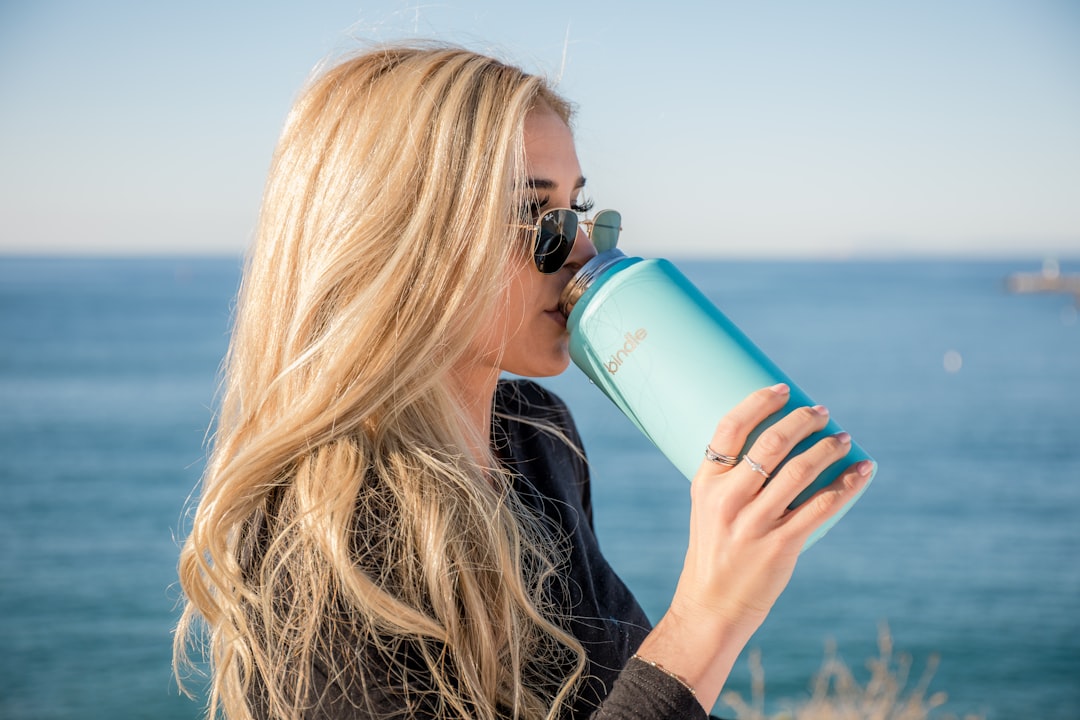
I finally upgraded to an Owala FreeSip insulated bottle and it genuinely changed my daily habits. The FreeSip has this brilliant 2-in-1 spout that lets you sip through the built-in straw or tilt back and chug — and it’s fully insulated so ice lasts for hours even when I leave it on the track in direct sunlight. At 24 ounces, it’s the right size to get a full electrolyte serving with room for ice.
For anyone who responds better to technology than willpower, the Hidrate Spark PRO smart water bottle is worth a look. It syncs to an app on your phone, tracks how much you’re drinking throughout the day, and literally glows when you’re falling behind. I recommended it to a client who could never remember to drink before her evening sessions, and it completely shifted her consistency. The glow reminder sounds gimmicky until you realize you’ve gone four hours without a sip and your body is already playing catch-up.
The Magnesium Piece Nobody Talks About
Electrolytes during training are half the battle. The other half happens at night, and magnesium is the missing link for most active people.
When I started digging into why my recovery felt incomplete despite nailing my daytime hydration, I kept landing on magnesium. It’s involved in over 300 enzymatic reactions in the body, including muscle relaxation, ATP production, and nervous system regulation. Exercise depletes it. Stress depletes it. Sweating depletes it. And unless you’re eating a pound of pumpkin seeds every day, you’re probably not getting enough from diet alone.
I started taking magnesium glycinate — 400 mg before bed — and within a week, my sleep deepened, my morning stiffness disappeared, and the calf twitches that used to wake me at 3 AM stopped entirely. Glycinate is the form I recommend because it’s highly bioavailable and gentle on the stomach, unlike cheaper magnesium oxide that mostly just gives you digestive issues.
The combination of daytime electrolytes and nighttime magnesium is what I now consider the non-negotiable foundation for anyone training hard in summer heat. It’s a core part of the recovery stack I detailed in a recent article, and it’s what I recommend to every client who walks through my door complaining of fatigue, cramping, or plateaued progress.
Salt Is Not the Enemy
Can we talk about salt for a minute? Because I think the “low sodium” messaging of the last two decades did active people a massive disservice. If you’re sedentary, sure, maybe watch your salt intake. But if you’re training in summer heat and sweating profusely, you need sodium. Actively, deliberately, unapologetically.
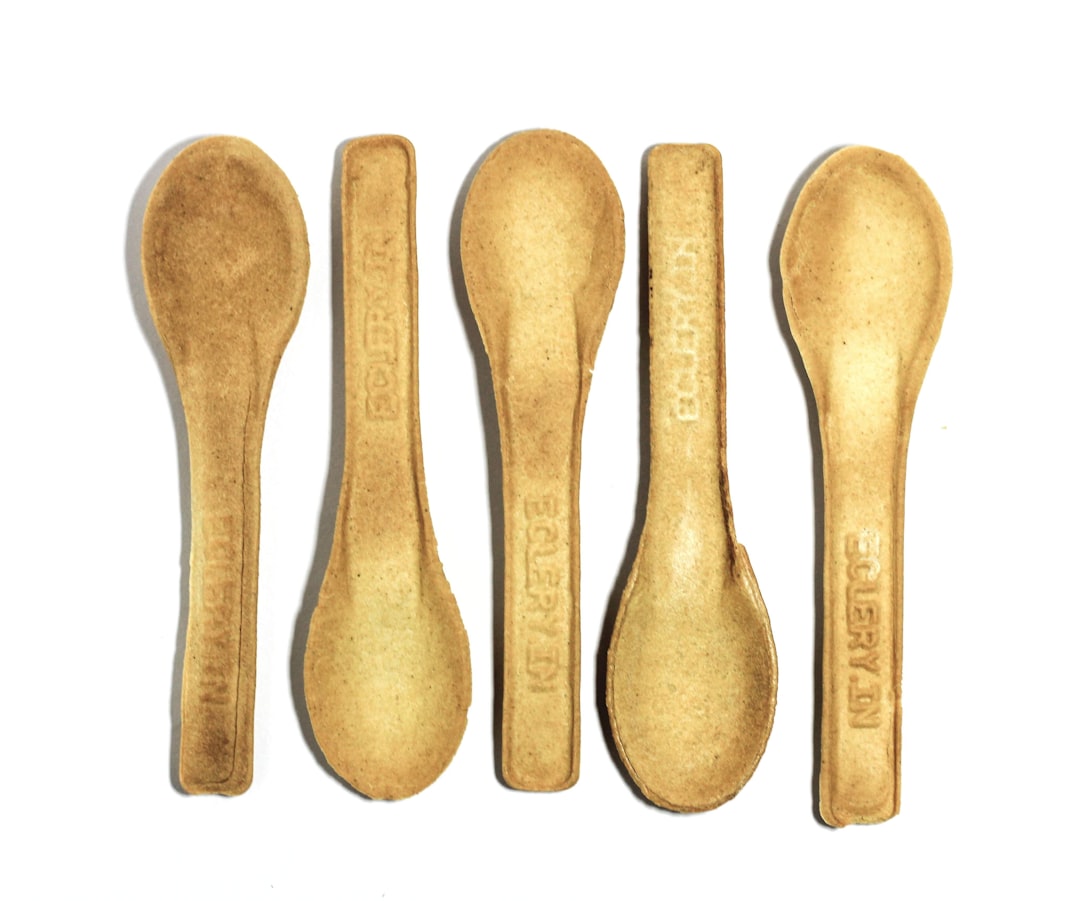
I keep fine-grain pink Himalayan salt on my counter and use it liberally during summer months — a pinch in my morning water, a heavy hand on post-workout meals, sometimes a small pinch directly under my tongue before a hard track session. The pink salt contains trace minerals beyond what standard table salt offers, and the fine grain dissolves easily even in cold water.
For clients who are skeptical, I ask them to try adding 500 mg of sodium (about a quarter teaspoon of salt) to their pre-workout bottle for one week and tell me how they feel. In ten years of coaching, not a single person has come back saying they felt worse.
What About Hydration Multipliers?
Products like Liquid I.V. Hydration Multiplier have exploded in popularity, and they do have solid science behind them. The concept is based on oral rehydration therapy — the same WHO formula that saves lives in dehydration crises worldwide. The glucose-sodium co-transport system pulls water across the intestinal wall faster than water alone, which means you hydrate more efficiently.
The catch? Most hydration multipliers contain a meaningful amount of sugar. That’s not inherently bad — the sugar is functional, not just sweetening. But if your goal is lean performance or you’re following a low-carb approach, you may prefer the zero-sugar electrolyte products. I keep both in rotation: Liquid I.V. on days when I need fast rehydration after a long, depleted session, and Ultima Replenisher for lighter training days when I just want flavor and a mineral top-up without the sugar.
The Kitchen Counter Setup That Ties It Together

Here’s where the practical meets the aspirational. None of this works if it’s buried in a cabinet or requires fifteen steps. I spent an afternoon reorganizing my kitchen counter specifically for hydration, and it’s probably the single highest-ROI thing I’ve done for my training.
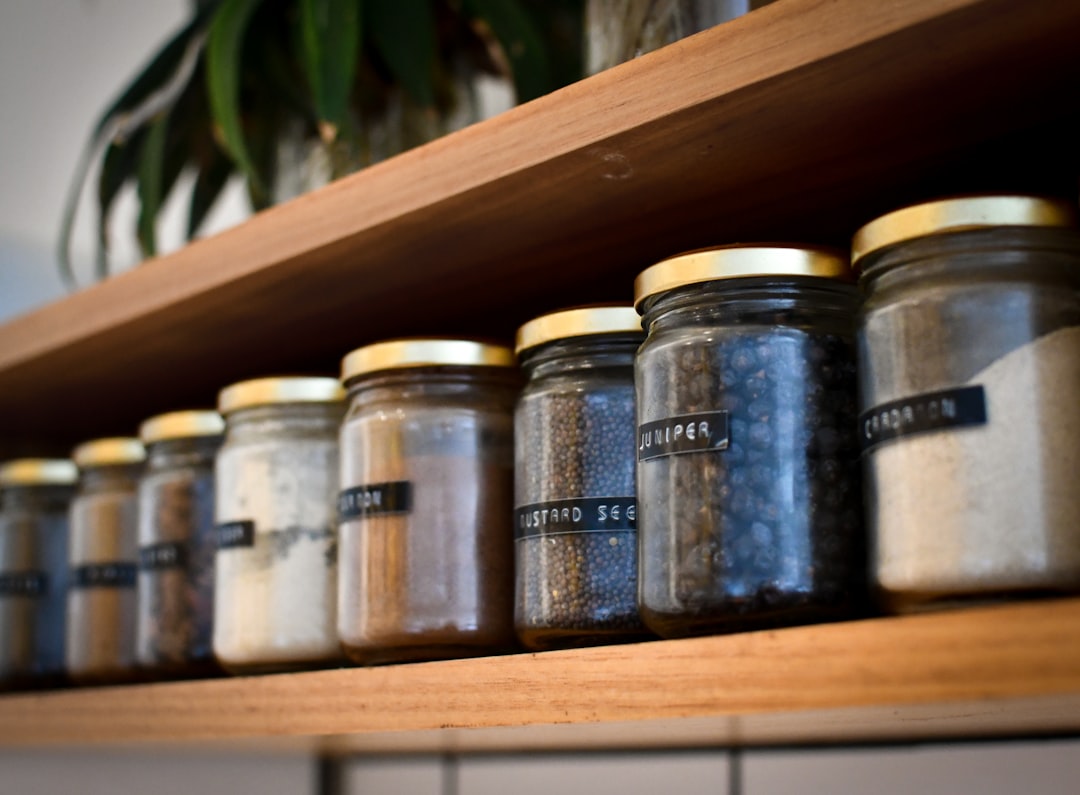
The setup is simple: electrolytes in a small jar next to the water bottle, trace minerals on a shelf above the blender, and Himalayan salt in a dish by the stove. Everything visible, everything accessible, no friction. The Ninja Fit personal blender lives permanently next to the coffee maker because if it had to be stored and retrieved, I simply wouldn’t use it.
This sounds obvious, but behavioral science backs it up. Visibility drives consistency. The clients who succeed at hydration are the ones whose supplements live on the counter, not in a drawer. The ones who keep their water bottle in the bathroom at night so it’s the first thing they see in the morning. The ones who put their magnesium next to their toothbrush so they can’t forget it.
Design your environment for the habits you want, and the habits take care of themselves. I’ve written about this approach in my piece about building a daily collagen routine — same principle, different supplement. Whatever the habit, the system is what makes it stick.
My Honest Take After a Full Summer
It’s been nearly a year since I sat on that stranger’s lawn with my hamstrings locked up. Since then, I’ve trained through an entire summer of outdoor track sessions, trail runs in 90+ degree heat, and long cycling weekends without a single cramping episode. My energy stays consistent through the afternoon. My sleep scores improved. My recovery between sessions tightened up in a way I hadn’t experienced since my early twenties.
I’m not going to pretend minerals are a magic bullet. Training smart, sleeping enough, eating well — that’s still the foundation, and I cover all of it in my summer training and recovery guide. But within that foundation, mineralization was the missing piece I didn’t know I needed. The thing that made everything else work better.
If you take one thing from this, let it be this: if you’re training hard in summer heat and feeling depleted despite “drinking enough water,” look at what’s in your water. Not the volume — the minerals. The answer might be simpler than you think.
Start with one electrolyte stick in your morning bottle. Add a pinch of salt to your pre-workout water. Take magnesium before bed. Do that for two weeks and see how you feel. I’m betting you’ll be surprised — just like I was, sitting on that lawn, realizing that everything I thought I knew about hydration was only half the story.



2 Comments on “The Hidden Mineral Deficit Every Summer Athlete Faces — and the Kitchen Setup That Solves It”