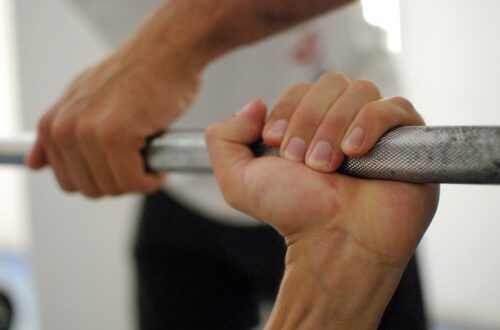
Every September, without fail, somebody on my coaching roster sends me the same text: “The kids are back in school and I have forty minutes to myself. What do I buy?” For years I gave complicated answers. Last fall my team counted how many of our clients ended up sticking with equipment they bought in September, and one category beat everything else combined by a margin that embarrassed me. It was not a smart treadmill. It was not a fancy recovery gun. It was a pull-up bar. Not because hanging is magical, but because a bar in a doorway you walk through eleven times a day removes the hardest part of training, which is deciding to start.
Here is my confession, since I coach women who assume pull-ups were always easy for me. I spent my entire heptathlon career as the worst pull-up athlete on my college team. I could out-run, out-jump, and out-throw most of my training partners, and I could hang from a bar like a wet towel. My coach at the time fixed it with a $30 doorway bar and a progression I still use with clients today. So when September shrinks your daylight and your schedule at the same time, this is the piece of equipment I build a plan around — and the only one I will argue for.
The September Squeeze Is Real, and It Changes Your Equipment Math
Somewhere between Labor Day and the first frost, three things happen at once. Daylight drops by about two minutes a day. School calendars detonate across every family schedule in my coaching practice. And the motivation that carried outdoor summer workouts quietly evaporates. My team and I plan for this the way sailors plan for a headwind — not by complaining, but by adjusting the sails. Cardio tends to move indoors or onto machines, which is exactly why so many of my clients end up on a rower by October. Strength work, though, needs almost nothing. A doorway.
That is the entire pitch. A hanging station costs less than a month of the gym membership it replaces, takes up zero floor space, and works every pull muscle your desk job quietly unplugs. When I wrote about the modular home gym that replaced my $1,500 membership, the bar was the anchor piece. Six years later, it still is.
One Bar, Three Ways to Hang It
Not every house can host the same bar, so let me save you the mistake-filled weekend I spent testing these with my assistant coach. There are really three routes, and your doorframe — not your preference — picks the winner.
The doorway bar that wedges in place. This is the classic leveraged design that hooks over the trim, using your own body weight to pin it tighter. No screws, no landlord drama, five seconds to remove. Measure your doorway first — most fit frames between roughly 24 and 37 inches, and trim depth matters more than people think. The Sportneer no-drill doorway bar is the one I lend to new clients because it holds up to 440 pounds and does not chew up the paint.
The mounted bar for a forever home. If you own your walls, skip the doorway entirely and mount steel into a joist or stud. It is rock-solid, it supports kipping and weighted work without a single creak, and it becomes the most-used screw hole in your house. A joist-mounted bar like this Fitarc unit costs about the same as a month of boutique fitness classes and will outlive the drywall around it.
The freestanding tower for the frame-challenged. Older homes, apartments with hollow-core doors, and open-plan layouts sometimes fail all of the above. A power tower needs about a three-foot square of floor but gives you pull-ups, dips, and knee raises on one footprint. My team keeps a SPORTSROYALS power tower in our studio corner for exactly these clients.
What Hanging Actually Does for a Body
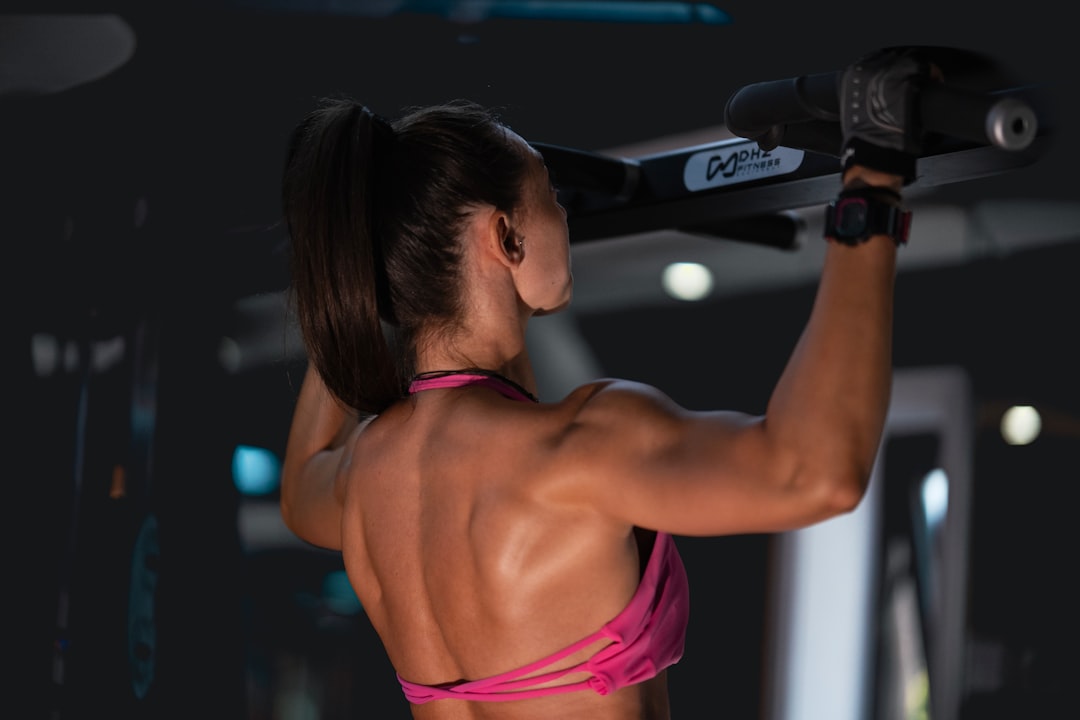
Before the gear list gets longer, let me make the case for the movement itself, because I refuse to sell you hardware without physiology. Pull-ups and their easier cousin, the dead hang, load the lats, mid-back, biceps, forearms, and grip in one coordinated pull. That chain is precisely the one that weakens when we sit. Grip strength alone keeps showing up in longevity research as a surprisingly honest biomarker of aging well, and I have watched clients in their sixties reclaim theirs one dead hang at a time.
For the women I coach, the overhead pull does something else: it loads the shoulder stabilizers and the upper spine in a direction that daily life almost never asks for. Bone density responds to loading, and the progressive, controllable nature of band-assisted pull-ups makes them one of the friendliest strength entries around for perimenopausal and postmenopausal bodies. You do not need to chase a single unassisted rep to get ninety percent of the benefit. You need to pull, twice a week, progressively.
Rings Turn One Bar Into a Whole Gym
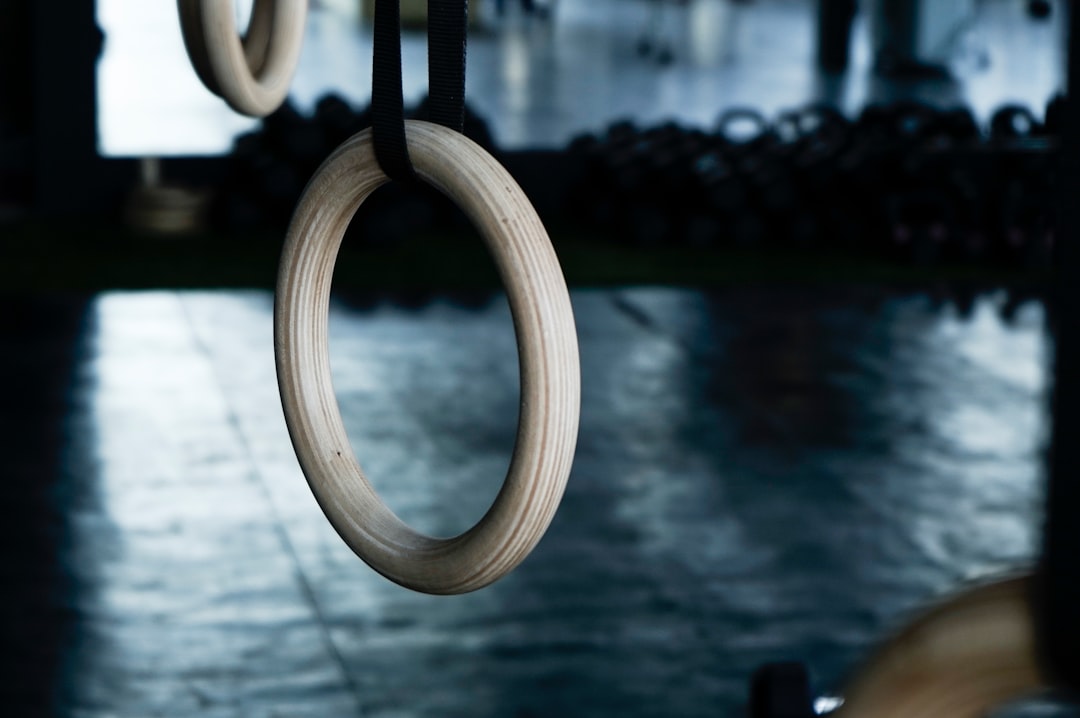
The best forty dollars in home fitness is a pair of wooden rings hung from your bar. I say this as someone who resisted them for years because they looked like circus equipment. Then my team’s gymnastics coach hung a set in our studio doorway, and within a month I was doing ring rows between client sessions like popcorn. Rings give you rows, push-ups, dips, flys, and the humbling glory of ring support holds — and because they wobble, every rep recruits the small stabilizers that fixed bars let you skip.
Wooden rings grip better than plastic when your hands sweat, which in September humidity is not a small detail. The GHB wooden rings with adjustable cam straps are the set I have re-strung for three seasons now. Hang them from your doorway bar, your mounted bar, or a sturdy branch — the setup travels in a backpack, which is how they ended up at more than one of my YMCA family fitness nights.
Bands Before Weight: The Progression Nobody Regrets
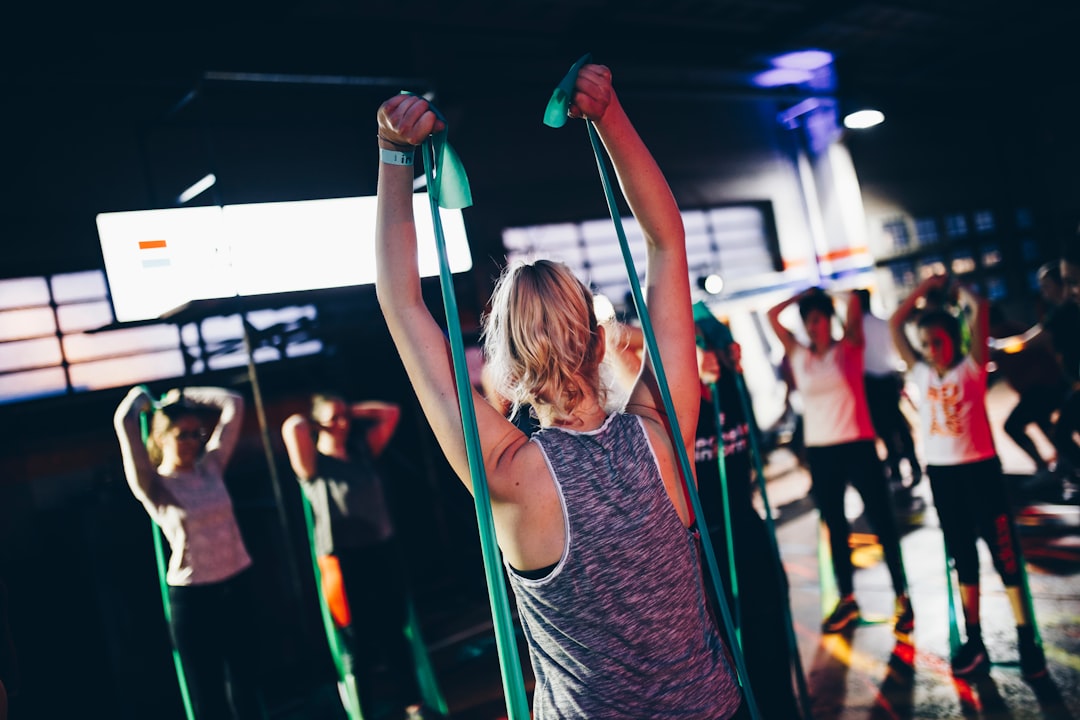
Here is the coaching secret behind every dramatic “first pull-up” video you have seen: nobody goes from zero to strict reps through willpower. They go through bands. Loop a thick band over the bar, put a knee in it, and the elastic gives you a gentle catapult through the hardest part of the range. Step down in band tension every two or three weeks and your body barely notices it is doing something heroic. A graduated set of pull-up assistance bands in four tensions is the single purchase I steer every beginner toward before anything with a screen on it.
Bands also cover the days you are not hanging. Rows, face pulls, presses, and warm-up shoulder work all live in that same little bag. My travel kit is nothing but a doorway bar attachment plus a handle-and-band set that weighs under two pounds, and it has kept entire vacation weeks honest. If you only buy two things from this article, make it the bar and the bands. Everything else is a beautiful garnish.
The Pushing Half: Parallettes Earn Their Shelf Space
Pull-heavy programs create their own imbalance, and the fix lives low to the ground. Parallettes — those low parallel bars you have seen calisthenics athletes defying gravity on — raise your hands off the floor so your wrists stay neutral and your push-ups travel through a deeper, shoulder-friendlier range. For clients with cranky wrists, they are not optional; they are the difference between push-ups happening or not. I keep a pair of fourteen-inch parallettes beside the couch, and the rule in my house is simple: if you sit down to scroll, you owe the bars ten reps first. My stepdaughter has never scrolled less.
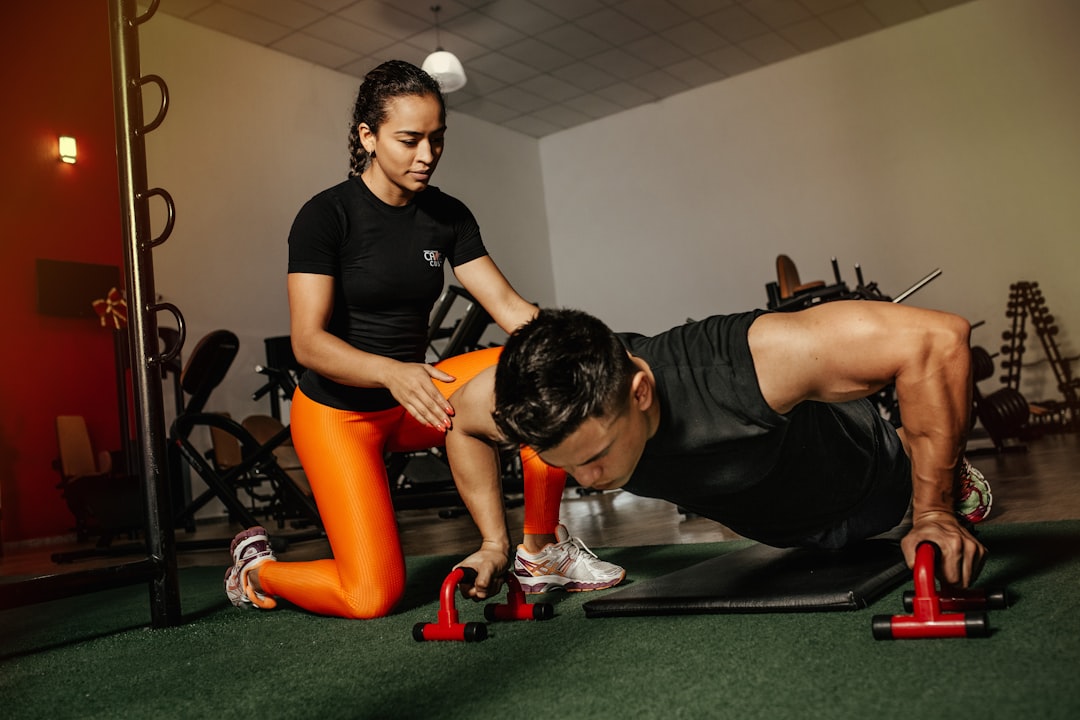
Start with basic elevated push-ups, then L-sit attempts that last all of two glorious seconds, then pike push-ups that quietly build overhead pressing strength. This is the same progression my youth athletes at the Y grind through every winter, scaled up or down. No memberships, no machines — just floor space and gravity.
Chalk, Straps, and the Little Things That Add Up
The accessory drawer is where home gym budgets go to die, so let me rank it honestly. Chalk is worth it. Humid hands slip, and slipping teaches you to grip tense instead of strong. A bottle of liquid chalk solves the problem without dusting your doorframe white — my YMCA climbing kids put it on everything from bars to doorknobs, and the mess factor stays at zero. Hanging ab straps are worth it if your core work needs variety; they clip to the bar and turn knee raises into a serious exercise without your grip failing first. The Gymreapers ab straps have survived two years of my most enthusiastic clients.

The dip belt waits. A weight belt for weighted pull-ups is a fantastic purchase — for later, once you own five strict reps and hunger for more. Buying one on day one is like buying a wedding dress on a first date. Patience.
The Eight-Week Plan I Tape to Every Doorframe
Equipment without a plan is decoration, so here is the exact skeleton my clients follow. Weeks one and two: dead hangs and band rows only, three sets each, every other day. Weeks three and four: band-assisted pull-ups, four sets of five, stepping your feet forward as reps get easier. Weeks five and six: drop one band tension, add ring rows and parallette push-ups so the pushing half catches up. Weeks seven and eight: test day energy — one unassisted attempt per session, band-assisted volume behind it. Twice a week is plenty. The bar in the doorway does the reminding; you just show up when you walk past it.
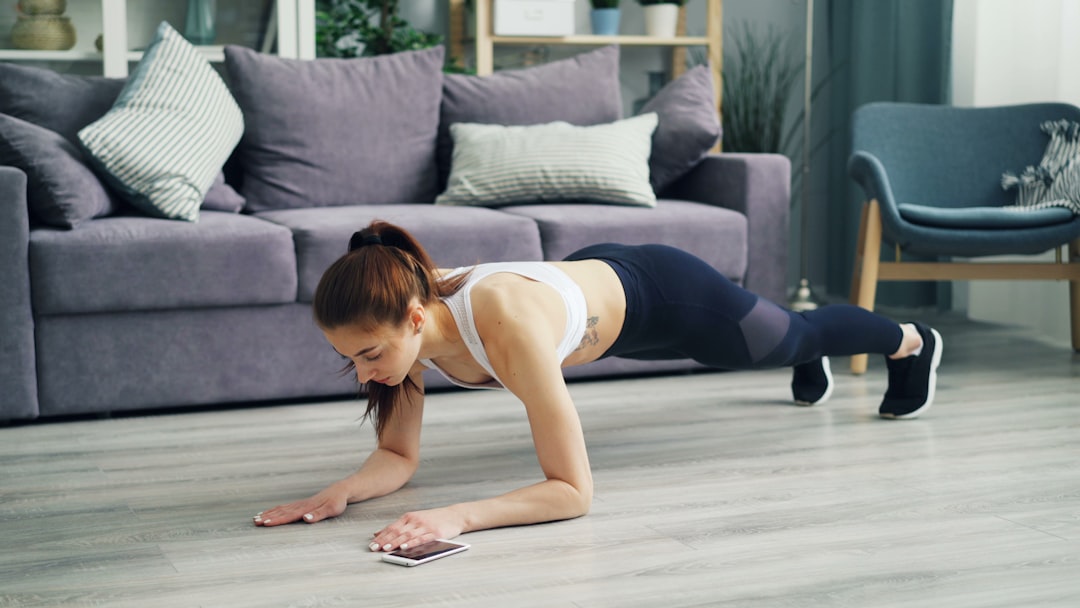
The clients who turn this corner almost always report the same downstream effect: their posture changes at their desks, their carrying strength changes in the grocery store, and their dead hang time becomes the family scoreboard it never should have become but absolutely is. My own record stopped mattering the day my mother, sixty-eight, hung for forty seconds. She texts me updates. I have stopped pretending I am not keeping track.
What I Would Skip, and What I Would Pair It With
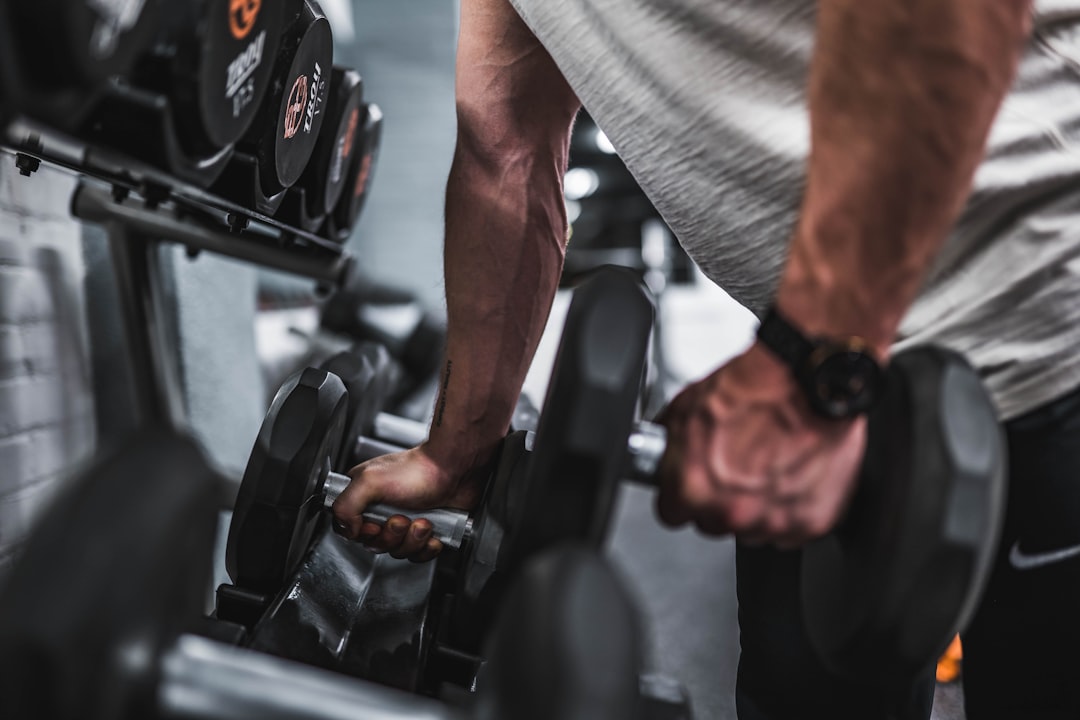
Honesty section, because your budget deserves it. Skip gloves (chalk, remember), skip doorway bars with screw-in brackets if your trim is thin decorative molding, and skip any connected “smart” bar with a subscription — your first pull-up does not require firmware. What I do pair the bar with, when clients are ready to round out the setup, is a set of adjustable dumbbells for pressing and rowing variety; I wrote about the pair that replaced my entire dumbbell rack here. And if you want the full blueprint for how a bar, bands, and a bench coexist in a real living room, my argument for the humble workout bench is the companion piece. Six square feet, one doorframe, and you have a strength program that will carry you to spring.
September does not ask whether you are ready for it; it just shortens the days. Hang a bar where you cannot avoid it, put a band where you can see it, and let the busiest season of the year train you instead of derail you. Your first unassisted rep is closer than the summer version of you would believe — and unlike me at twenty-two, you will not need a college coach barking at you to get it.