There is a moment every September when my walking group looks at me with the same question in their eyes. This year it arrived early, courtesy of a viral clip of someone power-walking through a park with what looked like a small sandbag strapped to their chest. Ten texts later, I had my answer ready: yes, the weighted vest is having a moment, and yes, I would find out exactly what it does before any of you buy one.
So I did what I always ask my clients to do before they chase a trend: I built a little experiment and lived in it for a month. Same loop, same shoes, same bedtime. The only thing that changed was whether eight pounds of iron came along for the walk. What follows is what actually happened — the data, the chafing, the surprise, and the honest list of people who should skip this trend entirely.

Why Loaded Walking Earned a Month of My Mornings
The idea behind a weighted vest is almost embarrassingly simple: your bones, muscles, and heart don’t count miles, they count load. Add five to ten percent of your body weight to an ordinary walk and every step becomes a slightly heavier promise to your skeleton. Researchers have been poking at this for years — a JAMA Network Open trial last year found that vest use during weight loss helped older adults hold on to bone density they would otherwise have lost, and classic gait-lab work found that a vest at 15 percent of body weight bumps calorie burn at a fixed pace by roughly 12 percent. My vest was a modest five percent, so I expected a gentler version of that bump, not a miracle.
What sold me on testing vests rather than another gadget is that loaded walking is just rucking’s calmer cousin. I’ve had clients carrying backpacks for years. A vest simply spreads the load across your torso instead of hanging it off your shoulders, which matters enormously when you’re walking for an hour. I already knew what small loads do to daily movement from my wrist-weight experiment; a vest is the same principle with better manners and a bigger engine. If you missed that piece, here’s what 30 days of wrist weights taught me about NEAT.

The Protocol: One Loop, Fourteen Vest Days
My laboratory was the 3.1-mile loop around my local park — the same one I’ve walked hundreds of times, where I know every bench, every hill, and every sprinkler head with a personality. For 28 days I walked it every morning, alternating: vest on one day, vest off the next. Fourteen weighted walks, thirteen free. The leaves turned gold around me as the month went on, which made even the control walks feel like a reward.
I wore an 8-pound vest, roughly five percent of my body weight, snug across the chest. Heart rate came from a chest strap, because wrist sensors drift on cool mornings and I wanted the numbers to mean something. If you’re building your own data setup, the Polar H10 chest strap remains the gold standard I reach for. After every walk I logged pace, average heart rate, and a one-to-ten effort score before I’d even poured my coffee — memory lies about effort, especially the pleasant kind.

Week One: The Awkward Tax
Nobody warns you about week one. Eight pounds doesn’t sound like much until it’s sitting on your trapezius muscles for 55 minutes. My first vest walk, my heart rate ran about nine beats higher than my free-walk average at the same pace, and my effort score jumped from a comfortable 4 to a sweaty 6. The vest also found every seam I owned: by day three I’d learned to wear it over a smooth synthetic layer, never cotton, and to cinch it higher on my chest so the weight rode on my upper back instead of swinging from my shoulders.
Fit, it turns out, is the entire ballgame. A vest that bounces even half an inch with each step will grind a blister into your mood faster than into your skin. Snug enough to hug, loose enough to breathe — and if you’re between sizes, size down, because the webbing stretches.
What the Data Actually Said
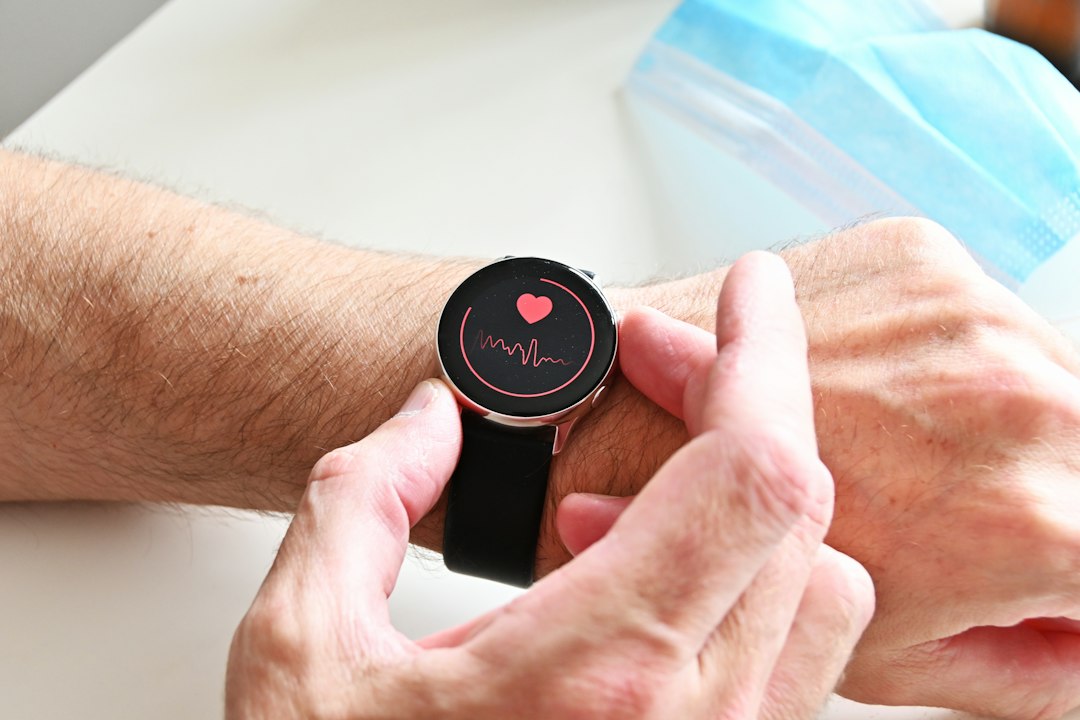
Fourteen vest days and thirteen free days later, here’s the honest ledger. Average heart rate on vest walks settled around 127 beats per minute versus 118 on free days — a steady nine-beat premium for the same scenery at the same pace. My pace on vest days started about fifteen seconds per mile slower, then quietly returned to baseline by week three, which tells me the adaptation curve is real and fast. Watch-estimated calorie burn ran nine to twelve percent higher with the vest, lining up neatly with that gait-lab math. Effort scores told the same story with feeling: 4 out of 10 unweighted, 6 out of 10 loaded.
None of that is magic. It is, however, exactly what a busy adult wants: a way to make an easy thing measurably harder without making it miserable. The vest turned my recovery walk into genuine zone-2 training on days when I couldn’t fit a workout anywhere else. That’s the actual product you’re buying — not weight loss, not abs, just more stimulus per minute of the walking you were doing anyway.
The Surprise: Downhills and a Spine That Sits Up Straight

Two things I did not see coming. First, downhills. Loaded descents are the quiet villain of this whole trend — every step down becomes a controlled braking exercise for your quads, and my legs noticed the loop’s gentle half-mile descent in a way they’d never bothered to in fifteen years of walking it. Short steps, quiet landings, and no pretending the downhill is free anymore.
Second, posture. You cannot slouch under a vest; the weight simply won’t allow it. Ribs stacked over hips, shoulders back, chin level — the vest is a posture coach that charges nothing per session. Several clients who tried vests after me reported the same thing: the walk after the walk, the one where you’ve taken it off, feels strangely tall.
Who Should Skip the Vest (Yes, It’s a Real List)
Now the part the viral clips leave out. If your walks include running, jumping, or burpee-adjacent enthusiasm, leave the vest at home — the load shifts dynamically and your joints pay the invoice; even the testers at Women’s Health frame their picks as walking tools, not circuit tools. If you have uncontrolled blood pressure, a cranky neck, shoulder impingement, or significant knee or hip pain, talk to your doctor before adding load — the vest amplifies whatever your joints are already whispering about. Pregnant? The list is no, and it’s a short list.
And if you’re brand new to exercise, the vest isn’t your first purchase — it’s your fourth. Earn four weeks of consistent unweighted walking first, because consistency will always outperform intensity; it’s a lesson five boring habits once taught me the long way around. When you do start, keep the vest under ten percent of your body weight and let adaptation, not ego, set the schedule.
Picking a Vest You’ll Actually Wear
The market splits into two camps: fixed-weight vests, which are simple, lighter, and cheaper, and adjustable ones with small iron bars you add as you progress. For most walkers I coach, a fixed vest between six and twelve pounds is the sweet spot — adjustable vests are brilliant in a home gym, but their bulk matters more on a two-hour walk than it does in a garage.
Fit and features beat branding every time. Look for weight held close to the torso, wide shoulder padding, a phone pocket — freed hands change the entire experience of a walk — and reflective touches for the dark mornings that are coming whether we like it or not. My notes on the September daylight squeeze explain why your walk is about to get darker every single day. The vest I kept reaching for was the Sportneer 12-pound vest with the phone bag: the pouch fits my phone plus keys, and the weight sits high and still. For women tired of vests built like menswear, the BAGAIL comfort-fit vest with its detachable pouch and no-chafe cut was the runner-up my clients kept borrowing. The classic ZELUS weighted vest is still the best-value adjustable if you want room to grow, the straightforward WANOON fixed-weight vest comes in more sizes than most clothing brands bother with, and the featherlight Renoj vest is the one I hand to true beginners.

Three pieces of supporting cast made the month livable. Merino socks ended the blister conversation before it started — the innotree merino five-pair pack is what’s currently in my drawer. As the evenings closed in, a two-pack of clip-on safety lights went on the vest’s front and back, one less thing to think about on dim streets. And my calves, the honest victims of all those loaded downhills, got ten minutes with the TriggerPoint Grid foam roller after every vest day. Toss a strap-equipped insulated water bottle over the vest’s shoulder and you’ve got a complete fall walking kit that fits in one drawer.
My Four-Week Starter Plan
If you’re cleared for takeoff, here’s the exact progression I’d hand a client. Weeks one and two: two vest walks a week, twenty to thirty minutes, weight at about five percent of body weight. Weeks three and four: three vest walks, up to forty-five minutes, and only add weight if every walk felt like a 5 out of 10 or easier. Always alternate — the unweighted days are when your bones and tendons actually absorb the new demand, and they’re non-negotiable. Shoulders down, ribs stacked, short steps on any descent. And check your tread, because leaves are turning into nature’s banana peels; if your shoes are due for retirement, my walking shoe field guide will sort you out in ten minutes.
The Verdict From a Coach Who Walked the Loop
The vest stays in my rotation through November, and here’s my most honest framing of what it is and isn’t. It isn’t a shortcut — you still have to do the walk, in the cold, on the mornings when the couch makes a compelling argument. It isn’t for everyone, and the exemptions list above is genuine. But as a multiplier on time you were already spending, loaded walking is the best cheap upgrade to cardio I’ve tested since I started wearing a chest strap. My heart rate says I turned a pleasant stroll into real training. My posture says thank you. My quads, on downhill days, say nothing, because they’re too busy braking.
That’s the whole experiment. Fourteen loops with eight pounds of iron, thirteen without, one park that turned gold around me in the process. If you try it, start light, log honestly, and let the boring math of consistency do what it always does.