There is a number that predicts how long you’ll live independently, and no wearable on the market tracks it. It’s not your VO2 max. It’s not your resting heart rate or your sleep score. It’s how hard you can squeeze.
Grip strength has quietly become one of the most respected biomarkers in longevity research. Large population studies going back to the PURE study — nearly 140,000 adults across 17 countries — found that grip strength predicted death from cardiovascular disease better than systolic blood pressure. Researchers now describe it as a “single vital sign of aging,” a proxy for total-body muscle mass, nervous system integrity, and disease resistance all rolled into one number. When I first read that, I put down my smart ring and picked up a hand dynamometer.
Your hands are the interface between you and the physical world — every carry, climb, lift, and pull routes through them. Which makes it stranger, not less strange, that we track steps and sleep with gadgets that cost hundreds while ignoring the one capacity that quietly decides whether you remain independent at eighty. The gear to train it costs less than a single month of most subscriptions. That math still amazes me.
Here’s the part nobody tells you: grip strength peaks in your thirties and then falls off a cliff. Men lose roughly a percentage point or two per decade at first, then the decline accelerates after fifty. The first sign is rarely dramatic. It’s the jar you hand to your partner. The suitcase you drag instead of carrying. The rope you stop climbing. My team and I have watched this pattern play out with client after client for years — and the fix is far cheaper than the problem.
Test First, Train Second
You wouldn’t start a training program without knowing your baseline numbers, and grip is no different. A hand dynamometer — the same spring-loaded dial device physical therapists use — gives you a repeatable score in about thirty seconds. Squeeze hard for three to five seconds, three times per hand, take the average. Most devices, like the Handeful electronic grip tester I keep in my coaching bag, read up to 198 pounds and log results digitally, which matters if you actually want to watch the trend line over months.
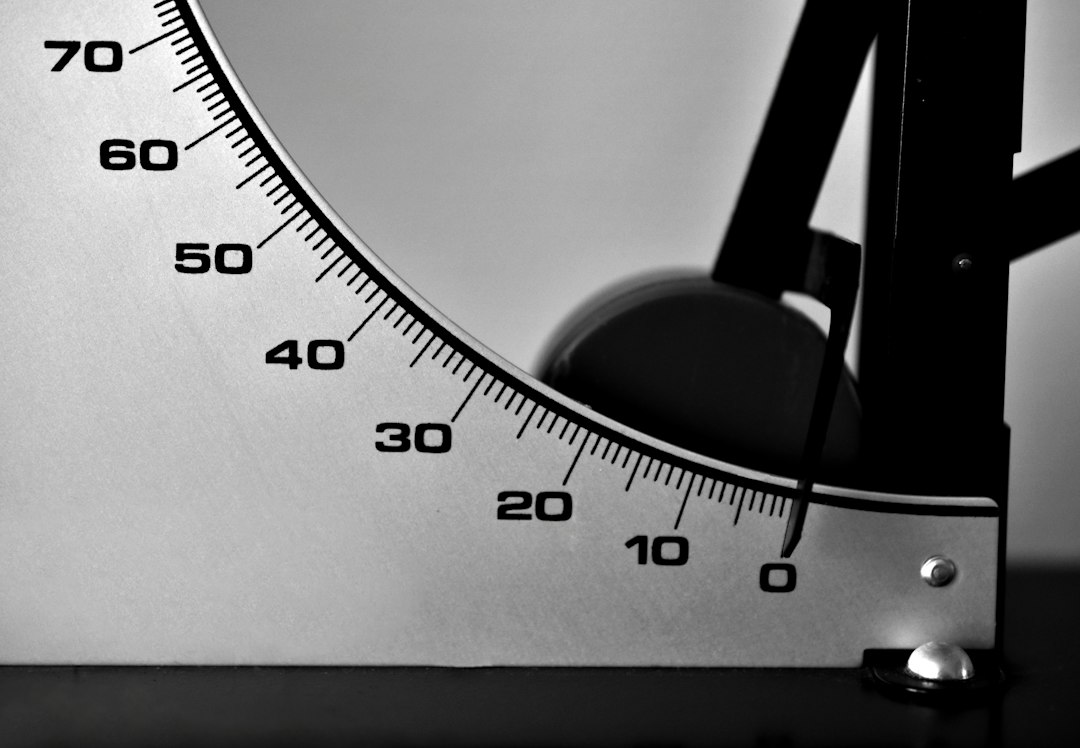
Broad reference points: average grip for a healthy woman in her forties sits somewhere in the 55-to-75-pound range; for men, 85 to 105 pounds. Below 57 pounds for women or 85 for men is where researchers start flagging frailty risk. Don’t panic at one reading — hand size, time of day, and even coffee change the number. What matters is the direction it moves over a year. I test every client on day one, and we re-test every eight weeks like it’s a lift.
My clients who see the biggest gains treat this like any other strength pursuit — with progressive overload, not random desk-squeezing. That’s where the gear comes in. I’ve bought nearly every gripper Amazon sells over the past two years. A few earned permanent spots.
The Adjustable Workhorse
For most people, one adjustable gripper covers ninety percent of the work. The beauty of a dial-adjustable model is that resistance scales from 22 pounds all the way past 130, so your warm-up sets and your heavy sets live in the same tool. The FitBeast adjustable hand grip (10–132 lbs) is the one I recommend most often, because the dial stays honest under load and the handle doesn’t chew up your palms mid-set.
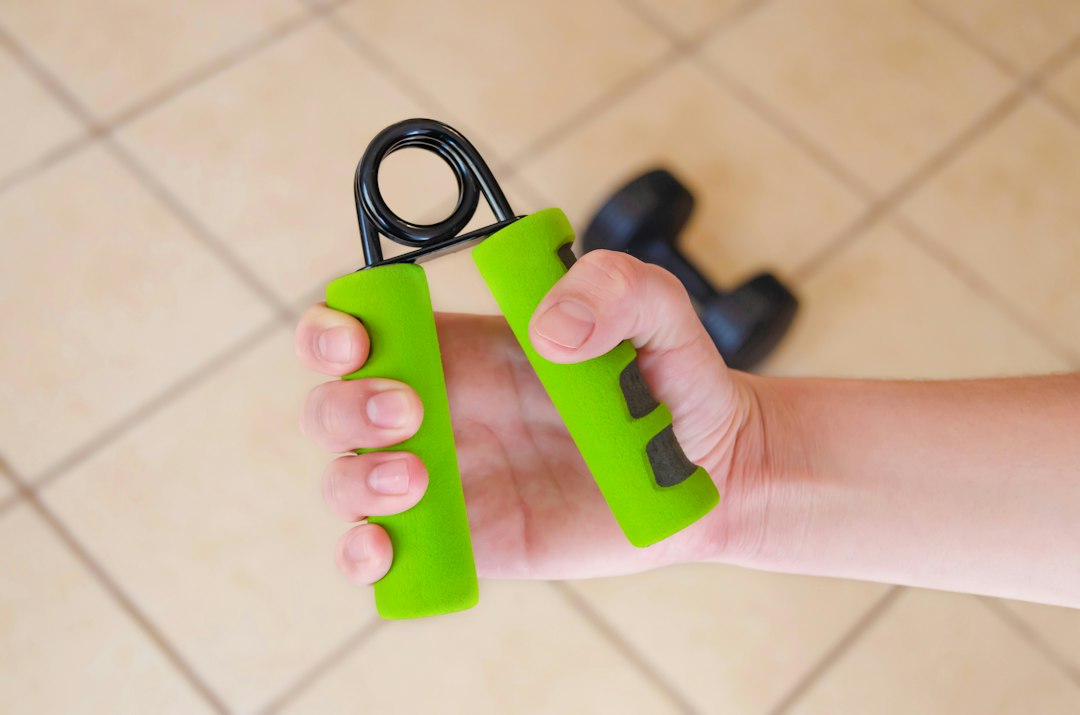
If you want variety without buying five separate tools, the FitBeast five-piece grip kit bundles a gripper, finger stretcher, wrist ring, and stress-relief egg in one case — it’s become my default gift for clients who travel. On a tighter budget, the KDG two-pack of adjustable trainers runs under twenty dollars and, honestly, feels more expensive than it is. Buy two and you can train both hands during the same Netflix episode, which is exactly how I get my stubborn ones to comply.
The actual programming is boring on purpose. Two or three sessions a week, three sets of eight to twelve slow squeezes per hand, holding the top for a full second. Add resistance when all your sets feel easy. That’s it. Your forearms respond to load like any other muscle — and unlike your legs, you can train them at a red light.
Once the basics feel automatic, split your week like you would any lift. One heavy day: four to six reps at a resistance you could maybe squeeze out eight times, full rest between sets. One endurance day: twenty-rep sets at half that resistance, minimal rest, until your forearms talk to you. This heavy-plus-endurance combo mirrors how real hands actually work — opening a stubborn jar is a max-effort single, carrying groceries up three flights of stairs is a endurance event, and life demands both, often on the same afternoon.
Train the Openers, Not Just the Closers
Here’s a coaching secret that took me far too long to learn: everyone trains squeezing, almost nobody trains opening. The muscles that extend your fingers — the ones running along the top of your forearm — are the brakes on the whole system. Weak extensors mean elbow pain, tight forearms, and the kind of tendon irritation that sidelines climbers, tennis players, and desk workers alike.
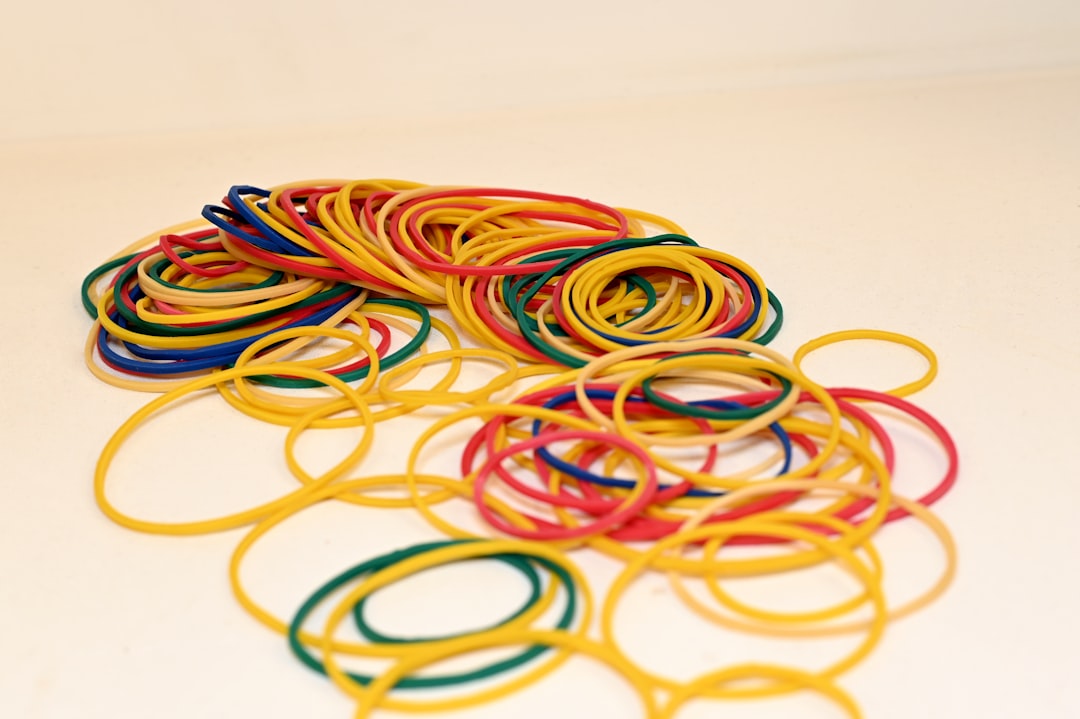
The fix costs about ten dollars. A set of finger stretcher resistance bands lets you open your hand against load, and doing closers-to-openers at a 1:1 ratio has cleaned up more “mystery” elbow aches in my practice than any massage tool. I now program rubber-band openers into every client’s warm-up — a habit that locked in after grip strength became my favorite longevity metric. Think of it as flossing, but for your forearms.
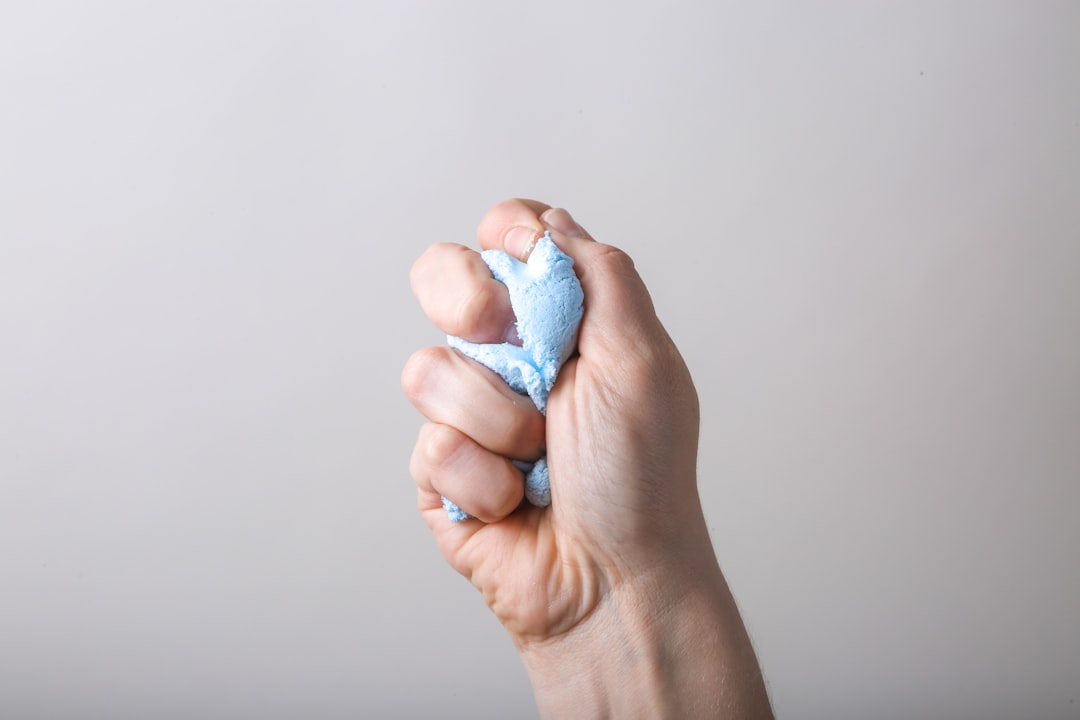
For warm-ups and rehab days, don’t sleep on therapy putty either. It’s the lowest-tech tool in this entire article and the one physical therapists reach for first. Squeeze, roll, pinch, repeat — the variable resistance is gentler than any spring, which makes it perfect for coming back from a wrist issue or for keeping hands capable past seventy.
When You’re Ready to Get Serious
Adjustable grippers are for training. Calibrated steel grippers are for proving. The gold standard is the Captains of Crush line, machined in the USA and rated to actual poundage — the 100-pound “Trainer” is the gateway, and closing the No. 1 at 140 pounds is a genuine badge of honor that fewer than one in a hundred people can claim.
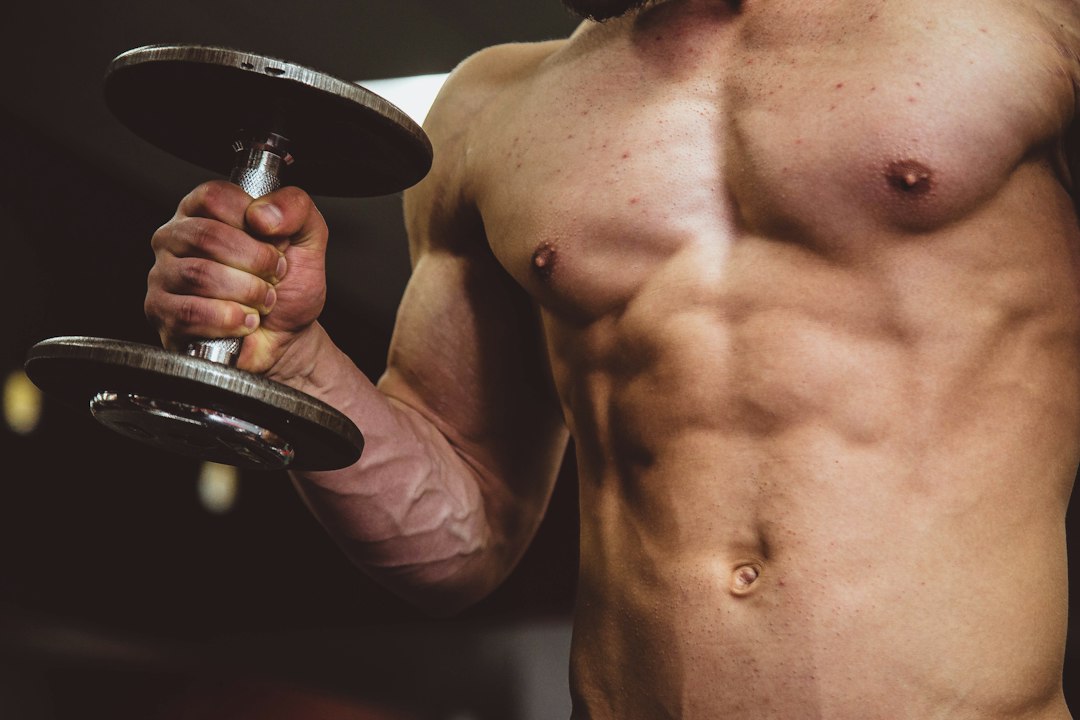
I’ll be honest: you don’t need a CoC to build a strong, capable grip, and I’d never tell a client otherwise. But there’s something about working toward a named milestone that rewires consistency. It’s the same reason I love the doorway pull-up bar setup I build every September — big goals, cheap tools. If you want calibrated precision in a smaller package, the GD Iron Grip 80 offers knurled aluminum handles and a range that covers most trainees up to a very solid 80 pounds, with a feel closer to a barbell than a toy.
Build Real-World Grip
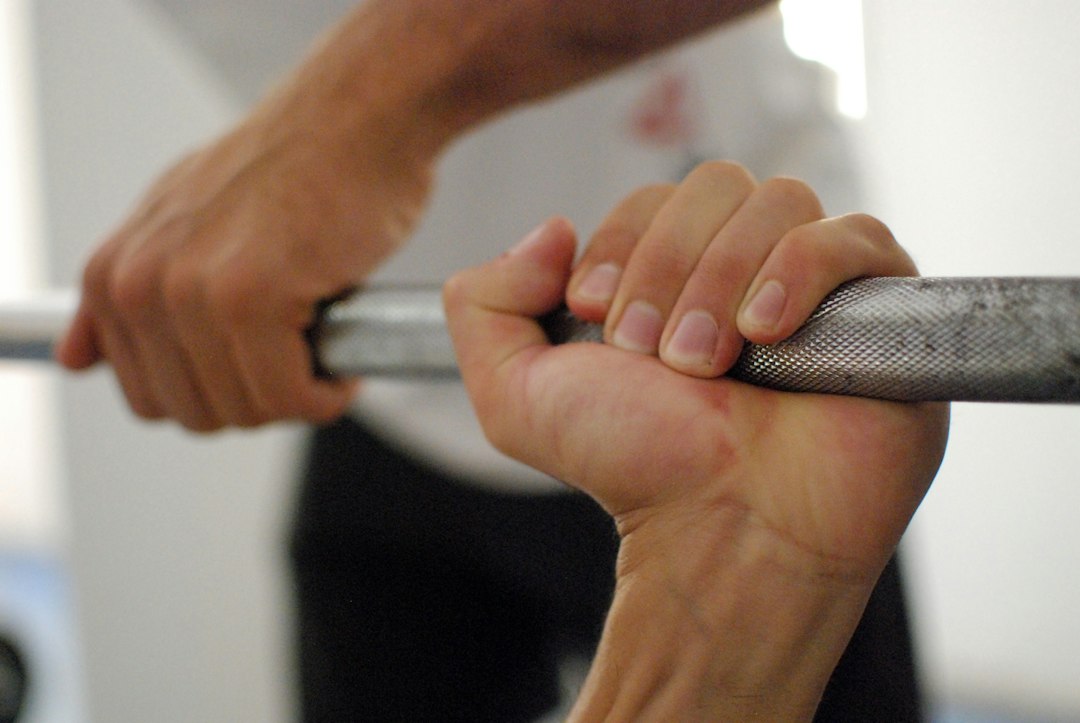
Crushing is one-third of grip. The other two thirds — supporting and pinching — are what actually carry groceries, luggage, and grandkids. Supporting grip is hanging and carrying: dead hangs from a bar, farmer’s carries with whatever heavy objects you own. These overlap beautifully with the strength work my clients already do on lifting days, which is exactly why I keep grip work attached to those sessions rather than isolating it.
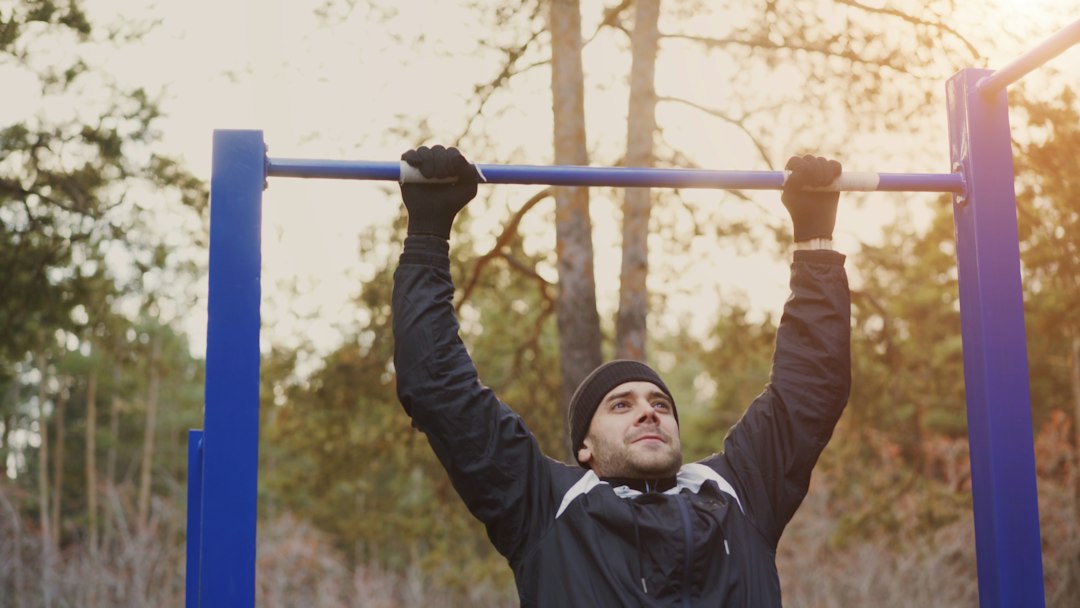
The single best dedicated tool for supporting grip is the old-school wrist roller: a bar, a rope, a weight. Roll it up, roll it down, and your forearms will burn in a way no spring ever matched. Mine lives by the couch, and one down-and-up with fifteen pounds humbles people who squat twice my bodyweight. I’ve written before about balance being the truth-teller of aging — grip is its twin. Both respond to simple, consistent loading, and both repay that work for decades.
Then there’s pinch strength, the forgotten third pillar. Pinch two smooth weight plates together, smooth side out, and hold for time — thirty seconds is a respectable start. Or simply carry a stack of heavy books by the spines, fingers doing the work. My clients who master pinch work stop dropping coffee mugs, stop fumbling phones, and report that rock climbing walls suddenly feel like they got easier. Nobody trains pinch by accident, which is exactly why it responds so fast when you finally do.
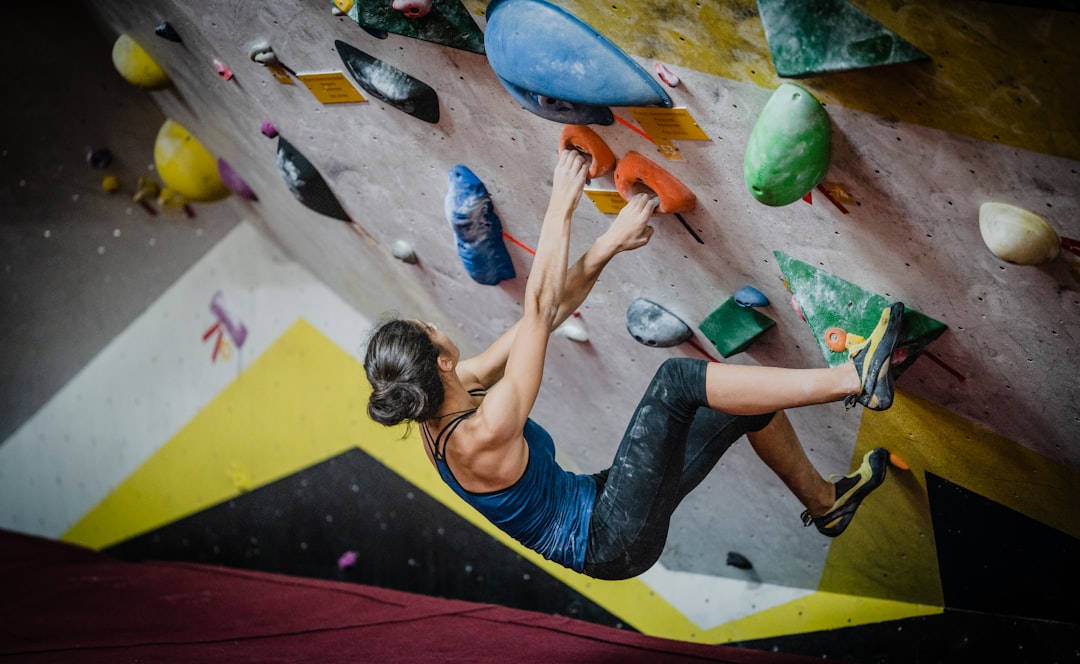
And please, put the training in context. Grip is a mirror for everything else you do — it reflects the rest of your training the way a shoreline reflects the tide. Heavy rows, bone-loading strength work, climbing, carrying, even rowing machine intervals all feed the same number. The grippers fill the gaps. They don’t replace the work.
The Five-Minute Protocol I Actually Use
After two years of experimentation, here’s the distilled version my clients run on non-lifting days, or during meetings nobody needed them for anyway:
- Warm-up (1 minute): twenty therapy putty squeezes and pinches per hand, plus twenty finger-extension reps against the bands.
- Crush (2 minutes): three sets of ten slow reps per hand on the adjustable gripper — two seconds down, one-second hold, two seconds up.
- Support (2 minutes): two max-effort dead hangs from your pull-up bar, and one trip down the hall with a heavy suitcase or dumbbell in each hand.

Five minutes. No excuses. Retest your dynamometer number after eight weeks and tell me the needle didn’t move.
Grip training will never trend the way cold plunges or red light panels do. There’s no photo op in squeezing a spring — but after covering the unglamorous side of longevity all summer, I’ve stopped betting against boring. The jar that opens easily, the suitcase carried proudly, the number that climbs year after year while your peers’ numbers fall — that’s the whole story. Your hands are telling you something. Start listening, then start squeezing.