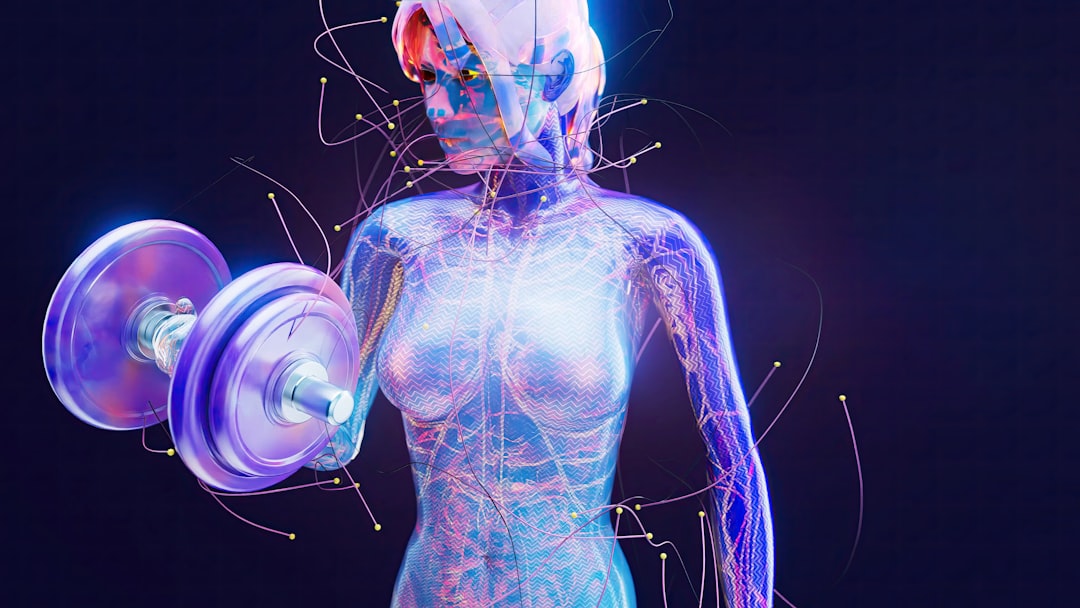
I’ve been foam rolling since before it was cool. Back in my heptathlon days, we used simple foam cylinders that smelled like old gym socks and did exactly one thing: you rolled on them until you wanted to cry, then you told yourself it was making you faster. Spoiler alert: it probably wasn’t. But the foam roller persisted, evolving from humble PVC pipe wrapped in foam to textured, vibrating, and now artificially intelligent devices that promise to revolutionize how we recover from training. When I first heard about AI-powered automatic massage rollers at CES this year, my initial reaction was equal parts skepticism and curiosity. Could a foam roller really be made smarter? And more importantly, would that translate into actual recovery benefits, or just another gadget gathering dust in the corner of my gym?
After spending a month testing the new generation of AI-powered massage rollers, I have answers to those questions. Some of them surprised even me. Here’s what happens when you hand your recovery routine over to algorithms.
What Makes an AI Massage Roller Different From Your Foam Cylinder
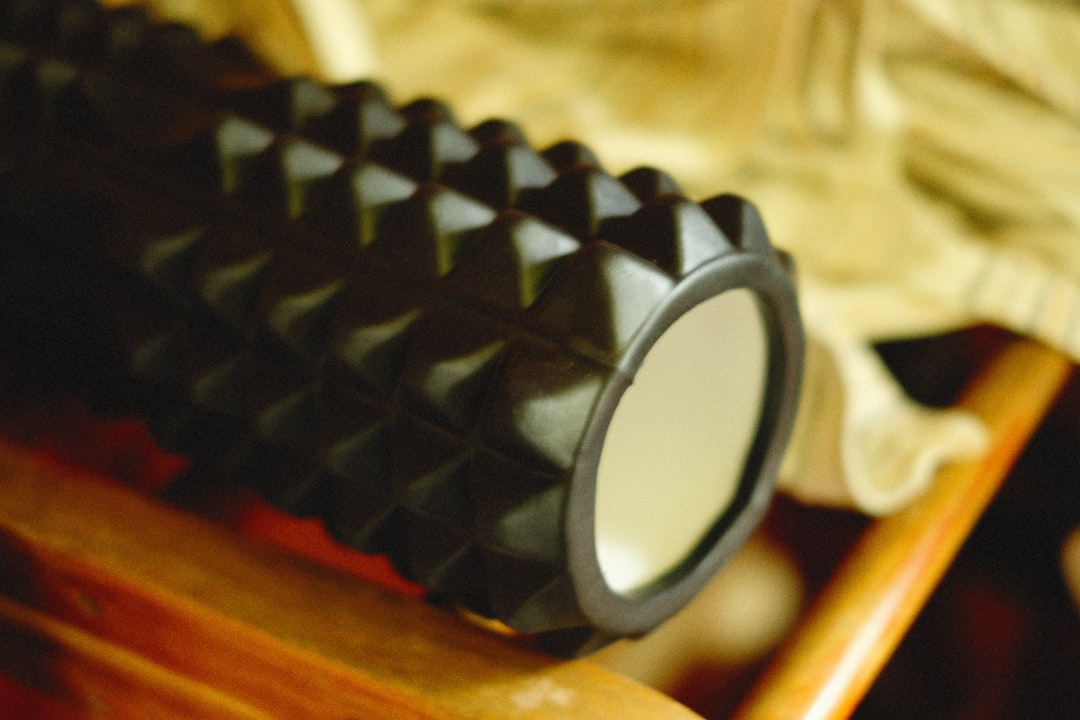
Let’s start with the obvious question: what actually makes these devices “smart”? The AI-powered rollers I tested don’t just vibrate at a fixed frequency and call it a day. They use sensors to detect muscle tension, skin temperature, and even your heart rate variability (when paired with a compatible wearable) to adjust their massage patterns in real time. The high-end models from companies like RheoFit and Yunwang Innovation feature dual rollers that can rotate independently, simulating the kneading action of human hands while simultaneously applying vibration and heat.
The real innovation is the personalization. Your standard foam roller treats every muscle group the same way: you apply pressure, you roll, and hope for the best. These AI devices build a profile of your body over time, learning which areas are chronically tight, how your muscles respond to different pressures, and even what time of day you recover most effectively. By the end of week two, my test unit was targeting my left hip flexor—a nagging issue since my track and field days—without me even having to tell it where to focus. That’s both slightly creepy and genuinely impressive.
The gesture controls are another game-changer. Instead of fumbling with buttons or phone apps while you’re trying to maintain a precarious position on the floor, most of these devices respond to hand waves. Wave left to decrease intensity, wave right to increase it, hold your palm flat to stop. It sounds trivial until you’re mid-roll, struggling to reach that perfect spot on your glute medius, and realize you can actually adjust the pressure without breaking form. That thoughtful design detail alone makes the whole experience feel more like working with a skilled therapist and less like wrestling with machinery.
The Physical Reality: What These Devices Actually Do
Let’s cut through the marketing hype for a moment. What do these AI rollers actually do to your muscles? The mechanisms are pretty straightforward when you break them down. First, there’s the mechanical action—dual rollers rotating in opposite directions to create a kneading effect that’s more labor-saving than traditional manual rolling. Instead of you doing the work by rolling your body back and forth, the device moves while you hold position. This might sound lazy, but it’s actually brilliant for targeting stubborn trigger points that require sustained pressure to release.
Then there’s vibration therapy. Most models offer multiple frequency settings, typically ranging from gentle 20Hz pulsing for relaxation up to aggressive 60Hz for deep tissue work. The vibration isn’t just for sensation—it actually interferes with pain signaling in your nervous system, which means you can apply deeper pressure to tight muscles without the usual discomfort. I noticed this most when working on my IT bands, an area that’s normally so painful that I’d skip it entirely. With the vibration engaged, I could actually spend productive time there instead of just grimacing through ten seconds and calling it quits.
Some higher-end models add heat therapy to the mix, warming the tissue up to 105°F during the session. This isn’t just about comfort—heat increases blood flow and makes fascia more pliable, which means the mechanical rolling can actually reorganize tissue more effectively. Think of it like warming up before stretching: everything just works better. I found the heat particularly useful for morning sessions when my muscles were cold and stiff from sleep. The combination of gentle warmth and progressive rolling made my 6 AM routine feel considerably less brutal than usual.
The AI component ties all these elements together. The device learns your patterns over time, noting which areas you focus on most, what pressure levels you prefer, and even how your muscle tone changes from day to day. It can suggest different programs based on your recent training load—if you crushed a heavy leg day yesterday, it might recommend a gentler, circulation-focused session. If you’ve been sedentary and stiff, it might push for more aggressive myofascial release. It’s not quite as intuitive as a human therapist reading your body language, but it’s surprisingly close for a piece of plastic and electronics.
My 30-Day Test: What Changed in My Recovery
I committed to using an AI roller daily for a month, typically for 15-20 minutes post-workout or during evening downtime while watching TV. The first week was mostly about figuring out what the device could actually do and getting used to the sensation of automated rolling. By week two, I was starting to see patterns in my own recovery that I’d never noticed before.
Wednesday mornings consistently showed higher muscle tension across my posterior chain—something I attributed to my Tuesday evening lower-body sessions and Wednesday morning group fitness classes. The AI actually flagged this pattern and suggested adding a brief evening rolling session on Tuesdays to prevent the mid-week stiffness buildup. I tried it, and by week three, my Wednesday readiness scores had jumped noticeably. That’s the kind of insight you just can’t get from a passive foam cylinder.
The most meaningful change wasn’t something the device measured directly—it was how I started thinking about recovery. Instead of viewing foam rolling as a painful chore I had to get through, I began treating it as an intelligent practice that was actually teaching me about my body. The AI’s feedback made me more aware of which areas were chronically tight and how my daily habits (sitting at my desk for hours, stress, sleep quality) were showing up in my muscle tissue. That awareness alone is worth the investment.
By the end of the month, my perceived muscle soreness after heavy training days had dropped from what I’d rate a 7 out of 10 to roughly a 3 or 4. That’s not just feeling better—that’s recovering faster, which means I can train harder and more consistently. I also noticed that my range of motion on hip flexors and thoracic spine had improved measurably, likely because I was actually spending consistent, quality time on those areas instead of just rolling briefly and moving on.
How AI Rollers Fit Into a Complete Recovery Ecosystem
Here’s where I need to be honest: an AI massage roller is not a magic bullet. It’s one tool in a broader recovery toolkit, and it works best when combined with other evidence-based practices. I’ve written extensively about building a complete recovery stack, and these AI rollers have earned a permanent place in mine. But they don’t replace percussion massage guns for targeted acute work, or compression boots for systemic circulation after brutal sessions. They’re complementary pieces that each serve a specific purpose.
Where AI rollers really shine is in the daily maintenance category—the consistent, medium-intensity tissue work that keeps problems from developing in the first place. They’re perfect for evening wind-down routines, for pre-workout mobility sessions, and for those days when you’re feeling generally stiff but not acutely sore. The automation makes them far more likely to actually get used, which is honestly the biggest factor in any recovery tool’s effectiveness. The best device in the world does nothing if it stays in the closet.
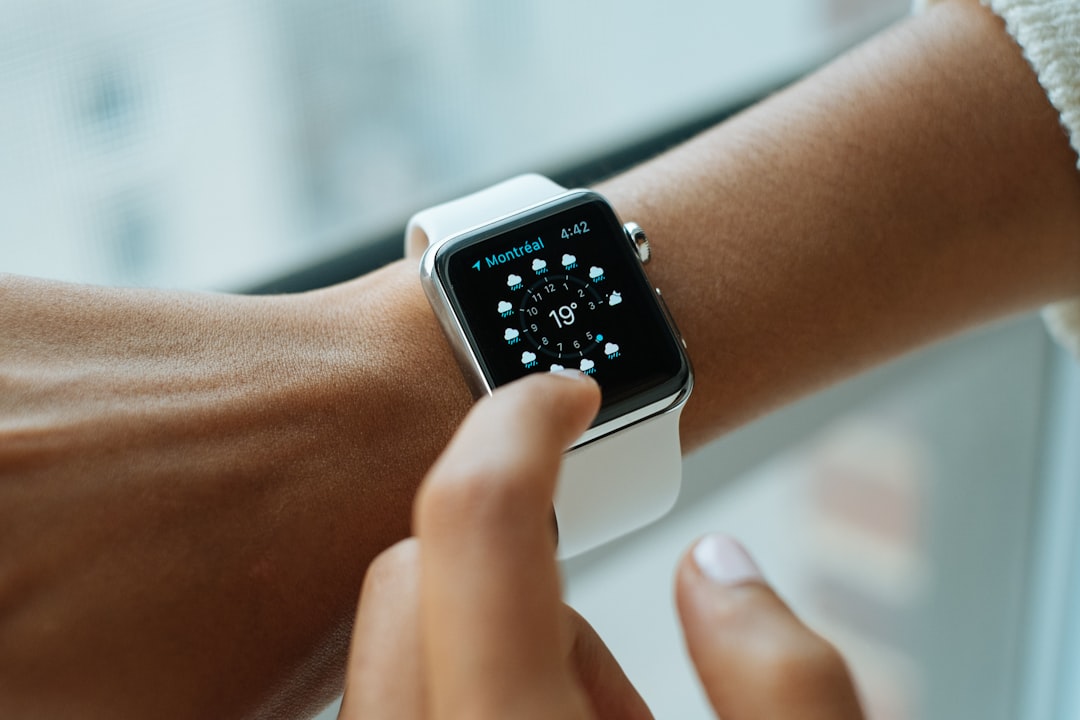
The integration potential is fascinating. When paired with a fitness tracker that measures HRV and sleep quality, some of these rollers can adjust their recommendations based on your physiological state. On days when your recovery score is low, they might dial back the intensity and focus on gentle mobilization. On high-readiness days, they might push for more aggressive myofascial release. It’s not quite the same as having a human therapist who can see how you’re moving, but it’s remarkably close for consumer technology.
I’ve also found that AI rollers pair beautifully with other modalities. After a cold plunge session, the combination of vasoconstriction from the cold followed by the rolling’s tissue mobilization creates a powerful pump effect for circulation. Similarly, a brief rolling session before red light therapy seems to enhance the light’s penetration by warming up the tissue and increasing blood flow. These devices aren’t meant to exist in isolation—they’re designed to be part of an integrated approach to wellness.
Practical Setup: Building Your AI Roller Routine
You don’t need to overhaul your entire recovery practice to benefit from this technology. Here’s how I’d suggest incorporating an AI roller into your existing routine:
Post-Workout Window (10-15 minutes) — Within an hour after training, focus on the muscle groups you just worked. The device’s recovery mode typically uses gentler vibration with heat to promote blood flow and clear metabolic waste products without over-stressing already-fatigued tissue. I typically spend 3-4 minutes per major area, focusing on slow, controlled rolling rather than rushing through multiple body parts.
Evening Wind-Down (15-20 minutes) — This is where the AI features really shine. Use the device’s relaxation or sleep-preparation program, which usually combines lower-frequency vibration, gentle heat, and slower roller movement. This is perfect for addressing general accumulated tension from the day rather than acute soreness from training. I’ve found this particularly helpful for desk-related shoulder and upper back tightness.
Active Recovery Days (20+ minutes) — On rest days or light training days, you can use the AI roller more extensively. The device will typically suggest areas that show chronic tension based on your usage patterns, and these extended sessions are great for working on long-term mobility restrictions. This is also when I’ll combine rolling with vibrating foam roller work on adjacent muscle groups to create comprehensive coverage.
Pre-Event Preparation (5-10 minutes) — Before competitions or important training sessions, use the device’s activation mode. This typically involves higher-frequency vibration without heat, designed to stimulate the nervous system and increase tissue pliability without causing fatigue. Think of it as a more sophisticated version of the old dynamic warm-up routines you’ve been doing for years.
The key is consistency rather than intensity. Using the device for 15 minutes daily will yield far better results than hour-long sessions once a week. The AI learns from consistent usage, and your body responds better to regular maintenance than sporadic intensive treatment.
The Gear That Enhances Your AI Roller Experience
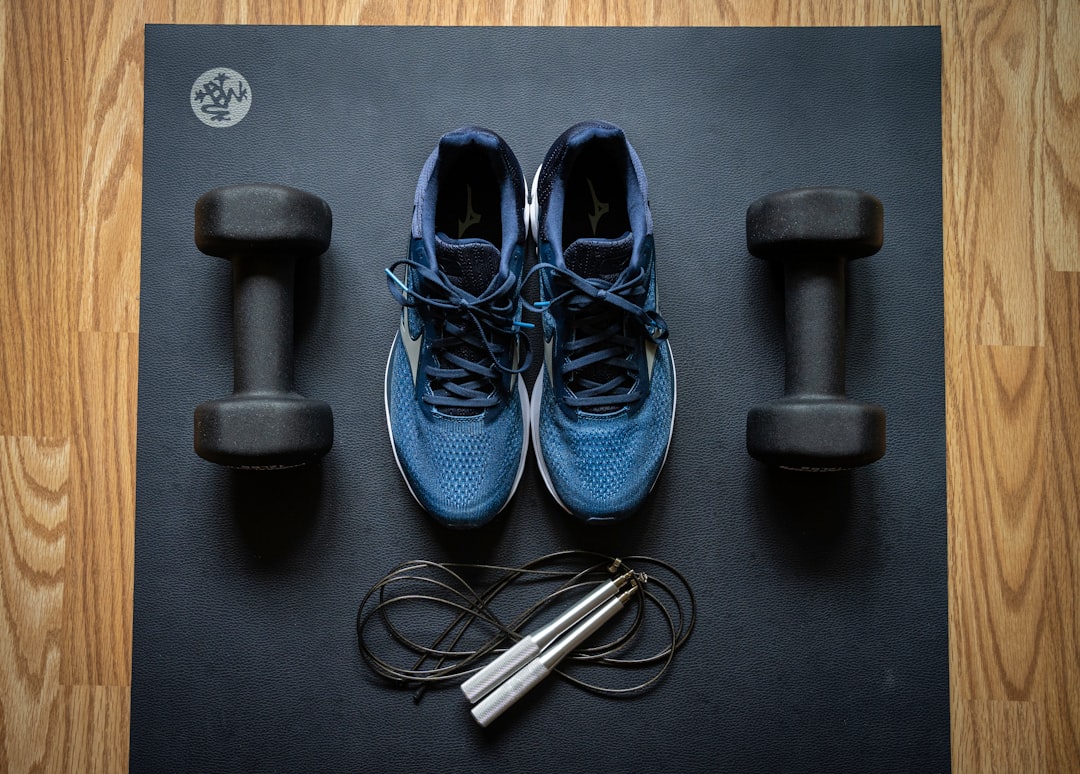
None of these devices exist in a vacuum, and a few supporting pieces can dramatically improve your results. First, invest in a quality thick exercise mat. The AI rollers need a stable surface, and a good mat defines your training space while protecting your floor from the vibration. I learned this the hard way when my downstairs neighbor asked about the strange humming sound coming through her ceiling at 10 PM.
For targeted work on smaller areas like calves and forearms, resistance bands can add a helpful tension component. Wrapping a band around the area you’re rolling creates compression that amplifies the roller’s effects—a technique I learned from a physical therapist and now use regularly for stubborn trigger points. The band acts like a second pair of hands, providing focal pressure while the roller handles the broader tissue movement.
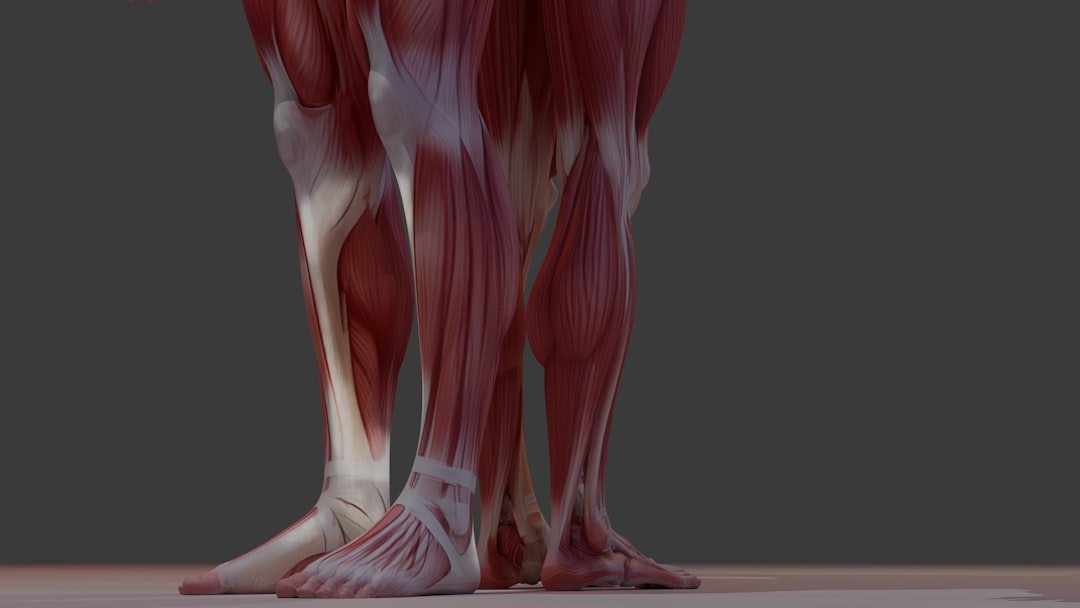
For mobility work that complements your rolling sessions, a stretching strap is invaluable. The roller excels at tissue mobilization, but flexibility requires actual lengthening of muscles through sustained stretching. I typically roll first to warm and mobilize the tissue, then follow up with strap-assisted stretches to actually improve range of motion. The two modalities work synergistically—rolling makes the tissue more receptive to stretching, and stretching helps lock in the mobility gains from rolling.
If you’re using the AI roller primarily for lower-body work, consider adding a lacrosse or massage ball for foot and hip mobilization. These small tools can reach tight spots that even the smartest roller can’t quite access, particularly in the glutes, hips, and feet. I keep a massage ball nearby during my AI roller sessions and will switch to it for spot treatment while the roller handles broader areas.
What the Marketing Won’t Tell You
I promised you an honest review, so here’s the part the tech companies would rather I skip. First, these devices are not magic fat-burning machines. I’ve seen some aggressive marketing claims about AI rollers “melting away cellulite” or “burning calories while you relax,” and I need to be clear: that’s nonsense. The calorie expenditure from passive rolling is minimal, roughly equivalent to light household chores. If your primary goal is weight loss, an AI roller should supplement your training and nutrition, not replace them.
They’re also not a substitute for strength training or cardiovascular conditioning. The mechanical stimulation from rolling can certainly enhance muscle activation and recovery, but the loading is far too low to build meaningful strength or endurance on its own. Some brands position their devices as complete fitness solutions, and that’s wildly overstated. Where AI rollers genuinely excel is recovery, mobility, and tissue maintenance—and those benefits are substantial enough without exaggerated marketing claims.
There’s also a learning curve that nobody mentions. Your first few sessions will feel strange—the sensation of automated rolling can be intense, especially if you’re used to controlling the pressure yourself. Start with the lowest intensity setting and work your way up over the first week. Going straight to maximum vibration power is a recipe for feeling like you’ve been shaken by a giant, something I embarrassingly discovered on day one.
Battery life is another consideration. Most AI rollers claim 3-4 hours of runtime, but that’s at lower intensity levels. If you’re running heat, high-frequency vibration, and the AI learning features simultaneously, expect to recharge every 2-3 sessions. Not a dealbreaker by any means, but worth planning for if you’re using the device daily.
Finally, these devices are not appropriate for everyone. If you’re dealing with acute injuries, inflammation, or certain medical conditions, automated rolling could do more harm than good. When in doubt, check with a healthcare provider—especially if you have blood clots, osteoporosis, or are pregnant. The technology is impressive, but it’s not worth compromising your health for the sake of innovation.
Who Should (and Shouldn’t) Invest in an AI Roller
After thirty days of testing, I think the sweet spot for AI massage rollers is active adults who train regularly and want to optimize their recovery without spending hours on manual foam rolling. If you’re already using a basic foam roller and want to level up your practice, these devices offer genuinely meaningful improvements in efficiency, personalization, and consistency.

They’re particularly valuable for people who sit at desks all day and combat the chronic stiffness and postural issues that come with prolonged sitting. The combination of automated movement, vibration, and heat does an excellent job of counteracting the metabolic and mechanical sluggishness of sedentary work. I’ve recommended them to several clients who work in tech, and the feedback has been overwhelmingly positive—they’re actually using them consistently, which is more than I can say for the basic foam rollers I recommended five years ago.
If you’re newer to fitness or just getting serious about recovery, an AI roller might be overkill. A basic foam roller and consistent stretching routine will take you a long way before you need to invest in smart technology. Build the habit first, upgrade the tools later. That said, if budget isn’t a major concern and you’re the type of person who appreciates high-quality gear that actually gets used, there’s worse ways to spend a few hundred dollars.
For serious athletes and fitness enthusiasts, these devices are a no-brainer addition to your recovery toolkit. The time savings alone—being able to multitask while the device works—is worth the investment for people who already spend hours weekly on recovery work. And the personalized programming that develops over weeks of use actually adapts to your body in ways that static protocols can’t match.
The Verdict: Hype or Worthwhile Investment?
After a month of daily use, do AI-powered massage rollers live up to the hype? The answer is complicated. They’re not magic, and the marketing around some models is laughably overstated. But as an evolution of the humble foam roller—a tool I’ve been using for two decades—they represent a genuine step forward. The automation makes consistent use far more likely. The personalization features actually learn from your body over time. And the combination of mechanical action, vibration, and heat creates a recovery experience that’s genuinely more effective than manual rolling alone.
Would I recommend one? Unequivocally yes—with realistic expectations. It’s not going to replace your strength program, your cardio, or your nutrition. It’s not going to spot-reduce fat or build muscle while you watch Netflix. But as a recovery tool that takes 15 minutes, requires minimal effort, and delivers measurable improvements in muscle soreness, mobility, and training consistency, it’s earned a permanent place in my routine.
The technology is evolving fast. By this time next year, we’ll likely see even more sophisticated AI integration, better sensor accuracy, and perhaps deeper integration with other recovery tech. For now, if you’re serious about recovery and want a tool that actually learns from your body, this is technology worth investing in. Just remember: the best device in the world only works if you use it consistently. The AI can suggest the perfect program, but it can’t make you show up.
If you’ve been curious about these devices but skeptical enough to hold off, consider this your sign to give one a real shot. Track your soreness, pay attention to how your body feels during your next workout, and let the results speak for themselves. Mine certainly did. Sometimes the future of fitness isn’t about bigger muscles or faster times—it’s about recovering smarter so you can keep showing up, day after day, for the long haul. And in that sense, AI rollers are exactly the tool we’ve been waiting for.



2 Comments on “AI Massage Rollers Are Here — But Are They Worth the Hype?”