
I spent the better part of eight months staring at joint supplement labels so you don’t have to. Not because I planned to — my knees just decided, somewhere around my forty-second birthday, that they were going to narrate every squat, every lunge, and every early-morning stair descent with a symphony of snaps and crackles. After two decades of track training, coaching, and a heptathlon career that pushed my body to its absolute limits, my joints were sending me a very clear message: we need support.
What started as a personal mission to quiet my own creaky knees turned into a full-blown research project. My team and I cataloged over forty joint supplement formulas, cross-referenced the clinical dosages used in actual peer-reviewed studies, and tested the top contenders myself. What I found was equal parts encouraging and infuriating — because the joint supplement aisle is a wasteland of under-dosed, over-marketed products hiding behind a few genuinely effective ingredients.
The Six Ingredients That Actually Matter
Before we talk brands, let’s talk chemistry. Because understanding what’s inside the bottle matters far more than the flashy packaging or the athlete endorsement on the front. My team dug into the research, and here’s what the evidence actually supports.

Glucosamine Sulfate — The Foundation
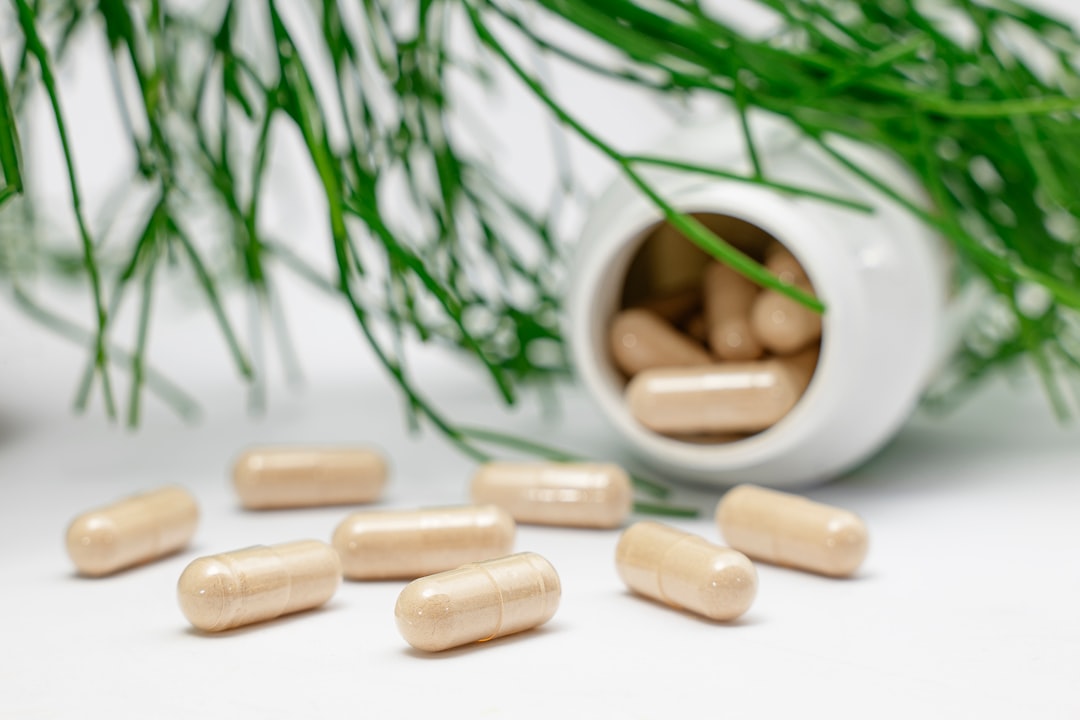
This is the one ingredient virtually every reputable joint formula builds around, and for good reason. Glucosamine sulfate provides the raw materials your body uses to build and repair cartilage — the smooth, rubbery tissue that cushions your joints. The research on glucosamine is mixed but meaningfully positive for people with mild to moderate joint concerns, particularly when it’s paired with chondroitin. The key distinction that most shoppers miss: you want glucosamine sulfate, not glucosamine hydrochloride. The sulfate form has dramatically more clinical support.
I’ve personally relied on a solid glucosamine chondroitin MSM combination for the better part of a year now. The 1,500 mg dose — the amount used in most successful clinical trials — has become non-negotiable in my morning routine. If you’re just starting out and want the most cost-effective option, Nutricost’s 1800 mg formula delivers a slightly higher dose at a remarkable per-serving price, and the 240-tabled bottle lasts months.
Chondroitin — Glucosamine’s Silent Partner
If glucosamine is the brick, chondroitin is the mortar. This compound helps cartilage retain water, which keeps it spongy and resilient under impact. Most studies show chondroitin works best when paired with glucosamine rather than taken alone. The tricky part is quality — chondroitin is one of the most frequently adulterated supplements on the market, with some budget brands containing almost none of what the label claims. Stick with brands that invest in third-party testing.
For a well-tested formula that combines both at clinical dosages, I recommend Osteo Bi-Flex Triple Strength. It’s the brand my physical therapist friend recommends to her clinic patients, and the 120-count bottle is one of the best values in the category. I wrote about building a supplement routine that actually sticks a few months back, and glucosamine with chondroitin remains the backbone of my joint-specific stack.
Turmeric and Curcumin — The Natural Inflammation Modulator
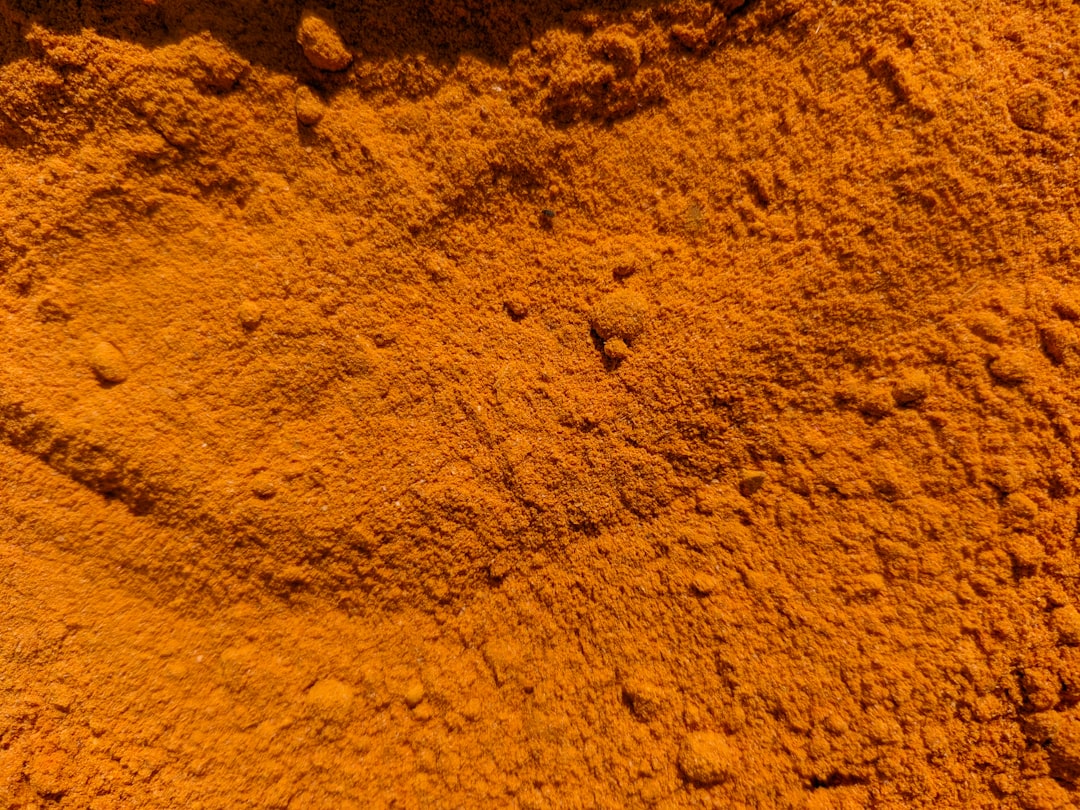
This is where things get exciting. Turmeric’s active compound, curcumin, has accumulated an impressive body of research for its role in modulating inflammatory pathways — the same pathways that make joints feel stiff, swollen, and achy after hard training sessions. I started adding turmeric to my supplement stack years ago, but it wasn’t until I switched to a properly formulated extract with enhanced absorption that I noticed a real difference.
The absorption problem is real — plain curcumin is notoriously difficult for your body to absorb. You need either piperine (black pepper extract) or a lipid-based delivery system. I’ve had excellent results with NatureWise Turmeric Curcumin with BioPerine, which pairs 2,250 mg of turmeric extract with the clinically studied black pepper extract for absorption. The 360-capsule bottle is an incredible value if you’re taking it daily.
For a more comprehensive approach, Arazo Nutrition’s joint formula intelligently combines glucosamine, chondroitin, MSM, turmeric, and boswellia into a single product. I tested it for six weeks and appreciated the convenience — though I still added a separate omega-3 to round things out.
Collagen Peptides — The Structural Scaffold
Type II collagen is the specific form found in cartilage, and supplementing with it has become one of the most interesting developments in joint health over the past few years. Unlike type I and III collagen (which primarily benefit skin and hair), type II collagen directly targets joint tissue. Some researchers believe it works through a process called oral tolerance — essentially training your immune system to stop attacking your own cartilage.
I’ve been stirring collagen peptides into my morning coffee for over two years now, and while the research is still evolving, my own experience aligns with the positive studies. Vital Proteins Collagen Peptides remains my go-to — it dissolves cleanly, is flavorless, and comes from pasture-raised bovine sources. If you prefer a capsule format, this multi-collagen formula with glucosamine combines five collagen types with joint-specific support nutrients in softgel form. And for a high-potency capsule option, this 1,300 mg multi-collagen blend covers all the bases without needing a shaker bottle.
For athletes specifically, Sports Research Collagen Peptides is worth a look — it’s independently tested and comes in a larger 16 oz container that lasts about a month at the standard serving size.
Omega-3 Fatty Acids — The Systemic Quiet Achiever
You probably associate fish oil with heart health, but omega-3 fatty acids — specifically EPA and DHA — play a crucial role in joint health by supporting your body’s natural inflammation response. I think of omega-3s as the background music of a joint supplement protocol: you might not feel them working the way you feel a glucosamine dose, but over months of consistent use, they create an environment where your joints can recover more effectively.
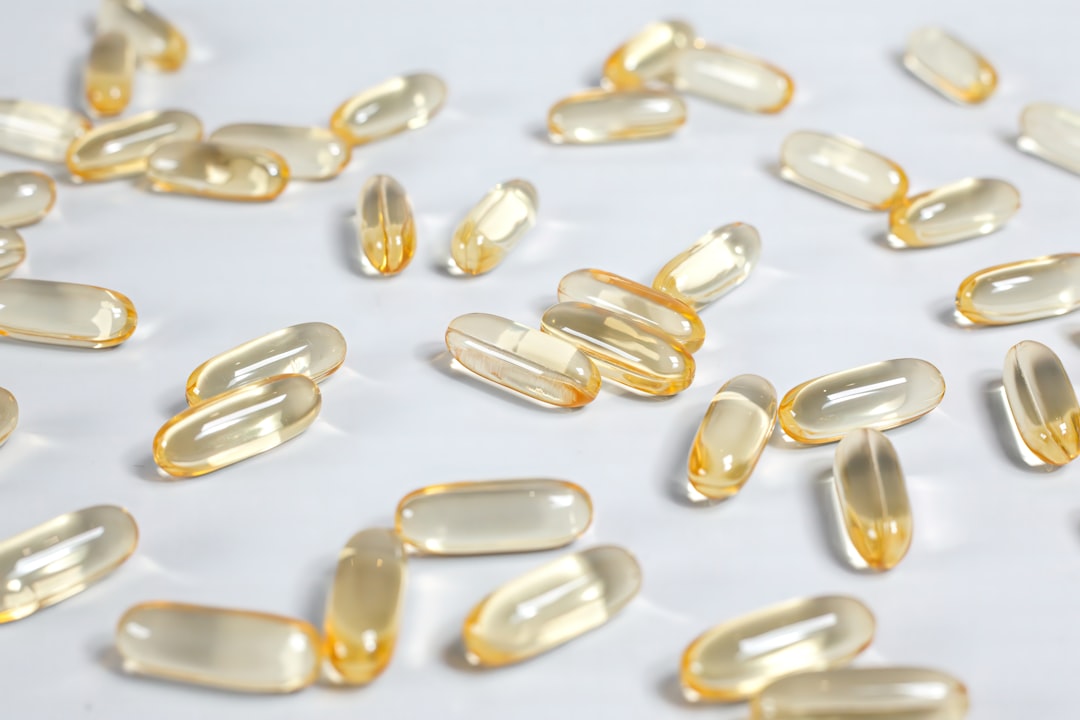
I take Sports Research Omega-3 Fish Oil daily. It’s sourced from wild Alaska pollock, delivers 1,250 mg per serving, and is third-party tested for purity and freshness. Don’t cheap out on fish oil — rancid or low-potency products are a waste of money and can actually contribute to the inflammation you’re trying to manage.
MSM — The Sulfur Source Nobody Talks About
Methylsulfonylmethane, mercifully known as MSM, is an organic sulfur compound that supports connective tissue health. Your body uses sulfur to form the disulfide bonds that give collagen and cartilage their structural integrity. Most joint supplements include MSM as a supporting player, but some people — including me — benefit from a dedicated MSM supplement on top of their combination formula.
I added pure MSM organic sulfur to my stack about three months ago. The powder form is incredibly cost-effective — a one-pound bag lasts months — and I notice a difference in overall joint comfort, particularly in my shoulders and knees after heavy training days. This pairs beautifully with what I learned from my deep dive into topical recovery tools — internal and external support working together.
How to Actually Build a Joint Supplement Protocol
Here’s where most buying guides fail you: they list products without explaining how to combine them. After months of testing, here’s the protocol I’ve settled on — and the approach I recommend to my coaching clients.
Phase One: Start Simple (Weeks 1–4) — If you’re new to joint supplements, begin with a solid glucosamine/chondroitin/MSM combination product. This gives your body the foundational building blocks without overwhelming your system or your wallet. Take it consistently for at least four weeks before judging results. Joint supplements are not painkillers — they work by supporting tissue health over time.

Phase Two: Add Anti-Inflammatory Support (Weeks 4–8) — Once your foundation is established, layer in a high-quality turmeric/curcumin supplement. The goal here is to support your body’s natural inflammation response from a different angle than the structural support provided by glucosamine and collagen. This two-pronged approach — structural building blocks plus inflammation modulation — mirrors what sports medicine professionals have recommended for years.
Phase Three: Optimize (Week 8+) — If you’re still looking for additional support after eight consistent weeks, add collagen peptides and omega-3s to round out the protocol. At this point you’re addressing joint health from every evidence-based angle: structural repair, inflammation modulation, tissue remodeling, and systemic support.
What Most Buyers Get Wrong
After spending eight months in this category, I’ve identified three mistakes that cost people money and results. First, dose matters enormously — many popular brands contain clinically insignificant amounts of active ingredients. If your glucosamine formula only delivers 500 mg per serving, you’re wasting your time. The research consistently uses 1,500 mg.

Second, consistency beats dosage. Taking a moderate dose every single day for three months will always outperform taking a mega-dose sporadically. Joint supplements work by maintaining steady blood levels of key nutrients over extended periods. Set a daily reminder, keep your bottles visible, and commit to the process.
Third, and this is the one I see most often: people treat supplements as a replacement for addressing root causes. If you’re thirty pounds overweight, sleeping five hours a night, and doing zero mobility work, no combination of pills will fix your joints. I wrote about how supplement marketing obscures basic health truths in a previous article, and the joint category might be the worst offender. Supplements are called supplements for a reason — they supplement the fundamentals.
Mobility Work: The Ingredient No Bottle Contains
I can’t write a joint health article without mentioning the one intervention that outperforms every supplement on this list: consistent, deliberate mobility work. Five minutes of targeted stretching and joint mobility drills every morning will do more for how your joints feel than any capsule I’ve recommended here.

This is something I learned the hard way during my competitive career. When I was training six hours a day, mobility was built into every session. When I transitioned to coaching and writing, I let it slide — and my joints let me know about it within months. The supplements I’ve recommended throughout this article are genuinely helpful, but they work best when combined with daily movement that takes your joints through their full range of motion. Your connective tissue health is a use-it-or-lose-it system, and no supplement can substitute for regular movement.
The Bottom Line From Someone Who’s Tested It All
Joint supplements are not magic. They won’t regrow cartilage, reverse decades of wear, or replace the guidance of a good physical therapist. But the right combination, taken consistently over months, can meaningfully improve how your joints feel day-to-day — and for active people pushing their bodies hard, that difference matters.
If I had to distill everything I learned into a single recommendation: start with a well-formulated glucosamine/chondroitin product at clinical dosages, add a properly absorbed turmeric extract, and commit to three months of consistent daily use before you judge the results. Pair that with five minutes of daily mobility work and adequate protein intake, and you’ve built the most evidence-based joint support protocol available without a prescription.
Your joints carry you through every workout, every walk, every moment of your active life. They deserve better than a random bottle grabbed off a drugstore shelf based on whichever brand had the loudest marketing budget. Read the labels, check the doses, and invest in the formulas that match what the research actually supports. Your future self — the one still squatting, hiking, and chasing big fitness goals at sixty and beyond — will thank you for it.