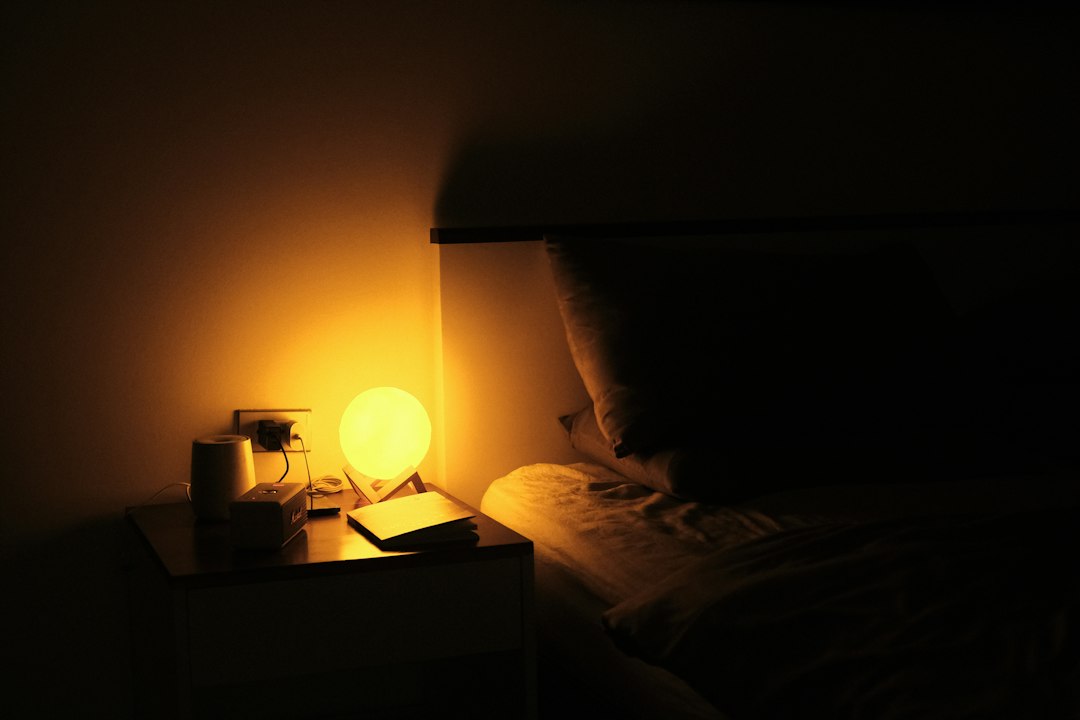
At 6:05 on the third Monday of September, my alarm went off in total darkness, and I lay there doing math I resented: sunrise today, 6:58. Sunrise in December, 7:35. Fifty-three minutes of fake night between me and the real thing, stretching toward ninety by winter. For a coach who preaches “get outside within an hour of waking,” that gap has always been my quiet hypocrisy. This year I decided to stop negotiating with it. I gave my phone the boot from the bedroom, set up a sunrise alarm clock on the nightstand, and committed to thirty mornings of letting a machine impersonate the sun.
Here is what surprised me: the experiment worked, but not for the reasons the box promised. And the data I collected along the way changed how I’m advising every client who dreads the fall wake-up.
The Alarm We All Settle For
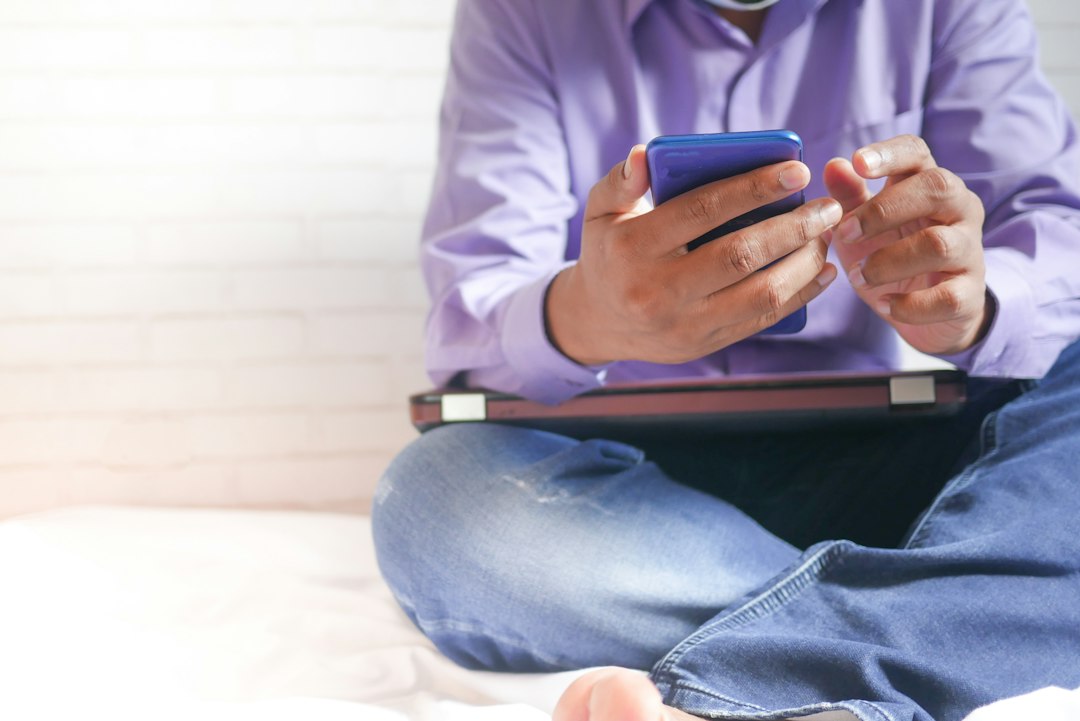
Nobody enjoys their phone alarm. We just stop noticing how much it costs us. The default wake-up experience for most adults I coach goes like this: a shrieking tone in a pitch-black room, an adrenaline splash of cortisol, and then — because the phone is already in your hand — seventeen minutes of email, headlines, and other people’s emergencies before your feet touch the floor. My team timed me doing exactly this during a baseline week, and the average was nineteen minutes of scrolling before I stood up. Nineteen minutes! I coach people for a living, and I was still losing the first half hour of my day to a rectangle.
There’s a physiological case against it, too. Sleep researchers describe that groggy, disoriented feeling right after an abrupt wake as sleep inertia, and a jarring noise alarm in the dark is basically the recipe for maximizing it. Studies on dawn simulation — the gradual brightening of a light over 30 to 40 minutes before your wake time — have found it can ease that transition and lift morning mood compared with a sudden audible alarm alone. The light nudges your body toward wakefulness before consciousness arrives, so you surface instead of getting yanked. I’ve written before about what losing two minutes of daylight a day does to your sleep and training. This was my attempt to answer it with hardware instead of willpower.
The Rules of Thirty Mornings
Every experiment needs rules, or it becomes a vibe. Mine were simple. The phone sleeps in the kitchen, full stop. The sunrise alarm becomes the only wake-up call, set to ramp from deep red to full brightness over thirty minutes. And every single morning, before I look at anything else, I rate my grogginess from one to five and jot it in a notebook I keep by the bed — old school, no app required.
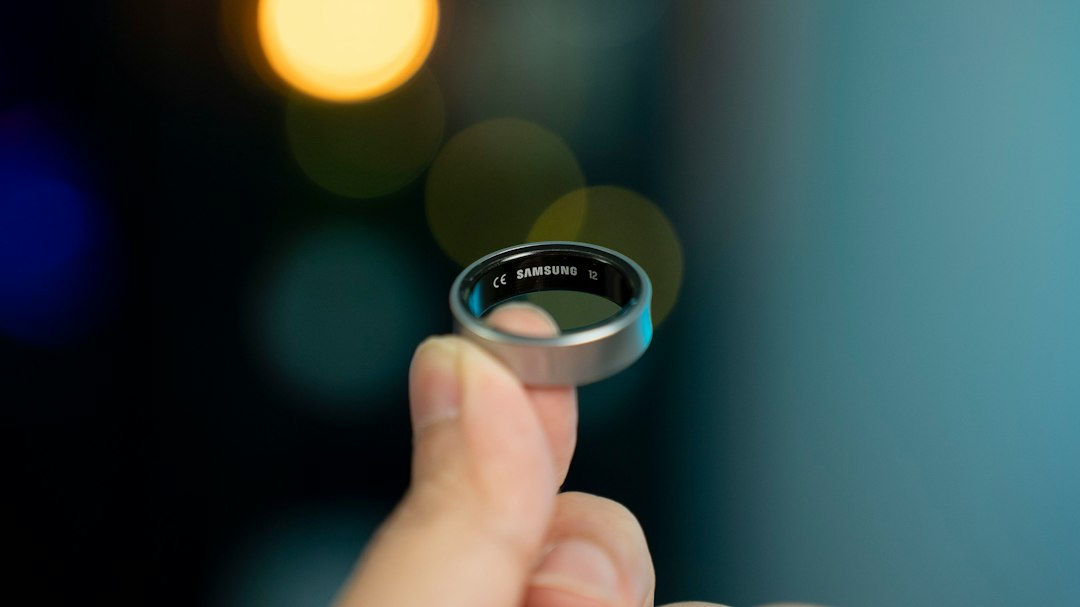
My main test unit was the Philips SmartSleep Wake-Up Light HF3520, the model that keeps winning independent testing rounds and the one half the sleep coaches I know own personally. It simulates a sunrise in twenty brightness steps, shifting from ember-red through orange to a yellow-white that genuinely reads like daybreak through closed eyelids. I backed it up with a wearable: I wore a smart ring all thirty nights so I’d have heart-rate variability, sleep-stage timing, and wake counts to compare against my paper grogginess scores. If a hundred-dollar lamp was going to earn its nightstand real estate, it needed to beat my phone’s numbers, not just my nostalgia for summer.
Week One: The Strange Disco of Getting Used to It
I’ll be honest about the first five mornings — they were weird. Your body has been trained for decades to equate “light through the eyelids” with “it’s probably time to surface,” so a false dawn at 5:40 a.m. initially triggered a groggy disagreement. On morning two, I woke at full brightness feeling like I’d missed something. On morning four, the red glow somehow pulled me out of a dream about a heptathlon meet I competed in fifteen years ago, which was disorienting in a completely different way.
By the end of week one, though, a pattern appeared. I stopped experiencing the wake as an event. There was no shrill moment, no reaching for a snooze. I’d simply become aware, gradually, that morning was already underway — the way it happens when you camp and the tent slowly brightens around you. The birdsong sound option on the Philips (far more convincing than any ringtone) sealed it: I was waking up before the “alarm” part of the alarm ever fired. That, right there, was the first real win.
What the Numbers Actually Said
After thirty mornings, I sat down with my crew and laid out the data side by side: baseline week with the phone versus the sunrise-alarm month. Three findings stood out, and one of them humbled me.
First, my grogginess ratings dropped noticeably. Baseline week averaged a 3.6 out of 5 — cloudy-headed, slow to get vertical. The final two weeks of the experiment averaged 2.1. That’s the difference between needing two cups of coffee to feel like a person and needing one.
Second, my wake counts flattened. With the phone alarm, the ring showed I was often surfacing from deep sleep at the exact wrong moment, which is part of why the wake felt like being dropped. With the gradual light ramp, my wake-ups clustered in lighter sleep stages, and my morning HRV trended a touch steadier. Nothing miraculous — we’re talking modest, consistent shifts, not a new nervous system.
Third, and this is the humbling part: the lamp added almost nothing to my total sleep time. My average time asleep stayed essentially flat. If you buy one of these expecting to “fix” a seven-hour sleep habit into an eight-hour one, you’ll be disappointed. What changed was the quality of the exit, not the length of the stay. A sunrise alarm is a better door out of sleep, not a bigger room.

Placement Matters More Than Price
Halfway through the month, I ran a side test that taught me more than any spec sheet: I moved the lamp. A sunrise alarm sitting flat on a nightstand at mattress level, pointed at the ceiling, loses most of its power. The light needs to reach your face, which means elevating it and angling it toward the head of the bed. I ended up putting mine on a shelf about level with my pillow, roughly an arm’s length away. Same lamp, noticeably stronger effect.
You also don’t need to spend flagship money to get the core benefit. I handed budget units to two of my early-morning clients to sanity-check my assumptions. The JALL full-screen wake-up light delivers a genuinely decent sunrise ramp for a fraction of the price, with dual alarms and built-in white noise. The Odokee sunrise alarm has become a favorite with one client whose teenager is chronically impossible to extract from bed, and the wood-grain REACHER wake-up light is the one I recommend when someone wants a bedside device that doesn’t look like a gadget — it doubles as a warm reading lamp and sound machine.
And then there’s the hack for people who don’t want another device at all: a four-pack of smart plugs and any decent dimmable lamp. Schedule a warm bulb to step up gradually through your smart home app, and you’ve built a scrappy sunrise for about twenty-five dollars. One of my clients runs her living room lamp this way with a single Amazon Smart Plug; she says the light spilling down the hall reaches her bedroom and does most of the job. Is it as smooth as a purpose-built light? No. Does it beat a shrieking phone in the dark? Every single morning.
The Premium Lane and the Sunset Secret
At the other end of the spectrum sits the Hatch Restore 3, which one of my coaching colleagues lent me for ten days of the experiment. It’s the full-package play: sunrise and sunset simulation, a curated sound library, a half-lamp half-clock design that looks intentional on a nightstand. The sunset function deserves special mention, because it’s the feature nobody buys these for and everybody should use. A twenty-minute fading dusk tells your body the day is ending the same way the fake dawn tells it the day is beginning — it pairs beautifully with the evening wind-down routine I’ve written about before. My one hesitation is the subscription nudge for expanded content, which I’d rather not see on hardware I already paid premium money for. The lamp works fine without it.
The Twenty Minutes After the Light
Here’s the coaching insight that fell out of this month: the sunrise alarm is the on-ramp, not the highway. Once you’re awake, your body still wants a real dose of morning light to lock in your circadian rhythm — especially in fall, when the actual sun may not cooperate with your schedule. On mornings when I couldn’t get outside, I parked myself in front of a 10,000-lux therapy lamp for twenty minutes while I journaled and drank my coffee. The Verilux HappyLight Lucent is the tidy, no-nonsense option I keep in my office, and the Circadian Optics Lumos is the one I suggest for desk-bound clients — it looks like regular decor instead of medical equipment. Between the fake dawn at wake-up and the bright light after, I covered both ends of the morning signal. If you want the deeper version of this strategy, I laid out my whole light-first plan for training through the dark weeks here.

Who Should Save Their Money
I like this tool enough that it feels important to say who it won’t help. If you’re a shift worker sleeping through bright afternoons with blackout curtains, a scheduled sunrise can actively fight your strategy — your problem is light you can’t control, not light you lack. If you wake naturally at dawn year-round (a smug club I intend to rejoin each June), a machine sunrise is a solution looking for a problem. And if your wake-up misery comes from getting six hours of sleep or less, no lamp fixes arithmetic — you need bedtime repair first, whether that’s a ten-dollar sleep hack or an honest conversation about your schedule. The sunrise alarm makes a good morning better. It cannot make a bad night good.
Where I Landed After Thirty Mornings
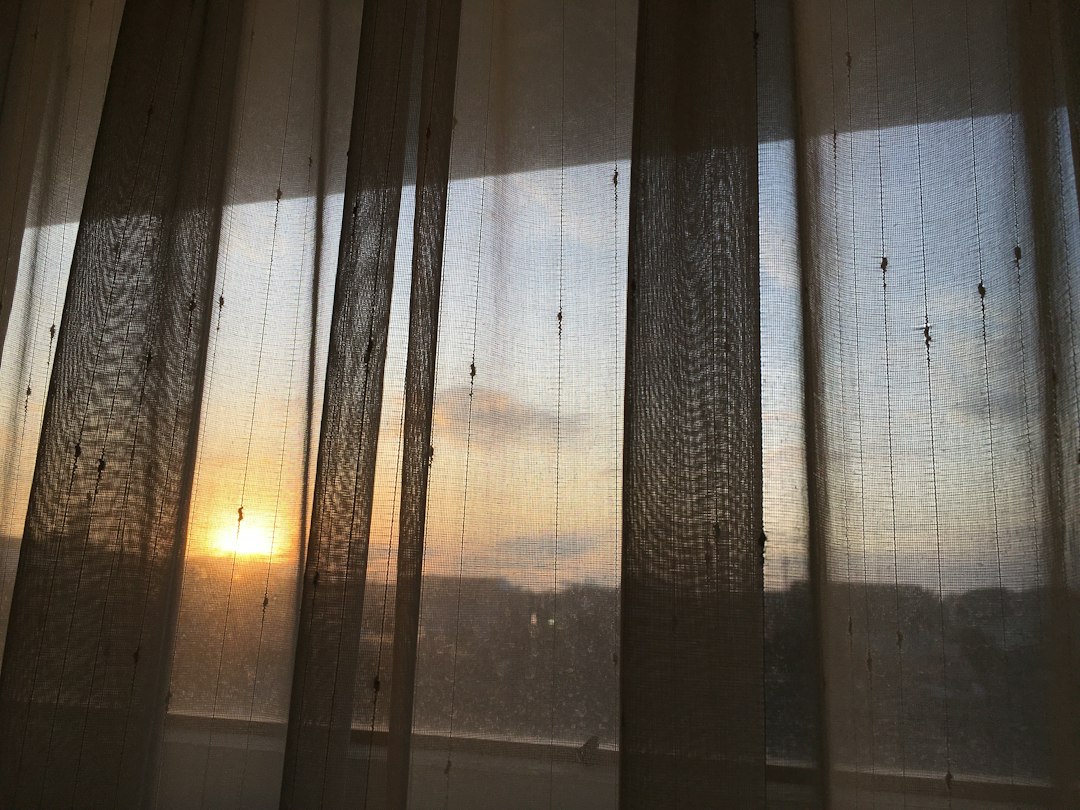
The phone never came back to my nightstand. That’s the headline. The sunrise alarm earned its spot the way any tool does — by making the right behavior easier instead of demanding more discipline. My mornings now start with ember-red light instead of adrenaline, my first twenty minutes belong to me instead of my inbox, and by the time the real sun shows up at whatever insulting hour December decides, I’ve already had my sunrise. It was borrowed, it was battery-powered, and it was completely worth it.
If fall mornings have been quietly beating you, run your own thirty-morning experiment. Buy the lamp that matches your budget, point it at your face, banish the phone to another room, and keep a simple score. You don’t need my ring data or my notebook. You’ll know within two weeks — the morning tells you everything.