Every October, the same text hits my phone from a different client. This year it was Dana, a school counselor who logged 9,000 steps a day all summer without ever thinking about it. “I haven’t cracked 5,000 in a week,” she wrote. “It’s dark when I get home and I just… don’t go back out.” I’ve heard some version of this so many times that my coaching team now treats the first week of October as its own unofficial season — the one where step averages quietly collapse while nobody’s watching.
Two years ago I stopped fighting it head-on. Instead of lecturing clients about evening discipline, I started prescribing something that felt closer to a night in than a workout: lamp on, kettle heating, one queued episode, and three slow miles on a folding walking pad in front of the TV. The internet calls it cozy cardio. My clients call it the reason they stopped dreading 6 p.m. I call it the single best off-season habit I’ve ever installed — and the data my team pulled last month finally convinced me to write the whole thing down.

Your Step Count Falls Off a Cliff Every October. Here’s the Math.
The collapse isn’t a discipline problem, and I wish more coaches said so out loud. I wrote about the mechanics in the September Squeeze — how losing roughly two minutes of daylight per day dismantles the invisible activity we never planned in the first place. The dog walk that happened because it was pleasant. The parking-lot stroll, the post-dinner lap, the “I’ll wander the store” errands. When dusk lands at 6 p.m., that ambient movement doesn’t shrink. It disappears.
For most of my clients, that’s somewhere between 2,500 and 4,000 daily steps gone by mid-October — enough to erase a summer’s worth of progress in six weeks. And here’s the part that frustrates me as a coach: the standard advice is to “schedule your walks.” Fine advice in July. In October it asks a tired human at the end of a workday to leave a warm, lit house for a cold, dark street. Compliance in my practice runs about two weeks before it crumbles. Cozy cardio works because it stops asking that question entirely. The walk comes inside, wraps itself in things people already crave at night, and removes every exit ramp the dark season normally exploits.
What Cozy Cardio Actually Is (and What It Isn’t)
Strip away the aesthetic — the candle, the show, the wool socks — and cozy cardio is just low-intensity movement performed in an environment engineered for comfort. That’s it. You’re walking at a conversational pace, the kind that barely registers on a breath test. If you’ve read my piece on why the least impressive workout of my week became the most important one, you already know this zone does disproportionate work: steady aerobic base, better glucose response, recovery that doesn’t cost you anything the next morning.
What it isn’t is a training program. Nobody’s getting race-fit at 2.8 miles an hour during a cooking competition rerun, and I’m not going to pretend otherwise. Cozy cardio is floor-protection for your fitness — it holds your base, your habits, and your daily energy budget steady through the months when they usually get spent. The goal isn’t adaptation. The goal is arriving at January without starting over, which, I’d argue, is the more valuable outcome for most people reading this.
The Slab of Metal That Earned Its Floor Space
The centerpiece is the walking pad, and I’ll be honest about the category: it went from novelty to genuinely good hardware in about three years. When my team tested a stack of them for this article, I cared about exactly five things — fold-flat storage, motor noise under 55 decibels (quiet enough for a phone call), belt length long enough for a real stride, weight capacity above 240 pounds, and a speed range topping out around 6 mph so slow jogs stay on the menu. Everything else is decoration.
The one in my living room is a folding WalkingPad A1 Pro, and it remains my default recommendation for one boring reason: it folds in half and slides under a couch, which is the difference between a machine you use in week nine and one you trip over until spring. If the A1 Pro is out of stock or priced up, the Sperax walking pad covers the same basics for less money — slightly heavier, slightly louder, no complaints from the two clients using one. On the tighter end of budgets, the Urevo under-desk treadmill keeps turning up in my clients’ apartments because it does double duty: slow belt during work calls, handrail-speed walking at night.
Two upgrades worth considering if the habit sticks. A slim walk-only unit like the Egofit Walker Pro fits spaces no other treadmill legally should — one of my clients stores hers behind a bookcase. And if you want the cardio ceiling raised, an incline model like the DeerRun walking pad with auto-incline turns a Netflix stroll into genuine zone 2 work, because even two percent uphill changes the math at walking speed.
Whatever lands on your floor, put something under it. A padded treadmill floor mat protects hardwood, dampens vibration for downstairs neighbors, and keeps the belt from skating on smooth surfaces. It’s the twenty-dollar accessory that makes a pad feel like furniture instead of equipment.
If Your Floors, Budget, or Knees Say No
You do not need a belt under your feet to run this play. My mother-in-law’s version of cozy cardio is a mini stepper next to her armchair, and she logs her “miles” during evening news without once leaving the lamplight. For anyone with balance concerns — and I’m firm on this with my older clients — a walking pad with a handrail or a seated option like the Cubii under-desk elliptical delivers the same ritual with the fall risk engineered out. The equipment is interchangeable. The ritual is not.
And if the budget is genuinely zero this month? Walk your hallway during one show, stepping in place during the boring parts. It sounds absurd. It also moves blood, holds habits, and costs nothing — and it lets you test whether the ritual itself works for you before a single dollar gets spent. That’s a real experiment my team ran with twelve clients last winter. Nine of them still walk their halls. Three bought pads by December.
Build the Ritual, Not Just the Workout
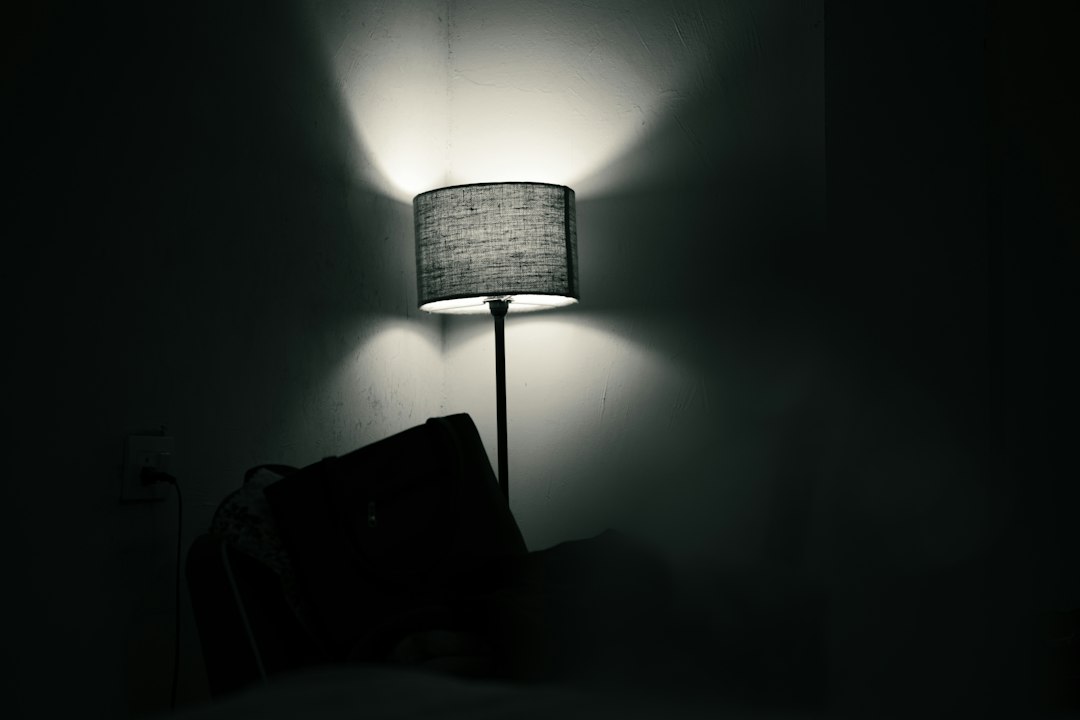
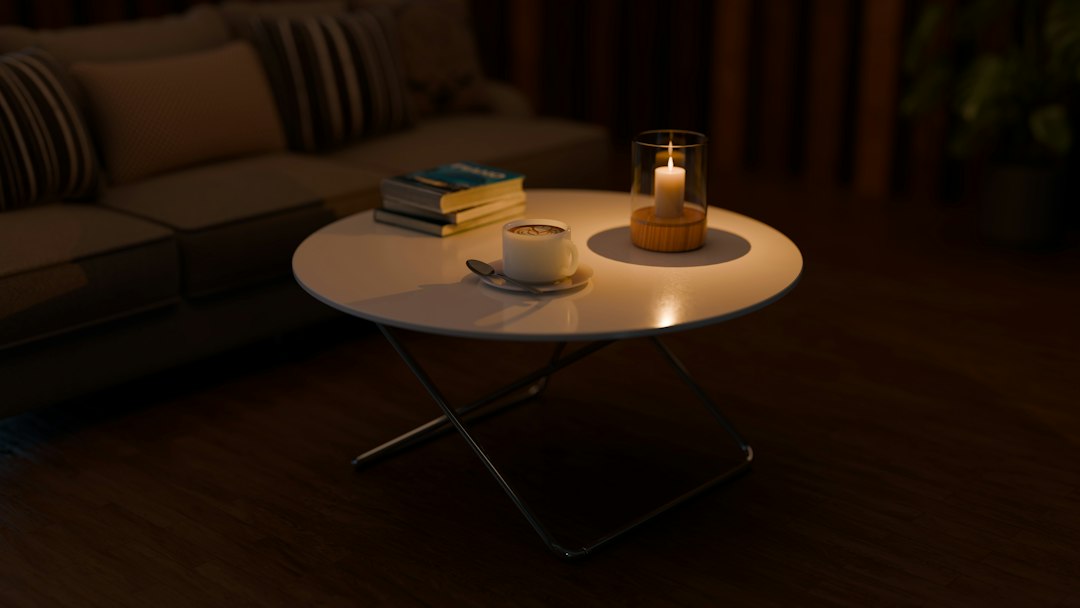
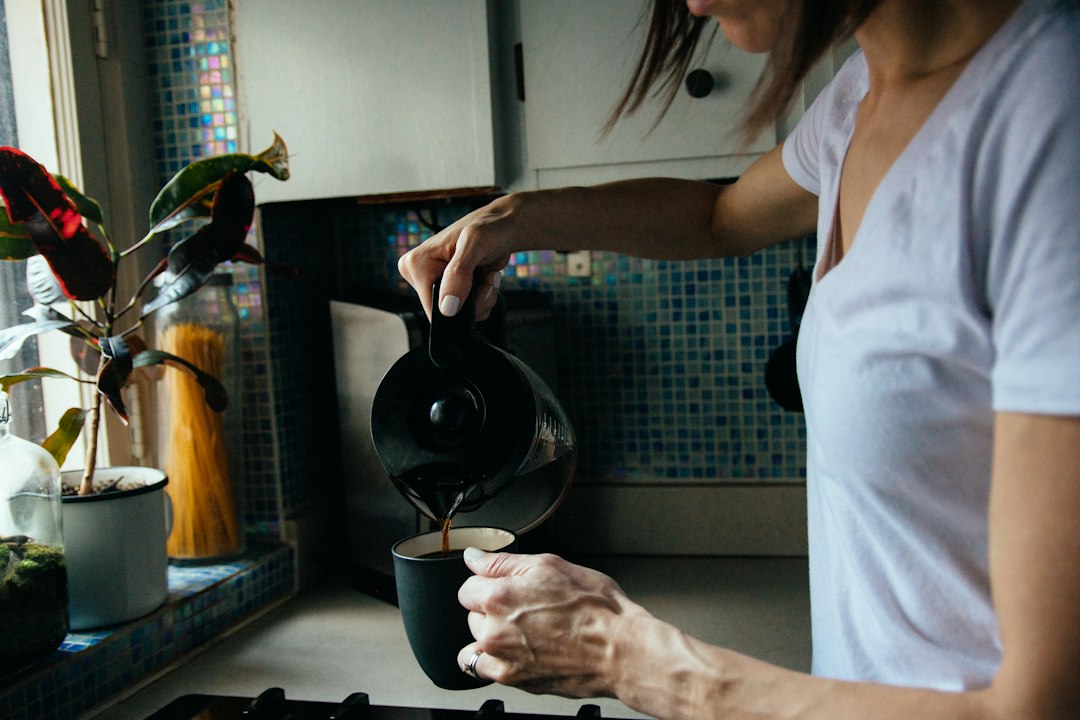
Here is where cozy cardio earns its name, and where most people skip the part that matters. The movement is the engine, but the environment is the habit. Dim the overheads. Turn on one warm lamp — my living-room corner runs a simple dimmable floor lamp that lives at candle-brightness from October through March. Light an actual candle if that’s your language. Get the kettle going so a hot mug is waiting at mile two.
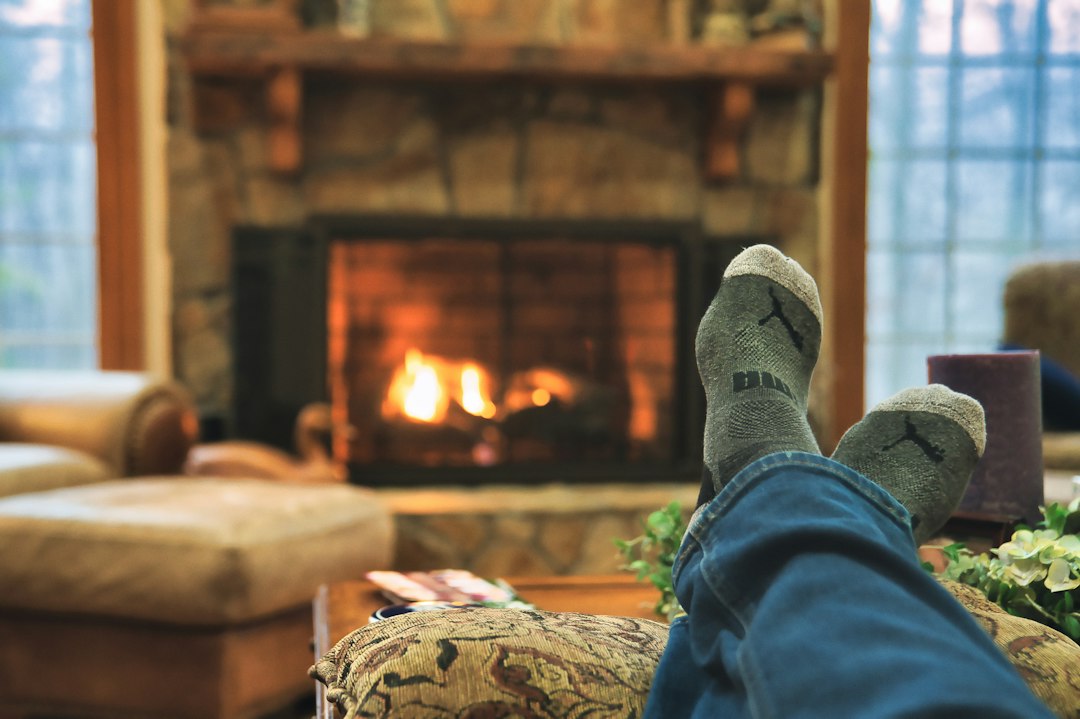
The socks question comes up every time I post about this, so let me settle it: yes to wool socks on the couch, no to wool socks on the belt. I live in my merino walking socks from October onward — they’re half the ritual — but the moment I step on the pad, real shoes go on. A moving belt and grippy socks are a stubbed toe at best and a tendon issue at worst, and I’ve watched a client learn this the unfun way. Shoes on the belt. Every time. It takes eleven seconds.
One show rule keeps the miles honest: one 45-minute episode equals roughly three miles at my pace, and when the credits roll, the belt folds. No second episode bargaining. What surprised me most was how this replaced rather than added to screen time — the evenings I now spend walking were evenings I was going to spend sitting in the exact same spot watching the exact same show anyway. If you already do a ten-minute after-dinner walk, cozy cardio is simply that habit scaled up and moved indoors.
The Numbers After Four Weeks
I ran this as a proper audit in September, because I don’t prescribe what I won’t measure. Same walking pad, same 8 p.m. slot, four nights a week, one episode each. My averages, from the tracker I checked more often than my husband would like:
- Daily steps: 6,800 baseline to 10,900 — and unlike my summer numbers, these didn’t collapse when the cold arrived
- Evening movement: from ~700 steps after 6 p.m. to a reliable 3,900
- Resting heart rate: down two beats per minute by week four — small, real, exactly what easy aerobic volume should do
- Sleep onset: I fell asleep faster on walking nights than on couch nights, which I credit to the ritual’s wind-down structure more than the miles
I keep the audit in a paper notebook by the lamp — one line per night, steps and a word about how it felt. My rule with clients is that tracked habits survive winters and untracked habits don’t, and four weeks of one-line entries is the entire system. No app required, though your watch already counts all of this if you’d rather not buy a notebook.

Who Should Skip the Whole Trend
I’ll always give you the counter-case, because I’d rather lose a convert than lie to one. Skip cozy cardio if you genuinely thrive outside — my year-round outdoor walkers get more from one cold mile in real air than from three belt miles under a lamp, and I wrote the layering guide that keeps my clients outside past Thanksgiving for exactly those people. Skip it if evening movement wires you instead of unwinds you; if your body reads evening cardio as an alarm, honor that and move the slot to morning. And skip the purchase if you know, deep down, you’re buying the identity instead of the habit. The pad is a $200 doorway, not a portal. You still have to walk through it four times a week.
The November You’re Building
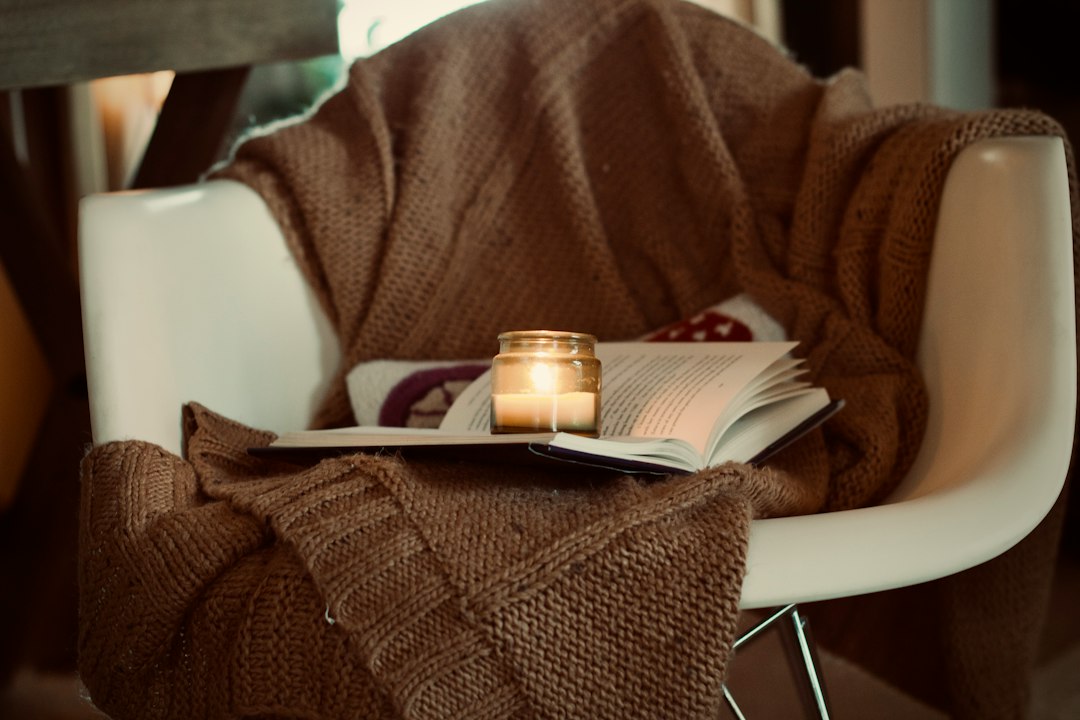
Daylight saving ends on the first of November, and I’ve already written about why that extra hour is a trap unless you spend it deliberately. Here’s how I’d spend it this year: set the lamp, cue the show, fold out the pad, and log the first slow mile of the season at the exact hour everyone else spends scrolling. Six weeks from now, while the holiday current pulls everyone’s fitness sideways, you’ll be the person with a base that held. No comeback needed in January. No starting over. Just a kettle, a candle, and three honest miles before bed.