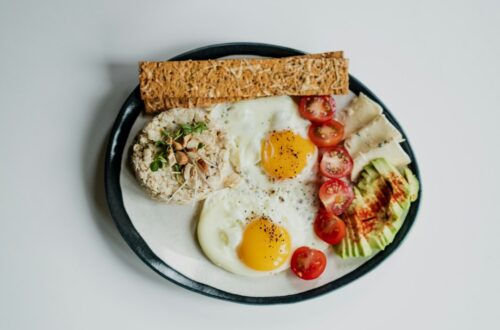
Every October, my coaching inbox fills up with the same confession, just in different words. “I’m gassed.” “My legs feel like they belong to someone else.” “The hill that was easy in July is ruining me now.” My clients aren’t lazy and they aren’t slacking — most of them are training harder than ever for fall races. But when three women in one week mention they’ve started chewing ice like it’s potato chips, I stop guessing and start talking about low iron.
I lived this story before I ever coached it. During my heptathlon years, I spent an entire winter plateauing while my coach scratched his head. My hemoglobin came back “normal,” so everyone shrugged. It took a sports-medicine doctor ordering a ferritin test to find the villain: my stores were in the basement. Fixing them felt like someone had plugged me back into the wall. Two decades later, it’s still the first number I check when a hard-training woman tells me her spark is gone.

The Number Standard Blood Work Doesn’t Catch
Here’s the trap that catches thousands of active women every fall. Ferritin is your body’s iron savings account — the reserve you dip into to make red blood cells, which are the delivery trucks for oxygen. Your routine physical usually checks hemoglobin, the currency in your wallet. You can be technically not anemic, with perfectly normal hemoglobin, while your savings account sits at zero. The trucks are still running, but there’s nothing in the warehouse to build new ones.
Research on endurance athletes suggests that fatigue often shows up when ferritin dips below 20 ng/mL, and performance can quietly erode even in the 20–30 range — a stage where standard panels look clean and everyone assumes you’re just “stressed.” Depending on which threshold you use, studies put roughly 30 to 50 percent of female endurance runners below healthy iron stores. Read that again. Half the starting line may be running on an empty tank.
The symptoms read like an October mood board: dead legs on normal runs, inexplicable breathlessness on stairs, cold hands and feet, brain fog by 3 p.m., and that oddly specific ice craving doctors call pagophagia. If daylight changes are also dragging you down — and I wrote a whole piece on what losing two minutes of daylight a day does to your training — low iron stacks on top of it and doubles the effect.
Why Training Women Get Hit First
Active women lose iron through channels men simply don’t have. Monthly losses are the obvious one, but training itself adds a hidden tax: foot-strike hemolysis, where red blood cells rupture in your feet with every pounding mile. Add in iron lost through sweat and GI micro-bleeding during long, jarring sessions, and a heavy training block can drain the tank faster than a decent diet refills it.
There’s a second, sneakier mechanism. After a hard workout, your body releases a hormone called hepcidin that temporarily slams the door on iron absorption — it’s part of the inflammation response. Time your steak dinner poorly, in that post-workout window, and your gut absorbs far less of it. Underfueling makes it worse: I’ve watched clients trim calories and red meat simultaneously, then wonder in six weeks why their pace collapsed.
One paragraph for the men reading, because this matters: you should not supplement iron on a guess. Men rarely run low, and a condition called hemochromatosis causes some to overload, which is genuinely dangerous. Test first, always. This article is aimed at the population the data worries about — menstruating, training women — and at anyone, of any gender, whose blood work confirms the problem.
Test Before You Swallow Anything
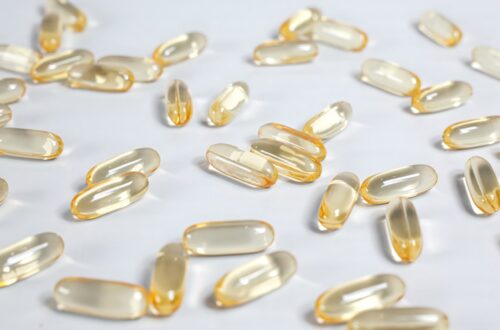
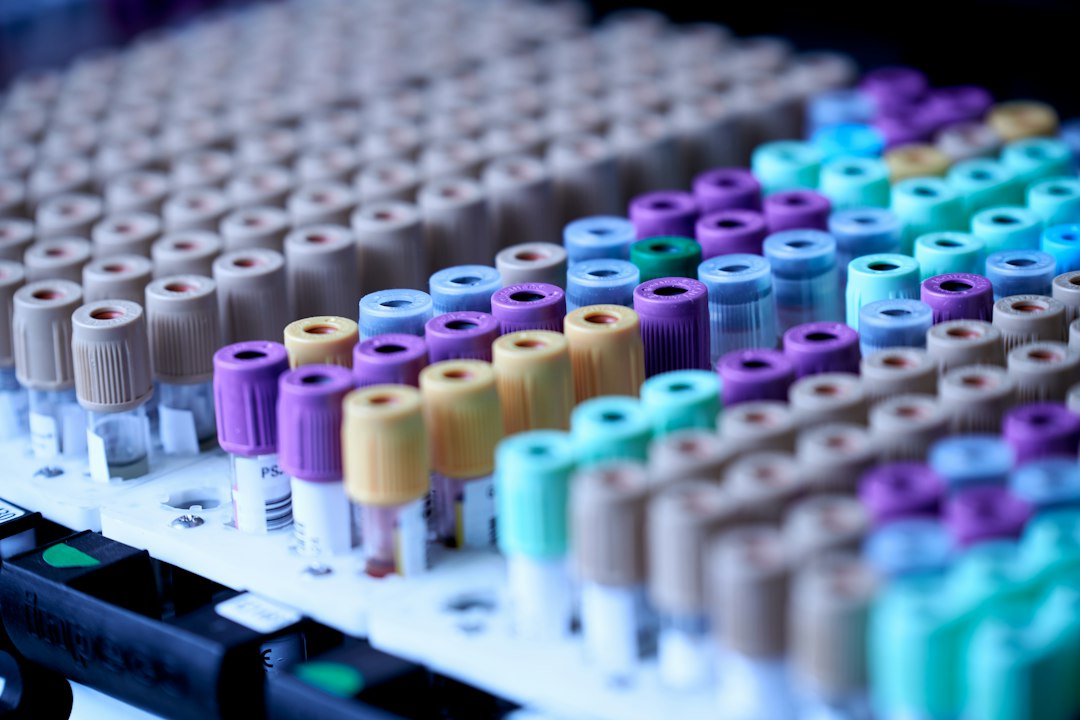
I’m a zealot about this rule: no iron supplement crosses your lips until you’ve seen your ferritin number. Supplements aren’t risk-free, doses vary wildly by need, and fatigue has a dozen impostors — thyroid, sleep, vitamin D, plain overtraining. I learned that lesson the hard way with my own fish oil, which a finger-prick test revealed was doing far less than the label promised. Data first, capsules second.
Ask your doctor to add ferritin to your annual panel — it’s a cheap add-on and often covered. No appointment in sight? There are decent at-home ferritin test kits that use a finger-prick drop and mail-in or instant readings. They’re not a substitute for a full workup with your physician, but they’re a fine screening tool that tells you whether the conversation is worth having.
When my own results came back at 14 ng/mL that winter, everything clicked. When a client’s came back at 18 last spring, her “I must just be getting old” narrative collapsed in a single PDF. Numbers end arguments — with yourself, most of all.
The Kitchen Rebuild: My Food-First Playbook
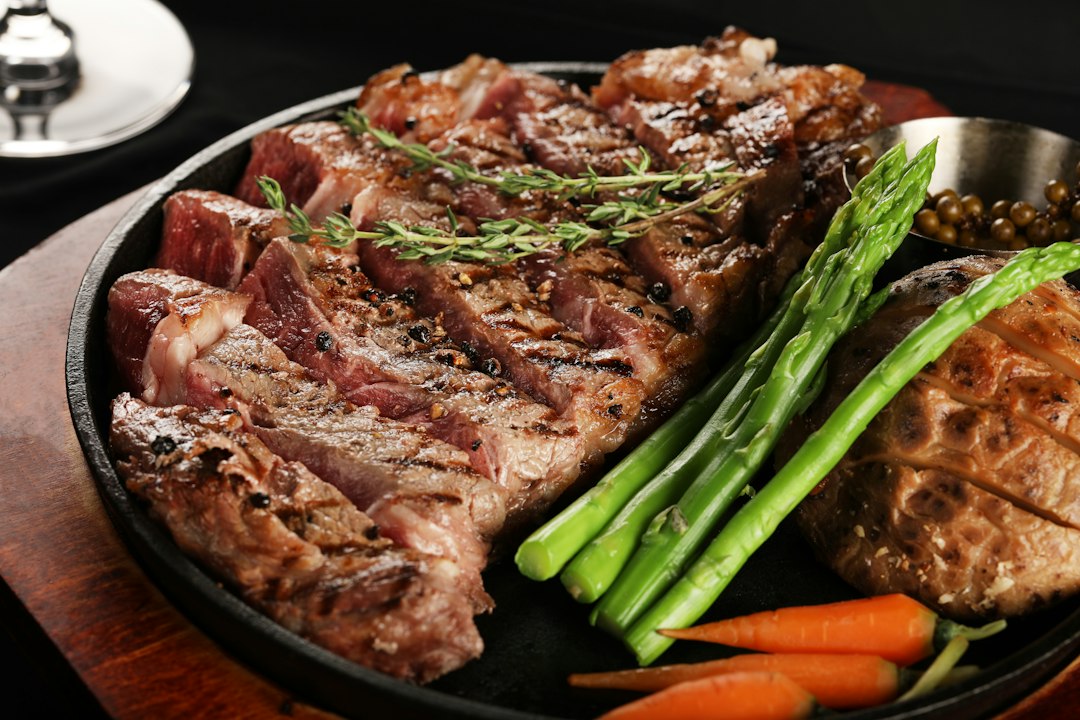
Once the test confirms low stores, food is where we start, because food is what stays with you after the supplement bottle runs out. The hierarchy is simple: heme iron from animal sources is absorbed two to three times better than the non-heme iron in plants. A few beef nights a week — a steak, a roast, some slow-cooked chuck — move the needle more than a mountain of spinach.
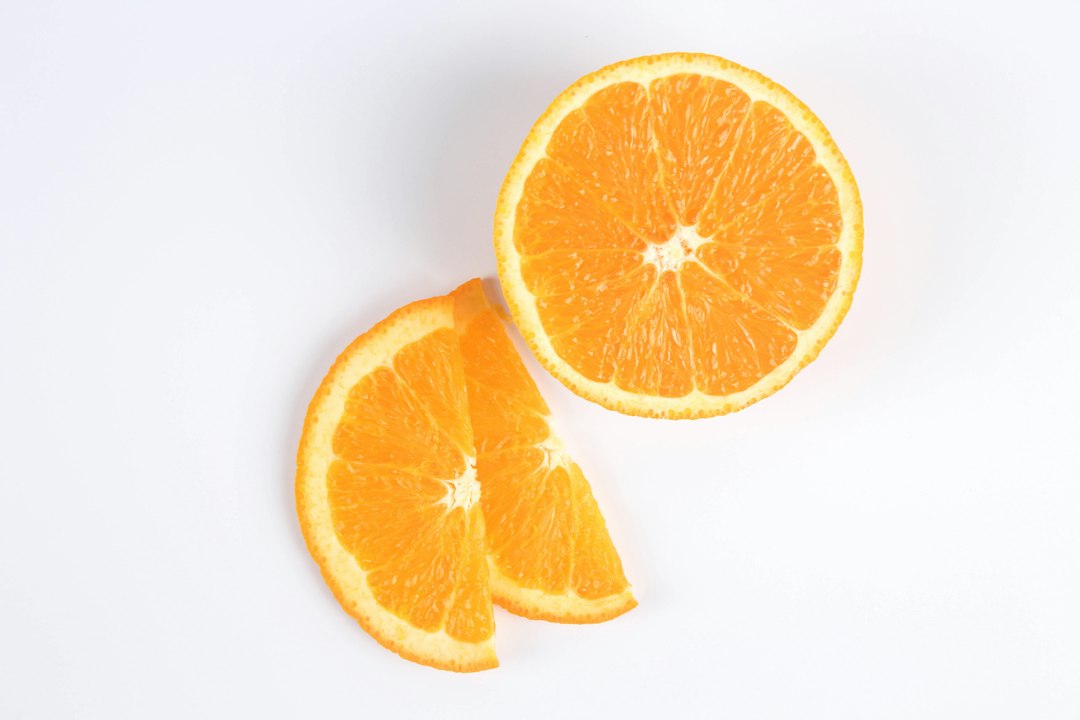
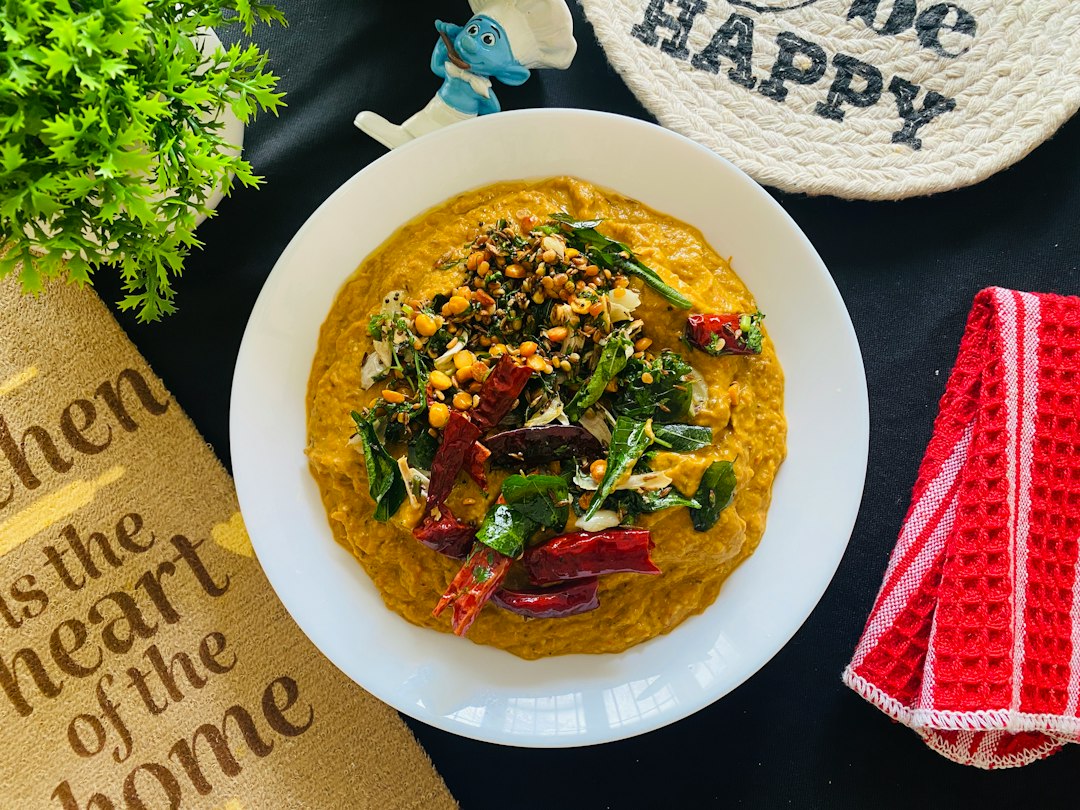
Plant iron still matters, especially for my mostly-vegetarian clients. Lentils, beans, tofu, pumpkin seeds, and dark greens all carry meaningful non-heme iron. The trick is the pairing: vitamin C can multiply plant-iron absorption several-fold by converting it into a form your gut grabs eagerly. Bell peppers with your lentil bowl, strawberries on your oatmeal, or plain old orange slices after dinner.
Just as there are helpers, there are saboteurs. Coffee and tea export compounds called tannins that latch onto iron and escort it out of your body unabsorbed. I don’t ask clients to give up their coffee — I’m not a monster — I just move it an hour away from iron-rich meals. Breakfast first, coffee after, not during.
Two pantry shortcuts earn permanent shelf space in my kitchen. If you’re open to organ meats but can’t face the taste, desiccated beef liver capsules deliver heme iron in its most concentrated natural package. And for a genuinely old-school boost, a spoonful of blackstrap molasses stirred into warm milk or oatmeal was my grandmother’s answer generations before anyone said the word “ferritin.” She also kept high-protein beef jerky in her purse decades before it was trendy — smarter than she knew.
The Skillet Trick My Grandmother Never Called a Strategy
Speaking of grandmothers: the single most underrated iron tool in the world is probably sitting in her kitchen right now. Cooking acidic foods — tomato sauce, chili, anything with vinegar or citrus — in a well-seasoned cast iron skillet leaches measurable dietary iron into the meal. Some studies on tomato sauce cooked in cast iron found the iron content increased several-fold. It’s not a supplement, but as a daily background drip, it’s real, it’s delicious, and it outlasts every powder ever marketed.
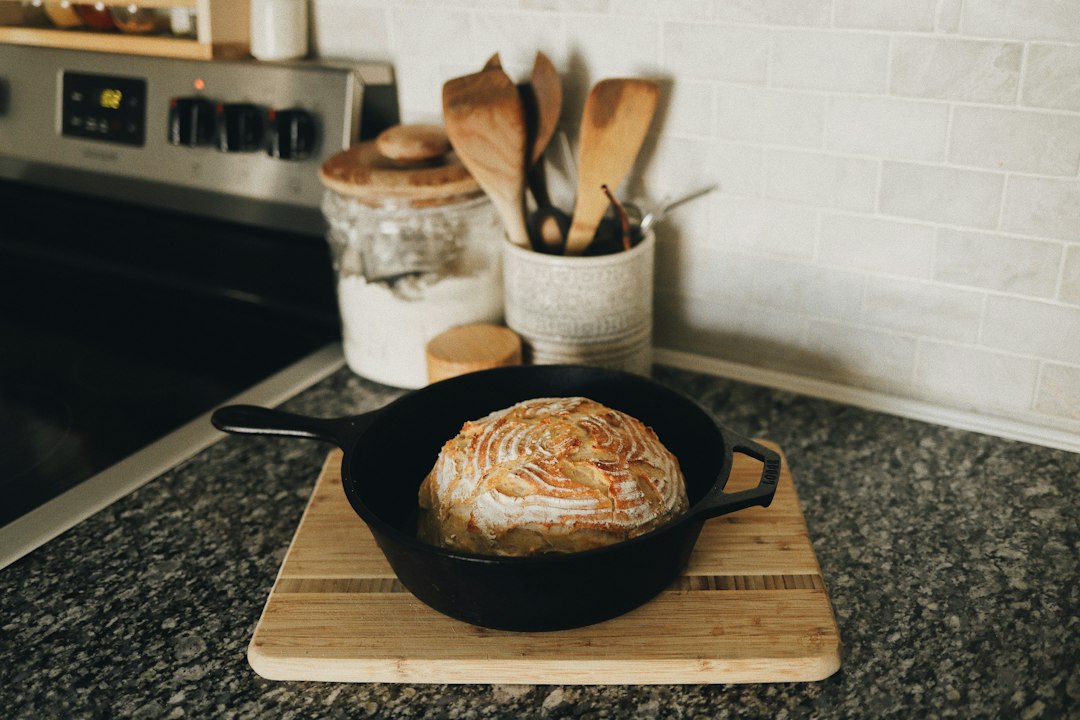
The catch is that seasoning — a properly maintained skillet keeps working for decades, while a neglected one rusts into a paperweight. My team rebuilt my kitchen setup with a simple cast iron care kit, and if you feed a crowd like I do on Sundays, a cast iron Dutch oven does the same trick for chili, braises, and stews at family scale. My cornbread has never once complained.
Choosing a Supplement Without the Stomach Ache
When food and time aren’t enough — and for seriously depleted athletes, they often aren’t — the supplement aisle awaits, and it’s a jungle. The drugstore default, ferrous sulfate, is cheap and potent, but it’s infamous for constipation and stomach upset, which is how people quit iron supplements three weeks in. I steer clients toward gentle iron bisglycinate, a chelated form that’s markedly easier on the gut at similar effective doses. For the most sensitive stomachs, liquid iron supplements are the training-wheels option.
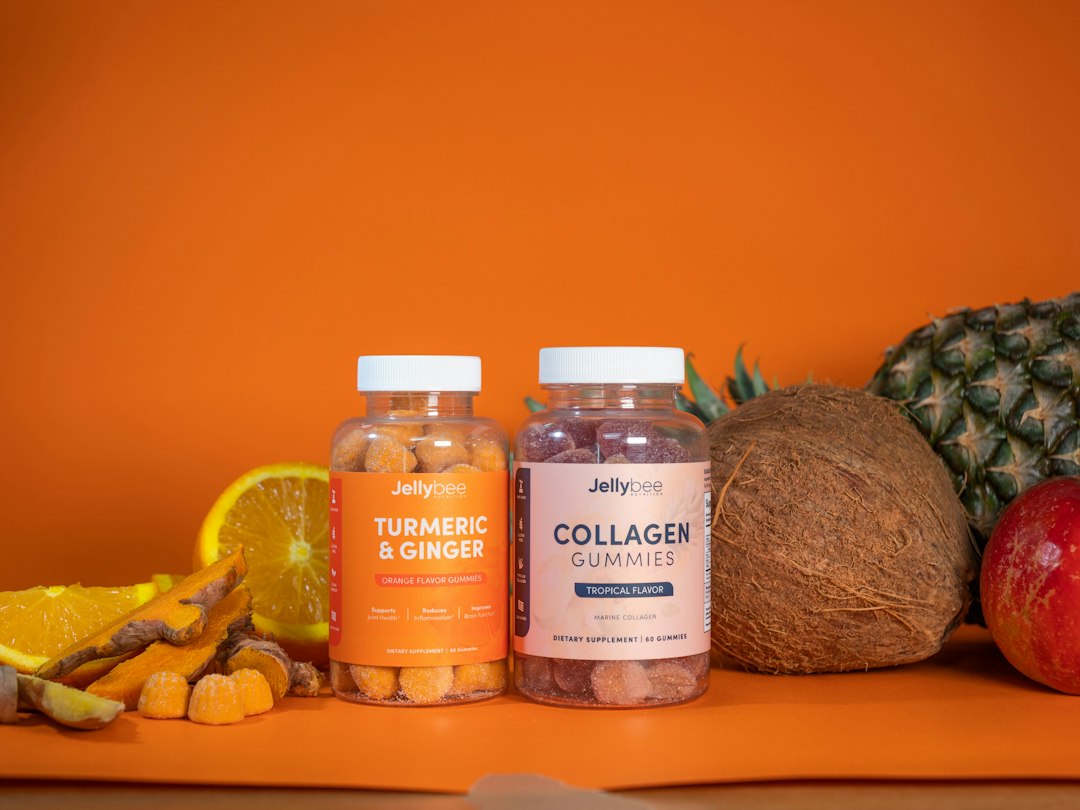
Two rules make any version work better. First, take it with vitamin C — a small glass of juice or a plain vitamin C tablet alongside — and away from coffee, tea, dairy, and calcium. Second, and this still surprises people: recent research suggests taking iron every other day absorbs better than daily dosing, because it lets hepcidin levels fall between doses so the door is actually open. More is not better here. Skip the gummies, which are usually underdosed candy, and skip “beauty blends” that sprinkle fairy-dust amounts of iron among a dozen irrelevant ingredients. I keep a similar label-detective standard for everything on my shelf — it’s the same filter that revealed how much magnesium had quietly been running my recovery.
Re-Test, Then Decide What Stays
Give the protocol eight to twelve weeks, then test again. Rebuilding stores is slow plumbing, not a weekend flip. My own climb from 14 to the low 40s took about five months of consistency — beef nights, the morning-after-coffee rule, bisglycinate every other day, and a grandmother-approved skillet doing quiet background work. When your follow-up number lands in healthy territory, you taper the supplement, keep the kitchen habits forever, and recheck each fall like clockwork.
And if the number doesn’t move, that’s information too — not failure. Stubbornly low ferritin deserves a real conversation with your doctor about heavy periods, celiac disease, or GI issues, and competitive athletes sometimes need infusion therapy under medical supervision. You do not DIY that part.
Here’s my October promise: if your legs have gone ghostly, your stairs have turned evil, and the ice tray keeps calling your name, one cheap blood test might explain the entire year. Get the number, feed the skillet, and come back in twelve weeks with a story of your own. Winter training is coming either way — you might as well arrive with a full tank.