
The text landed at 6:12 p.m., which is exactly when the sidewalk stops being a plan and starts being a negotiation. She had finished the first week of the turkey-trot build I hand out every October, then the knee that had been “fine if I warm up” decided fine was a rumor. She did not want a headlamp. She did not want a speech about toughness. She wanted to know if a recumbent exercise bike was a real training tool or a piece of furniture with pedals.
I did not send a brand. I sent a question back: how long is the wall you are willing to give up until spring?
A recumbent bike is a chair with a job. The seat carries your back, the pedals sit out in front, and the machine asks very little of your balance or your wrists. For the right person, in the right rectangle of floor, it is the cardio that still happens after the clocks fall back. For the wrong person, it is the most expensive coat rack I will visit all winter. My team and I place these every year in the same two-week window. The pattern is boring, which is why it is useful.
Measure the wall before you fall in love with the console
People shop the screen. The bike fails in the hallway.
Home recumbents are long. Longer than the upright bike in the ad, longer than the photo crop suggests, and longer still once you add the space to sit down and stand up without cracking a shin on a coffee table. The seat slides. That slide is not a luxury. It is how a five-foot-two partner and a six-foot partner share one machine without one of them pedaling on their toes. If you buy the length that looks tidy in a listing and then discover the seat cannot travel, you have purchased a bike for one body and a grudge for the other.
Pull the listed length from the product page, not from the lifestyle photo. Add room to mount and dismount. Tape that rectangle on the floor where the bike would live, then walk past it the way you walk past things at 9 p.m. with a bowl in your hand. If the only clear spot blocks the door you actually use, you will resent the bike by the first real cold snap. Resentment is how equipment becomes décor.
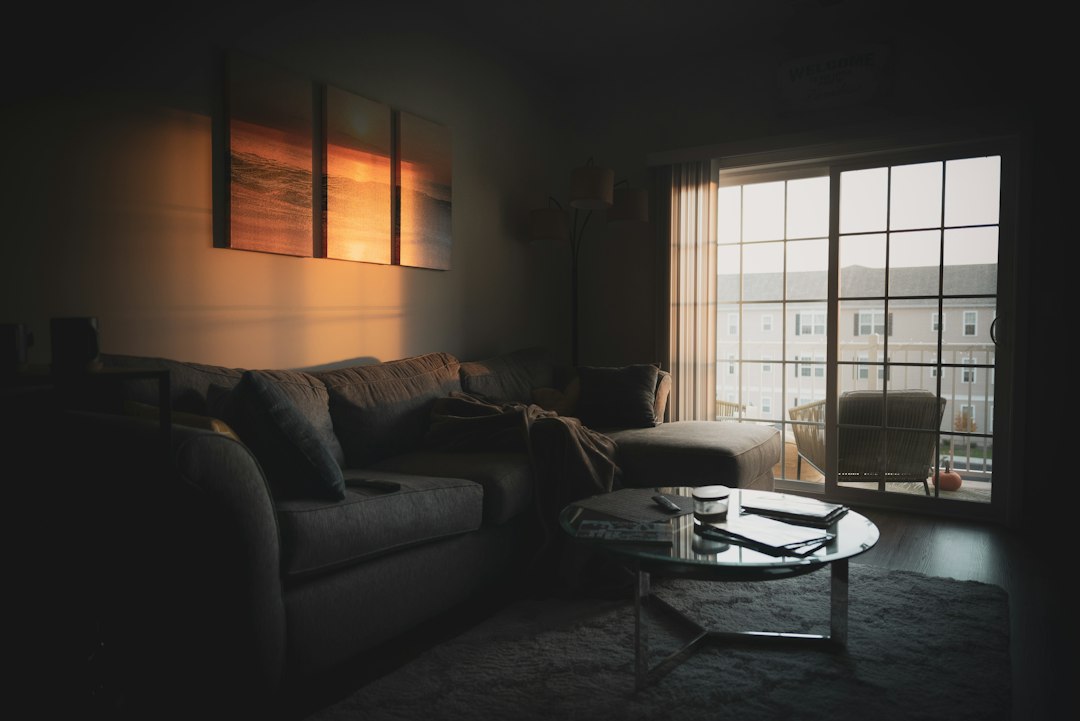
The corner has to earn its keep after dark. If the tape test fails, stop shopping. A walk you already know how to take beats a beautiful machine you have to rearrange the house to reach. So does the rower a lot of my October clients already own. A second cardio toy does not fix a floor plan.
The seat slide matters more than the light show
Once the room says yes, I stop caring about how many preset programs the console advertises. I care whether the seat moves far enough, whether the backrest actually holds a tired torso, and whether your knee stays softly bent at the bottom of the stroke.
Locked knees are the quiet way these bikes go wrong. You slide the seat a notch too far back because it “feels more stretched,” you point through the bottom of the pedal, and three weeks later the front of the knee has opinions. Soft bend. Heel can still drop a little. You are not trying to impress the crank.
There is a second fit detail almost nobody mentions in the listing photos. Coaches call it Q-factor: how far apart the pedals sit. A wide stance can tug the knee outward, and people with a cranky medial knee often do not notice it in a showroom spin. They notice it on a Thursday, twenty minutes in, when the easy gear stops feeling easy. If that is your history, read the knee-cart notes I put together for the week the outdoor lanes go quiet, and do not let a bike become your only plan for a joint that still needs strength and a little respect.
A fresh injury is not a shopping category. If a clinician has you off impact, ask whether a supported pedal stroke is even on the menu before you spend the money. Kinder is not the same word as cleared.
Step-through frames are a different purchase from the sporty recumbents with a tube you have to swing a leg over. If getting on is the actual problem, say that out loud. A lower step-through and a backrest you can use as a handle on the way down will matter more than a colorway. One of the people who helps me with home setups keeps a phrase for this: if mounting the bike requires a warm-up, the warm-up already failed.
Who I talk out of the long chair
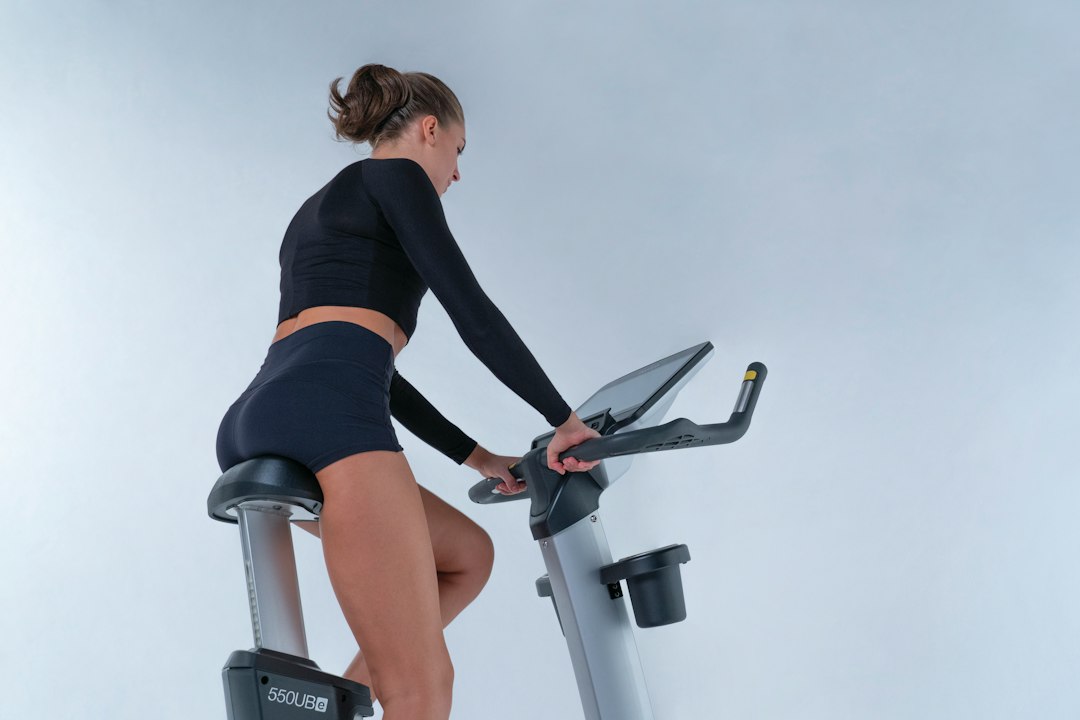
I talk plenty of people out of this. The upright position has a point. You can stand, you can lean, you can load the hips in a way a recliner never will. If you like that feeling, a recumbent will bore you in nine days and you will tell yourself you “just need a better playlist.” You need a different machine.
Same answer if your real goal is bone. A supported seat is wonderful for joints that are done negotiating with pavement. It is a poor substitute for the lifting that keeps a skeleton interested. Cardio in a chair borrows time from the evening so the strength work still has a pulse. It does not retire that work.
And if you are six weeks from a race, this is not your plot twist. The turkey-trot briefing is about shoes, patience, and not inventing a new sport in the middle of a build. A recumbent can keep an easy day easy when the weather turns mean. It cannot replace the specific miles you already promised your legs.
The last group I redirect is the one that already has a rower earning its keep. Rowing asks more of the hinge, the grip, and the posterior chain. If you can do that without pain and the only problem is that the flywheel looks like a chore, a new seat will not install a habit. It will install a choice, and choice is where October workouts go to sit down and stay there.
Three shelves, and none of them is a trophy
I sort recumbent exercise bikes the way I sort clients: by the body that has to live with the decision, not by a crown.
The budget shelf is where most first bikes should live if the tape test passed and you are not sure you will love the habit. I look for a magnetic resistance knob you can understand without a manual, a seat that slides, transport wheels, and a listed user weight you clear with room to spare. Marcy’s recumbent bikes keep showing up because they are built like equipment, and the seat travel is the feature, not an apology. Sunny’s recumbent line sits in the same neighborhood: straightforward, and honest about being a home machine rather than a club piece. Buy the capacity you need. Skip any listing that will not tell you the seat range.
The middle shelf is the one my clients paste into texts with a dozen tabs open. MERACH recumbents and Yosuda’s recumbent bikes dominate those screenshots. They can be perfectly good if, and only if, the listed length fits the tape on your floor and the seat moves enough for the shortest rider in the house. A crowd of stars is not a fit session. Read the one-star notes for the words “knees” and “wobble” and “arrived with the rail bent.” Those are the words that predict your Tuesday.
When two people of genuinely different heights will share the bike, or when the stock seat on a cheaper frame has already annoyed you in a store, I point toward Schwinn’s recumbent models. Not because a logo pedals for you. Because the seat and the backrest are usually where the extra money actually went, and a seat you dread is how a good plan dies. Still measure. A familiar name has never shortened a living room.
I do not have a single winner. I have a refusal: do not skip the return window. Assemble it, sit on it for twenty real minutes, and decide before the box goes to the curb.
The small parts that decide whether it gets used
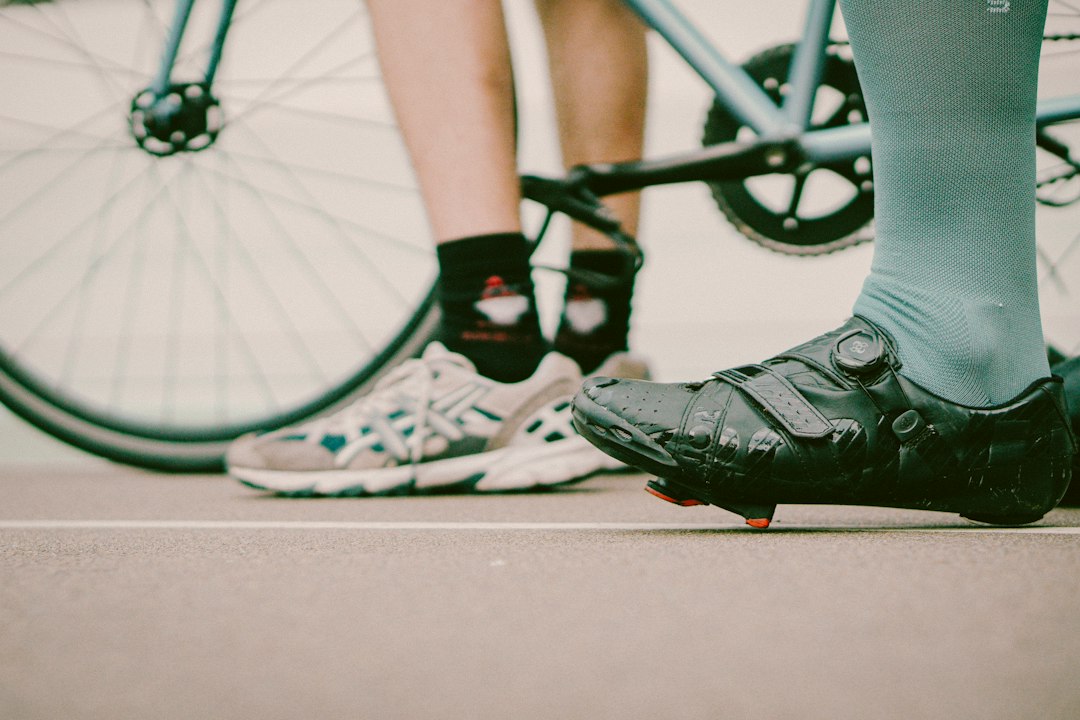
Feet wander on recumbent pedals. The seat holds you so well that your shoe can sneak toward the arch, and then the knee tracks wherever the foot felt like going. Pedal straps, or a simple cage, keep the midfoot over the spindle. If the bike ships with naked pedals, a basic set of stationary-bike straps is a better first add-on than a new console. A stiffer shoe helps too. You do not need a cleat you will never clip into. You do need a shoe that does not fold in half every revolution. Keep the marshmallow runner for the sidewalk.
Seats are personal in a way listings cannot settle. Some stock saddles are fine for forty minutes. Some feel like a cafeteria tray by minute twelve. Ride before you cushion. If the ride confirms the tray, a gel cover made for exercise bikes is cheaper than pretending you will “get used to it.” You will not. You will shorten the workout, and then you will stop scheduling it.
The feet of the frame will tattoo a hardwood floor and, on a smooth surface, the whole rig can creep forward while you pedal. A mat sized for exercise equipment solves both problems and gives you a visual boundary so the bike stops migrating toward the television. This is not décor. It is how the tape rectangle survives contact with real life.
Heat is the other silent quitter. Outdoors you get wind. On a recumbent you get a backrest and a still room, and you cannot stand up to shake the warmth off. A small clip-on fan pointed at your face is the difference, in my clients’ logs, between a twenty-five-minute apology and a forty-minute session they would repeat. I would buy the fan before I bought a second pair of wireless earbuds.
Screens are optional and people lie about them. If a show is how you stay seated, get a tablet arm that actually reaches a recumbent cockpit, not a phone clamp designed for a spin bike’s bars. If you already know you will watch nothing, skip the arm. An empty mount is just another thing to dust.
And ignore the metal grips that claim to read your heart. They are a mood. A Bluetooth chest strap, or the watch you already trust from outdoor miles, will tell you whether the easy gear is actually easy. The calorie number on the console is a novel. Do not organize your dinner around it.

Put water where your hand already is. Climbing off a recumbent mid-interval is a small production: you unstrap, you scoot, you stand, you lose the rhythm you just built. A bottle cage, or a bottle on a side table you placed during the tape test, is part of the setup. So is a towel. Sweat on a vinyl seat is a slip hazard nobody puts in the feature list.
What the week looks like once it is in the corner
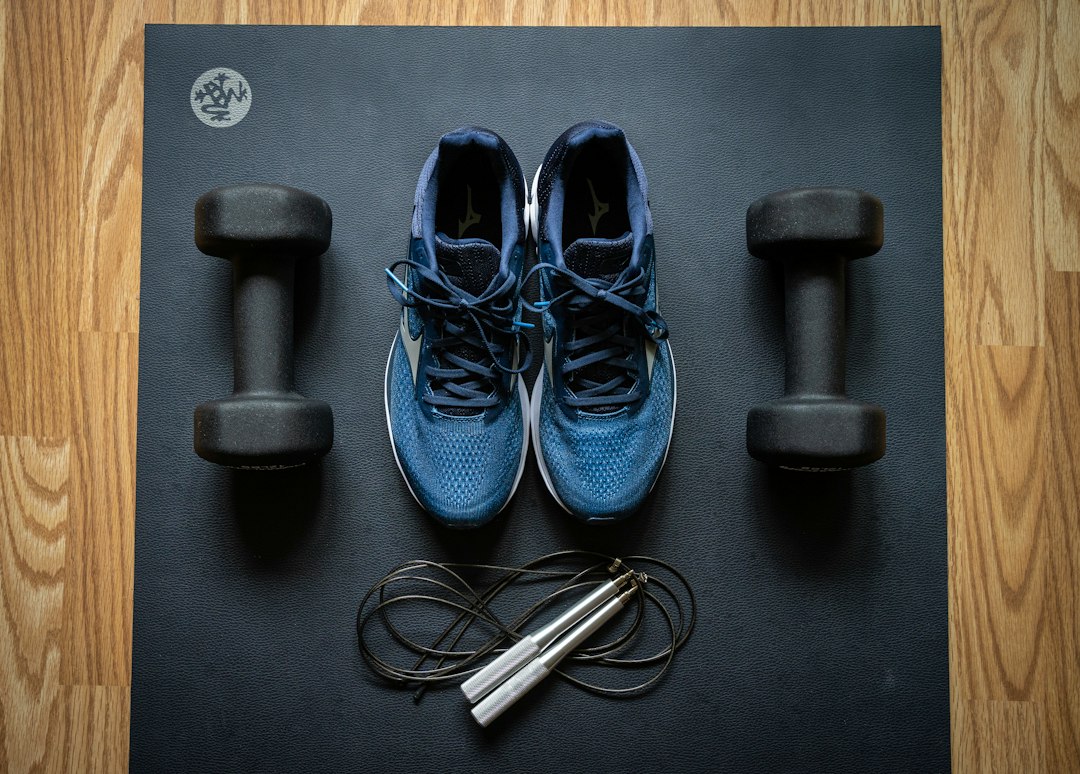
The bike does not get to become the whole week. The bench still runs the strength plan, and the shoes on the mat still matter on the days the weather allows a walk. What the recumbent replaces is the canceled evening, the one that used to vanish because it was dark, or cold, or the knee had used up its votes.
Three easy days. Long enough to finish a dull podcast, short enough that you can still hold a sentence. If you cannot talk, you are not in the session I asked for. Cadence stays smooth. Grinding a huge gear at a crawl is how people invent knee complaints on a machine that was supposed to be the gentle option.
One day, if the joint has been quiet, add surges: a minute a little harder, two minutes easy, eight rounds, then done. If the knee starts narrating, the resistance comes down before the session does. Pride is not a recovery strategy.
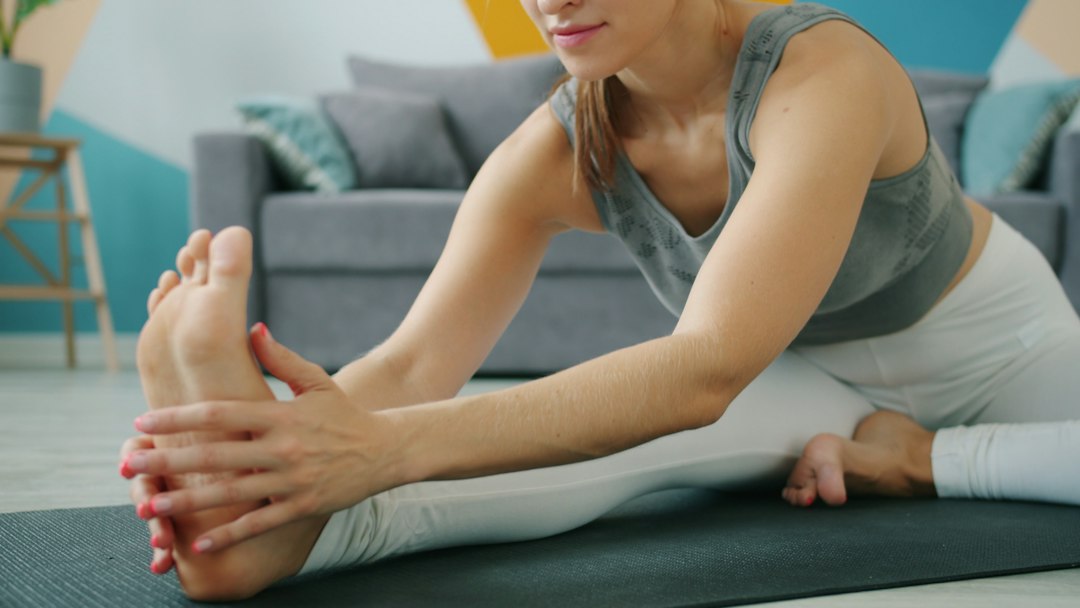
Five easy minutes at the end, then the stretch the outdoor season talked you out of. Hamstrings, hip flexors, a slow ankle circle. The bike put you in one shape for half an hour. Give the shape back. This is also where I notice fit errors: if you need an aggressive stretch just to stand up normally, the seat was probably too far forward and your hips spent the ride folded like a lawn chair.
The Tuesday test, two weeks later
I do not grade a recumbent exercise bike on day one. Day one is assembly and optimism. I grade it on a random Tuesday in the second week.
- Can you get on without a speech, a step stool, or moving a chair that “just lives there temporarily”?
- Is the seat setting marked, so you are not refitting the bike like a science project every time?
- Did you use it twice without the fan, the bottle, and the mat becoming a scavenger hunt?
- Does your knee feel the same the next morning as it did before you owned the thing?
Four yeses and the long chair earned the corner. A drying rack in that same corner means you sell it while it is still in season and you go back to the walk, the rower, or the strength work you were avoiding with a shopping tab. There is no moral victory in keeping a machine that turned your living room into a storage unit.
The text I send now, when someone asks me for the best recumbent in October, is shorter than they want. Tape the floor. Check the seat travel against every person who will sit there. Decide if you need a step-through. Then pick the shelf that matches the room, not the ad. The console can blink all it wants. The wall is the one that tells the truth.