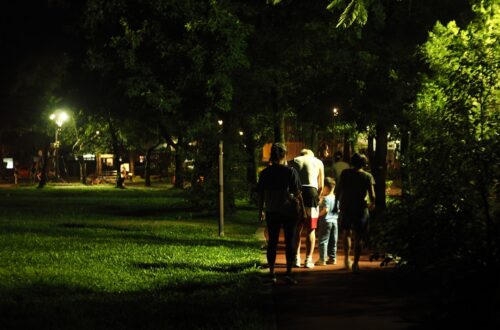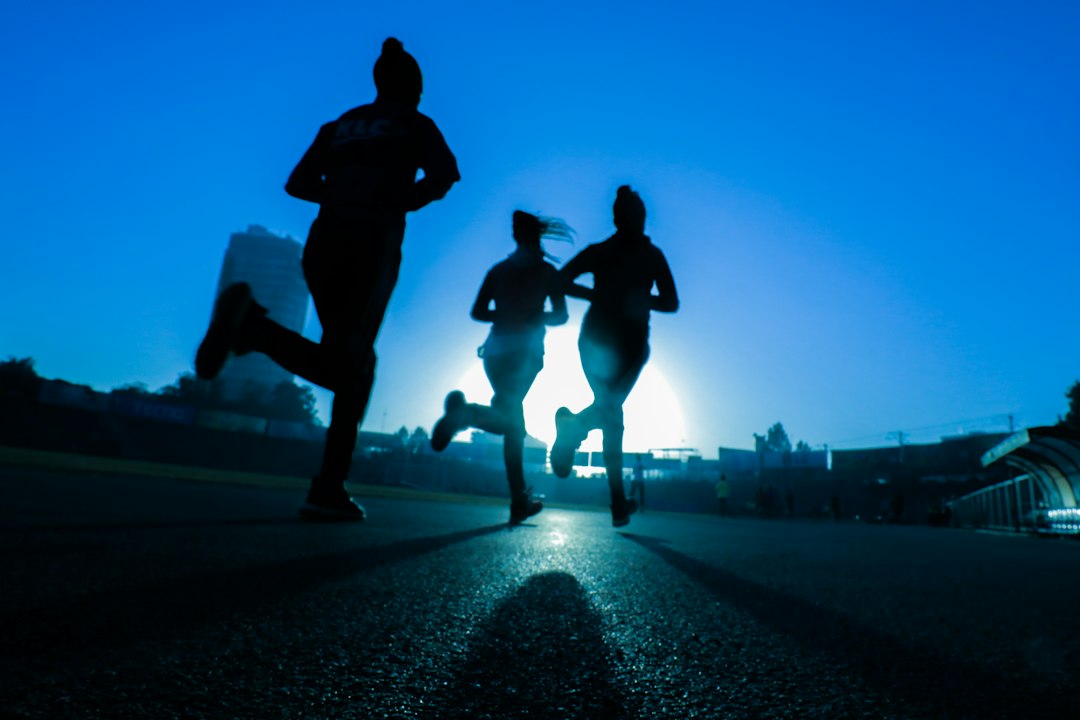
Friday morning, October 16, and the group text has already started. Someone’s cousin found a turkey trot. Someone else promised to “just jog it.” Thanksgiving is Thursday, November 26. That is forty-one days. Enough to arrive at a 5K feeling like a person who meant to be there. Not enough to invent a new athlete, and nowhere near enough to break in shoes you panic-buy on November 24.
I hand this briefing to clients every October, and the people who help me build training weeks have stopped arguing with the first line. Sign the bib before you buy anything. A race entry is a calendar appointment with weather, family politics, and a start time that will feel rude. A shopping cart is a way to feel prepared without leaving the house.
Most turkey trots are a 5K with a kids’ dash stapled on, sometimes a walk division, sometimes a virtual option for the relative who cannot travel. I want the version where people who have not pinned a bib since college are happy in a high-school parking lot. I do not want the Friday-afternoon call about a hot spot and a sprint to beat a teenager.
The only assignment for this weekend
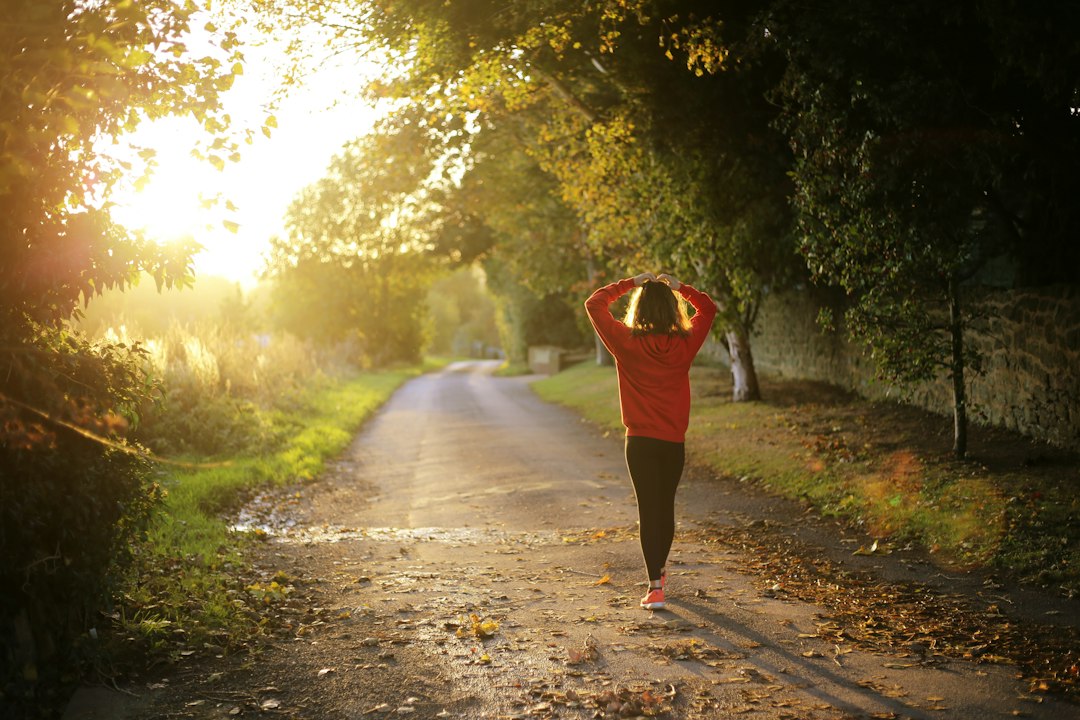
Pick the race. Register. Tell one person who will actually be in town. If the local trot is already closed, look one town over, or agree on a measured neighborhood loop and a start time you will keep even if the official race is full. A made-up start line in front of your own house still counts, as long as you treat the clock like it matters.
Then put the shoes you already own by the door. If they have carried you through summer without a complaint, they are your race shoes. If they are the walking pair you trust for errands, and you plan to walk, they are also your race shoes. The long version of that decision lives in the shoe field guide I hand walkers before they ever look at a racing flat. Read it if your current pair is tired. Do not read it as permission to rebuild your closet.
One more weekend job, and it is the one people skip. Walk or jog twenty easy minutes with the person you will actually be beside on race morning. You will learn whether their “easy” is your threshold on a Saturday, which is better than learning it in a corral.
Three lanes, one household
A turkey trot is rarely one athlete. It is a runner with a summer base, a walker who is fit in the ways that matter and unpracticed at mile two, and a kid whose race ends before the adults find their rhythm. I build one household plan with three lanes, not three separate religions.
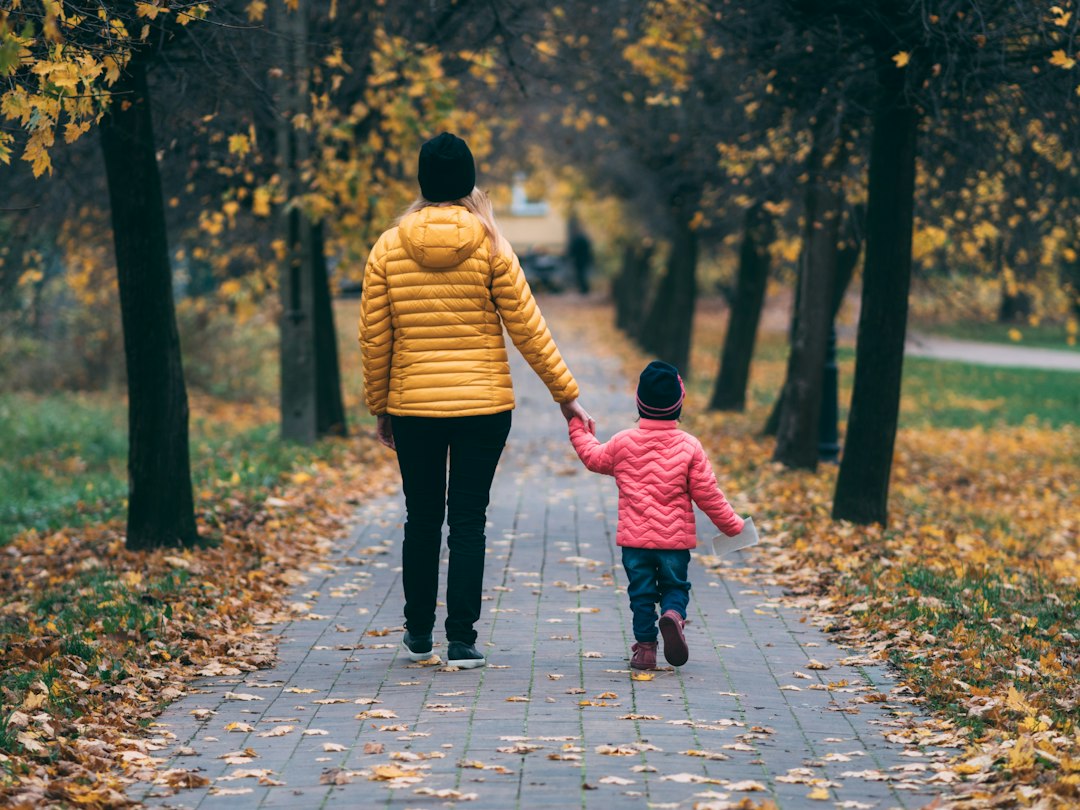
Lane one is continuous easy time. If you can already jog thirty minutes, you need three outings a week, one of them a little longer, and the discipline not to turn the long one into a fitness test. Lane two is walk-run, or all walk, on the same rhythm. A comfortable 5K walk for many adults lands between forty-five and seventy minutes. That is a real outing. Lane three is the short dash or the family stroll that ends when the child ends. It needs a jacket, a snack, and an adult who has agreed not to abandon them at the first mile marker because a personal record suddenly feels available.
Agree on the goal before week two. Together, or split after the start. Both are honorable. The miserable version is the unspoken third option, where one person surges and the other spends the morning apologizing for existing.
How the weeks actually go
Count this weekend as week one. Race morning is week six, and it is short on purpose.
Week one is the outing you already scheduled, plus two more easy sessions. Keep them conversational. If you cannot talk, you went too hard for a morning whose prize is lunch, not a qualifying time. Add five minutes afterward for hips, calves, and the hamstrings that complain when the air turns dry. Park if the weather allows. Mat if the wind does not.
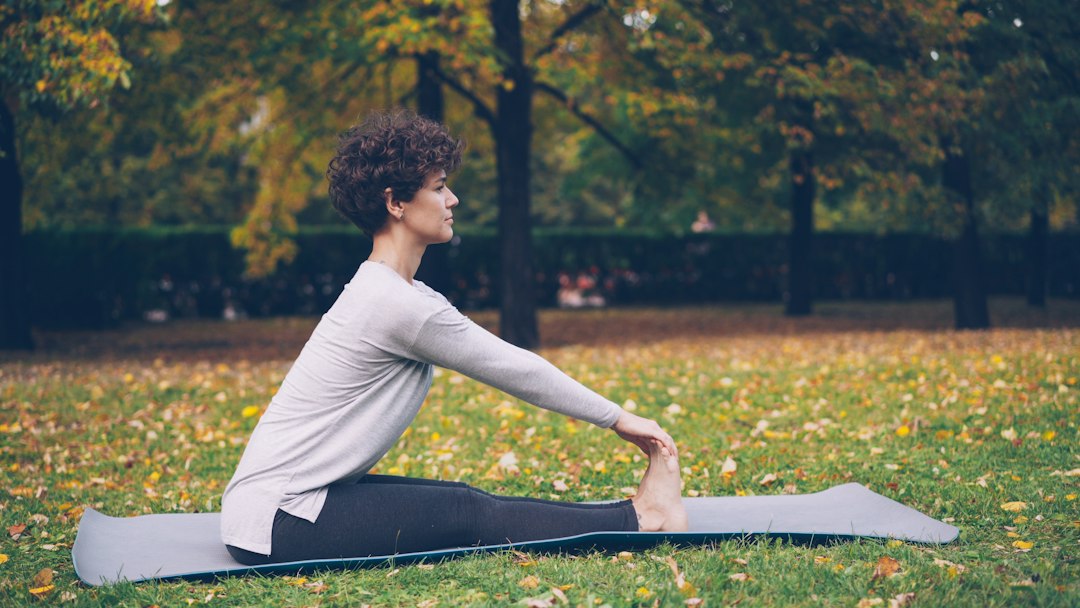
Week two, the runner’s lane adds four to six short pickups inside one outing. Thirty seconds quicker, a minute easy, nothing that looks like a track workout from the outside. The walker’s lane adds time, not speed. Get one continuous outing to thirty-five or forty minutes. If an old hot spot wakes up in the arch or the heel, stop negotiating with it. That is the week you shorten the outing and fix the shoe or the sock, not the week you push through so you can post a photo in a turkey hat.
Week three is a dress rehearsal for distance, not drama. Runners touch three easy miles, or forty minutes, whichever feels less like a dare. Walkers touch the long end of their range, on a couple of small hills if the real course has them. Wear the clothes you think you will race in. This is also Halloween week. Candy is not a training problem unless it replaces dinner and you try to “make up for it” with a hard run. Eat the miniature. Keep the outing easy.
Week four is where carts get ambitious. Ignore that. Runners get one slightly stronger outing, then easy days. Walkers keep the long outing and may drop a session if life is loud. Week five, move an outing to Thursday morning. The race is a Thursday: colder air, a darker start, coffee unfinished. Rehearse that. Race week is two easy days, one twenty-minute shakeout, then you stop proving things. Sore on Wednesday means you trained. Lay the kit out before you argue about cranberry sauce.
The shoe decision, and then you are done with shoes
If something hurts in the pair you own, replace them this weekend, not next month. A new shoe needs ordinary miles before it needs a bib. Two or three easy weeks is the window I trust. Race week is the window I do not.
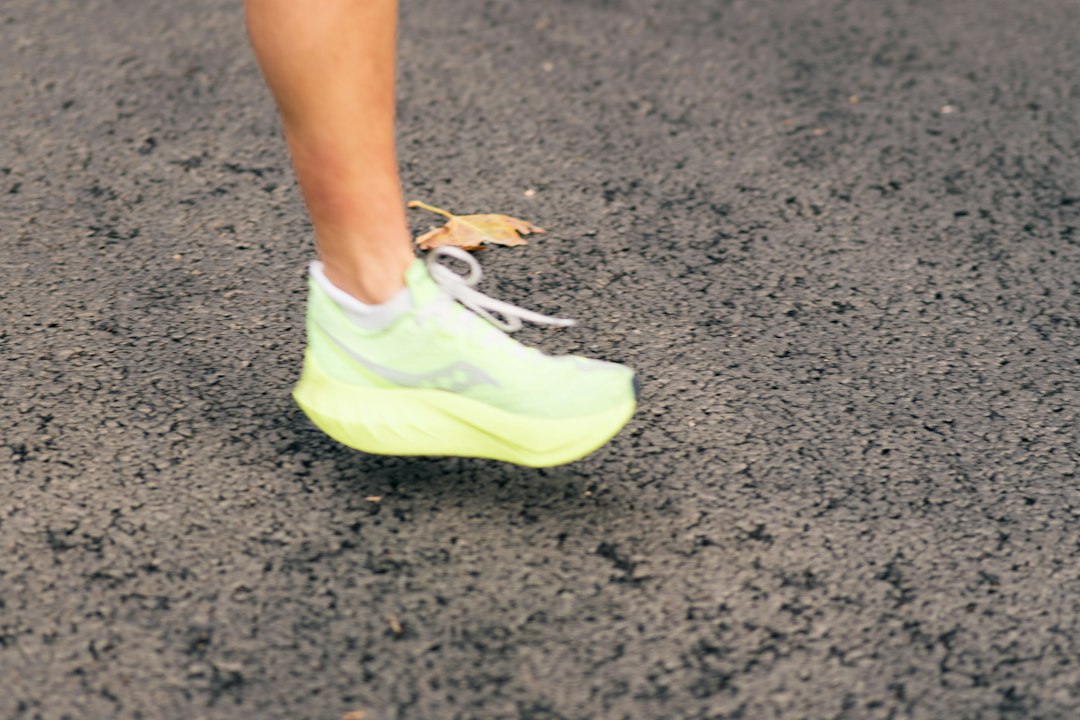
Do not buy a plated racing shoe for a turkey trot unless you already train in that shoe. For everyone else it is a stiff experiment on damp sidewalks in a crowded field. Last year’s colorway of a shoe you already like is a smarter errand than a flagship drop, especially when the event is 3.1 miles and the real appointment is lunch.
The small kit that earns a place in the bag
A simple race belt beats safety pins through a costume shirt you will want to keep. Pins migrate, and they hate a thin long-sleeve. The belt holds the bib, a key, and the gel you may not even use.
Socks are the quiet failure. Cotton that feels fine at minute ten feels like a bad decision at minute forty, cold morning or not, because feet sweat under layers. I send people toward a merino running sock with a real heel, tried on a weeknight, not a novelty pair from a holiday display. Wear them on the week-three outing. If they bunch, they stay home.
Legs next, and only if dawn is actually cold. Northern November 26 mornings often want thermal running tights. A lot of southern trots want neither. Check the forecast the Sunday before, then trust the twenty-degrees-warmer rule I already use with outdoor clients. Dress for minute ten, not for standing still in the parking lot.

The parka in that photo is a useful teacher. It is what you wear to watch, or to walk the dog when the wind is mean. It is a lot of coat once you are moving. Most runners want a packable windbreaker they can tie at the waist, plus a throwaway layer for the corral they are willing to lose. The travel desk next to mine has been living in that dawn-to-afternoon swing all leaf season. Their note on packable jackets that survive a forty-degree start is the longer version if you run cold and still have to stand around for photos.
Hands are the other overcorrection. A thin running glove you can stash in the belt is enough for a lot of 5Ks. Disposable hand warmers are for the twenty minutes before the gun, especially if a child races first and your fingers go white. Pocket them. Do not plan to race with your fists full.
Visibility still matters on a holiday. Plenty of neighborhood trots step off while the streetlights are on. If the course is unlit, or you are rehearsing in the dark, use the visibility kit from earlier this week and come back. Reflective gear is not optional because the vibe is festive.
Water, salt, and the gel you have not practiced
A 5K is short. It is not short for the person out there close to an hour, or the person who skipped breakfast because the kitchen was already a construction site.
If you are jogging thirty to forty minutes on an ordinary breakfast, you do not need a fueling strategy. You need to not debut a new bar at the start line. If you are walking longer, or you fade when the morning is chaotic, carry fluid. A handheld running bottle is less fussy than a vest you will wear once. A water stop may be a folding table staffed by a teenager who is also looking for their own family. Carry the bottle if a ten-minute search would bother you.
Cold does not cancel sweat, especially under a layer you refused to remove. I still point households at a small box of electrolyte packets for the bottle, not a tub of pre-workout. Use one on the Thursday rehearsal so you know it sits well. Sip what you have tested. Do not “catch up” with three packets after you finish.
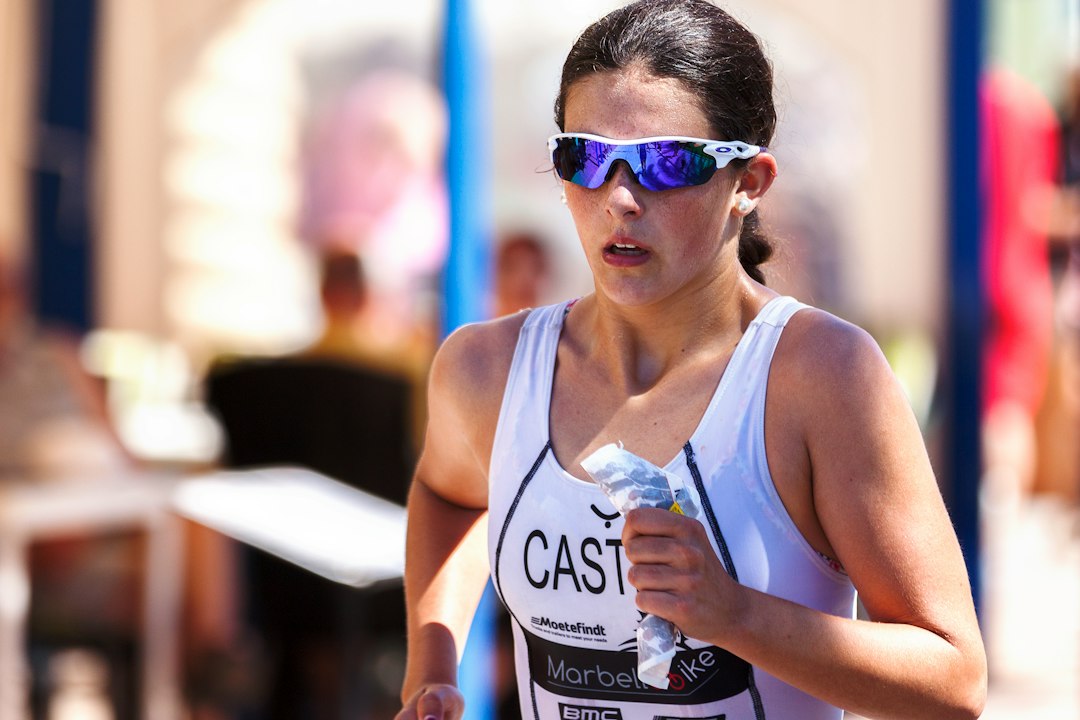
Gels are optional, and for most of this field they are unnecessary. I keep a plain running energy gel in the kit for two people: the walker who will be out long enough to get cranky, and the runner who gets sharp in a bad way on an empty stomach. Open one on a weeknight. If the texture bothers you, race morning will be worse. A banana you already know beats a product you meet in a parking lot.
Blisters are the injury I actually see from this event. A warm spot, a new sock, a damp leaf, a pace you do not use on Tuesdays. A little anti-blister balm on the spots that have ever complained, the night before and again in the morning, is cheap insurance. It does not replace the right shoe. It keeps a hot spot from becoming the story of dinner.
What I take back out of the cart
A new GPS watch. You can cover 3.1 miles with the phone or watch you already wear, or with the clock at the finish. If you want splits, use the app you already trust.
Also out: a weighted vest, a massage gun on overnight delivery, and any supplement you have not taken this month. None of that changes a Thursday you can still prepare for, and none of it helps if you start the night before. The recovery tool I do keep is a high-density foam roller, because it is useful in weeks two through five, not because it performs a miracle on Wednesday. Two minutes on the calves after the easy outing. That is the prescription.
Take back matching family outfits if they require shoes you have not worn. Matching hats are charming. Matching untested shoes are how I spend Black Friday on the phone.
Race morning is a logistics problem
Lay the kit out Wednesday night. Bib on the belt. Socks you have tested. The windbreaker. The throwaway layer. The bottle filled or the powder packet next to it. A small bag for the car with dry socks and the coat you will want the second you stop moving. Thanksgiving parking lots are colder than the race, because you are finally standing still.
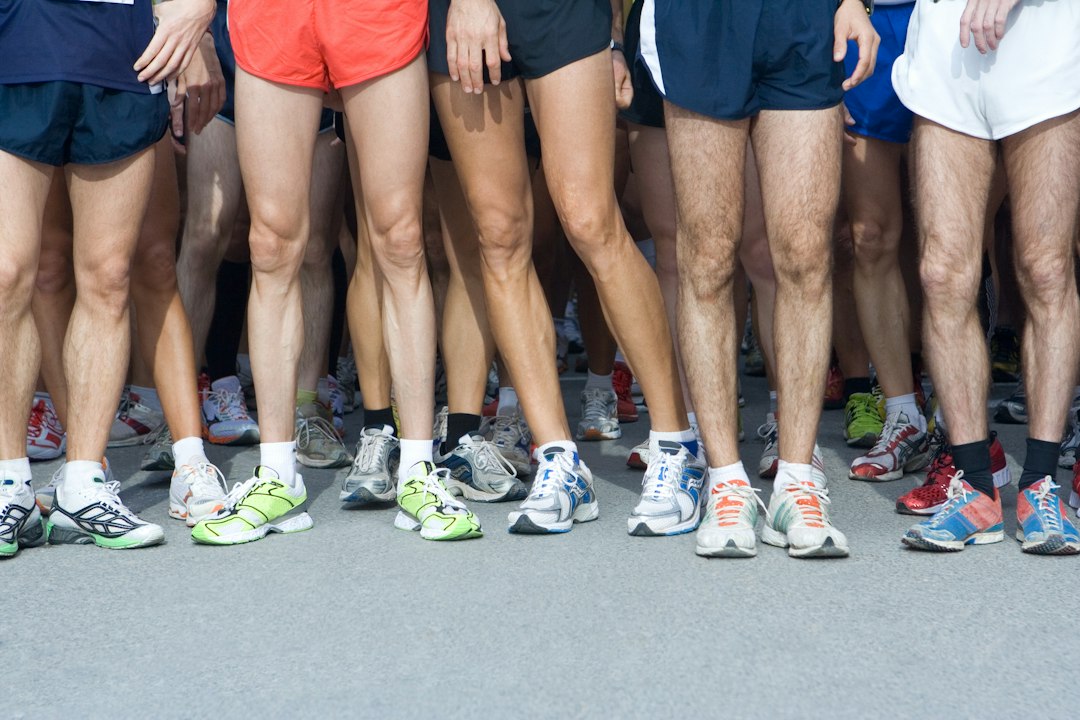
Arrive earlier than your pride wants. The bathroom line is a character in this story, and so is the shuttle if your race has one. Start farther back than your ego suggests if anyone in your group is walking, or if a child is with you. The first quarter mile is a shuffle. Letting the costumed sprinters go costs almost nothing. Getting tangled in them can cost the morning.
Warm up with the time you have. Five to ten easy minutes, a few leg swings, then the corral. A lace check plus a walk to the start will get you there. You will like it more if the first minute is not also your first movement of the day.
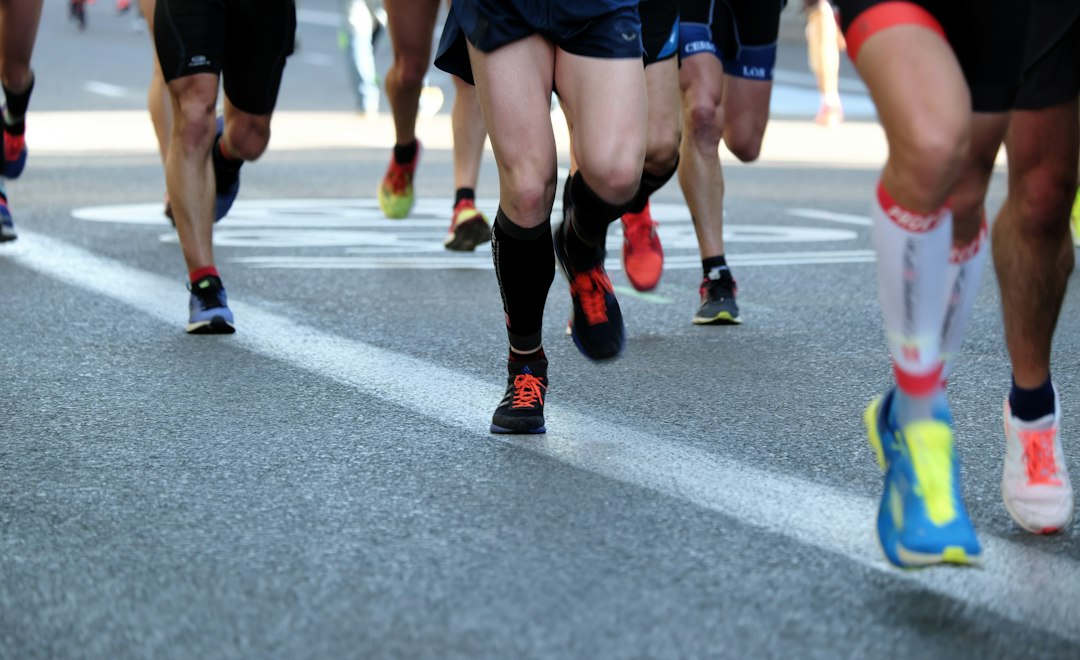
Hold the pace you rehearsed. If you agreed to split, split where you said you would, not when the crowd makes you brave. If a leaf-covered curb looks slick, shorten the stride. Wet leaves in late November are how careful people still roll an ankle while waving at a neighbor.
Then you get to be a person who eats
Change into dry socks in the car if you need to. Put the real coat on before photos. Drink what you carried before the second coffee. Then go to the table.
I do not coach the trot as penance that earns the meal. That framing makes both the miles and the food worse. Show up having practiced the pace, the shoes, the cold, and the company. Finish. Sit down hungry in the ordinary way. The gravy is not a reward you have to deserve. It is lunch, and you got there on your own feet.
If you do one thing after you close this page, make it the entry, not the cart. The belt, the socks, the bottle, the thin gloves can wait until you know the start time and the forecast. The bib cannot. November 26 will arrive whether the group text stays funny or not. I would like you already on the list.