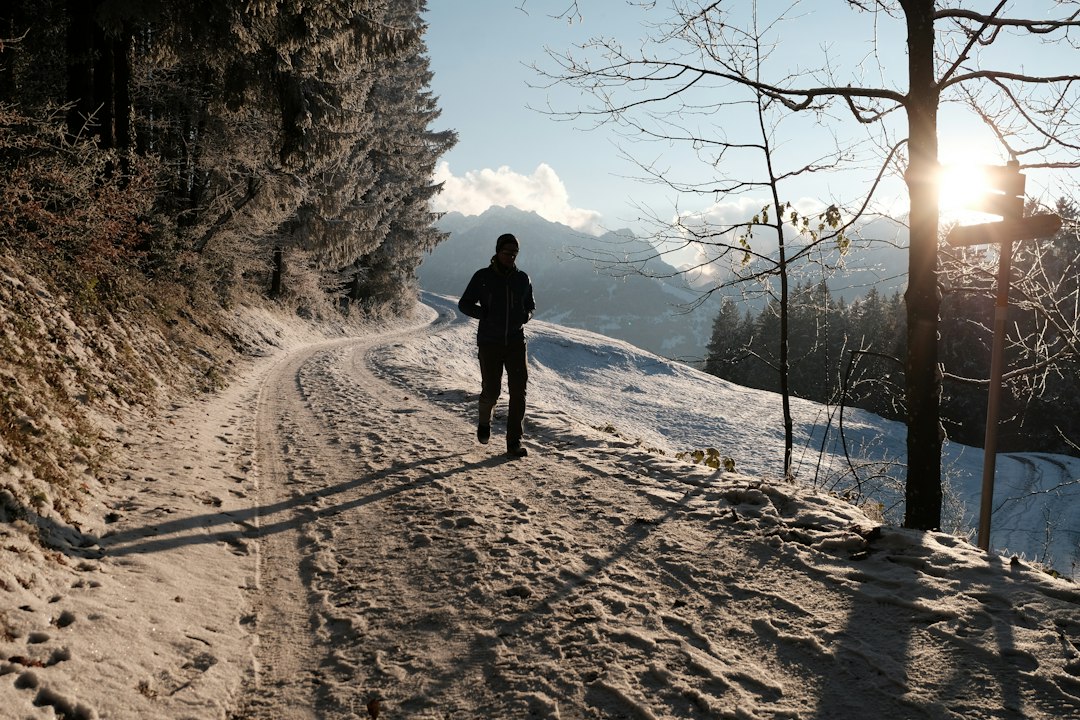
Every year, right around the last week of October, my group texts go quiet. The 6 a.m. crew that spent all of September hammering out tempo work on the river path suddenly develops elaborate excuses. My favorite this season came from a client named Dana, who wrote, verbatim, “it is 38 degrees and I am one woman, not a furnace.” She was joking, but she was also gone for three weeks.
Here is the thing I have learned after two decades of coaching people through the cold: the problem is almost never the cold. It is the wardrobe. Most people dress for the mailbox, not the mile. They step outside in a puffy coat built for standing still, start sweating within eight minutes, and spend the rest of their run damp, chilled, and swearing off outdoor training until April. The fix costs about the same as one skipped month of gym membership, and it starts with a single number.
The Rule That Runs My Entire Winter: Dress for Twenty Degrees Warmer
Write this on your mirror: dress for a temperature twenty degrees warmer than the thermometer says. If it is 35°F outside, you want to be dressed as if you were going on a brisk walk at 55°F. You should feel genuinely cool, almost chilly, for the first five to ten minutes of your workout. My runners call this the “cold shiver window,” and I consider it a sign we got the outfit right.
The physiology is simple once you see it laid out. Exercise is a heat-producing machine — moderate running can crank your metabolic rate to five or six times resting levels, and a lot of that energy escapes as warmth. Within ten minutes, your engine is fully lit and that 35-degree morning feels closer to a mild spring day, at least to your working muscles. Dress for the thermometer and you are effectively wearing a winter coat inside a heated room. You overheat, you sweat buckets, and wet fabric against skin in a wind tunnel is a one-way ticket to misery — or worse, a deep chill on your cooldown walk home.
My team and I drilled this into every client packet years ago, and it remains the single highest-leverage sentence in my coaching library. The people who make it to Thanksgiving outside, then to Valentine’s Day, are not tougher than the ones on the couch. They are just correctly dressed. Ninety percent of “I hate winter running” is honestly just “I was wearing the wrong shirt.”

Your Base Layer Is the Whole Ballgame
Everything in cold-weather dressing hangs on the layer touching your skin, and here I will be blunt: cotton is disqualified until spring. I have a bin of “learning experience” shirts in my garage from clients who did not believe me. Cotton absorbs sweat, holds it against your body, and then radiates the cold inward the moment you stop moving. It is a sponge with a grudge.
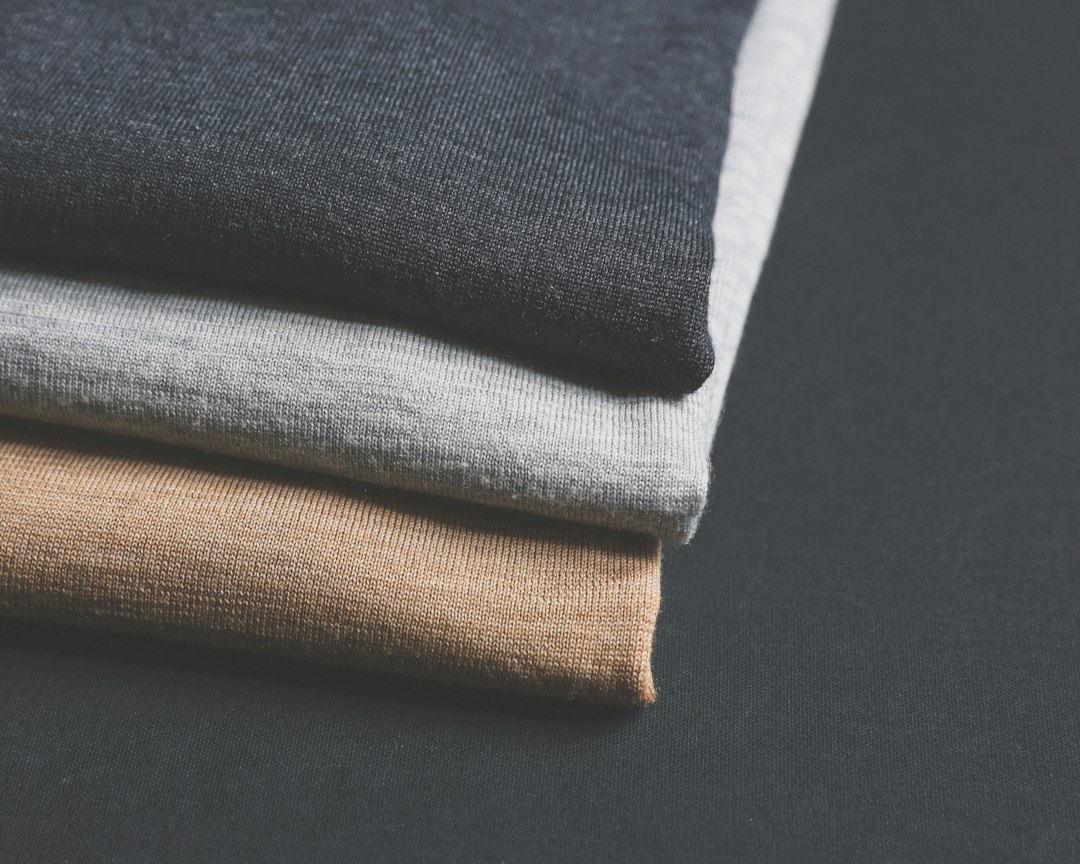
What you want is either merino wool or a quality synthetic. Merino is my personal favorite and the one I put every beginner in — it regulates temperature beautifully, stays warm even when damp, and crucially, does not develop the crime-scene odor that synthetics collect by week three. A good merino set like this 100% merino wool base layer top-and-bottom set covers the majority of your body’s real estate for less than most people spend on a single weekend of takeout. If you run hot or want a lighter start, a merino long-sleeve with socks included, like this thermal crew, is my usual women’s pick for the 40s and above.
The magic trick with merino is that one set covers an enormous temperature band. Worn alone it handles a cool autumn morning; under a windbreaker it takes you into the twenties; under a fleece mid-layer it goes nearly anywhere. That is why I tell people to spend their first cold-weather dollars here, not on a jacket. The jacket is the cheapest part of the system — the fabric against your skin is the investment.
The Middle and the Shell: Where Everyone Overdresses
Once your base is right, the mid-layer and shell become dials, not walls. Between roughly 45 and 25 degrees, a fleece-lined tight on your legs is genuinely all you need down below — and yes, I said tights, not pants. My athletes fought me on this for years until they noticed the difference in chafing alone. Tights move with you, stay put, and trap warmth against skin without billowing. The fleece-lined leggings I recommend most often come as a three-pack for about the price of one pair from a specialty brand, which matters when you are laundering gear after every run. If you want one premium pair with better waistband construction, that is the one splurge I would make — but honestly, start with the basics and upgrade after your first month.
Up top, the rule is thin layers you can shed. A windproof shell over your base layer handles the overwhelming majority of winter days in most of the country, because wind is what actually steals heat — still air at 30 degrees is far friendlier than a 20-mile-per-hour gust at 40. A versatile option like this windproof thermal running jacket blocks the wind while venting the back and underarms so your sweat can actually leave. Zip it fully for the first mile, crack it once your engine is lit, and tie it around your waist if the sun surprises you. The moment you cannot modulate a layer is the moment you have overdressed.

Hands, Ears, and the Extremity Problem
Here is a quirk of cold-weather training your core warmth cannot fix: your body protects the engine first. Blood gets shunted away from fingers and ears toward your trunk, which means your extremities feel winter at roughly double the intensity the rest of you does. This is why a person can be perfectly comfortable in shorts weather-for-their-torso while their hands go numb. You cannot out-tough vasoconstriction — you can only dress for it.
Hands first. A pair of lightweight thermal running gloves with touchscreen compatibility, like these winter training gloves, handles everything above freezing, and I love that I can answer a client’s text at a stoplight without baring a hand. When the mercury drops into the teens I graduate to the Under Armour Storm liner gloves — the water-resistant shell matters more than people expect once sleet enters the picture.
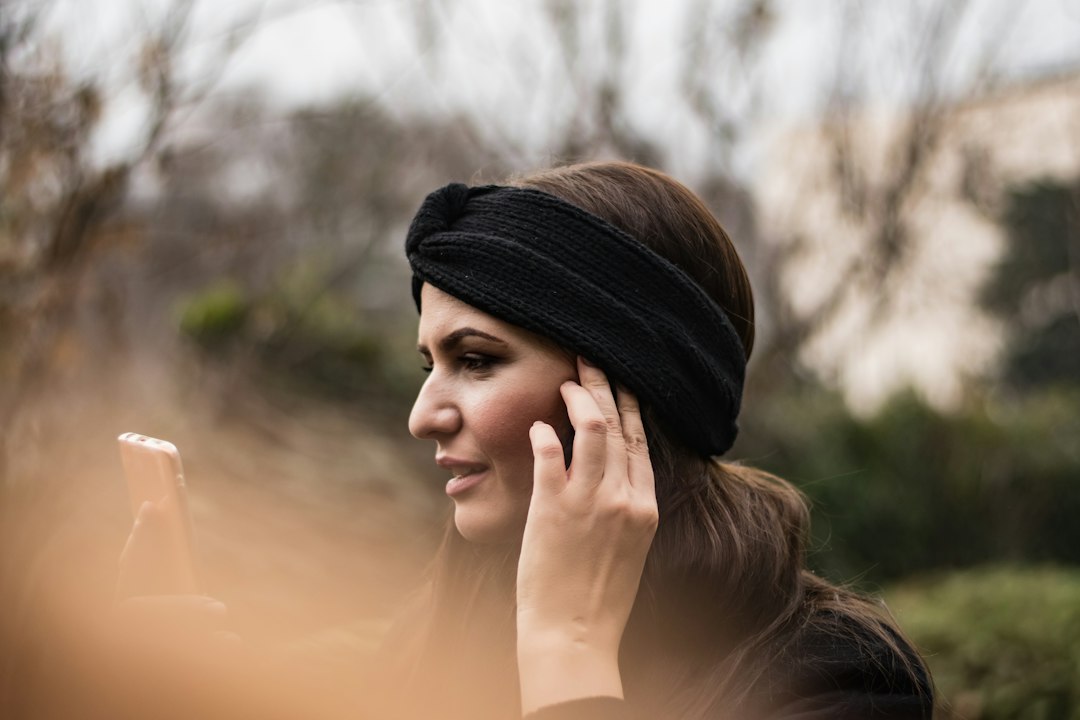
Ears are the other betrayal. A fleece ear-warmer headband does the work of a full beanie without cooking your scalp twenty minutes in — this fleece ear warmer band is the one my whole Tuesday-night group wears, and it slides into a pocket the moment the sun clears the treeline. Add a fleece neck gaiter — I keep a two-pack like this soft fleece neck warmer in my car door — and you have sealed the three escape hatches (head, neck, wrists) where heat literally pours out. And do not forget your feet: merino running socks such as these merino wool ankle crew socks keep toes dry and blister-free when puddles turn to slush.
Seen or Sorry: Visibility Is a Layer Too
I will get off my layering soapbox for one paragraph to climb onto a different one. Cold season and dark season arrive together, and I wrote a whole piece about training through the weeks when daylight disappears — but the wardrobe piece of that puzzle belongs here. If drivers cannot see you, nothing else in this article matters. A lightweight reflective vest costs less than a smoothie and turns you into a beacon from two hundred yards. I pair mine with a clip-on 500-lumen running light for the pre-dawn crowd, because reflective gear needs a light source to work and streetlights are not always on your route. Be lit, be loud, be seen.

My Temperature Cheat Sheet, From Fifty Down to Twenty
After enough winters, my team condensed the whole system into a card I hand out at our first cold-weather session of the year. Steal it, screenshot it, tape it inside your closet door.
- 50s°F: Tights or capris, long-sleeve tech shirt or light merino tee, light gloves optional. You will feel almost naked leaving the door. That is correct.
- 40s°F: Merino base layer top, tights, lightweight gloves, ear coverage for the first mile, optional vest.
- 30s°F: Base layer plus fleece-lined tights, thermal gloves, headband, neck gaiter, light shell if windy.
- 20s°F: Base layer plus mid-weight shell or fleece-lined jacket, heavier gloves, full headband-and-gaiter seal, merino socks. Now you may look like a winter athlete. You have earned it.
Notice what is absent from every row: a parka, ski pants, and anything with the word “arctic” in the name. Save those for the spectator side of the finish line.

When the Ground Stops Cooperating
One last gear note for the weeks when the temperature drops and the pavement starts lying to you. Early-season ice is the sneakiest injury risk in outdoor training — thin, invisible, and concentrated on the exact bridges and shaded corners your favorite route uses. Around the first real freeze I clip a set of Yaktrax walk traction cleats onto my shoes for the shady stretches, and several of my race-training clients — the ones following the fall race blueprint we mapped out in July — keep a pair in the running bag all season. A broken wrist in November costs you more winter fitness than any treadmill ever will.

The Quiet Advantage of the Winter Athlete
I will leave you with the part nobody believes until they live it. The clients who train straight through winter do not simply maintain fitness — they arrive in spring with a psychological edge that takes the rest of the year to fade. There is something about keeping a promise to yourself at 6 a.m. in February that rewires how you negotiate with yourself everywhere else. My heptathlon career taught me that the scoreboard rarely separates talent from toughness; it separates preparation from improvisation.
The darker days do demand their own respect, and if your energy dips as the light fades, go read my piece on what shrinking daylight quietly does to sleep, mood, and training. Pair that with the right shoes from my walking-shoe field guide, add the layers above, and there is no month on the calendar that gets a vote on your training.
Twenty degrees warmer. That is the whole secret. The furnace was always inside you — the wardrobe just has to stop smothering it.