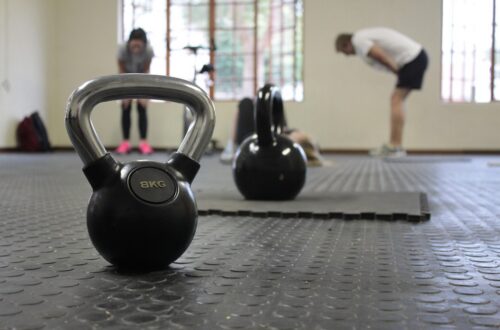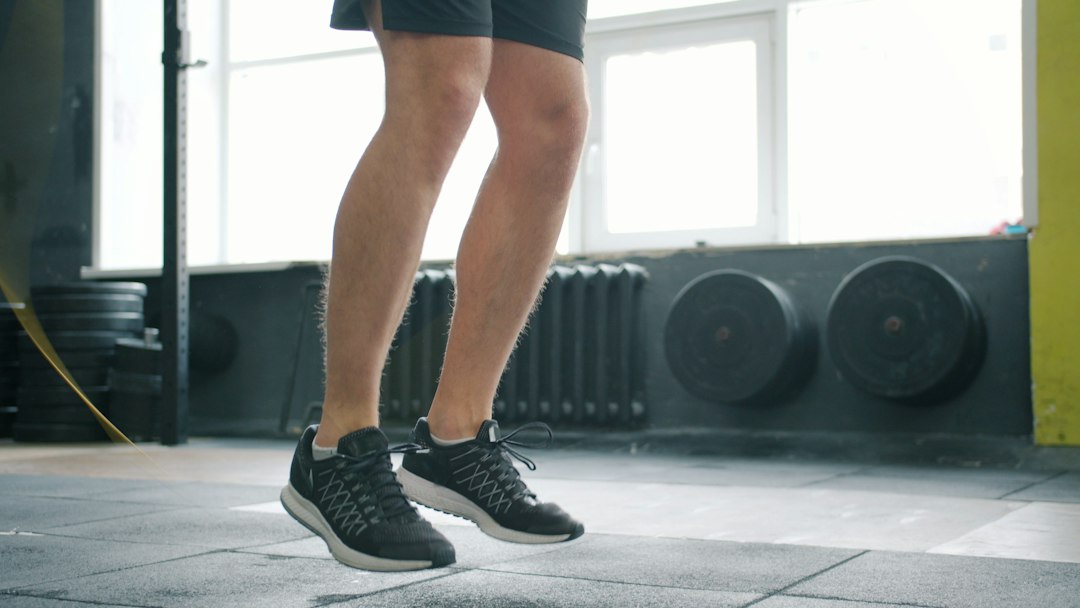
The first piece of equipment I ever owned that was mine, not the team’s, was a jump rope. A plastic speed rope with grey handles that my high school coach handed me in October of my sophomore year with one sentence: “Two hundred turns before supper, every night, until the snow melts.” I did not understand it then. I was a hurdler and a jumper who wanted to be on the track, not bouncing in my parents’ garage under a bare bulb. By spring my ground contacts were quicker, my calves had stopped cramping in the long jump runway, and I could feel the rhythm of a hurdle stride in my sleep.
Decades later, after the heptathlon years and the near miss that still stings a little, I still keep a rope on a hook by my back door. This week I took it down again, because the clocks fall back on Sunday and I know exactly what happens next. The evenings close in, the walking window shrinks, and a lot of good intentions quietly go into hibernation.
So this is my case for the most underrated piece of home cardio equipment on earth, plus the four-week plan my team and I give clients who want a jump rope workout at home that fits between getting home and getting dinner on the table. Ten minutes. One rope. A patch of floor. That is the whole entry fee.
Why the Clock Change Is My Favorite Time to Pick Up a Rope
On Sunday, November 1, most of the country gains an hour of sleep and loses an hour of evening light. If you have been following my four-Sunday countdown to the clock change, your sleep should land softly. Your movement habit is the part that needs a plan, because a 5:15 p.m. sunset does something sneaky to motivation. The outdoor run that felt easy in September now means headlamps, wet leaves, and cold hands.
Earlier this month I wrote a cozy cardio audit for dark evenings, which is all about gentle, low-pressure movement. Jumping rope is the other end of the dial. It is fast, it is a little bit fierce, and it gets your heart rate up faster than almost anything else you can do in a hallway. When I only have ten minutes, that efficiency matters.
It also travels. A rope weighs less than a paperback, which means it comes with me to my sister’s house for Thanksgiving and into every hotel room on the way. Your fitness does not have to pause for the holidays just because the gym is three states away.

What the Research Says About Skipping
I love a good coaching story, but I also want you to know this is not just nostalgia talking. Researchers have been paying real attention to the humble rope lately.
Your aerobic engine. A 2025 trial in the European Journal of Clinical Nutrition put 59 young adults on eight weeks of jump rope training. One group did interval sessions, nine rounds of two minutes at roughly 80 percent of max heart rate, three days a week. Another group skipped continuously for 30 minutes, five days a week. Both groups improved VO2max, the gold-standard measure of cardiorespiratory fitness, by a similar margin, with averages climbing from the low 40s into the high 40s in mL/kg/min. The interval group got there with far less total time on the rope. Neither group changed body composition much in eight weeks, which is a useful reality check: rope is a fitness tool first, not a magic fat eraser.
Your blood vessels. A 2024 study found that twelve weeks of jump rope interval training improved flow-mediated dilation, a marker of how well your arteries relax and respond, in adults carrying extra weight. Healthier vessels are one of the quieter wins of any cardio habit, and it is encouraging to see rope deliver it.
Your bones. This is the one I get most excited about. Bone responds to impact, and a meta-analysis in the Journal of Sports Sciences found that jump training increased bone mineral density at the femoral neck, the part of the hip that tends to fracture, by about 1.5 percent overall, and by about 1 percent in older adults. The typical dose in those studies was modest, around 50 jumps, four times a week. Researchers in Hong Kong have also linked regular rope skipping to stronger heel bones in adolescent girls. I wrote at length about why bone is a verb and needs regular loading; a rope is one of the friendliest ways to supply it.
One honest caveat. If you have osteoporosis, a recent fracture, pelvic floor concerns, or a joint that complains about impact, talk with your doctor or a physical therapist before you start jumping. There are low-impact paths to the same goals, and I would rather you take one than get hurt.
Choosing a Rope Without Overthinking It
Walk into any sporting goods aisle and you will see ropes from five dollars to well over a hundred. Here is how I sort them for clients.
Beaded ropes for learning rhythm
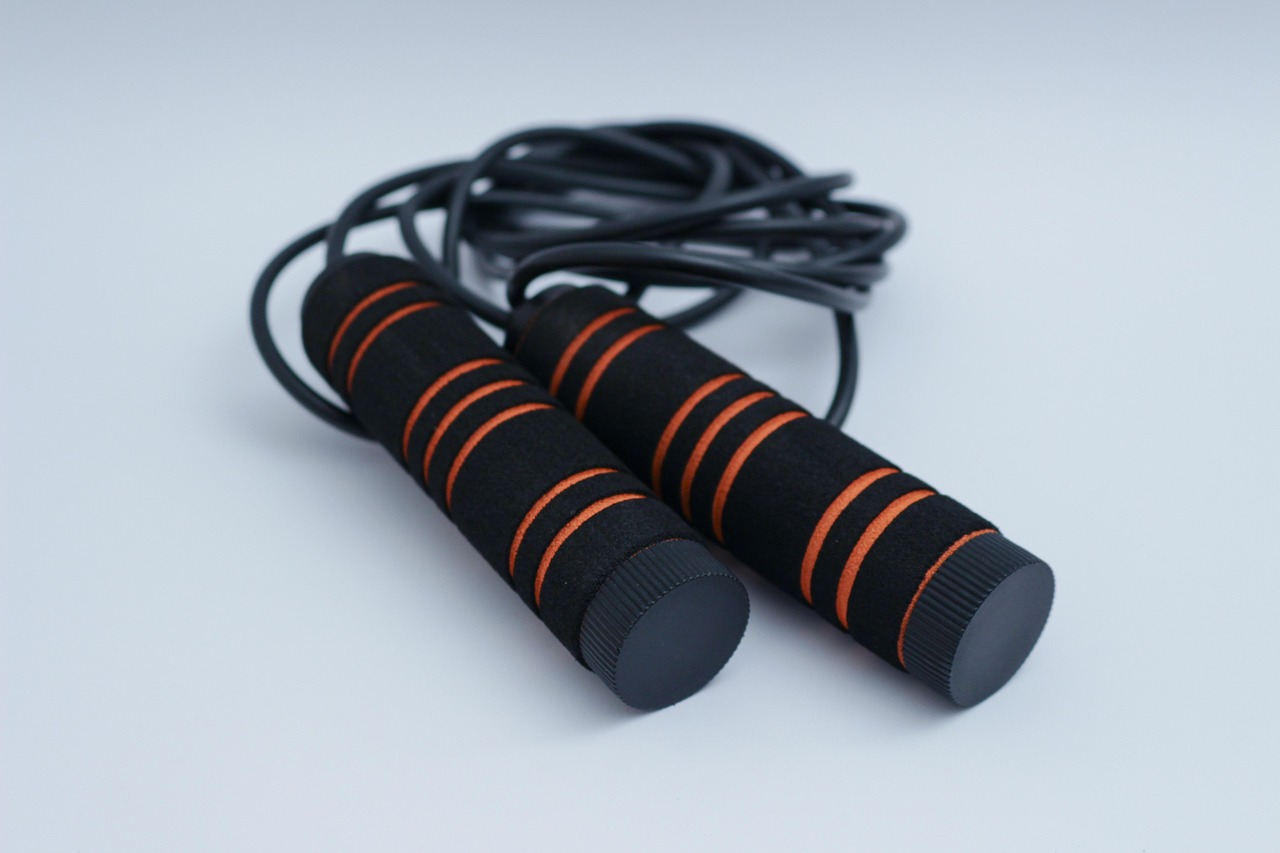
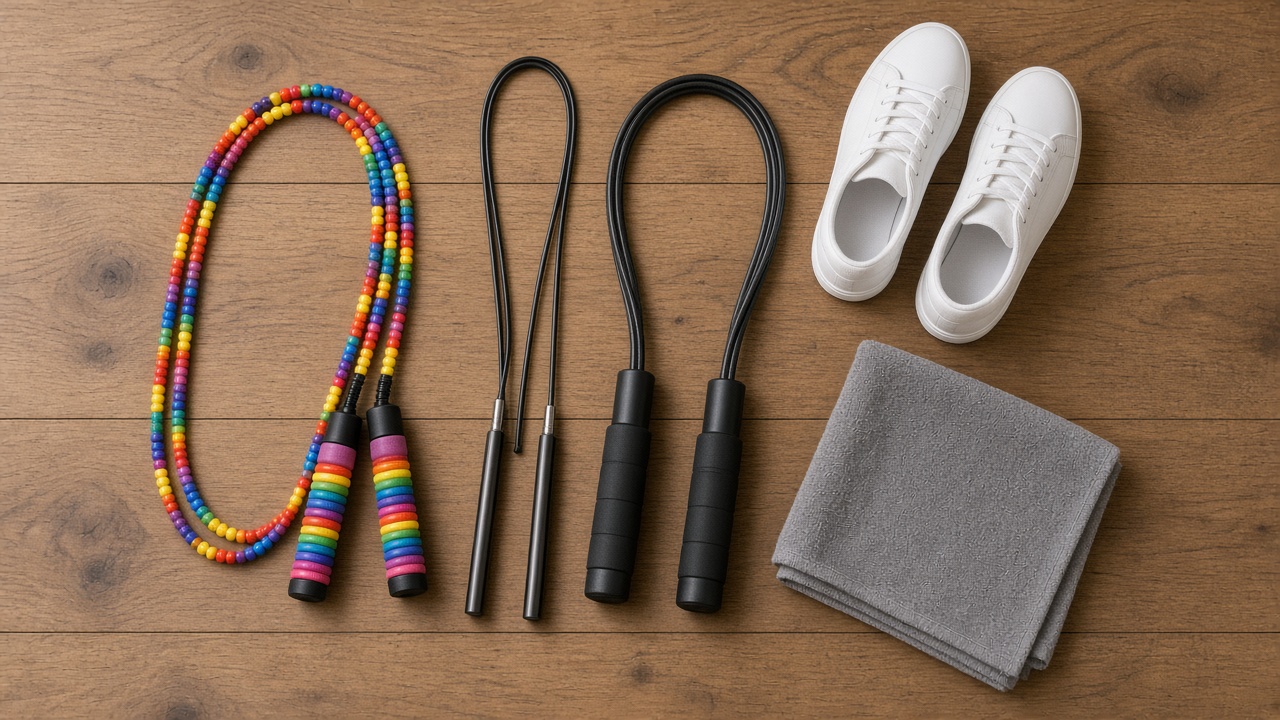
If you have not jumped since recess, start with beads. A segmented rope like the EliteSRS Beaded Jump Rope is a little heavier through the cord, so you can feel where the rope is in space, and it makes a satisfying click on the floor that helps you find a beat. It is also durable on concrete and forgiving when it smacks your shins, which it will.
Speed ropes for quick feet
Once you can string 50 easy bounces together, a thin cable rope opens up faster footwork and eventually double-unders. The WOD Nation Speed Jump Rope is the one I see in more garage gyms than any other, and it adjusts easily. Size it so the handles reach roughly to your armpits when you stand on the middle of the cable.
Weighted ropes for strength-flavored cardio
Weighted ropes are the trend of the year. Market trackers show weighted rope sales up more than 40 percent over last year, and I understand why: a heavier cable makes your shoulders, forearms, and grip work while your heart rate climbs. Systems like the Crossrope Get Lean Weighted Jump Rope Set let you clip on different cable weights. More on who should and should not start here in a moment.
Smart and ropeless options
If counting reps makes you happy, the Tangram Smart Rope tallies jumps and syncs with an app, which my data-loving clients adore. And if you live in an apartment with low ceilings or a downstairs neighbor with opinions, a Cordless Ropeless Jump Rope gives you the same arm motion with short weighted tethers, so nothing ever hits the light fixture. You can even do the motion while marching instead of jumping.
Your Floor, Your Shoes, and Your Ceiling
The rope gets all the attention, but where you land matters more for your joints. Here is my quick setup checklist.
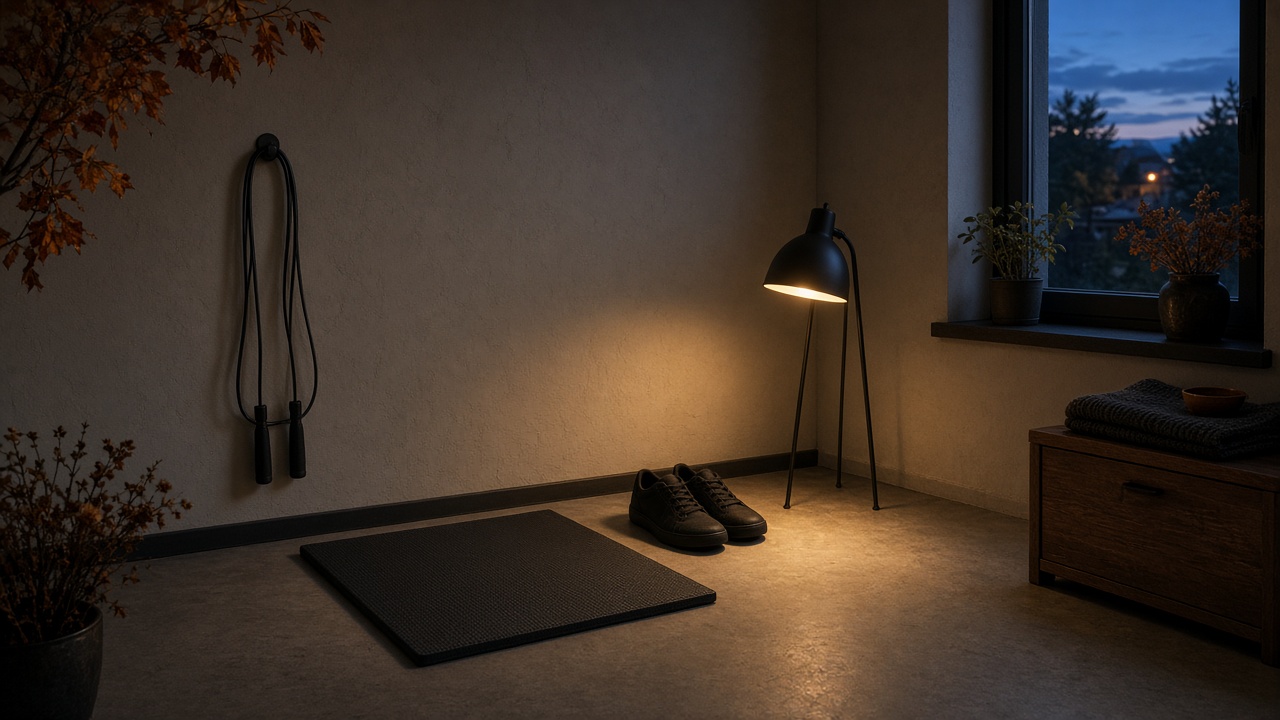
- Surface: Wood floors, rubber gym tiles, and packed outdoor surfaces are the friendliest. Bare concrete and tile are hard on calves and shins and chew through ropes. A Shock-Absorbing Jump Rope Mat solves both problems and doubles as a defined workout spot. Do not jump on a squishy yoga mat; the rope catches, and soft foam makes your ankles work overtime to stabilize. If you want to know which mats belong where, my yoga mat guide explains why sticky and cushy is great for flow and terrible for bounce.
- Shoes: You want a flat, stable training shoe with some forefoot cushion, not a thick, rockered running shoe that tips you around. I like the Reebok Nano X4 Training Shoes for exactly this. Never jump barefoot on hard floors and never in socks on wood.
- Space: Give yourself about two feet of clearance on each side and roughly a foot above your head. Garages, basements, porches, and wide hallways all work. Move the dog bowl first. Ask me how I know.
- Sound: If music keeps you going, open-ear headphones stay put while you bounce and let you hear the kettle or the kids. My colleagues on the tech side have a great breakdown of what open-ear headphones still cost you if you are shopping.
The Four-Week Two Hundred Turns Plan
This is the plan my team built around my old coach’s rule. It assumes you are starting from zero, and it scales up slowly on purpose. Tendons adapt more slowly than lungs, and most rope injuries I see come from doing too much in week one because it felt fun.
Before every session, warm up for three minutes: march in place, roll your ankles, do 10 slow bodyweight squats and 10 calf raises, then shadow-swing the rope at your side without jumping.
Week one: find the bounce
Three sessions. Do 10 rounds of 20 seconds of easy two-foot bounces followed by 40 seconds of rest. That is 200ish turns, which is exactly where we start. Jump only an inch or two off the floor. Land softly on the balls of your feet with your heels kissing the ground lightly, knees soft.
Week two: build the rhythm
Three or four sessions. Ten rounds of 30 seconds on, 30 seconds off. Add a gentle alternating-foot step, like jogging in place, for a few of the rounds. Count your total turns once this week just to see the number climb.
Week three: stretch the work
Four sessions. Eight rounds of 45 seconds on, 30 seconds off. Try a side-to-side bounce or a slow boxer skip for variety. If your calves are still sore 48 hours later, repeat week two instead. There is no shame in that; it is how good athletes are built.
Week four: your first steady minutes
Four sessions. Six rounds of 60 seconds on, 30 seconds off, with one round at a pace that makes talking hard. That is a real interval workout, roughly in line with what the researchers used, and it takes about ten minutes including rest.
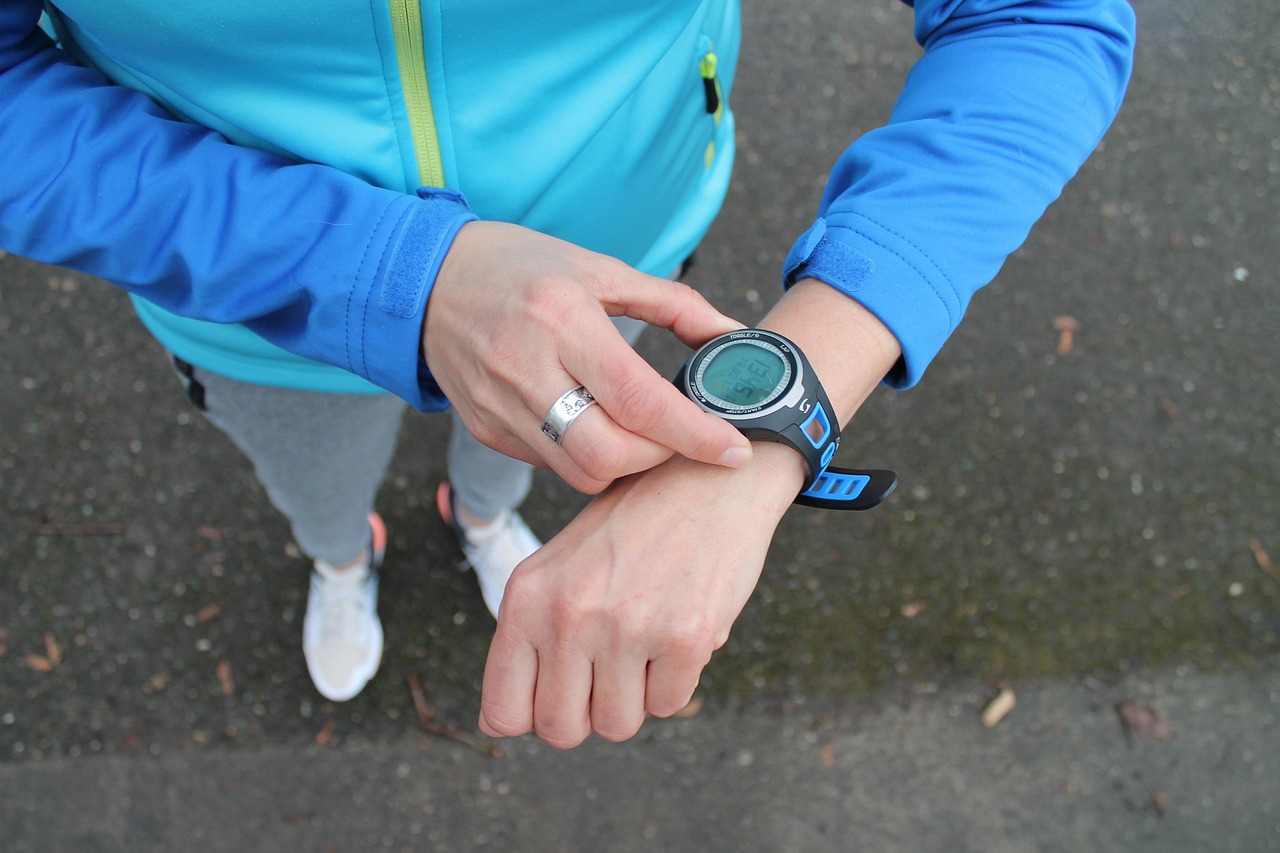
For timing, a phone works, but a clip-on Gymboss Interval Timer beeps or vibrates for you so you never have to look down. I loved mine during my competitive years and I still use it today.
Form Cues I Shout From the Sidelines
- Turn with your wrists, not your shoulders. Picture drawing small circles with your thumbs. Elbows stay close to your ribs.
- Relax your shoulders. If they creep toward your ears, stop, shake out, and start again.
- Stay quiet. Loud landings mean stiff legs. Aim for a light, springy patter.
- Eyes forward. Watching your feet pulls your posture forward and makes you trip more, not less.
- Miss gracefully. Everyone trips. Step out, reset, and keep the clock running.
Should You Go Weighted? An Honest Answer
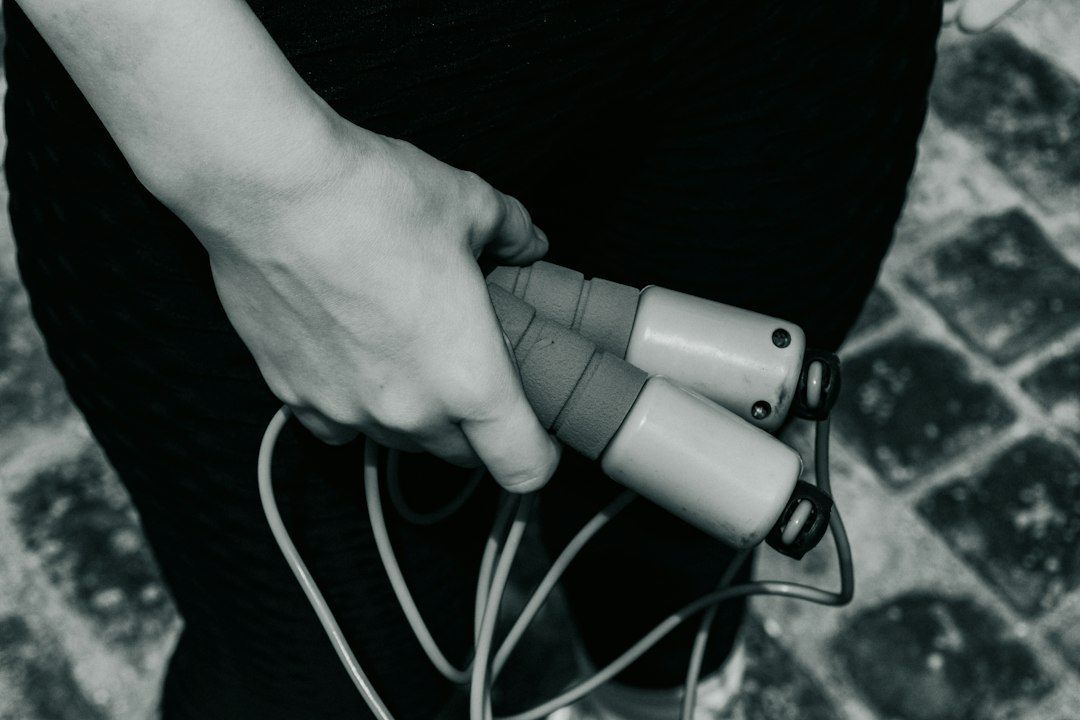
Weighted ropes are wonderful, and they are not for day one. The extra load magnifies every flaw in timing and lands more force on shoulders, wrists, and lower legs. The trainers I trust agree: start unweighted, or at about half a pound at most, and earn the heavier cables.
Here is my rule of thumb. If you can complete week four comfortably and string together two minutes of easy skipping without tripping, you are ready to try a light weighted cable for one or two rounds per session. Skip weighted ropes altogether while you are recovering from a lower-body injury, and if you have shoulder trouble, a lighter rope is the smarter choice.
Rope does not replace lifting, either. If you are a woman in midlife, pair your rope sessions with real strength work. Two or three days of heavy lifting a week fit beautifully alongside a few ten-minute rope finishers.
Caring for Your Calves and Ankles
Your calves and Achilles tendons do most of the work in skipping, and they are the first to complain. A few habits keep them happy.
After each session, do two minutes of calf stretching. A Adjustable Slant Board makes this effortless; I keep one next to my desk and stand on it during calls. Follow with a slow roll on a TriggerPoint GRID Foam Roller, about 60 seconds per calf, pausing on tender spots instead of sawing back and forth.
Twice a week, add slow eccentric calf raises: rise up on two feet, lower down on one over a count of four, 10 to 12 per side. Strong, springy calves are your best insurance policy against the shin splints that make people quit.
And listen to sharp pain. Sore muscles are normal. Pinpoint pain in a shin bone or a heel that gets worse as you jump is your signal to stop and get it looked at.
My Starter Cart for the Short Days
You can do this whole plan with a ten-dollar rope and a flat patch of floor. But if you want the setup I recommend most often, here it is:
- First rope: EliteSRS Beaded Jump Rope for learning rhythm
- Second rope: WOD Nation Speed Jump Rope for quick feet
- When you are ready for load: Crossrope Get Lean Weighted Jump Rope Set
- For gadget lovers: Tangram Smart Rope
- For low ceilings: Cordless Ropeless Jump Rope
- Under your feet: Shock-Absorbing Jump Rope Mat and Reebok Nano X4 Training Shoes
- For timing: Gymboss Interval Timer
- For recovery: Adjustable Slant Board and TriggerPoint GRID Foam Roller
Two Hundred Turns, Then Dinner
My old coach retired years ago, but I think about his sentence every October. Two hundred turns before supper. It was never really about the rope. It was about refusing to let the dark months decide whether I trained. Ten minutes in a cold garage, every night, added up to a faster athlete by spring.

So here is my challenge. On Sunday, when the clocks fall back, hang a rope by your door. Monday evening, before you start cooking, take it down and do week one: ten rounds, twenty seconds each. Tell me how many times you tripped. I will tell you about the night I clipped my own ear and had to explain the welt to my entire team. Then come back four weeks from now and tell me how those six full minutes felt. I have a feeling you are going to surprise yourself.