Every October, my clients start celebrating a little early. “Don’t forget,” someone will say at the end of a session, “we get an hour of sleep back in November.” They say it like they’ve won something. I used to nod along. Then I started actually looking at the data.
That famous extra hour is the most oversold gift on the wellness calendar. The clock changes on Sunday, November 1st at 2 a.m. this year — but your body doesn’t read memos. Your liver, your hunger hormones, and the labrador who wakes you at dawn all run on the old schedule for a week or more. When my coaching team pulled two seasons of client sleep logs, the week after fall-back told a consistent story: wake-ups drifting earlier than intended, restless first halves of the night, 4:45 p.m. hunger that made no sense, and training motivation quietly flatlining in the dark.
Here’s the part nobody tells you, though. Fall-back is the one clock change your body is actually built to absorb — if you give it a runway. The change lands on November 1st, which means the four-Sunday countdown starts October 11th. And with Amazon’s Big Deal Days landing on October 6th and 7th, the calendar is handing you one tidy window to grab the small handful of tools that make the whole thing painless. Let me walk you through exactly how I run these four weeks for myself and every client I coach.
What Sixty Minutes Actually Does to a Body That Trains
Springing forward in March is the brutal sibling — heart attacks and strokes measurably tick up that week. Falling back is gentler, because your internal clock runs slightly longer than 24 hours and stretching later is the direction it drifts naturally. Gentle is not the same as free.
The mismatch shows up in small, annoying ways. You fall asleep fine but snap awake at 5:40 a.m. feeling weirdly refreshed and slightly cheated. Dinner time arrives and you’re not hungry yet — or you’re ravenous an hour before. And the moment your brain registers that it’s dark outside at 5:15 in the afternoon, it starts whispering about the couch. That last one isn’t laziness; it’s biology. Early darkness nudges melatonin earlier, and suddenly the evening walk, the gym session, the whole back half of your active day feels like it’s happening in the middle of the night.
The clients who struggle most in November aren’t the ones with “bad sleep hygiene.” They’re the ones who change nothing for four weeks and then ask their body to absorb a full hour overnight — usually the same night as a Halloween candy surplus, since October 31st falls on a Saturday this year and the clocks change that very night. Sugar, costumes, and a circadian shift, all at once. We can do better than that.
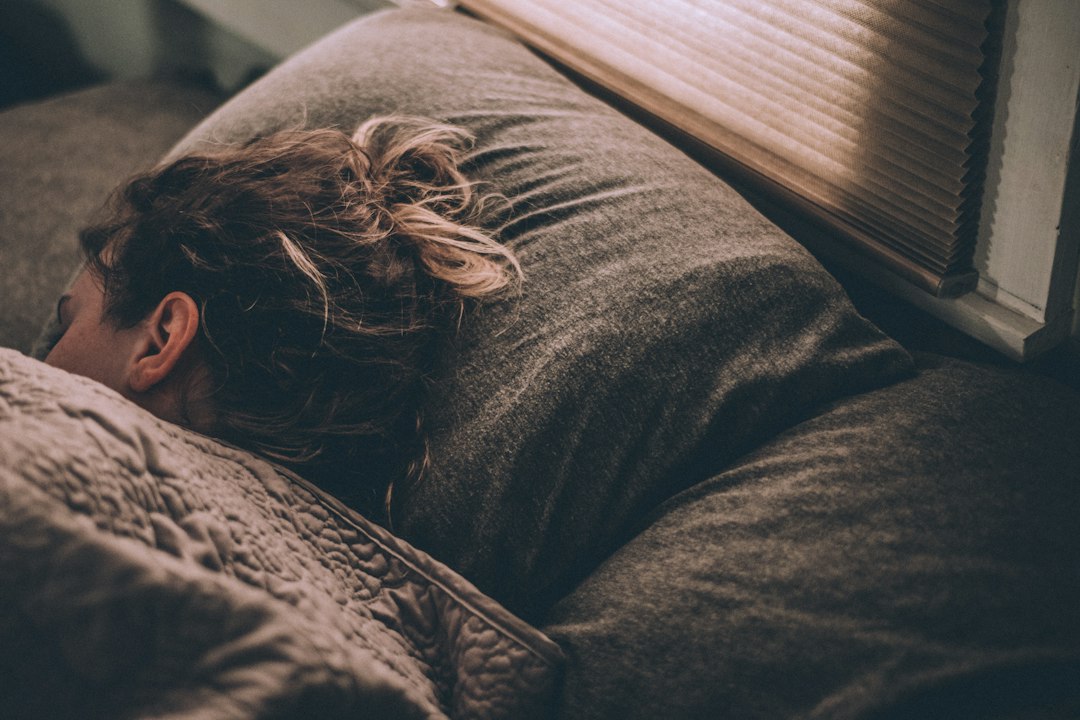
The Four-Sunday Runway
The whole strategy fits in one sentence: nudge your body 15 minutes later per week, starting Sunday, October 11th, so that by the time the clocks fall back, you’ve already arrived. Four steps of fifteen minutes adds up to the full hour, and the final one lands with the change itself.
Each Sunday — the 11th, the 18th, the 25th — shift four things together: dinner, the screens-off call, lights-out, and the next morning’s wake time. Fifteen minutes. That’s it. It sounds too small to matter, and that’s exactly why it works. Nobody fights over fifteen minutes. Your teenager doesn’t stage a protest over fifteen minutes. The move is small enough to slip under your body’s alarm system while still steering the clock.
Two rules keep the runway honest. First, keep the weekend-to-weekday wake gap under an hour, or Sunday’s progress gets erased by Monday morning. Second, get bright light at the new wake time, not the old one — morning light is the pin that holds each 15-minute step in place. Without it, you’re stretching a rubber band that snaps back by Thursday.
A word for the parents and dog owners: the small creatures in your house will not cooperate with any of this on principle. Do the shifts anyway. Kids and labs adjust faster to gradual moves than to overnight ones, and the week after November 1st tends to be far less dramatic in households that pre-shifted, even imperfectly.

Morning Light Is the Whole Game
If you take one habit from this entire article, make it this: get outside within an hour of waking, every single day of the countdown. Even an overcast October morning hands you more light than your kitchen ceiling ever will — outdoor light can run ten to fifty times brighter than indoor light, and it’s the signal your circadian clock respects most. Ten minutes with a coffee on the porch is a legitimate training session for your internal clock.
The catch, of course, is that late-October dawns come late. By the 25th, sunrise is pushing 7:20 in much of the country, and your 6:30 alarm lands in full darkness. This is where a sunrise alarm clock earns its nightstand space — a lamp that fades up like a false dawn and wakes you with light instead of sound. If you want the full thirty-morning field report, I wrote one after letting a wake-up lamp run my mornings all last September. The short version: I’m a convert, and a basic sunrise alarm now sits on every nightstand I furnish.
For the truly dark stretch between the change and the winter solstice, I add a 10,000-lux light therapy lamp at breakfast — twenty to thirty minutes while I eat, which is the dose the research on seasonal mood and morning alertness keeps landing on. It’s not optional equipment in my house; it’s infrastructure. A solid 10,000-lux therapy lamp is one of the few purchases I’d make before the clocks change rather than after, because you want it in rotation before the dark weeks arrive, not during them.
An Evening That Runs Itself
Once the sun starts setting at five-something, your evenings need structure that doesn’t depend on willpower. The brain reads early darkness as nap weather; your job is to build a wind-down so automatic that the darkness stops being in charge.
Start with the lighting itself. After dinner, kill the overheads and run lamps with warm bulbs instead — ideally smart bulbs you can schedule to shift warmer and dimmer automatically from 8 p.m. on, so the room transitions even when you forget. Swapping the bedroom and living-room fixtures to warm-white smart bulbs is a one-evening project that quietly reshapes every evening after it.
Screens are the second lever. I’m realistic — nobody’s abandoning their show mid-season. Set devices to warm-shift automatically, and add a pair of blue-blocking glasses for the last hour before bed. My four-minute wind-down drink — the one that rewired six weeks of my own sleep data — comes with magnesium glycinate as the anchor, and through the clock-change weeks I keep magnesium glycinate in the rotation without exception.
Defend the Bedroom Against Five-O’Clock Darkness
After the change, your bedroom has one job: be a cave, no matter what time the world outside says it is. The new early darkness will happily put you to sleep at 8:30 p.m. and the new early dawn will happily wake you at 5. You want neither.
Blackout curtains are the first line of defense and the single highest-leverage bedroom upgrade for the dark half of the year. If you rent, travel, or just want a zero-commitment version, a contoured sleep mask does the same job — I’ve become picky about masks after years of clients complaining about eyelash contact, and the Manta-style mask with adjustable eye cups is the design that silenced the complaints.
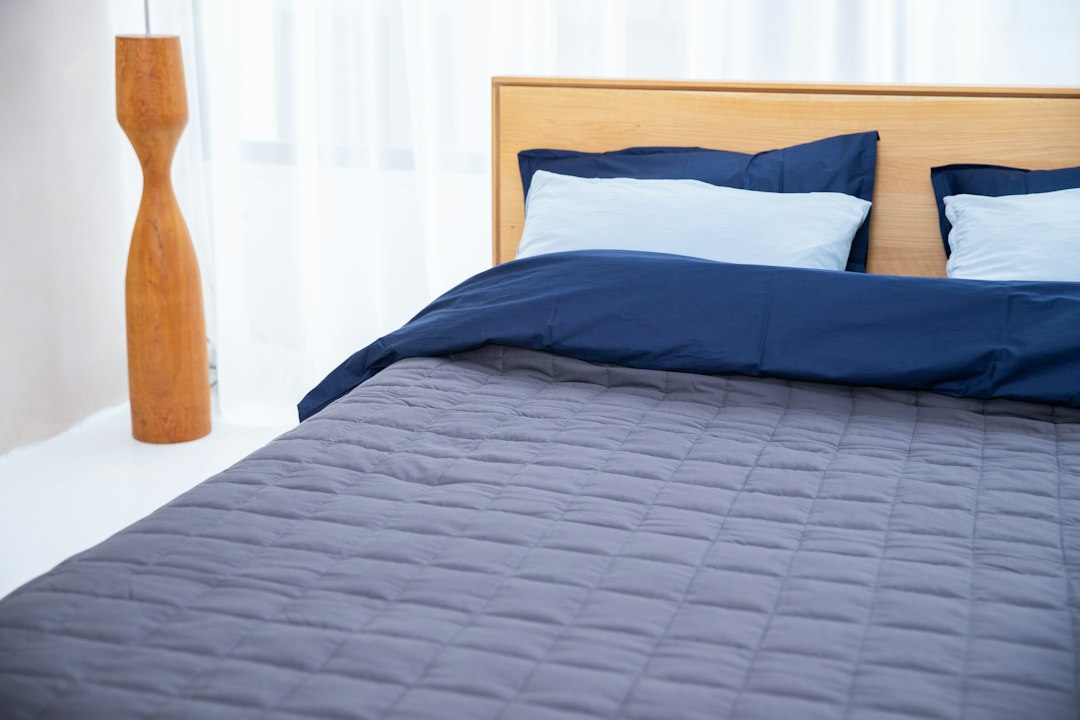
Sound matters more than people expect in November, too. The world gets louder in the dark — earlier commutes, leaf blowers, neighbors who now get home at what feels like midnight to your nervous system. A white noise machine flattens all of it into one ignorable signal; soft silicone ear plugs are the travel-size version. And if there’s one cozy indulgence I’ll defend for the long evenings ahead, it’s a weighted blanket on the reading chair — the post-dinner wind-down got noticeably easier to keep once the couch stopped feeling optional.
Training Through the Dark Weeks
Your workout calendar needs the same four-week treatment your bedtime gets. In the weeks before the change, move your highest-quality sessions to mornings or lunch hours — not because evening training stops working, but because 5 p.m. darkness makes evening training a nightly negotiation you will eventually lose. By mid-November, the clients still training consistently are almost all the ones who moved their keystone sessions into daylight hours before the clocks flipped.
Keep some evening movement, but make it dark-proof: a walk, a mobility flow, a low-key strength session at home. The rule I coach is simple — after the change, evening workouts are allowed to be gentle, they just can’t be optional. If you want the full playbook for training through the six darkest weeks of the year, I laid out my complete light-exit strategy last season, and the twenty-degrees-warmer dressing rule is what keeps my outdoor clients going straight through to Thanksgiving.
The first Monday after the change, treat yourself like you’re on a business trip one time zone over — because metabolically, you are. Shorten the session before you skip it, and don’t judge your fitness by a week your body is spending recalibrating.
Why I Do This Shopping on October 6th and 7th
Full transparency: I don’t love shopping-centered wellness. But I love value, and Amazon’s Big Deal Days — the 48-hour sale running October 6th and 7th — is reliably the steepest discount window of the fall on exactly this category: sleep masks, therapy lamps, white noise machines, blankets, and smart bulbs. My team builds the shortlist every year, watches the prices, and buys the whole kit in one pass. If you already have a Prime membership, you get first crack at those deals, and the practical part matters here too: shipping on bulky things like weighted blankets and floor lamps is fast and free, which means everything arrives with days to spare before the runway starts on the 11th.
Prime members also get the lighter-touch perks that suit this particular shopping trip — early access to the lightning deals on bigger-ticket sleep gear, and returns that are painless if a mask turns out to fight your face or a lamp is brighter than you need. If you’ve been on the fence about a membership, the thirty-day trial window conveniently covers the entire sale, so you can lock the deals, run the runway, and see how the tools fit before you commit to anything longer-term.
Your November 1st Game Plan
Halloween night and the clock change share a Saturday this year, which is honestly perfect — the whole country gets Sunday morning to land softly. Here’s the script. Saturday: trick-or-treat, enjoy the candy, but hold your normal bedtime; the clocks will hand you your extra hour overnight. Sunday morning: wake at your usual clock time, then get outside within the hour — a walk in whatever daylight the morning offers, at the new time, no exceptions. Train at your usual clock time. No naps after 2 p.m., dinner at the usual clock hour, lights low and warm from dinner on.
By Wednesday, most people who pre-shifted feel like nothing happened at all. The people who changed nothing are still eating lunch at 11 a.m. and wondering why. The difference was never the hour. The difference was the four Sundays before it.
So no, the extra hour isn’t the gift — the runway is. Start your fifteen minutes this Sunday, get your face in the morning light, set the bedroom up to defend you, and move the workouts daylight-ward. Do that, and November 1st becomes the easiest clock change of your life instead of the week your routine quietly falls apart.