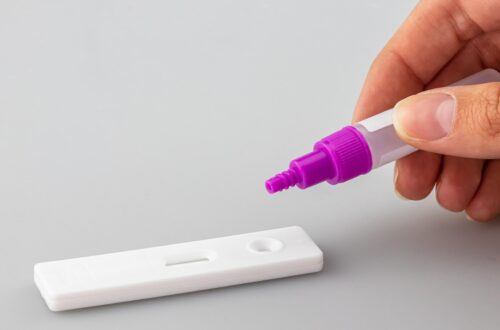
Every year, somewhere between the first pumpkin pie and the last New Year’s toast, I get the same text from a client: “Half the house is down, and we’ve been using hand sanitizer on everything. What happened?” What happened is norovirus, the stomach bug that moves through family gatherings the way a rumor moves through an office. And the hand sanitizer pump on the entryway table, the one everyone feels so responsible about, is the least effective tool in the building.
The CDC counts roughly 20 million norovirus illnesses in the United States each year, and cases climb through the cold months, with the busiest stretch running from late fall into early spring. The gatherings start in about two weeks, so this is the moment to set up the house, not the morning after the first midnight emergency. My team and I went back through the CDC guidance and the clinical material I send to my coaching families, and I rebuilt my own holiday checklist around one idea: make the sink the easiest, most obvious thing in the house.
Why the Gel Fails Where It Matters
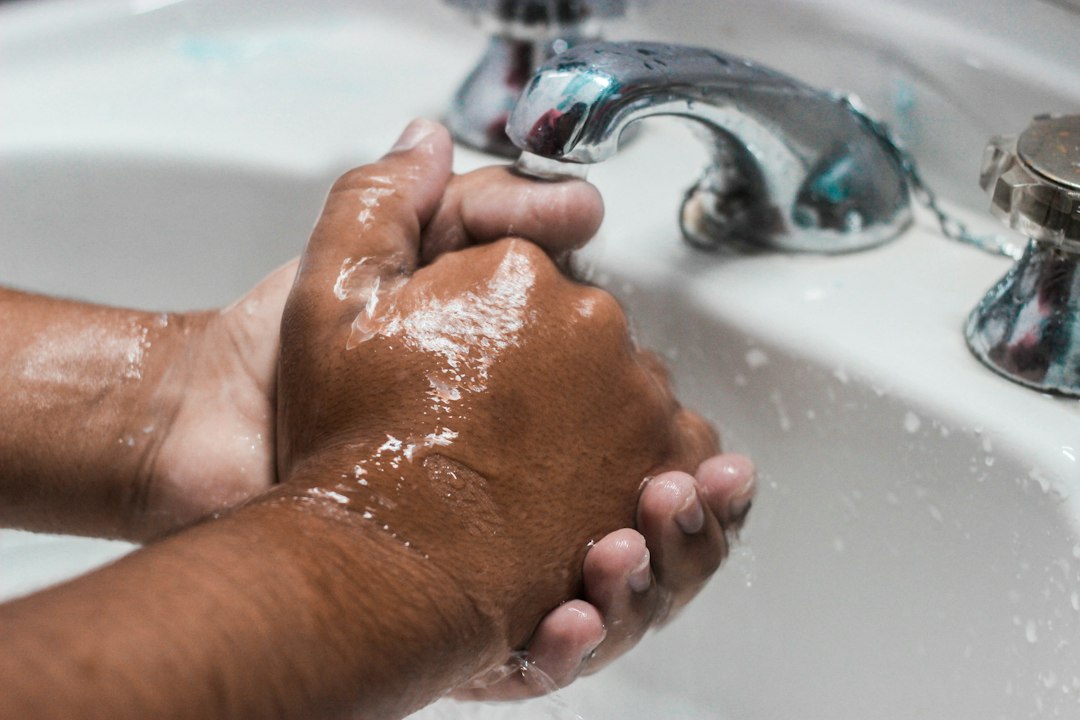
Most of us learned hand hygiene from flu season, and alcohol gel does a decent job against many respiratory germs because those viruses are wrapped in a fatty envelope that alcohol dissolves. Norovirus has no such envelope. It’s a naked, tough particle, and the concentration of alcohol in a typical sanitizer doesn’t reliably disable it. The CDC says plainly that hand sanitizer is not a substitute for washing with soap and water when norovirus is the worry. Sanitizer can be an extra step when a sink isn’t available, but it’s a backup, never the plan.
The second problem is dose. It takes only a tiny number of virus particles to make a healthy adult sick, and a single person with active symptoms can shed billions. That asymmetry is why one cousin who “felt a little off” on Thursday can take out a dining room by Saturday. The virus travels on serving spoons, door handles, bathroom faucets, and the hands that carry food to the table.
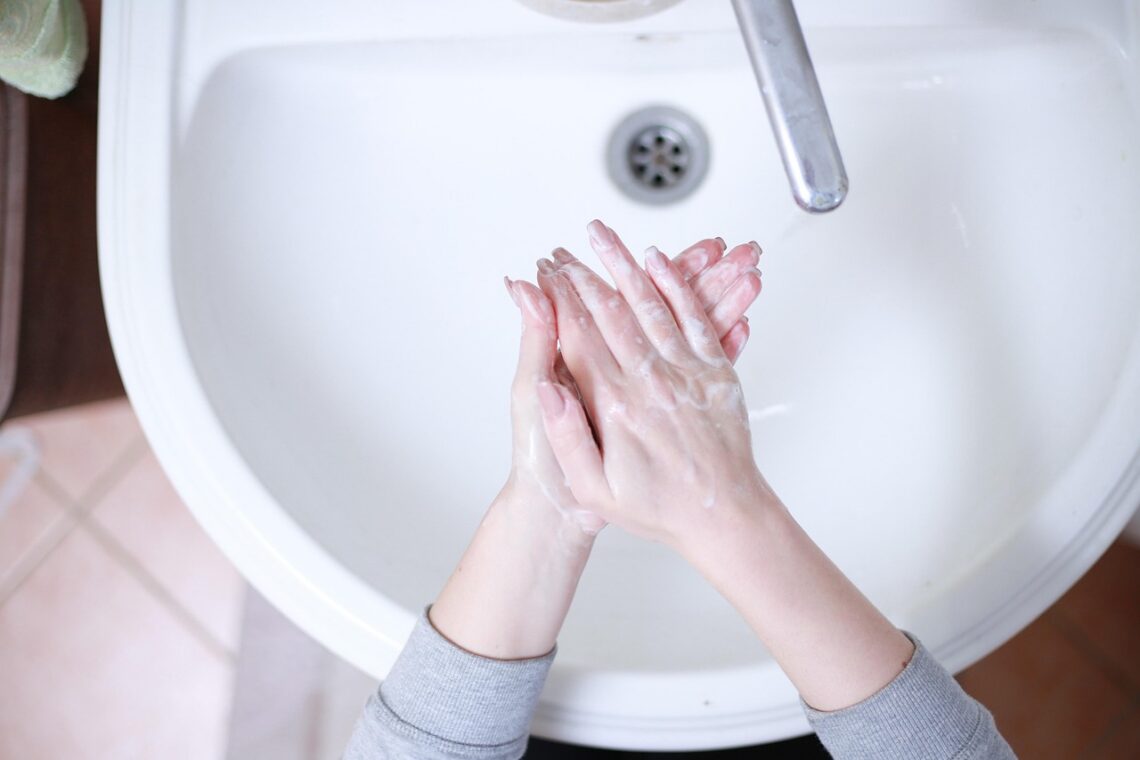
What does work is boring and mechanical. Soap and running water lift the particles off your skin, and the friction of scrubbing does most of the real work. Twenty seconds, backs of the hands, between the fingers, under the nails, then a rinse and a dry with a clean towel. I tell clients to hum the chorus of a song they actually like, because a 20-second count gets rushed by the second Thursday of the season.
The Soap Station I Set Up Before Anyone Arrives
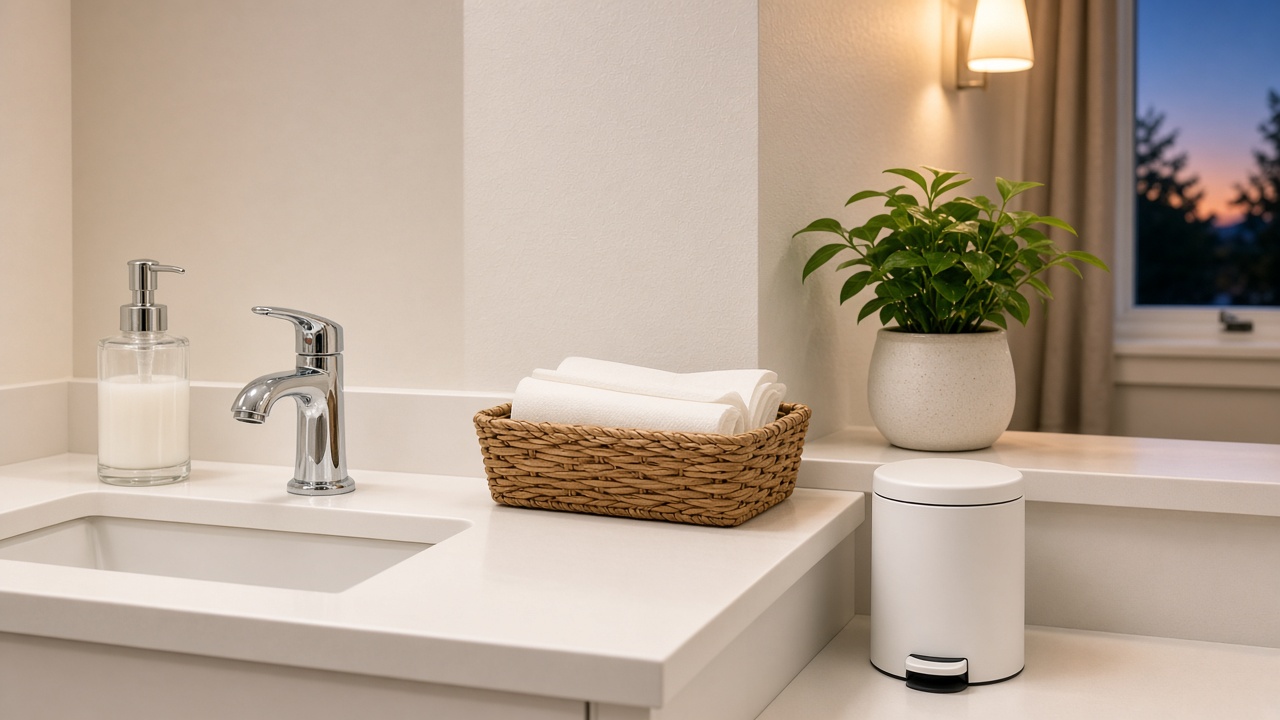
Here’s my bathroom-and-kitchen rule: every sink guests will use gets a pump soap that’s actually pleasant to use, and the trash can and towels are where a wet-handed person can reach them without touching anything else. A pump bottle that smells nice and foams well gets used, and one that’s empty or hidden under the sink never does. I like Mrs. Meyer’s Clean Day Liquid Hand Soap for the main bathroom because it lathers fast and guests don’t need instructions.
The towel problem is the one people overlook. A single shared cloth hand towel is a relay baton for germs, and by Friday it’s damp and warm and not helping anybody. For a house with company, I switch to single-use paper towels or disposable guest hand towels at the bathroom sink and let people toss them. My helpers set this up in about ten minutes, and it’s the change clients tell me they’d keep every year.
And in the kitchen, where a lot of norovirus spreads through food, the rule is stricter. Anyone who has been sick, or who’s cooking while recovering, stays out of the food. The CDC advises people not to prepare food for others while they have symptoms and for at least two days after they stop. Some people keep shedding the virus for two weeks or more, which is why the hand-washing habit matters even when everyone appears healthy.
When Someone Does Get Sick: The Cleanup Protocol
This is the part nobody wants to read, and the part that stops a household outbreak. Norovirus survives on surfaces for days, and standard everyday sprays often aren’t strong enough. The CDC’s guidance for cleaning up after vomit or diarrhea comes down to a few steps, in this order:
- Gear up first. Put on disposable nitrile disposable gloves and a mask before you touch anything, because vomiting can spray tiny droplets and a mask helps. I keep a box of KN95 face masks in the same drawer as the gloves.
- Remove the mess first. Use Bounty Select-A-Size Paper Towels to wipe up as much as you can, then bag it in a plastic trash bag, tie it, and put it in a second bag if you have one. Glad ForceFlex Drawstring Trash Bags hold up better than the thin bags that come in a multipack.
- Clean, then disinfect. Wash the surface with soap and water, then disinfect with a chlorine bleach solution. The CDC’s recommended strength is 5 to 25 tablespoons of regular household bleach per gallon of water, and the surface should stay wet for at least five minutes. Mix it fresh, use it in a ventilated room, and never combine bleach with ammonia or other cleaners.
- Rinse and air out. Rinse food-contact surfaces with plain water afterward.
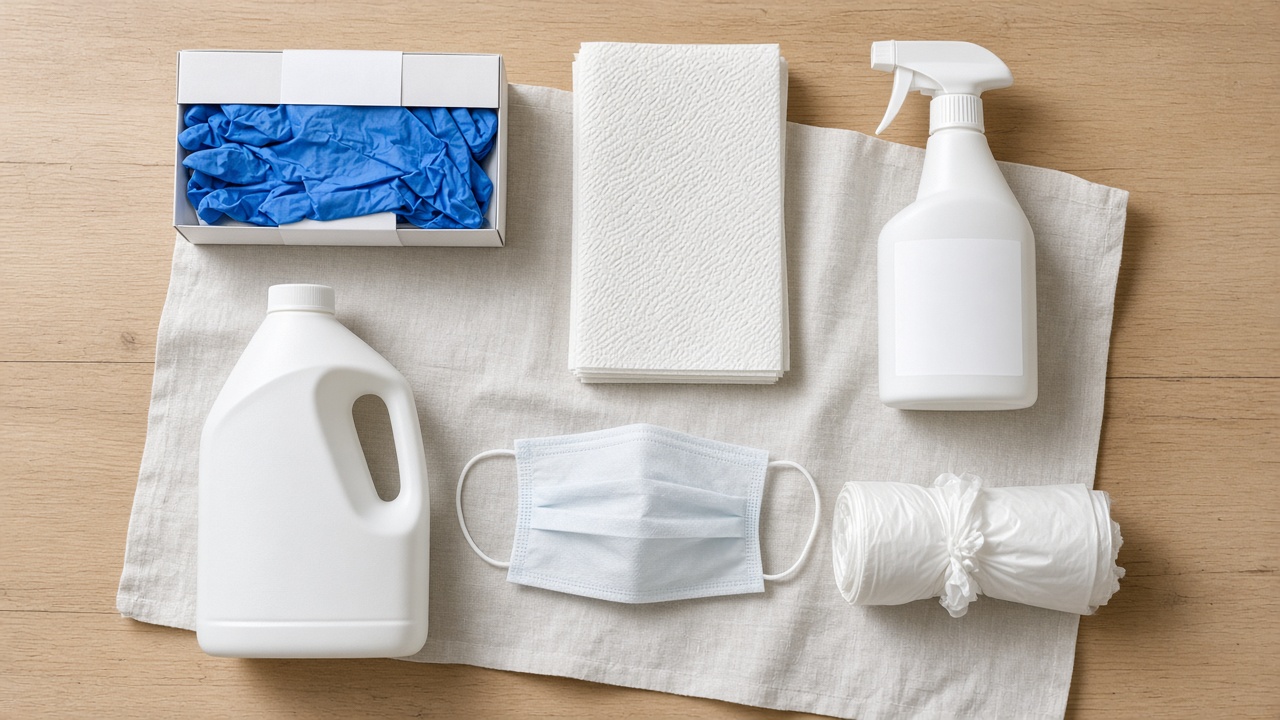
I keep one Clorox Concentrated Regular Bleach jug, which is very different from “splashless” or scented versions that don’t reach the disinfecting strength the guidance is built on, and a labeled heavy-duty 32 oz spray bottle with a marker line on it for the mix. Bleach solutions weaken over time, so I mix a new batch rather than saving it, and I never leave it unlabeled in a cabinet where a child could find it. If bleach isn’t an option for a surface, look for an EPA-registered product with norovirus on the label. A can like Lysol Disinfectant Spray can handle some of those jobs, but I always read the label for the specific norovirus claim and the contact time.
The Laundry Rule That Surprises People
Bedding, towels, and clothes that touched vomit or stool need their own protocol. Wear gloves, handle the items as little as possible, and don’t shake them. Wash with detergent on the longest cycle that’s safe for the fabric, then dry on the highest heat setting you can use. Heat is on your side with norovirus, and “quick wash, air dry” is the combination that lets it survive.
One more thing from the hard-won file: don’t carry that laundry through the house against your chest. Bag it at the bedside and carry it out in the bag, and wash your hands before you go back to anything. It sounds fussy until you’ve watched an outbreak move down a hallway.
Hydration Is the Real Treatment
There’s no medication that cures norovirus, so the whole game is hydration while it runs its course. Most healthy adults feel better in one to three days, but the real danger is dehydration, especially in small children, older adults, and anyone with other health conditions. Sips beat gulps, because a big drink on a rebelling stomach comes right back. Small amounts of fluid every few minutes, and an oral rehydration solution rather than plain water or sports drinks with lots of sugar.
I stock Pedialyte Electrolyte Powder Packets in the pantry before the season starts, since single-serve packets store flat and you aren’t running to a drugstore at 2 a.m. For anyone too queasy to get up, a pack of disposable emesis bags on the nightstand cuts down on both the mess and the panic.
Call a clinician if someone can’t keep fluids down for a day, has signs of dehydration (very dark urine or none for eight hours, dizziness when standing, dry mouth, no tears in a child), has blood in the stool, a high fever, or symptoms that go past three days. Babies and older relatives deserve a lower threshold for a phone call. I’m a coach, not a doctor, and this is where I step aside and tell families to call.
What Heat and Food Can and Can’t Do
Cooking helps, but not always enough. Shellfish, especially raw oysters, and leafy greens are common sources, and norovirus can survive a quick steam. Heating shellfish thoroughly to an internal temperature of at least 145 degrees Fahrenheit is the safer route. Wash produce well, and keep a pot of hot water handy for jobs that benefit from it, like washing serving utensils between dishes.
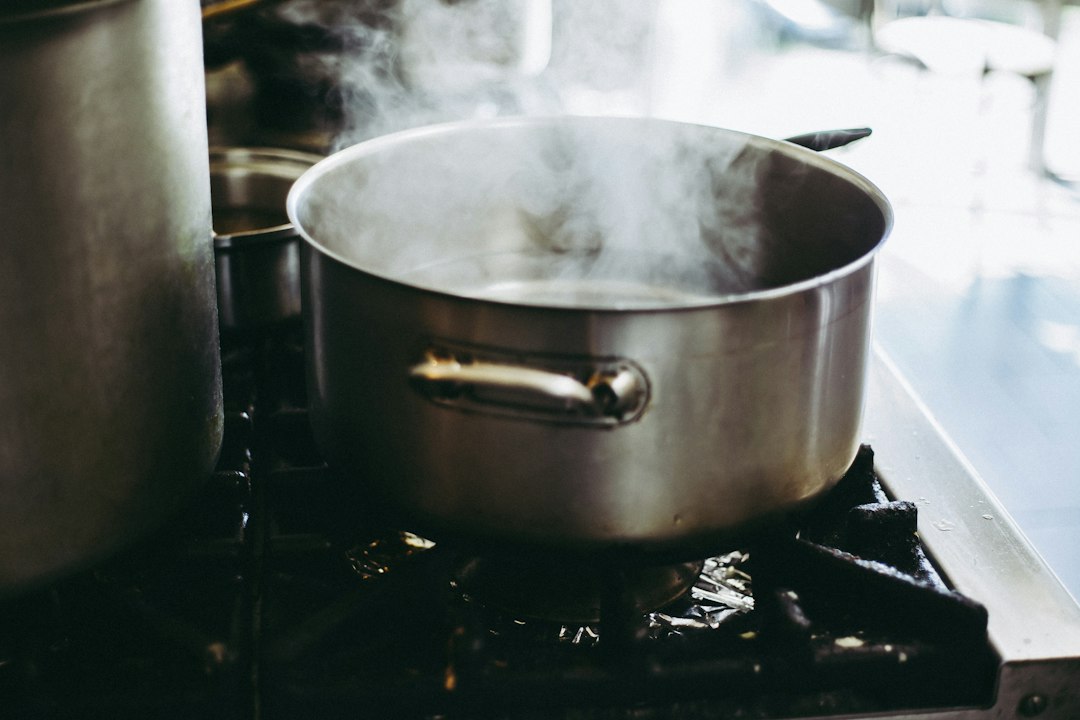
If you do end up feeding a recovering household, my own recovery week leans on broth and soft, bland food. The batch pot I wrote about in my Sunday soup guide is exactly what I reach for once the stomach settles, and the pacing rules in my five-day return ramp work just as well after a stomach bug as after the flu: no training until you’re eating normally and your energy is real.
Flu Season Is Not Norovirus Season, and Your Plan Needs Both
It helps to keep the two straight, because the prevention playbooks overlap but aren’t the same. Flu and COVID are respiratory: masks, ventilation, vaccines, and home tests do real work there, which I laid out in the flu-and-COVID home test plan I give every household. Norovirus is a contact-and-surface problem: soap, bleach, laundry heat, and food handling. A house that does both well loses far fewer days to illness, and a thermometer gets used in both. I keep a simple digital oral thermometer in the same kit.
If your guests include someone who recently recovered, you don’t have to cancel Thanksgiving. Ask them to wait out those extra two days, stay out of the kitchen, and wash up like it’s their job. People are usually relieved to be given a script. And for the cleanup afterward, the logistics in this jobs-card system on home.omnux.com make it easy to assign the soap-and-towel jobs to people who’d otherwise stand around.
The Short Answer: My Holiday Norovirus Kit
If you only do five things before the gatherings begin, make them these. Each one is linked so you can grab them before the Black Friday rush.
- Soap people will use: Mrs. Meyer’s Clean Day Liquid Hand Soap at every sink guests touch.
- Single-use drying: disposable guest hand towels instead of one shared cloth towel.
- Cleanup crew: nitrile disposable gloves, KN95 face masks, and Bounty Select-A-Size Paper Towels in one drawer.
- The strong stuff: Clorox Concentrated Regular Bleach and a heavy-duty 32 oz spray bottle, labeled and stored out of reach of kids.
- Rehydration: Pedialyte Electrolyte Powder Packets in the pantry, so you aren’t shopping while sick.
The reason this matters to me is simple. Gatherings are the point of the season, and a stomach bug that takes out half a family steals the one week people have set aside to be together. A few dollars of supplies and ten minutes at the sink won’t make you immune, but it does shift the odds, and for a bug this contagious, shifting the odds is the whole game.
This article is general wellness information, not medical advice. If you or a family member has severe symptoms or signs of dehydration, contact a healthcare provider.