The text came in at 6:12 on a Sunday morning, from a client who has not missed a Tuesday strength session in two years. “Scratchy throat, achy everything, 101.2. Do I lift or not?” Before I answered the training question, I asked her a different one: “Do you have a test in the house?” She did not. Neither did her husband, her two teenagers, or the grandmother flying in for Thanksgiving in four weeks.
That exchange has repeated itself more times this October than in any fall I can remember, and the numbers explain why. Flu showed up early this year. The CDC’s FluView report for the week ending October 17 said early-season activity is running higher than usual for this time of year, and 99.2 percent of the influenza A samples that labs subtyped that week were H1N1. The share of flu tests coming back positive was 5.7 percent that week, compared with under 1 percent at the same point last year. National activity is still officially low, but it is climbing in most states, and the strain circulating carries a mutation that may help it slip past some existing immunity.
So this is not my usual post about whether to train through a cold. (I wrote that one earlier this month: my three-light plan for training through cold season still stands.) This one is about the step before that decision: knowing what you actually have, fast, and setting up your house so one sick person does not become five sick people right before the biggest gathering of the year. My team spent the past week reading FDA instructions, CDC guidance, and test inserts so you do not have to.
Quick and important: I am a coach, not your doctor. Everything here is about being prepared and knowing when to call one.
Why a Name on the Virus Changes the Plan
For years, “I think it’s the flu” was a guess you made from the couch. It did not change much. Today it does, for one reason: prescription flu antivirals work best when they are started early, ideally within 48 hours of the first symptoms. The CDC says those medications are especially important for people at higher risk of complications, which includes adults 65 and older, pregnant people, young children, and anyone with asthma, diabetes, heart disease, or a weakened immune system.
If you wake up feverish on a Saturday and wait until Monday to “see how it goes,” you may have burned most of that window. A positive flu result on a home test at 7 a.m. turns a vague misery into a specific phone call to your doctor or a telehealth visit before lunch. That is the whole argument for keeping tests in the cabinet. It is not about curiosity. It is about the clock.
The same logic applies to COVID, which has its own prescription treatments for higher-risk people, and its own time-sensitive window. A combo test answers both questions with one swab.
Before Any Test: The Shot Calendar Closes This Week
I would be doing you a disservice if I jumped straight to swabs. The CDC recommends annual flu vaccination for nearly everyone 6 months and older, and says that for most people it should ideally happen before the end of October. That is this week. Your body needs about two weeks after the shot to build its protection, so a shot on Halloween weekend is protecting you by mid-November, comfortably ahead of Thanksgiving travel.
Will this year’s shot perfectly match a mutated strain? Nobody can promise that. But vaccination still tends to make illness milder and lowers the odds of a hospital stay, which is exactly what matters if your Thanksgiving table includes an 80-year-old or a newborn. Most pharmacies take walk-ins. Book it before you buy anything on this list.
The Test Shelf I Set Up Every October
Here is the core of the plan. Every household I coach now gets the same assignment in late October: put a small box on a shelf you can reach while half asleep, and fill it with the things you will want at 2 a.m. when somebody’s forehead is hot. Tests come first.
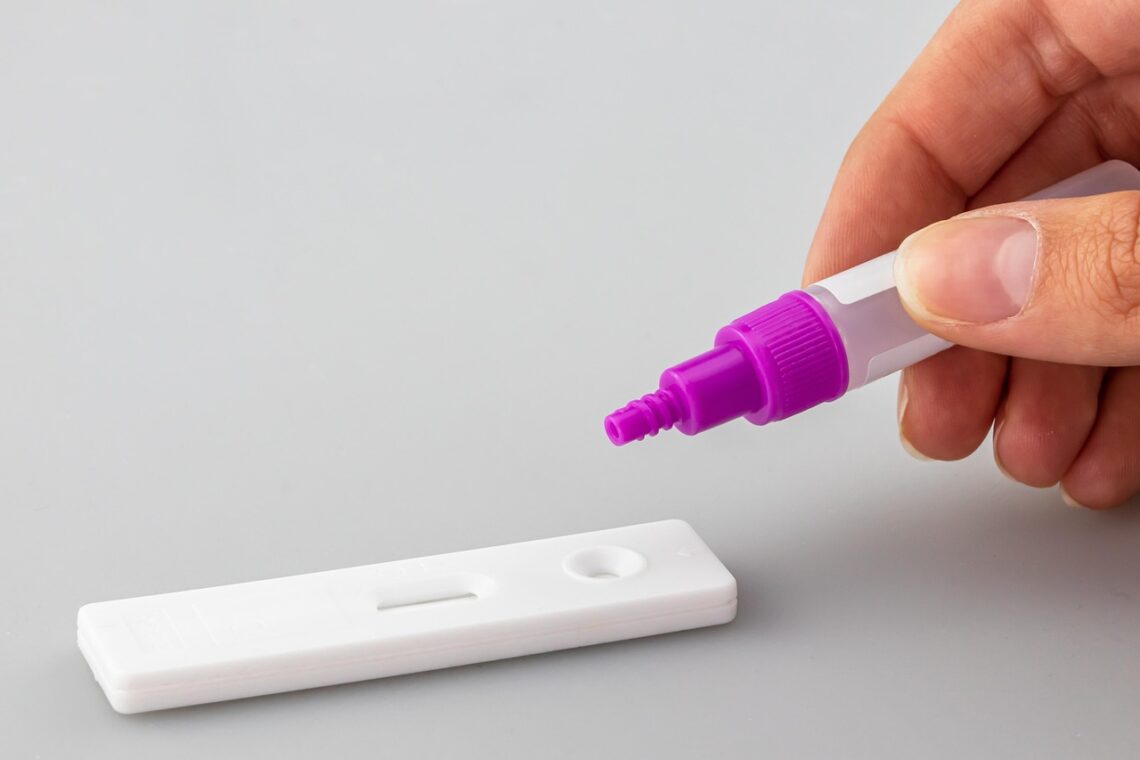
The FDA now lists several over-the-counter antigen tests that check for COVID-19, flu A, and flu B from one nasal swab. The two I see most often on client shelves are the Flowflex Plus COVID-19 + Flu A/B Home Test, which received FDA clearance in May 2025, and the iHealth Flu A&B/COVID-19 Rapid Test, cleared in December 2025. Both read out in roughly 15 minutes, both use a shallow swab of the front of the nose, and both show separate result lines for each virus so you are not guessing which one lit up. The same maker of the Flowflex test also sells a newer version that adds RSV, which is worth a look if you have an infant or a parent over 75 in the house.
How many? At least two per person, because, as you will see in a minute, one test is rarely the end of the story.
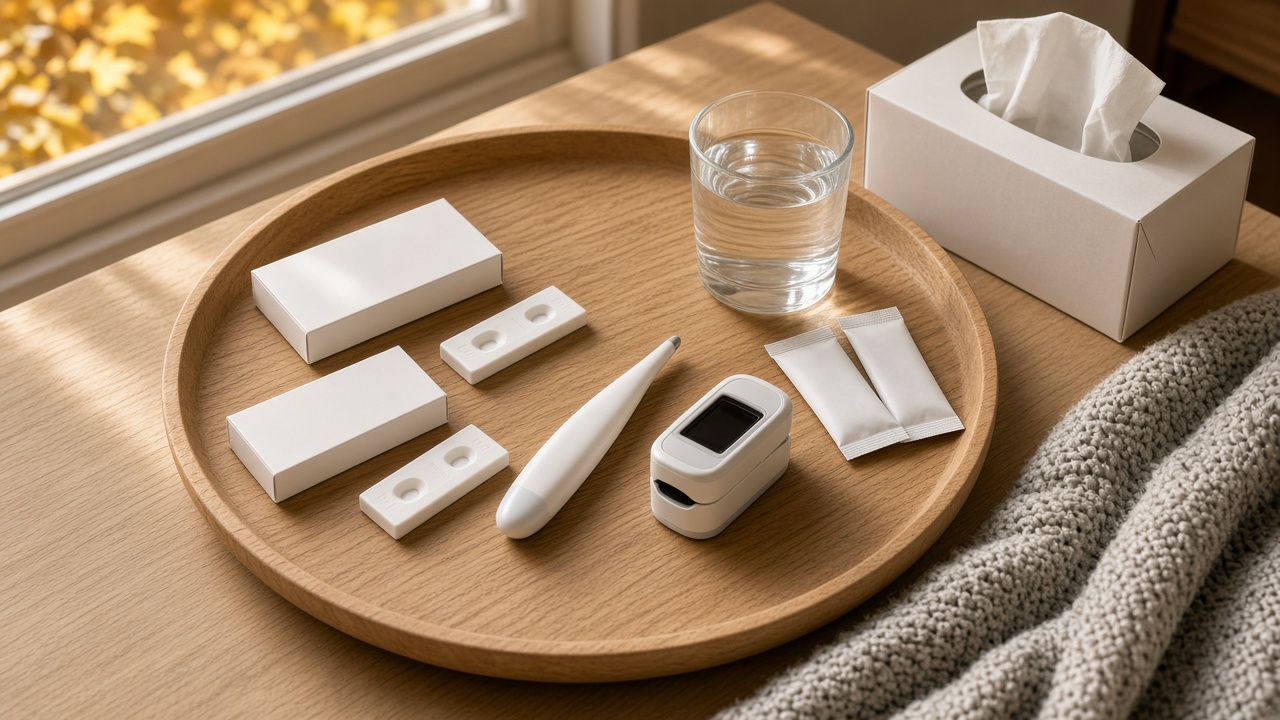
One small habit pays off here: check the expiration dates the day you buy, and write them on the box lid in marker. The FDA keeps a public list of authorized home tests with their shelf lives and any extended expiration dates, so if you find an older kit in a drawer, look it up before you trust it.
Reading the Lines Like a Pro
This is the part most people get wrong, and it is the reason I wrote this post. Home antigen tests are very good at telling you “yes.” They are much less reliable at telling you “no,” especially for flu, and especially early.
A positive result, even a faint line, should be treated as a real positive. A negative result in the first day or two of symptoms is a maybe. That is why the authorized instructions for these combo tests ask people with symptoms to test at least twice over three days, with at least 48 hours between tests. Several of them are authorized specifically for people within the first five days of symptoms, so do not wait a week and then test.
Here is the practical rhythm I give clients:
- Day one of symptoms: Test. If positive for flu or COVID and you or the sick person is higher risk, call a doctor today. Do not wait for the second test.
- Negative but still sick: Treat it as contagious anyway and test again 48 hours later.
- Still negative but getting worse: Call your doctor. A lab PCR test is more sensitive, and there are other bugs (RSV, strep, plain old colds) going around too.
- No symptoms at all: A single negative test before an event is a snapshot, not a guarantee. More on that below.
The Three Numbers Worth Tracking
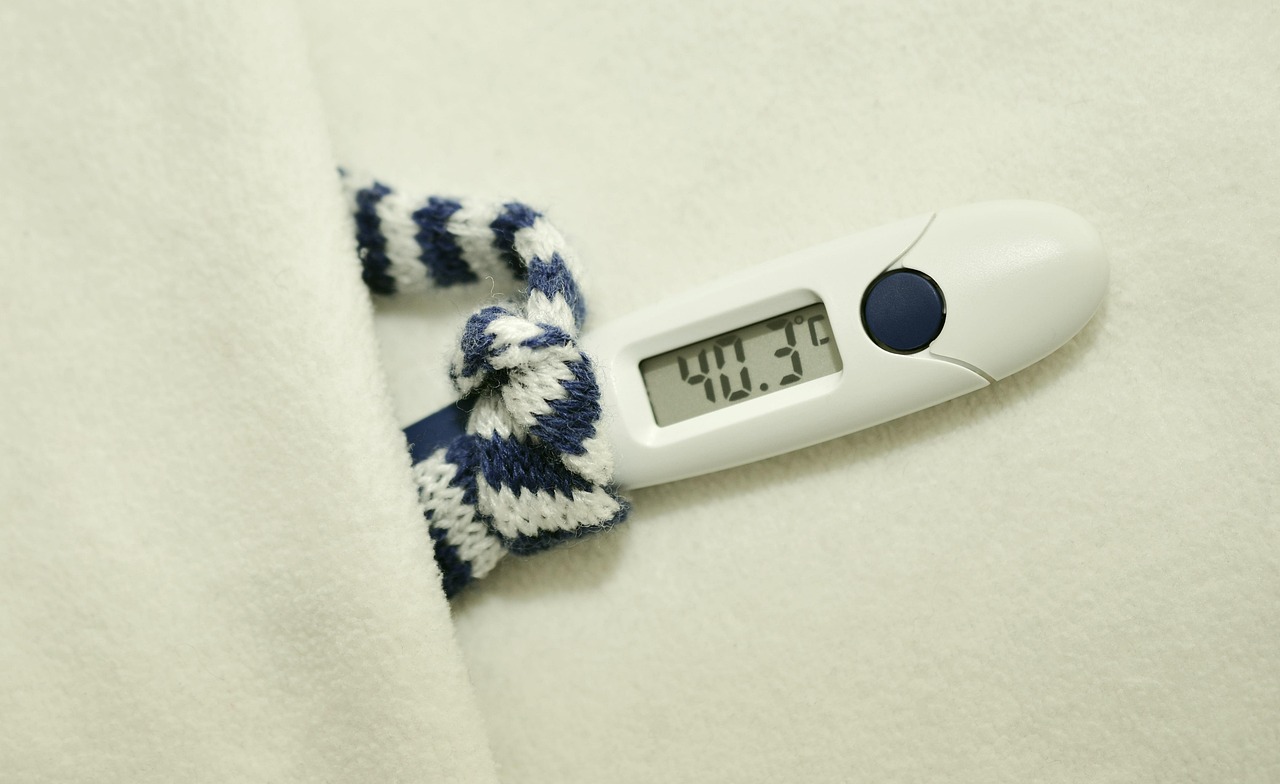
Once someone is sick, I want three numbers written down twice a day on a sticky note on the fridge: temperature, oxygen saturation, and fluids in. That is it. It sounds clinical, but it is the information a nurse line will ask you for, and having it ready makes the call faster and more useful.
For temperature, a fever is generally 100.4°F (38°C) or higher. Forehead strips and old stick thermometers are fine in a pinch, but I like a fast, consistent ear thermometer for a sleepy kid or a cranky adult. The Braun ThermoScan 7 Ear Thermometer has been the steady pick on my clients’ shelves for years because it reads in seconds and has an age-based fever guide built in. Buy extra lens filters while you are at it.
For oxygen, a simple clip-on reader like the Zacurate Pro Series 500DL Fingertip Pulse Oximeter gives you a baseline when everyone is healthy and a trend when someone is not. Take a reading on a good day so you know what normal looks like for each person. Two cautions: the FDA has warned that these devices can be less accurate on darker skin and with cold fingers or nail polish, and a number never overrides how someone looks. Shortness of breath, chest pain, confusion, bluish lips, or a reading that keeps dropping or stays around 92 percent or lower means call a doctor or seek urgent care now, regardless of anything else on this page.
When the Line Says Flu: The First Six Hours
Say the test comes back positive for flu at 7 a.m. Here is how I would spend the morning.
First, the phone call. If the sick person is higher risk, is very young or older, or simply feels awful, call your doctor or a telehealth service and say the words “positive home flu test, symptoms started yesterday.” That sentence gets you taken seriously, because it tells them you are still inside the treatment window.
Second, the household. Look at who else lives under your roof and who is coming to visit in the next two weeks. If anyone in that circle is higher risk, they deserve a heads-up today, not the day before the turkey.

Third, the training question, since that is what my client originally asked. With a fever and a confirmed flu, the answer is no. Fever plus hard exercise is a bad combination, and this is not a “sweat it out” situation. Rest is the workout. The CDC’s current guidance for respiratory viruses is to stay home and away from others until you have been fever-free for at least 24 hours without fever-reducing medicine and your symptoms are improving overall, then take extra precautions for the next five days. When it is time to come back, ease in. My return ramp from the three-light post applies here, just slower.
Fluids, Broth, and the Boring Middle
Flu with a fever pulls water out of you faster than you think, through sweat and breathing, and appetite usually disappears right when you need to keep sipping. I keep a box of Pedialyte Electrolyte Powder Packets on the test shelf because a measured packet in a water bottle is easier to track than “drink more.” Warm liquids count too: broth, decaf tea with honey for adults and kids over one, diluted juice. The goal is pale urine and a steady stream of small sips, not one heroic glass.
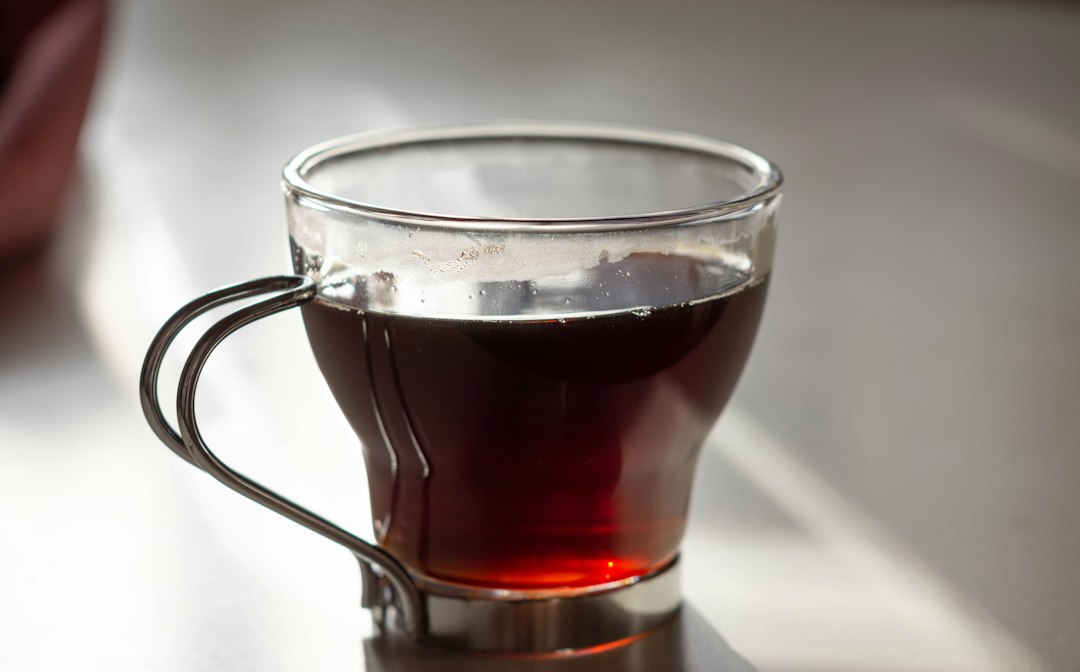
Dry indoor air makes a raw throat and stuffy nose feel worse, especially now that furnaces are running. If you set up a bedroom humidifier with me last week, this is when it earns its keep; if not, my heating-season bedroom-air protocol walks through the 35 to 50 percent humidity target. A gentle saline spray like Simply Saline Nasal Mist helps keep nasal passages comfortable without any medication. And if you are wondering whether to reach for zinc lozenges, I covered the evidence (and why I am picky about which zinc) in the zinc I don’t hand out for colds.
Keeping One Sick Person From Becoming Five
Flu spreads mainly through droplets when people cough, sneeze, and talk, and sometimes from touching contaminated surfaces and then your face. You cannot make a family home sterile, and you should not try. You can make the easy routes harder.
Pick one bathroom and one bedroom for the sick person if you have the space. Open a window a crack for a few minutes a few times a day if the weather allows. Have the sick person wear a well-fitting mask when they leave their room, and have the caregiver wear one when they go in. A comfortable, sealed respirator like the 3M Aura N95 Particulate Respirator is far more protective than a loose cloth mask, and the folding style is easier to wear for a few hours.
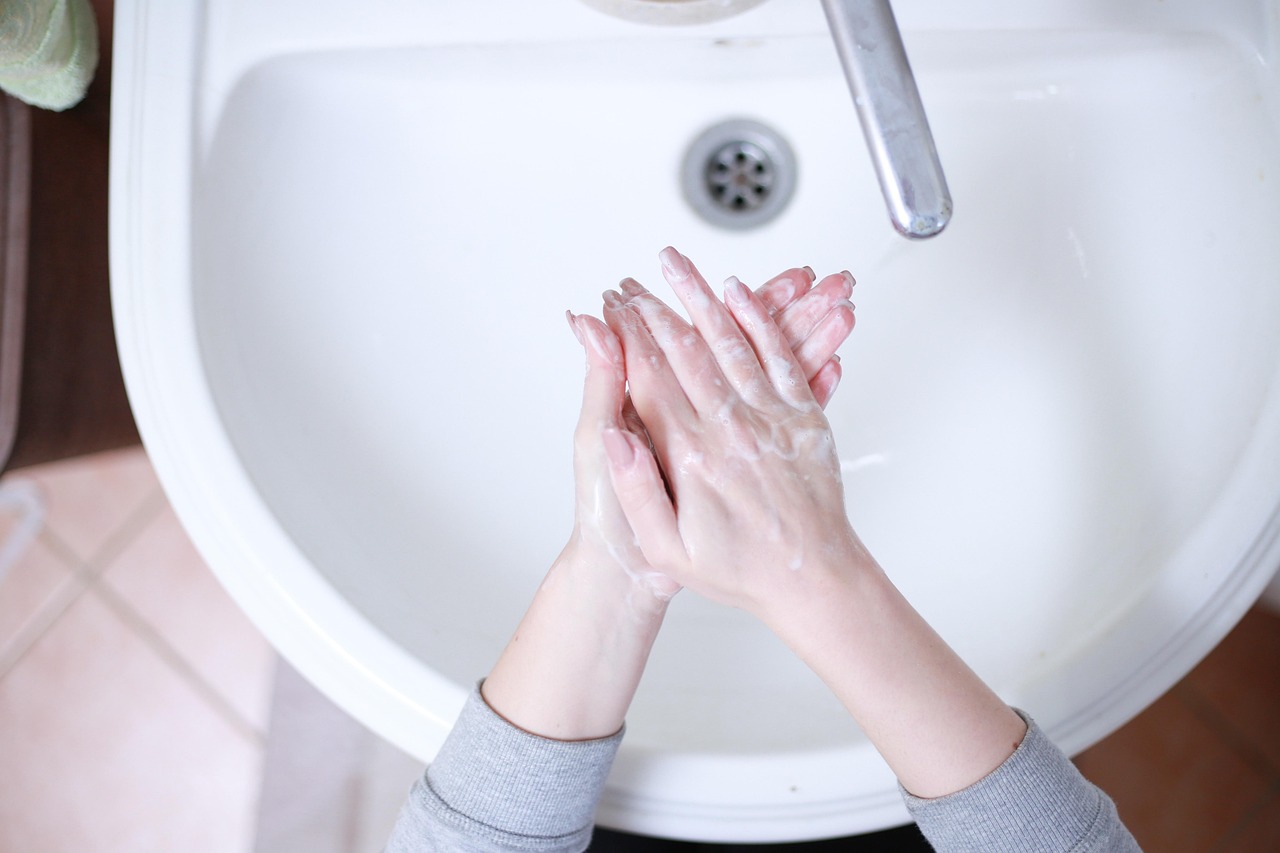
Wash hands with soap for 20 seconds after every visit to the sick room, every time you handle their dishes, and before you cook. Once a day, wipe down the things everyone touches: doorknobs, faucet handles, light switches, the TV remote, phone screens, and the fridge handle. A canister of Clorox Disinfecting Wipes on the bathroom counter makes that a two-minute job instead of a project. Follow the label’s wet-time instructions; a quick swipe that dries in five seconds does not do much.
Test Before You Gather
Thanksgiving is November 26 this year, four weeks from tomorrow. My friend over on our home site is already counting down the days on a frozen turkey thaw calendar for Thanksgiving 2026. I want you running a parallel calendar for your health.

- This week: Flu shots for everyone eligible. Build the test shelf.
- Two weeks out: Check that you still have enough tests and that none expire before the holiday. Restock fluids and wipes.
- The week of: Anyone with symptoms stays home or joins by video. That is not rude; it is the kindest thing you can do for Grandma.
- The morning of: If you will be around someone higher risk, a test that morning adds a layer of reassurance. Remember it is a snapshot. A negative test from someone with a runny nose and a cough is not a pass.
If you are running the local turkey trot (and if you followed my six-week turkey trot briefing, I hope you are), the same rule applies: a fever on race morning means you cheer from the curb, not the start line.
If the Shelf Only Holds Four Things
Budgets are real, and this list can grow fast. If you only buy four things this week, make it these:
- The combo test: Flowflex Plus COVID-19 + Flu A/B Home Test, two per person, so you can follow the retest rule.
- The thermometer: Braun ThermoScan 7 Ear Thermometer, because fast, consistent readings make every doctor’s call easier.
- The fluids: Pedialyte Electrolyte Powder Packets, measured and easy to track when nobody wants to eat.
- The barrier: 3M Aura N95 Particulate Respirator, for whoever does the caregiving.
The Real Goal Is a Boring November
My Sunday-morning client tested that day, once she got her hands on a kit from the pharmacy. Positive for flu A. She called her doctor before noon, started a prescription that afternoon, slept most of the week, and kept it from spreading to the rest of the house. Her mother-in-law still flew in. Two weeks later, she was back under the barbell, a little lighter on the plates, very glad she had not tried to “lift through it.”
That is the outcome I want for you: a fast answer when something hits, a calm plan instead of a 2 a.m. scramble, and a holiday table where the only thing going around is the gravy. Get the shot. Build the shelf. Test smart, rest hard, and come back strong.