The Protein Dilemma: Powder vs. Real Food
I’ve been where you are. Standing in the supplement aisle, staring at rows of protein powder tubs with flashy labels and bigger-than-life promises. Then glancing at the grocery list with chicken breast, eggs, and Greek yogurt. Wondering which one actually delivers results. After years of testing both approaches—sometimes religiously sticking to one, sometimes mixing both—I’ve learned the truth isn’t as black-and-white as Instagram fitness influencers would have you believe.
Let me cut through the marketing noise and share what I’ve learned about building muscle with protein powder versus whole food sources. Spoiler: Both have their place, and the best approach might surprise you. If you’re looking for specific powder recommendations, check out my deep dive into the best protein powders of 2026 where I tested dozens of brands.
The Whole Food Advantage: What Nature Got Right
There’s something undeniably satisfying about sinking your teeth into a perfectly grilled steak or savoring a morning omelet. Beyond the sensory experience, whole food proteins bring a complete nutritional package that powders simply can’t replicate. When you eat chicken breast, salmon, or even plant-based options, you’re getting what nutritionists call the “whole food matrix”—a complex bundle of protein, fats, vitamins, minerals, and other compounds that work synergistically in your body.
Take beef, for example. Whether you’re choosing grass-fed beef or conventional cuts, beyond its impressive protein content, you’re getting natural creatine (fantastic for muscle power), iron, B12, zinc, and omega-3 fatty acids if it’s grass-fed. These nutrients don’t just disappear—they enhance how your body uses the protein itself. Research shows that the micronutrients found alongside protein in whole foods can improve absorption, support muscle recovery, and provide lasting energy that isolated protein powders often miss.

Whole food proteins also deliver something powders struggle with: satiety. There’s a reason a solid meal keeps you full for hours while a protein shake might leave you rumbling an hour later. The act of chewing, the stomach expansion from food volume, and the digestive complexity of whole foods trigger powerful satiety signals that help regulate appetite naturally. If you’re trying to build muscle while managing body fat, this matters immensely.
Then there’s the fiber factor, especially with plant-based proteins like lentils, beans, and nuts. Fiber feeds your gut microbiome, supports digestive health, and helps stabilize blood sugar—none of which you’ll find in a typical protein powder. Your gut health directly impacts nutrient absorption and even muscle growth through the gut-muscle axis, making fiber-rich protein sources an underrated tool in your fitness arsenal.
The Protein Powder Edge: Convenience Meets Precision
But here’s the thing—whole foods aren’t always practical. I learned this the hard way during a particularly busy season when meal prep fell by the wayside and my protein intake plummeted. That’s when protein powders earned their permanent spot in my nutrition plan. Sometimes, convenience isn’t just nice—it’s necessary for consistency.
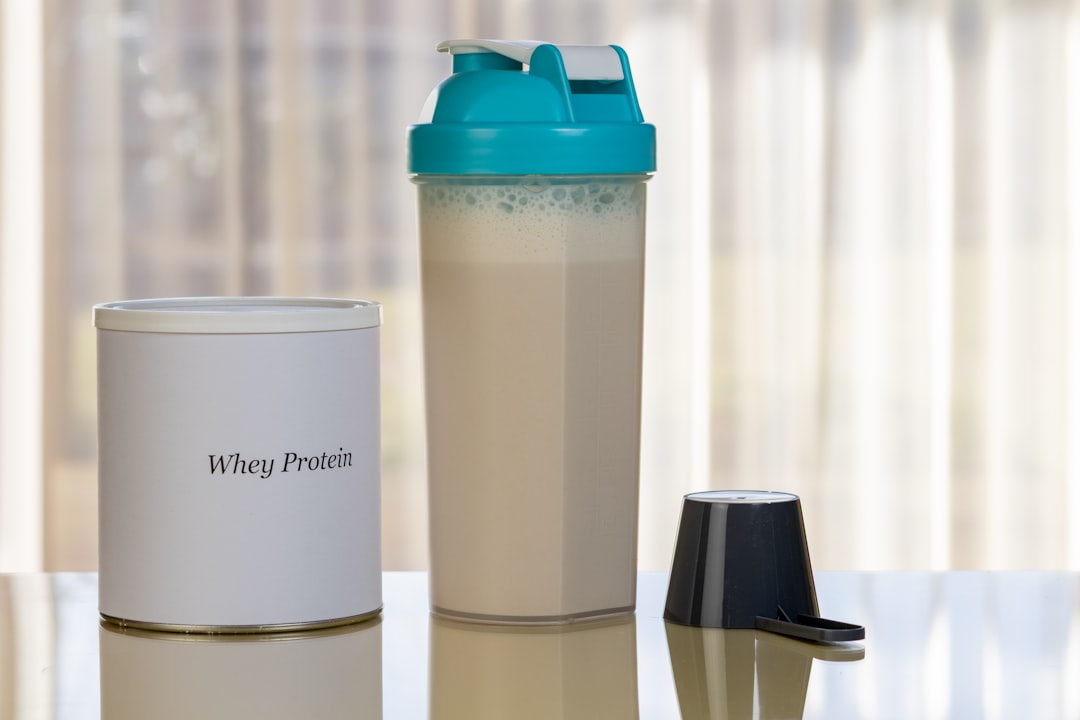
Protein powders excel in situations where whole foods fall short. Post-workout, when your muscles are primed for nutrient uptake but you’re not exactly hungry, a quickly absorbed protein shake delivers amino acids to your muscles without requiring digestion-heavy solid food. Early mornings when you’re rushing to the gym? A shake takes 30 seconds. Travel days when meal options are sketchy? Protein powder in your carry-on saves the day. The convenience factor alone can make the difference between hitting your protein targets consistently or falling short.
Then there’s the precision aspect. When you’re tracking macros carefully—say, aiming for 0.7-1 gram of protein per pound of body weight—protein powders make hitting exact numbers straightforward. No guessing games about portion sizes or nutrition labels that changed since you last checked. Each scoop delivers what it promises, making it easier to optimize your nutrition for muscle building, fat loss, or performance goals.
Modern protein powders have also evolved dramatically from the gritty, chemically-tasting powders of a decade ago. Today’s options include grass-fed whey, cold-filtered isolates, plant-based blends that actually taste good, and even collagen powders that support joint health alongside muscle growth. The quality gap has narrowed significantly, making it easier to find products that complement rather than compromise your nutrition.
Muscle Building showdown: Which Actually Works Better?
Here’s what you really want to know: which builds more muscle? The answer hinges on leucine—the amino acid that triggers muscle protein synthesis. Both quality protein powders and whole food proteins can provide sufficient leucine to stimulate muscle growth, typically around 2-3 grams per serving. But the timing and absorption patterns differ in ways that might influence your strategy.

Whey protein powder hits your bloodstream fast, flooding your system with amino acids within 20-30 minutes. This rapid spike makes it ideal post-workout when your muscles are like sponges for nutrients. Whole food proteins digest more gradually, providing a slower, sustained release of amino acids over several hours. Both approaches support muscle growth—the question is which fits your goals and lifestyle.
Research comparing muscle gains from protein powder versus whole food shows surprisingly similar results when total protein intake is matched. The key takeaway? Consistency matters more than source. Hitting your daily protein target reliably, whether through shakes, chicken breasts, or a combination, drives results. The muscle-building difference between high-quality powder and whole food is minimal compared to the difference between adequate and inadequate total protein. Pair your protein strategy with the right recovery tools to maximize your results.
That said, there’s a compelling case for combining both strategically. Use protein powder for convenience windows—post-workout, busy mornings, travel days—and prioritize whole food proteins for your main meals. This hybrid approach gives you the best of both worlds: the muscle-building power of complete protein sources with the flexibility that modern life demands.
The Hidden Costs: What They Don’t Advertise
Let’s talk about what’s missing from those flashy supplement ads. Protein powders, despite their convenience, come with drawbacks that don’t make it onto the label. Many contain artificial sweeteners, thickeners, and preservatives that some people prefer to avoid. Even “clean” brands are still processed foods, lacking the complex nutrient matrix of whole food sources. Plus, quality varies wildly—some third-party tests have found heavy metal contamination in plant-based powders, especially rice and pea protein blends.
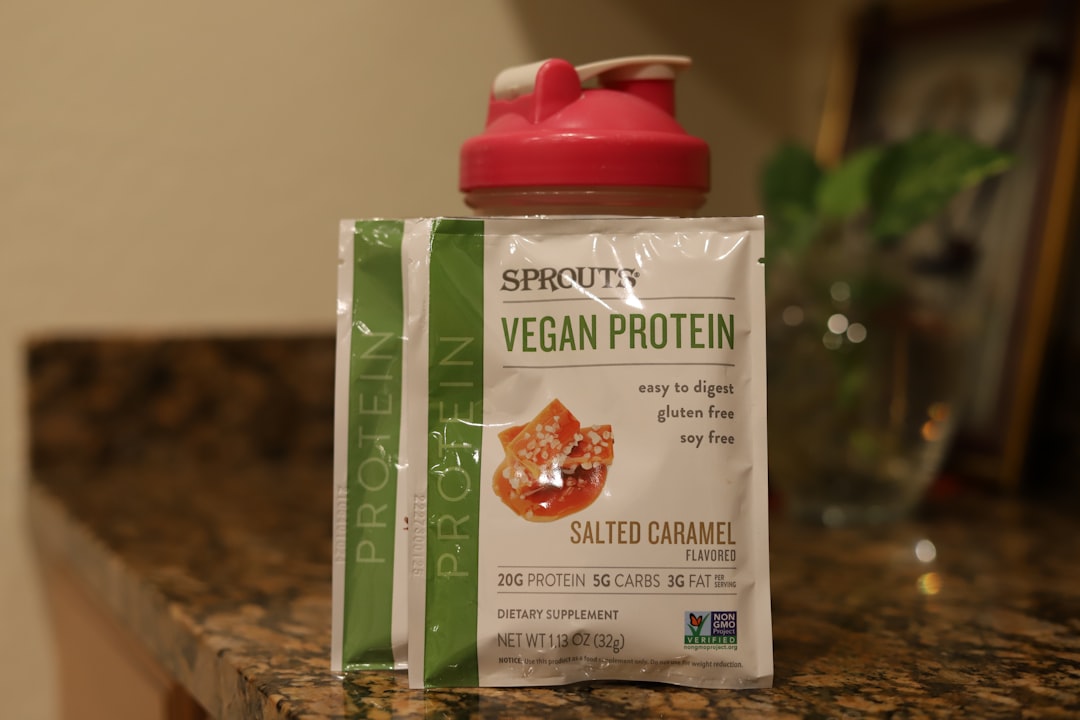
Cost adds up too. Premium protein powders run $1.50-3.00 per serving, while eggs, chicken thighs, or Greek yogurt often cost less per gram of protein. If you’re relying heavily on powders, your supplement bill can easily eclipse your grocery budget. There’s also the psychological factor—some people find that drinking their protein doesn’t trigger the same satiety signals as eating it, leading to increased overall calorie intake despite similar protein amounts.
Whole foods have their own costs, of course. Time spent cooking, meal prep effort, and the mental energy of planning meals ahead. Food safety concerns with raw meat, higher perishability requiring frequent grocery trips, and the environmental impact of packaging and transportation all factor in. Neither option is perfect, which is why the smart approach considers your specific circumstances rather than following rigid rules.
The Hybrid Approach: My Proven Strategy
After years of experimentation, I’ve landed on a flexible approach that optimizes both muscle growth and life sanity. Here’s what actually works: Aim for 80% of your protein from whole food sources—eggs at breakfast, chicken or fish at lunch, beef or plant-based proteins at dinner. Use protein powder strategically for the remaining 20%: post-workout shakes, busy mornings, or when you’re traveling and meal options are limited.
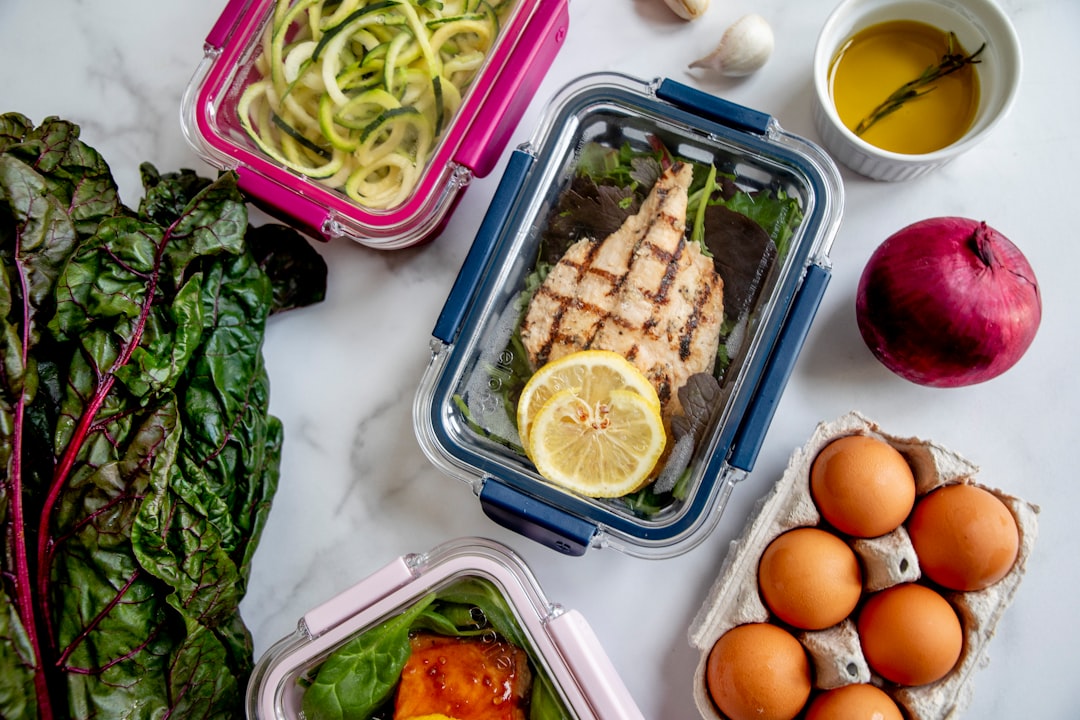
This approach gives you the nutritional benefits of whole foods while maintaining the flexibility that keeps you consistent long-term. Because here’s the truth about muscle building: the perfect protein plan you follow beats the theoretically optimal plan you quit after two weeks. Sustainability matters, and that looks different for everyone.
For whole food proteins, I’ve found some glass meal prep containers make weekly planning infinitely easier. And having the right kitchen wellness tools transforms meal prep from a chore into a sustainable habit. Having cooked proteins ready to grab from the fridge removes the “too tired to cook” barrier that derails so many well-intentioned nutrition plans. Pair that with a quality electric mixer bottle for your protein powder, and you’ve built a system that works with your schedule instead of against it.
When Protein Powder Makes Sense (And When It Doesn’t)
Let me be specific about when I reach for powder versus whole food. Post-workout, especially after intense resistance training, I’ll typically have a protein shake within 30 minutes. The rapid absorption isn’t absolutely necessary—an eating window of several hours post-workout works too—but I’ve noticed better recovery consistency when I prioritize quick protein after heavy sessions. During workout splits or two-a-day training, shakes between sessions help me hit my protein targets without feeling overly full.
Busy mornings where I’m training fasted or just rushing? Protein powder saves the day. Travel days, especially long flights where airport food options are dismal? I always pack single-serve protein packets. Times when I’m increasing calories for muscle gain but struggling to eat enough volume? Liquid calories from protein shakes make hitting surplus easier without force-feeding myself.

But there are times when I skip the powder entirely. Rest days, especially if I’m eating regular meals, don’t need supplementation. Social situations where real food is available and enjoyable—dinner with friends, family gatherings—are too important to replace with shakes. And when I have the time and energy to cook satisfying meals, whole food just feels better both physically and psychologically.
The Plant Protein Consideration
One nuance worth exploring: plant-based eaters face a steeper challenge hitting protein targets without powder. Most plant proteins aren’t “complete” on their own—lentils lack methionine, rice falls short on lysine—and plant foods generally offer less protein per calorie than animal sources. For vegans and vegetarians, quality plant-based protein powders can be absolute game-changers for muscle building.
Even if you’re not fully plant-based, incorporating some plant protein powders—pea, hemp, or complete amino blends—adds variety and can be easier on digestion than exclusively dairy-based whey. I’ve found rotating between different protein sources, including plant options, helps prevent taste fatigue and keeps my nutrition plan interesting long-term.
Timing Myths and Practical Truths
You’ve probably heard the “anabolic window” myth—that you must consume protein within 30 minutes post-workout or miss your growth opportunity. Research has largely debunked this as unnecessarily rigid. Muscle protein synthesis remains elevated for 24-48 hours after training, meaning your total daily protein intake matters far more than precise timing. That said, there’s value in consistency—spreading protein across 3-5 meals rather than consuming most in one sitting supports more even muscle protein synthesis throughout the day.

For most people, practical timing recommendations trump theoretical optimization: consume protein every 3-4 hours during waking hours, include protein in your post-workout meal whenever possible, and prioritize hitting your daily target over stressing about exact timing. This approach builds muscle effectively without creating anxiety around meal schedules.
Bottom Line: Building Your Personal Protein Strategy
The powder versus whole food debate misses the point. Both work. Both have advantages. The optimal strategy depends on your goals, lifestyle, budget, and preferences. What matters most is finding an approach that you’ll follow consistently, because consistency drives results more dramatically than any specific food choice.
Start by calculating your daily protein target—generally 0.7-1 gram per pound of body weight for muscle building, adjusted for your activity level and goals. Then decide how whole foods and protein powder can work together to help you hit that number day after day. For many people, a flexible approach emphasizing whole foods with strategic powder supplementation offers the best balance of nutrition, convenience, and sustainability.
Need help with the whole food side? Quality digital food scales help you track portions accurately, while meal planning notebooks make building consistent habits easier. For the powder side, start with a reputable brand that uses grass-fed whey isolate if you tolerate dairy, or explore complete plant-based blends if you prefer vegan options.
Remember, the “best” protein source is the one that helps you hit your targets consistently while supporting your overall health and enjoyment of food. Whether that’s predominantly whole foods, mostly powder, or a hybrid like I use, the real key is finding what works for your life and sticking with it long enough to see results.





One comment on “Protein Powder vs. Whole Food Protein: Which Actually Builds More Muscle in 2026?”