I’ll admit something that might surprise you: after years of thinking I needed a garage full of dumbbells and a squat rack to get strong, I’ve completely changed my tune. My resistance bands collection—which lives in a small mesh bag under my coffee table—gets more use than all my other equipment combined. These stretchy loops and tubes have transformed not just my own workouts, but how I think about strength training entirely.
When I first started testing resistance bands seriously last year, I was skeptical. How could something that costs less than a fancy latte possibly deliver results comparable to traditional weights? But after spending months researching, testing, and talking to physical therapists and fitness experts, I’m convinced these tools belong in everyone’s fitness arsenal—whether you’re a complete beginner or a seasoned athlete looking to shake up your routine.
Why Resistance Bands Are Worth Your Time
Here’s what makes resistance bands genuinely different from other equipment: they provide variable resistance. Unlike free weights, which feel the same throughout an entire movement, bands increase tension as they stretch. This means your muscles work harder at the end of each rep, where it matters most for strength gains. A 2019 study found that training with resistance bands provides similar strength gains to conventional gym equipment—pretty impressive for something you can toss in a suitcase.
Bands are also incredibly joint-friendly. The constant tension stabilizes your joints throughout movements, which is why physical therapists love them for rehabilitation work. I’ve personally found that doing squats with a band around my knees activates my glutes more effectively than bodyweight squats alone, without the knee discomfort I sometimes feel with heavy weights.
Then there’s the versatility factor. With a single set of bands, you can train every major muscle group, do cardio intervals, stretch, and even assist with pull-ups. They’re perfect for small spaces, travel, or anyone who doesn’t want a gym taking over their home. Let’s shop for resistance band sets and find the right option for your goals.
Understanding the Different Types of Bands
Before we dive into specific recommendations, it’s important to understand that not all resistance bands are created equal. There are three main categories, each suited for different purposes. For more on building your complete home workout setup, check out my guide on best yoga mats for 2026.
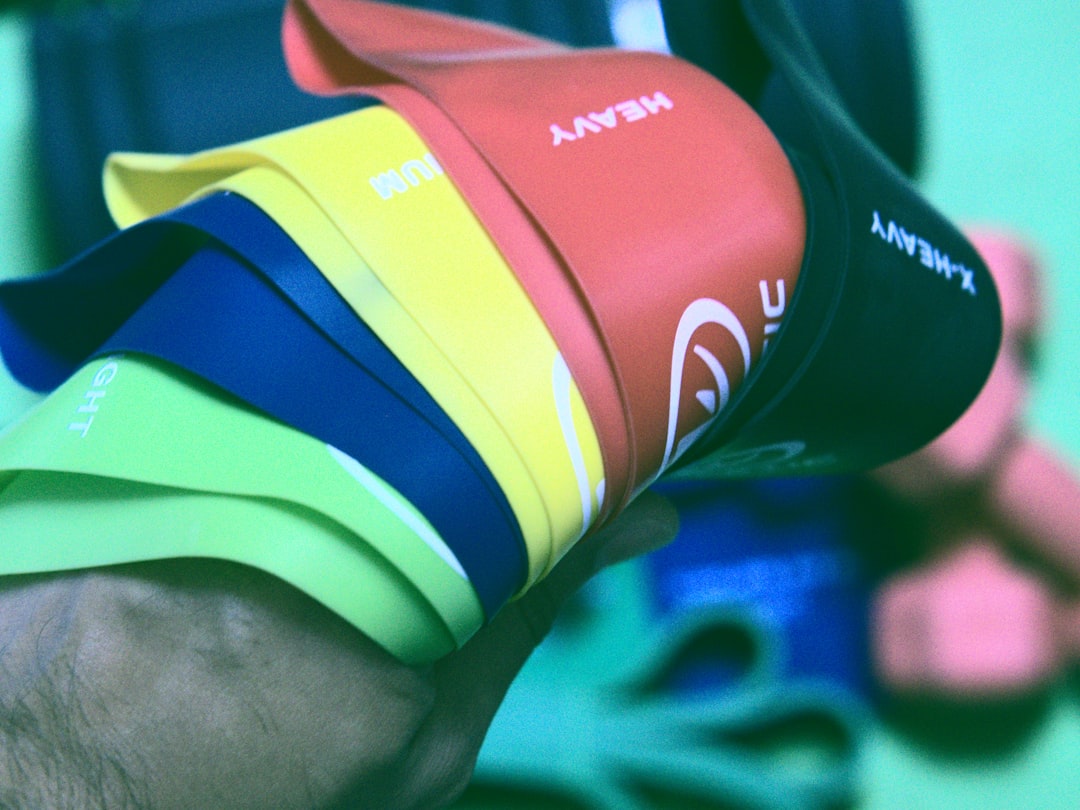
Loop Bands (Mini Bands): These are flat, continuous loops that typically come in a set with varying resistance levels. Perfect for lower-body exercises like lateral walks, glute bridges, and squats. They’re also excellent for warm-ups and mobility work.
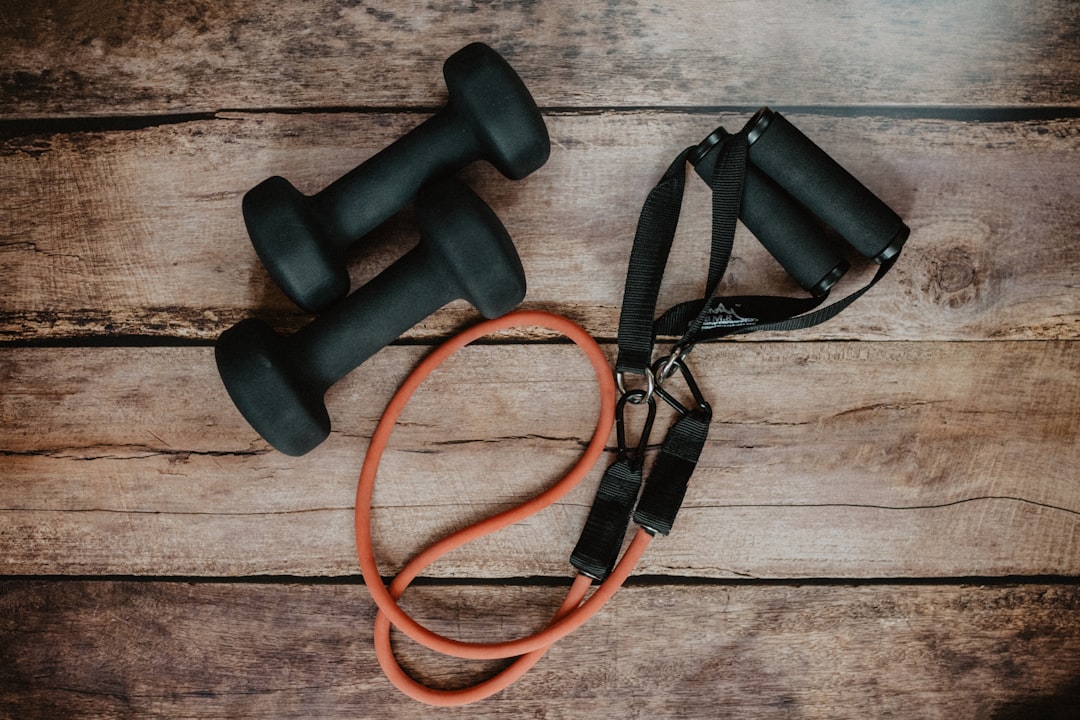
Tube Bands with Handles: These look like traditional jump ropes with plastic handles on each end. They usually come as a set with multiple resistance levels and include door anchors and ankle straps. Ideal for upper-body exercises like chest presses, rows, and bicep curls.
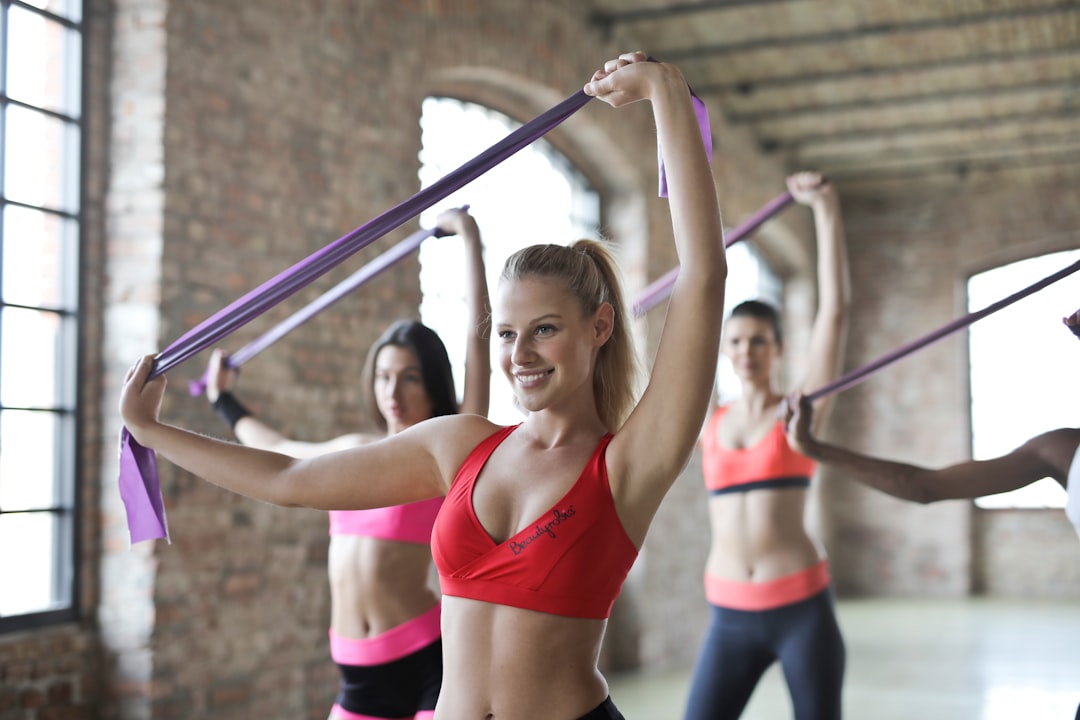
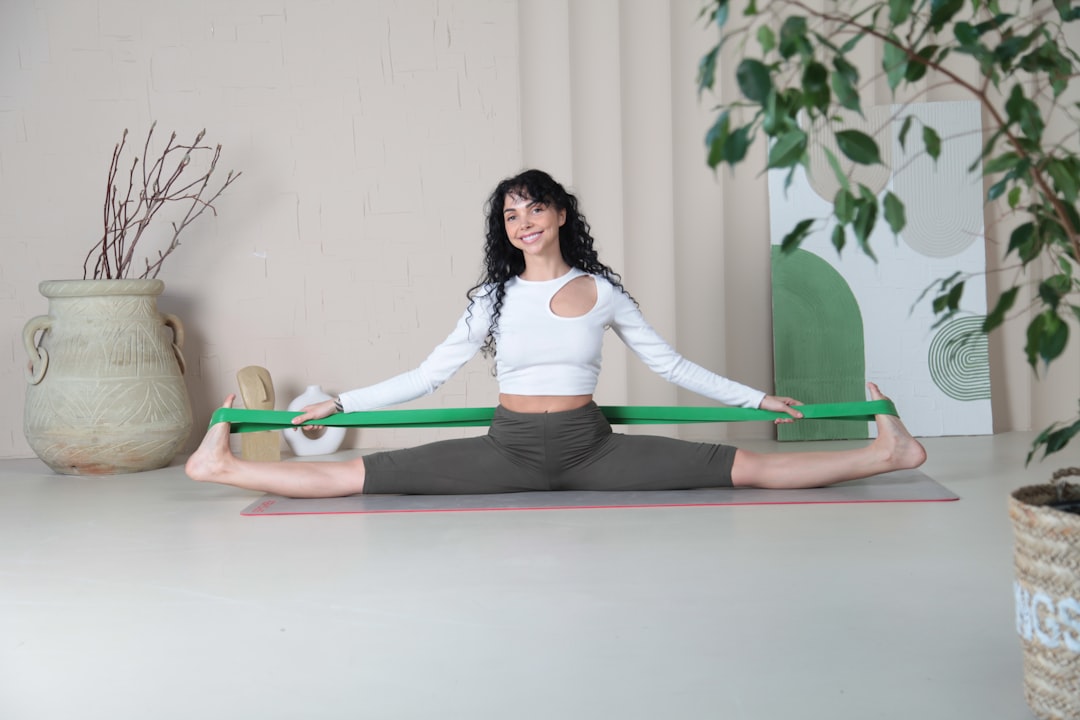
Therapy Bands (Flat Bands): These are long, flat sheets of latex without handles or loops. Commonly used in physical therapy and rehabilitation because they’re gentle on joints and allow for controlled movements. Also fantastic for stretching and mobility work.
Best Resistance Bands for 2026: My Top Picks
I tested dozens of resistance band sets over the past six months. Here are the options that consistently delivered on quality, durability, and effectiveness.
Best Overall Loop Bands: Fit Simplify Resistance Loop Bands
The Fit Simplify set has become my go-to recommendation for beginners and experienced exercisers alike. This set includes five bands with resistance levels ranging from extra-light (2-4 pounds) to extra-heavy (25-30 pounds). What I love most is the included guidebook, which demonstrates over 50 exercises—perfect if you’re not sure where to start.
The latex construction feels high-quality and shows no signs of wear after months of daily use. I’ve personally used these for everything from warm-up activation drills to full lower-body circuits. The color-coded system makes it easy to grab the right resistance mid-workout. These bands excel at glute activation, lateral movements, and lower-body strength work. Check out the Fit Simplify loop bands and see why they’re my top pick.
Best Tube Band Set: Whatafit Resistance Bands Set
If you’re looking for a more complete home gym solution, the Whatafit set is worth serious consideration. This kit includes five tube bands (ranging from 10 to 50 pounds of resistance), two handles, a door anchor, and two ankle straps. It’s essentially a portable gym that fits in the included carrying bag.
What sets this set apart is the build quality. The carabiner clips feel substantial and secure, the door anchor is reinforced, and the foam handles are comfortable even for longer sessions. This set is perfect if you want to recreate traditional gym exercises at home without the space or cost requirements of free weights. Explore the Whatafit resistance bands set for a complete home workout solution.
Best Budget Option: Letsfit Resistance Loop Bands Set
If you’re just starting out or want to test the waters without a big investment, the Letsfit set offers incredible value. For under $15, you get five loop bands, a carrying case, and a basic exercise guide. The latex material feels durable enough for regular use, and this is a fantastic option if you want to keep multiple sets in different locations—one for home, one for travel, one for the office. See the Letsfit resistance bands set and start your band collection affordably.
Best Premium Option: Bala Bands
If you’re looking for resistance bands that look as good as they perform, Bala Bands are worth the splurge. These fabric-covered loop bands come in gorgeous muted colors and feel luxurious compared to standard latex options. The fabric covering prevents the pinching and rolling that can happen with traditional latex bands during exercises like lateral walks. These have become my go-to for glute-focused workouts and Pilates-inspired routines. Discover Bala resistance bands for a premium training experience.
Essential Resistance Band Exercises for Beginners
Once you have your bands, it’s time to put them to work. Here are some fundamental exercises that form the foundation of any effective band training program. I recommend starting with two to three strength sessions per week, about 30 minutes each, focusing on form over intensity as you get comfortable with the movements.
Lower Body Exercises
Banded Squats: Place a loop band above your knees and stand with feet shoulder-width apart. Push your knees outward against the band’s resistance as you lower into a squat. The band activates your glute medius, helping prevent your knees from caving inward. Aim for 2-3 sets of 12-15 reps.
Lateral Walks: With a loop band around your ankles, lower into a half-squat. Step sideways with your right foot, then follow with your left, keeping tension in the band throughout. Take 10-15 steps in each direction. This exercise is fantastic for hip stability and glute strength.
Glute Bridges: Lie on your back with knees bent and feet flat on the floor. Place a loop band above your knees. Lift your hips toward the ceiling, pushing your knees outward against the band. Hold for 2 seconds at the top, then lower. Complete 2-3 sets of 12-15 reps.
Upper Body Exercises
Chest Press: Anchor a tube band at chest height using a door anchor. Stand facing away from the anchor, holding one handle in each hand at chest level. Press forward until your arms are fully extended, then slowly return to start. Complete 2-3 sets of 10-12 reps.
Seated Row: Using the same anchor setup, sit facing the anchor point. Hold one handle in each hand with arms extended. Pull your elbows back, squeezing your shoulder blades together at the end of the movement. Aim for 2-3 sets of 12-15 reps.
Overhead Press: Stand on the center of a tube band with feet shoulder-width apart, holding one handle in each hand at shoulder height. Press upward until your arms are fully extended overhead, then lower with control. Complete 2-3 sets of 8-10 reps.
Core Exercises
Pallof Press: Anchor a tube band at chest height and stand perpendicular to the anchor point. Hold the handle with both hands at your chest. Press your arms straight out in front of you, resisting the band’s attempt to rotate your torso. Hold for 2-3 seconds, then return to start. Complete 2-3 sets of 8-10 reps on each side.
Dead Bug: Lie on your back with a loop band around your feet, arms extended toward the ceiling. Extend your right arm overhead while lowering your left leg, keeping your lower back pressed into the floor. Return to start and repeat on the opposite side. Aim for 2-3 sets of 10-12 reps per side.
A Complete Full-Body Resistance Band Workout
Here’s a complete 20-minute routine you can do anywhere. Perform each exercise for the prescribed reps, resting 30-60 seconds between sets.
Warm-up (5 minutes): Arm circles, leg swings, torso twists, and light cardio like marching in place.
Main Circuit (3 rounds):
– Bodyweight squats: 15 reps
– Banded lateral walks: 10 steps each direction
– Chest press with tube band: 12 reps
– Seated rows: 12 reps
– Glute bridges with loop band: 15 reps
– Plank: hold 30 seconds
Cool-down (5 minutes): Gentle stretching using your resistance band for assistance.
Choosing the Right Resistance Bands for You
With so many options available, it can be overwhelming to decide which bands are right for your needs. Here’s my framework for making the best choice:
Your Fitness Goals: Tube band sets with handles are better for upper-body strength exercises, while loop bands excel at lower-body and core work. If you’re recovering from an injury, flat therapy bands are your safest bet. For general fitness and versatility, a combination of loop and tube bands gives you the most flexibility.
Your Current Fitness Level: Beginners should start with lighter resistance bands and focus on mastering proper form before progressing. It’s always better to start too light than too heavy—you can always add more tension or move to a heavier band.
Your Space and Budget: One of resistance bands’ biggest advantages is their minimal space requirements. Budget-wise, you can get started with quality bands for under $20, though more comprehensive sets with accessories will cost more.
Durability and Quality: Look for bands made from high-quality latex or durable fabric, with reinforced connections on tube bands. Read reviews specifically about durability, and consider bands from reputable fitness brands. Browse durable, heavy-duty resistance bands that will last.
Integrating Bands into Your Existing Fitness Routine
You don’t have to choose between resistance bands and other training methods—the most effective programs incorporate multiple tools. Here’s how to seamlessly integrate bands into whatever training you’re already doing.
Combining with Free Weights
Resistance bands and free weights work beautifully together. Use bands for warm-ups and activation before heavier lifts, then add bands to compound exercises for accommodating resistance. I like to pair band work with adjustable dumbbells—the bands provide peak resistance at the top of movements where dumbbells are easiest, creating more balanced muscle stimulation.
Adding to Bodyweight Training
Bodyweight exercises like push-ups, squats, and lunges are excellent, but adding bands dramatically increases their effectiveness. Loop a band around your back for push-ups to add resistance at the top. Place a band above your knees during lunges to activate your glutes more intensely. I also love incorporating bands into my daily movement snacks for quick mobility breaks throughout the day.
Travel and Home Workout Solutions
Perhaps the bands’ greatest advantage is their portability. I never travel without at least a set of loop bands—they take up minimal space in my luggage but allow me to maintain my training routine anywhere. For home workouts, bands offer a space-efficient alternative to larger equipment. Explore complete home gym band sets that can replace expensive equipment.
Maintaining and Caring for Your Resistance Bands
Proper care extends the life of your resistance bands and ensures safe training. Wipe down your bands after each use with a damp cloth and mild soap, then let them air dry completely before storing. Keep your bands out of direct sunlight and extreme temperatures, as UV rays and heat can break down latex and cause bands to become brittle.
Before every workout, check your bands for small tears, cracks, or weak spots. Pay special attention to connection points on tube bands where handles attach. If you notice any damage, replace the band immediately. Most bands shouldn’t be stretched beyond 2-2.5 times their resting length—if you need more resistance, move to a heavier band rather than stretching a lighter one beyond its capacity. Shop premium resistance band sets that are built to last.
My Final Thoughts on Resistance Bands
After years of resistance training with every tool imaginable—from barbells to kettlebells to fancy gym machines—I’ve come to appreciate the humble resistance band for what it truly is: an incredibly versatile, effective, and accessible piece of equipment that deserves a place in everyone’s fitness toolkit.
What I love most about bands is how they democratize strength training. You don’t need a gym membership, expensive equipment, or tons of space to get an effective full-body workout. A $20 set of bands provides training possibilities that would cost thousands to replicate with traditional gym equipment. This accessibility makes fitness more approachable for beginners, more convenient for experienced exercisers, and more practical for anyone who values training efficiently.
Bands have also taught me to appreciate training quality over training quantity. The variable resistance forces me to focus on form and muscle engagement throughout every rep, rather than just moving weight from point A to point B. This mindfulness carries over into all my training, making me a better, more aware athlete regardless of what equipment I’m using.
Perhaps most importantly, resistance bands have reminded me that effective training doesn’t have to be complicated or intimidating. Some of my most productive workouts have been simple band circuits in my tiny apartment, using nothing more than a few loops of latex and some creativity. There’s something liberating about not being tied to specific equipment or locations—knowing I can get a great workout anywhere with nothing more than a bag of bands.
Whether you’re just starting your fitness journey, looking to supplement your current routine, or need a travel-friendly training solution, resistance bands offer a practical, effective, and surprisingly sophisticated training tool. Start with a quality set, master the fundamentals, and don’t be afraid to experiment with different exercises and techniques. Your body—and your fitness results—will thank you.
Start your resistance band training journey today and discover why these simple tools have earned a permanent place in my fitness routine.




3 Comments on “Best Resistance Bands for 2026: My Complete Guide After Testing Dozens of Sets”