The Recovery Question Everyone Asks Me
If I had a dollar for every time someone slid into my DMs asking whether they should drop money on an infrared sauna or a cold plunge tub, I’d probably have enough to buy both. And honestly? That’s exactly what I did — but not before spending six agonizing months trying to figure out which one deserved my hard-earned cash first. After years of competing at the elite level in track and field, recovery isn’t some trendy add-on to my routine. It’s the foundation everything else is built on. So when these two therapies started dominating every wellness feed and pro athlete’s Instagram story, I knew I needed to put them head to head and give you the real, unfiltered breakdown.
Here’s what nobody tells you: these aren’t just opposing temperatures. They’re fundamentally different approaches to how your body heals, adapts, and rebuilds. One soothes. The other shocks. Both work — but they work differently, and choosing the wrong one for your goals is like buying running shoes for a swimming race. Let me save you the expensive trial and error.

What Cold Plunging Actually Does to Your Body
When you submerge yourself in water between 39 and 59 degrees Fahrenheit, your body launches into a cascade of survival responses that — when controlled and brief — create powerful therapeutic effects. Your blood vessels constrict violently, pushing blood away from your extremities and toward your core to protect vital organs. When you emerge, those vessels dilate, and oxygen-rich blood floods back through your tissues like a pressure wash for your circulatory system.
The research backing this up is substantial. Cold water immersion has been shown to reduce delayed-onset muscle soreness by up to 20% compared to passive recovery. It triggers a massive release of norepinephrine — a neurotransmitter that sharpens focus, elevates mood, and reduces inflammation. I noticed the mental clarity within my first week. It’s like someone wiped the fog off a window you didn’t even realize was dirty.
But here’s what the wellness influencers conveniently skip: cold plunging too frequently, especially immediately after strength training, can actually blunt muscle hypertrophy. The same anti-inflammatory response that feels amazing also interferes with the inflammatory signaling your muscles need to grow. Translation? If you’re trying to build serious strength, save the ice bath for your rest days, not right after lifting heavy.
If you’re ready to explore cold therapy at home, there are some excellent cold plunge tubs designed for home use that make daily practice realistic without turning your bathtub into a science experiment.

The Infrared Sauna Experience: Heat That Heals Deep
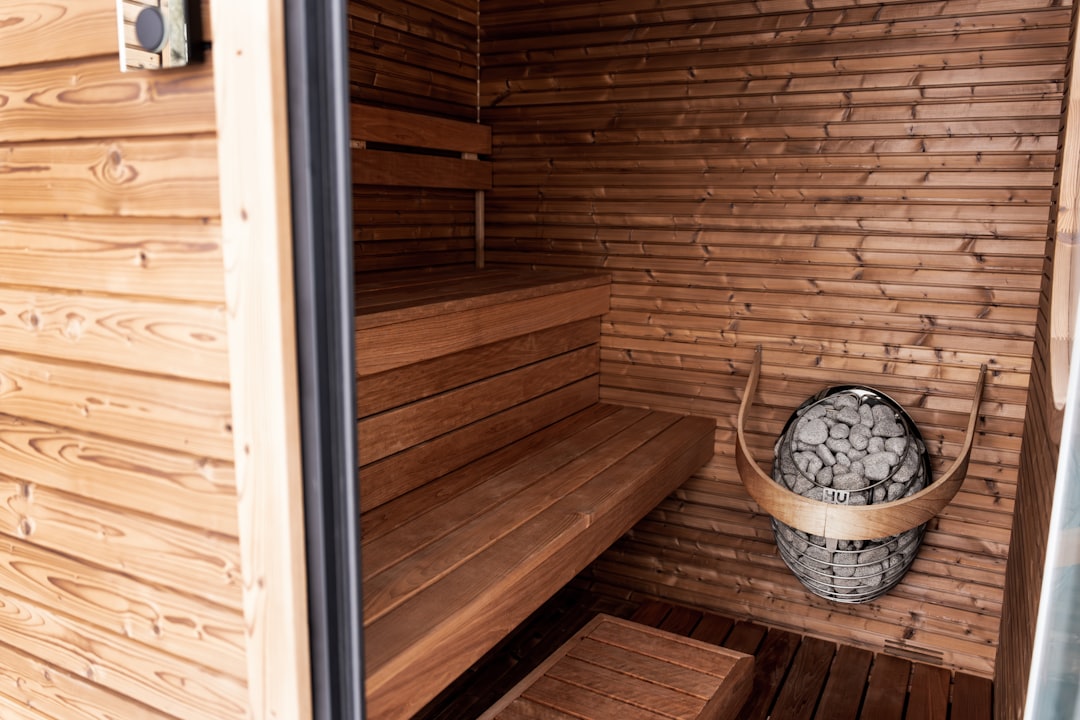
Infrared saunas work nothing like the steamy wooden boxes you’ve seen at your gym. Instead of heating the air around you to unbearable temperatures, infrared panels emit wavelengths of light that penetrate directly into your skin — up to an inch and a half deep — heating your body from the inside out. The ambient air stays a comfortable 120 to 140 degrees, which means you can actually relax in there for 30 to 45 minutes without feeling like you’re being cooked alive.
What sold me was the cellular-level impact. Infrared heat stimulates the production of heat shock proteins, which are basically cellular repair technicians. They go around fixing damaged proteins, supporting immune function, and — this is the big one — promoting collagen production. My skin genuinely looked better after a month of regular sessions. Not in a filtered-photo way, but in a “people asked what I changed” way.
The cardiovascular benefits caught me off guard too. Sitting in an infrared sauna raises your heart rate similar to moderate exercise — one study found it comparable to a brisk walk. Your body works to cool itself, pumping blood more efficiently and improving endothelial function (that’s the flexibility of your blood vessels). Over time, regular use has been linked to reduced risk of cardiovascular disease, lower blood pressure, and improved circulation. I started sleeping deeper within the first two weeks, which makes sense given that the post-sauna drop in core body temperature is one of the key signals that triggers melatonin production.
For anyone considering this investment, there are surprisingly affordable portable infrared saunas for home use that fold up when you’re done — perfect if you don’t have a dedicated room.
Head to Head: Which One Wins for Your Goals?
Let’s get specific, because general advice is worthless. Here’s how these two stack up based on what you’re actually trying to achieve.
For Muscle Recovery After Intense Training
Cold plunging takes this one, but with a critical caveat. If you just finished a grueling workout and need to bounce back for another session within 24 hours — think tournament play, back-to-back training days, or competition prep — cold water immersion is your best friend. It reduces inflammation fast and gets you functional again quicker. However, if your goal is long-term muscle growth from that workout, the cold can dampen the adaptive response. My rule? Cold plunge after endurance work and competition. Skip it after heavy lifting days if hypertrophy is the priority.
For Long-Term Health and Longevity
The infrared sauna wins this category, and it’s not particularly close. Regular sauna use has been associated with a stunning array of long-term benefits: reduced all-cause mortality, improved cardiovascular health, better cognitive function, and enhanced detoxification through sweating. A landmark Finnish study following over 2,000 men for 20 years found that those who used saunas four to seven times per week had a 40% lower risk of all-cause mortality compared to once-a-week users. The cold plunge has impressive acute benefits, but the longitudinal data just isn’t as robust.
For Stress Relief and Mental Health
This is where it gets personal, because both modalities shine here in completely different ways. Cold plunging delivers an immediate, almost euphoric mood boost through that massive norepinephrine surge. I’ve walked into a cold plunge feeling like the weight of the world was on my shoulders and walked out three minutes later feeling like I could fight a bear. It’s jarring, intense, and oddly addictive.
The sauna, on the other hand, offers a meditative calm. It’s where I do my best thinking. The gentle heat relaxes tense muscles, quiets the mental chatter, and — when combined with breathwork or guided meditation — creates a profoundly restorative experience. Studies have shown regular sauna use can reduce symptoms of depression and anxiety while improving overall emotional wellbeing. Both work. They just work differently. Choose the one that matches the energy you need to shift.

The Cost Reality Check Nobody Wants to Give You
Let’s talk numbers, because wellness shouldn’t require a second mortgage. A quality cold plunge tub for home use runs anywhere from $500 for a basic setup to $5,000 for the sleek, self-chilling units that look like they belong in a spa. The maintenance costs are relatively low — you’re mostly paying for water and occasional filter replacements — but the energy to keep water at 39 degrees 24/7 adds to your electric bill. You can find solid portable cold plunge options that won’t annihilate your budget if you’re just starting out.
Infrared saunas span an even wider range. A portable sauna blanket — essentially a heated sleeping bag — costs $150 to $400 and actually works surprisingly well. A proper one-person infrared sauna cabin starts around $1,500 and goes up to $8,000 for premium models with full-spectrum panels, chromotherapy lighting, and Bluetooth speakers. The energy costs are modest, roughly $10 to $20 per month for daily use. I started with a sauna blanket and upgraded after six months once I knew the habit would stick.
Don’t forget accessories that make the experience better. A good waterproof timer for cold plunge sessions is non-negotiable (time blindness in 40-degree water is dangerous). For sauna users, absorbent sauna wraps and a quality electrolyte powder for rehydration are essentials I wish I’d bought on day one.
What My Personal Setup Looks Like
After months of experimenting, here’s what I’ve landed on — and yes, I did eventually end up with both. But the order mattered. I started with the cold plunge because my primary goal was post-workout recovery and inflammation management. My first 90 days of daily cold plunging taught me more about my body’s stress response than a decade of training ever did. The mental resilience alone — choosing to step into freezing water every morning before the sun comes up — rewired how I approach discomfort in every area of my life.
I added the infrared sauna three months later when I realized I was missing the deep-tissue recovery and the parasympathetic nervous system activation that heat provides. My evening sauna sessions became the bookend to my morning cold plunges — yin and yang, stress and restoration, contraction and release. I wrote about how this kind of intentional recovery stacking transformed my results when I let AI optimize my recovery protocol, and the data was eye-opening.
The Protocol I Recommend Based on Your Budget
If you can only choose one right now, here’s my honest recommendation based on three different budget tiers.
Budget under $500: Go with a sauna blanket. You’ll get 80% of the infrared benefits at a fraction of the cost. Pair it with cold showers (free) and you’ve got a surprisingly effective contrast therapy routine. Add a shower timer to stay consistent.
Budget between $500 and $2,000: This is where it gets interesting. You could get a portable cold plunge tub or a basic one-person infrared sauna. My pick? The cold plunge if you’re an active athlete training four or more days per week. The sauna if you’re more focused on stress management, longevity, and general wellness. You can also complement either with a good percussive massage gun for targeted muscle work.
Budget over $2,000: Get both. Seriously. The contrast therapy — alternating between heat and cold — creates benefits that neither provides alone. Start with five minutes of sauna, two minutes of cold plunge, repeat three times. The vascular workout this gives your circulatory system is extraordinary. Finish with ten minutes in the sauna to ease your body back into a calm state.

Common Mistakes I See (and Made Myself)
First mistake: going too cold, too fast. I see people jumping into 39-degree water on their first plunge and wonder why they hate it. Start at 55 degrees for 30 seconds. Add five degrees colder and 15 seconds longer each session. Your body adapts. Give it time to adapt. A waterproof thermometer takes the guesswork out of this.
Second mistake: turning every sauna session into a social media event. If you’re scrolling your phone in the sauna, you’re missing half the benefit. The magic happens in stillness, in the conscious breathing, in the deliberate break from stimulation. Leave the phone outside. Trust me on this one.
Third mistake: ignoring hydration for both therapies. You sweat more than you think in a sauna (even if it doesn’t feel as intense as a traditional steam room), and cold plunging stresses your kidneys if you’re dehydrated. I always have electrolytes ready — it makes a noticeable difference in how I feel afterward.
The Bottom Line From Someone Who’s Done Both
Neither the cold plunge nor the infrared sauna is a magic bullet. They’re tools — powerful, science-backed tools — but they only work if you use them consistently and correctly. The cold plunge will make you tougher, sharper, and faster at bouncing back from intense physical stress. The infrared sauna will make you calmer, more recovered at a cellular level, and — if the research holds up — healthier for longer.
If you’re forced to choose just one, let your primary goal decide. Athletes chasing performance recovery? Cold plunge first. Everyone else focused on longevity, stress relief, and feeling incredible in their own skin? Infrared sauna gets the nod. But if there’s any way to make both work — even at the most basic level with a sauna blanket and cold showers — the synergy between them is genuinely transformative.
Your body already knows how to heal. These tools just give it the right environment to do it faster and more completely. Start where you are, use what you can, and build from there. That’s not just my advice — it’s how I built my own recovery practice, one uncomfortable minute at a time.



3 Comments on “Infrared Sauna vs Cold Plunge: Which Recovery Investment Actually Transforms Your Body?”