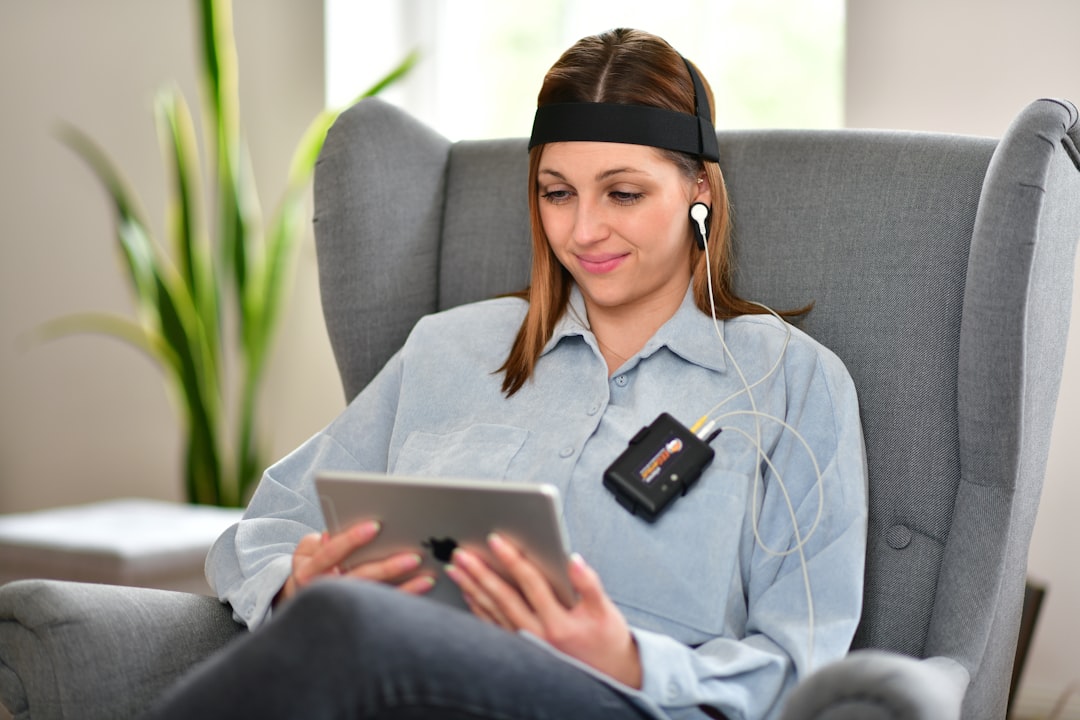
Here’s the thing nobody tells you about recovery: it’s not just about lying on the couch with your legs up. I spent a decade training like my body was indestructible — pushing through soreness, ignoring warning signs, and convincing myself that “rest days are for people who don’t want it bad enough.” Spoiler alert: that philosophy nearly derailed my athletic career before it even started. The older (and honestly, wiser) I’ve gotten, the more I’ve realized that what you do between workouts matters just as much as what you do during them.
So when AI-powered recovery devices started flooding the market in early 2026, I was skeptical but genuinely curious. Could algorithms actually help my muscles bounce back faster than my usual foam-roller-and-stretch routine? I decided to commit to a full month of letting technology guide my recovery — every single day — and documenting what changed. What I discovered surprised even me.
Why AI Recovery Is Different From What You’ve Tried Before
The old approach to recovery was one-size-fits-all: ice for twenty minutes, stretch for ten, repeat. Maybe you’d invest in a percussion massage gun and blast your quads on the highest setting because more must be better, right? Not exactly. The problem with traditional recovery is that your body isn’t the same every day. After a heavy squat session, your legs need something completely different than they do after a long trail run. And your recovery needs on four hours of sleep are wildly different from when you’ve slept like a champion.
This is where AI changes the game. The newest generation of recovery devices doesn’t just apply the same program every time. They collect data — heart rate variability, sleep quality, training load, even skin temperature — and adjust their output in real time. Think of it like having a physical therapist who knows exactly what you did yesterday, how well you slept, and what your nervous system needs right now. Except this therapist lives in your living room and never cancels appointments.
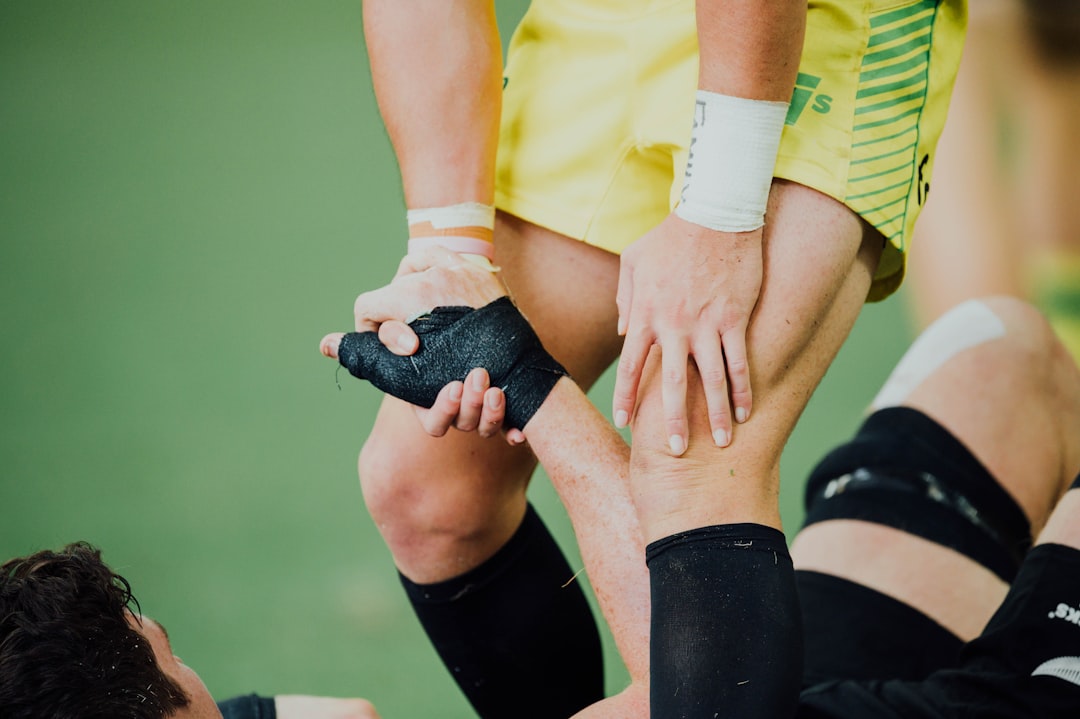
The Experiment: My AI Recovery Setup
Before I get into the results, let me walk you through exactly what I used. I wanted a mix of devices that covered the full spectrum of recovery — from active compression to heat therapy to neurological reset. Here’s what my month-long AI recovery stack looked like:
First up, I added smart compression boots to my daily rotation. These aren’t the basic pneumatic squeeze machines from five years ago. The newer models use intelligent pressure sensing that maps your leg shape and adjusts compression zone by zone. My legs felt noticeably lighter after the first session — and I’m someone who’s tried every compression gimmick on the market. The boots I tested offered seven intensity levels and multiple modes, including a gentle “restorative” setting perfect for low-recovery days.
I paired the boots with an AI-powered massage device that learned my tension patterns over time. By week two, it was targeting my left hip flexor — which has been my problem area since my heptathlon days — without me even telling it to. The device tracked which areas I spent the most time on and gradually adapted its percussion patterns to match my body’s needs. Creepy? Maybe a little. Effective? Absolutely.
Smart Saunas: Heat Therapy Gets a Brain
One of the most fascinating pieces of tech I tested was a smart infrared sauna equipped with AI-controlled heat programming. Traditional saunas give you one temperature setting and you sit there sweating, hoping it’s doing something productive. The smart version I tried uses a combination of near-, mid-, and far-infrared wavelengths that shift dynamically based on your recovery profile.
On days when my cold therapy sessions had left my nervous system a bit depleted, the sauna dialed back the intensity and focused on gentle, restorative heat. After my hardest training days, it cranked up the near-infrared for deeper tissue penetration and cellular repair. I could feel the difference — it wasn’t just hot air. My muscles felt genuinely more pliable, and I noticed less stiffness the following mornings.
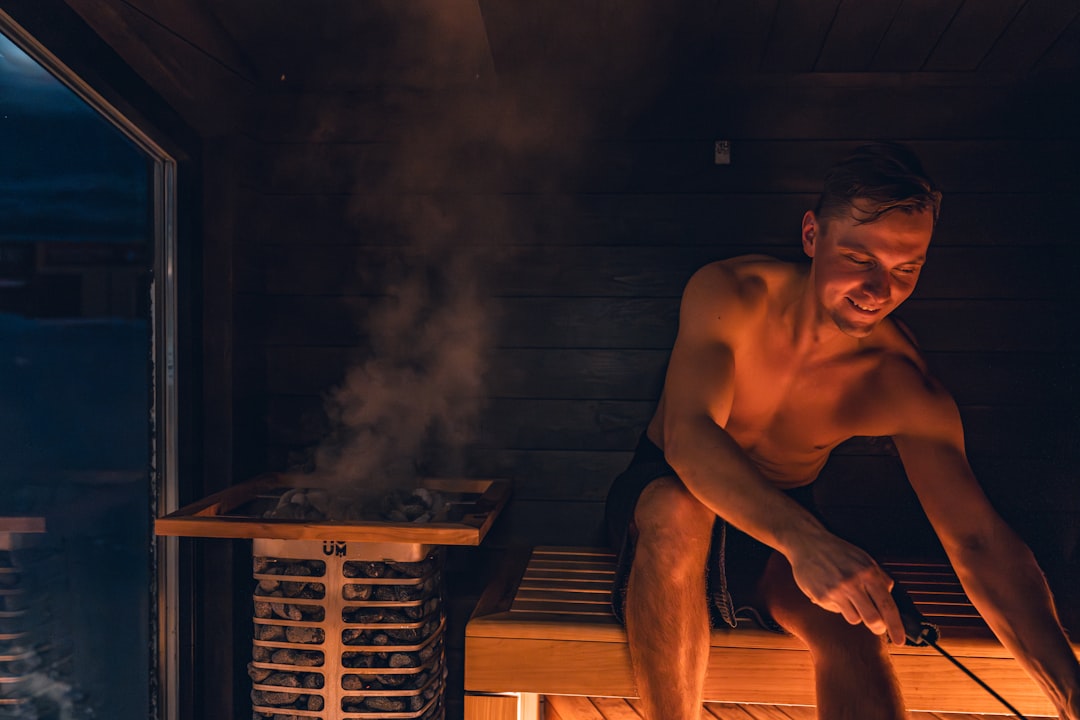
If you’re curious about bringing infrared therapy home without the full sauna investment, there are excellent portable infrared sauna options that deliver similar benefits in a fraction of the space. I’ve recommended these to several clients who live in apartments, and the feedback has been overwhelmingly positive.
What My Body Told the Data (And What the Data Told Me)
By the end of week one, I was already seeing patterns I’d never noticed before. My recovery-tracking wearable — which synced directly with my compression boots and massage device — painted a picture that was honestly a little confronting. Turns out, I’d been chronically under-recovering on Wednesdays for months. My HRV consistently dipped mid-week because I was stacking a heavy lower-body session on Tuesday evenings and then teaching a group fitness class Wednesday mornings.
The AI suggested I either move the heavy session to Thursday or add a targeted 15-minute compression session on Tuesday night. I went with option B, because honestly, I love my Tuesday squat sessions and wasn’t about to reschedule them. Within two weeks, my Wednesday morning readiness scores jumped from the low 40s to the mid-60s. That’s a massive difference when you’re trying to maintain energy across a full week of coaching, writing, and training.
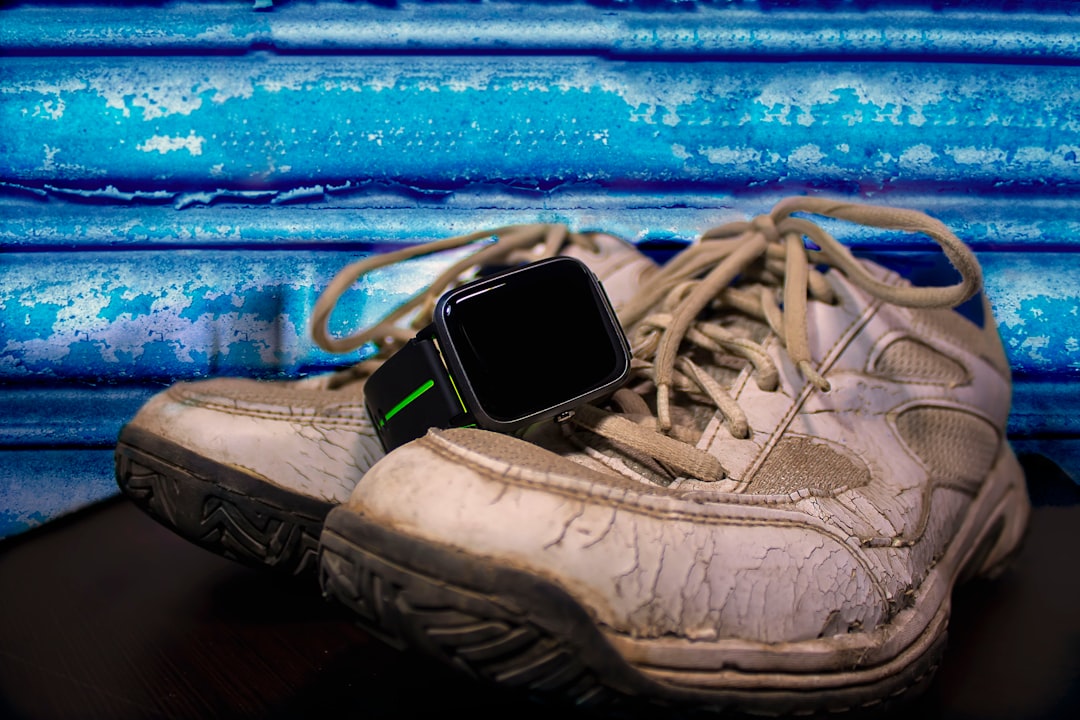
This is what I mean about AI recovery being fundamentally different. A foam roller can’t tell you that your nervous system is fried. A static stretching routine can’t adjust based on how poorly you slept. But these interconnected devices can, and they do it without you having to think about it.
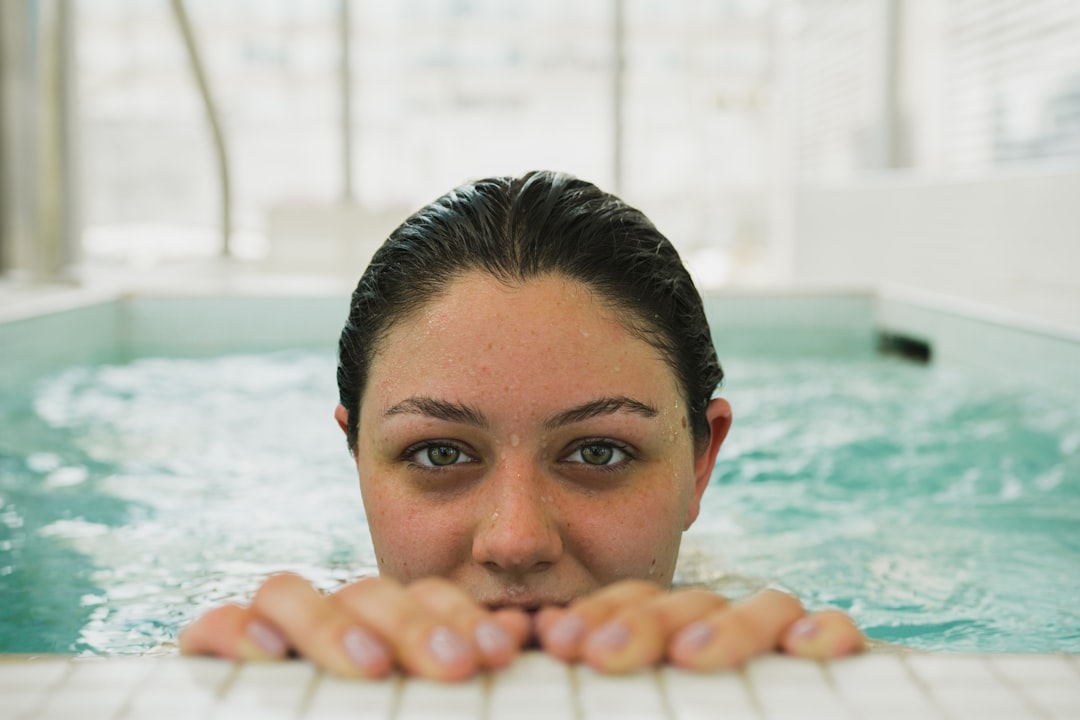
The Cold Plunge Gets Smart, Too
I’ve been a cold plunge devotee for over 90 days now, and I wrote about my experience extensively. But what I didn’t cover in that article was how integrating my cold therapy with AI recovery tracking elevated the entire practice. My wearable now recommends optimal plunge timing — usually within two hours of a high-intensity session — and adjusts the suggested duration based on my readiness score.
On high-stress days, the app recommends a shorter, gentler plunge (around 2-3 minutes at 55°F) to avoid overloading an already-stressed nervous system. On days when my recovery score is high and I’m feeling fresh, it pushes for the full 5-minute experience at 48°F. This personalized approach has eliminated the “dreaded plunge” feeling entirely because I know the cold is serving a specific purpose each time, not just punishing me for the sake of toughness.
If you’re building your own recovery setup at home, I’d recommend starting with a home cold plunge tub and pairing it with a recovery tracker that offers HRV-based recommendations. The combination is genuinely transformative.
The Red Light Revolution
I wasn’t expecting to fall in love with red light therapy, but here we are. The panel I tested came with smart programming that adjusted wavelength intensity based on the time of day and my training schedule. Morning sessions focused on energizing red and near-infrared wavelengths to support cellular energy production. Evening sessions shifted to deeper-penetrating infrared to promote tissue repair while I relaxed.
After three weeks, I noticed my skin looked clearer and more vibrant — a bonus I wasn’t expecting but absolutely won’t complain about. More importantly, the nagling shoulder tightness that had been bothering me since February started to ease. I can’t attribute that solely to the red light, since I was using it alongside compression and smart massage, but the combination was clearly working. And that’s really the point: AI recovery isn’t about any single device. It’s about creating an integrated system where each piece amplifies the others.
What Actually Changed After 30 Days
Let me give you the numbers, because I know that’s what you really want. After one month of AI-guided recovery, here’s what shifted:
My average morning readiness score went from 52 to 71 — a 36% improvement. I slept an average of 28 minutes more per night, which doesn’t sound dramatic until you realize that’s over three extra hours of sleep per week. My perceived muscle soreness after heavy training days dropped from what I’d rate a 7 out of 10 to roughly a 3 or 4. And my training volume? I was able to add about 15% more weekly volume without feeling trashed because my recovery was actually keeping pace with my output.
But the most meaningful change wasn’t measurable by any device. It was the mental shift. For the first time in my athletic life, I stopped viewing recovery as a necessary evil and started treating it as a practice worthy of my full attention. The AI didn’t just optimize my foam rolling — it helped me build a relationship with rest that I’d been resisting for decades.
Building Your Own Smart Recovery Setup
You don’t need to drop thousands of dollars to get started with AI-powered recovery. Here’s how I’d build a progressive setup:
Level 1: The Essentials (Under $200) — Start with a recovery-focused wearable that tracks HRV, sleep, and training readiness. This is your foundation. Without data, none of the other devices can work intelligently. Pair it with a basic vibrating foam roller that offers multiple intensity settings.
Level 2: The Upgrade ($200-$600) — Add a smart percussion massager with app connectivity and a red light therapy panel. These two pieces cover mechanical tissue work and cellular-level recovery, and they pair beautifully with the data from your wearable. I wrote about my experience with the best recovery tools for 2026 if you want a deeper dive into specific models.
Level 3: The Full System ($600+) — This is where compression boots, cold plunge setups, and smart sauna therapy come in. These are the devices that benefit most from AI integration because they involve longer sessions where personalized programming makes a real difference. If you’ve already got the foundation in place, these investments pay dividends quickly.
The Honest Downsides No One Talks About
I promised you an honest review, so here’s the part the tech companies won’t tell you. AI recovery devices require consistency to deliver on their promises. If you use the smart compression boots twice and then let them gather dust for a week, the algorithms can’t learn your patterns and the whole system falls apart. You need to commit to using these tools regularly for at least two weeks before the personalization kicks in meaningfully.
There’s also a data overload risk. During my first week, I found myself obsessively checking my readiness score first thing in the morning and letting a number dictate my mood. That’s not health — that’s a new kind of anxiety. I had to consciously set boundaries around when I checked my metrics and remind myself that the data should inform my decisions, not control them. The best approach is to glance at your score, note the trends over time, and use it as one input among many (including, you know, how your body actually feels).
Finally, the cost is real. Building a comprehensive AI recovery setup isn’t cheap, and not every device lives up to its marketing. I’d encourage you to start small — a wearable plus one targeted device — and expand from there based on what you actually use consistently.
My Verdict After 30 Days
Would I do it again? In a heartbeat. But not because the technology is magic. It’s because AI-powered recovery forced me to stop guessing and start listening. The devices didn’t replace my intuition — they sharpened it. When my wearable tells me my recovery is lagging, I now have specific tools to address it instead of just “resting harder” (which, let’s be honest, was never a real strategy).
The future of recovery isn’t about replacing human wisdom with algorithms. It’s about using data to make smarter decisions about when to push and when to pull back. And for the first time, we have tools that make that possible without requiring a sports science degree or a full-time coaching staff.
If you’ve been on the fence about smart recovery tech, my advice is simple: pick one device that addresses your biggest recovery pain point, commit to it for two weeks, and see what the data tells you. You might be surprised by what your body has been trying to say all along.



One comment on “I Let AI Run My Recovery for a Month — Here’s What Actually Happened”