I never thought I’d be the person wearing a glucose monitor. Those were for people with diabetes — serious medical devices with clinical purposes. Then my nutritionist casually mentioned that half her non-diabetic clients were using continuous glucose monitors to fine-tune their energy, sleep, and body composition. I was skeptical. Then I was curious. Then I ordered one, stuck it on my arm, and spent the next four weeks completely rethinking everything I thought I knew about how my body processes food.
What I discovered wasn’t just interesting — it fundamentally changed how I eat, train, and recover. And I’m not alone. CGMs for wellness have exploded in 2026, with over-the-counter options now available at pharmacies and a growing stack of apps designed to translate raw glucose data into actionable lifestyle advice. If you’ve been curious whether a CGM could sharpen your wellness game, here’s everything I learned from living with one.
Why Non-Diabetics Are Suddenly Obsessed With Glucose Data
The premise is simple: even if your fasting blood sugar is “normal,” your post-meal glucose spikes might be quietly sabotaging your energy, cravings, and long-term metabolic health. Research published in Cell Metabolism showed that healthy people can have wildly different glucose responses to the exact same meal. A banana might send my blood sugar through the roof while yours barely registers. Without real-time data, you’re just guessing.
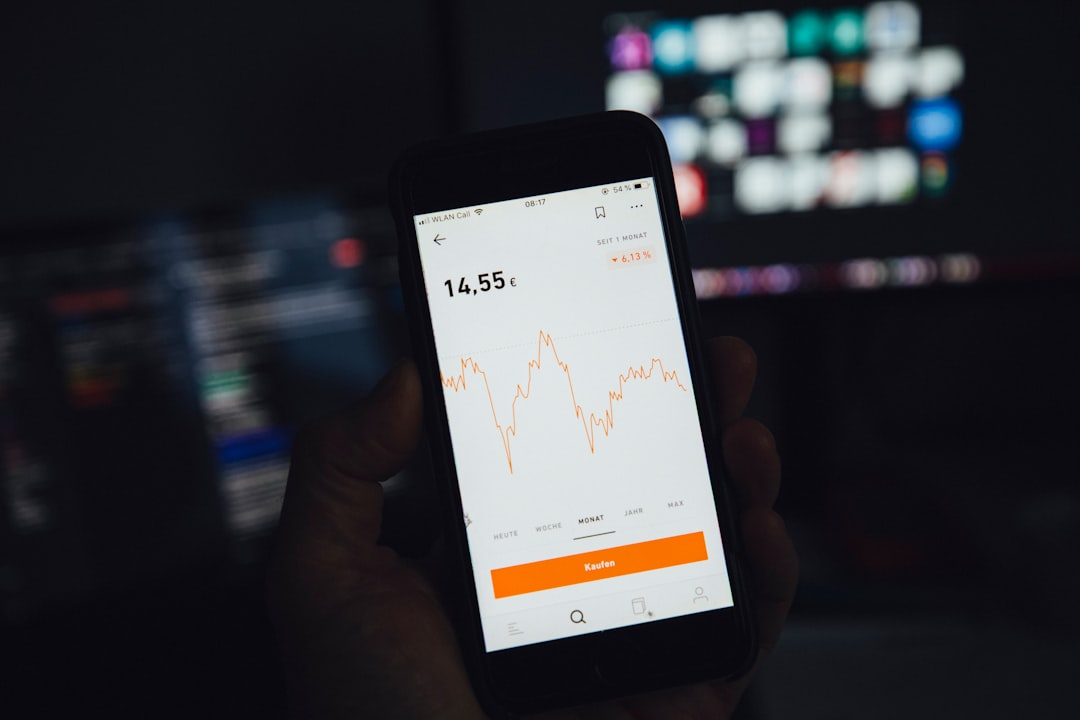
That’s the hook. A CGM gives you a continuous stream of information — a reading every one to five minutes — showing exactly how your body responds to specific foods, exercise, stress, and even poor sleep. It’s like getting a dashboard for your metabolism that you never knew existed. And in 2026, you don’t need a prescription or a diabetes diagnosis to access one. Devices like the Abbott Lingo and Dexcom Stelo are now available over the counter at major pharmacies.
My First Two Weeks: When Oatmeal Betrayed Me
I slapped on my first sensor — a small, flexible disc about the size of a quarter pressed against the back of my upper arm — and downloaded the companion app. The setup took about three minutes. Within an hour, I had a live graph tracing across my phone screen.
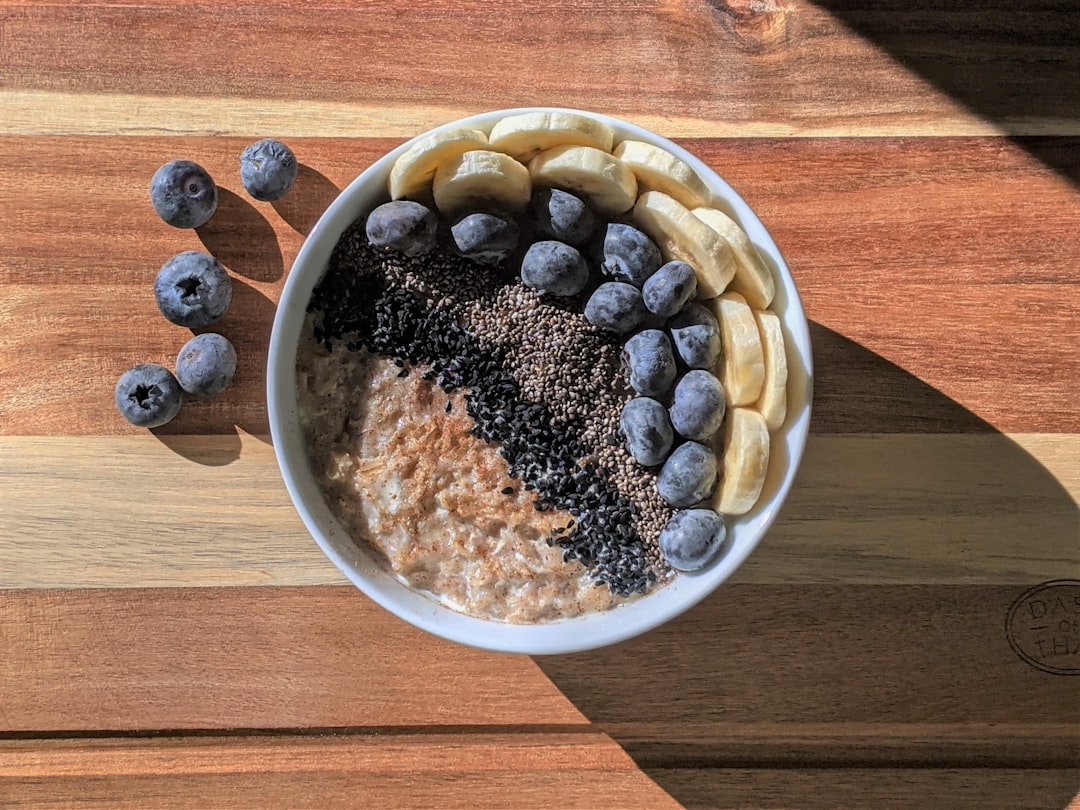
The first morning, I ate my go-to pre-workout breakfast: steel-cut oatmeal with banana, honey, and a handful of almonds. I’d been eating this for years. According to my CGM, my glucose rocketed to 165 mg/dL within 45 minutes and didn’t come back to baseline for over two hours. I felt that crash too — the mid-morning slump I’d always chalked up to “just being tired” was actually a blood sugar roller coaster.

The next day, I swapped the oatmeal for Greek yogurt with berries, chia seeds, and a drizzle of almond butter. My glucose barely nudged above 110. Same calories, totally different metabolic response. Same Sophia, radically different energy curve. This single experiment alone was worth the entire month. If you want to start running your own food experiments, browse the latest OTC CGM options to find one that fits your goals.
The Big Players: Which CGM Actually Makes Sense for Wellness Users
Not all CGMs are created equal, and the “best” one depends entirely on what you want out of the experience. After testing and researching the major options available in 2026, here’s my honest breakdown.
Abbott Lingo — The Budget-Friendly Gateway
At around $49 per sensor (each lasting about two weeks), the Abbott Lingo is the most accessible entry point. You can grab one at Walgreens without a prescription. The app provides basic glucose insights and trend data, but the software experience is definitely more “medical device” than “wellness coach.” Think of it as the reliable baseline — accurate hardware with a no-frills interface. If you just want to see your numbers without paying for a premium app layer, this is where to start.
Dexcom Stelo — Best Sensor Quality for the Tech-Savvy
The Dexcom Stelo runs about $89 per month with 15-day wear time and offers the tightest accuracy I’ve seen in the OTC space. What sets it apart is the integration ecosystem — it connects with smart rings and fitness wearables including the Oura Ring, which means your glucose data can sit alongside your sleep, heart rate, and activity metrics in one dashboard. If you’re already invested in a wearable ecosystem, the Stelo slides in naturally.
Levels Health — The Data Nerd’s Dream
Levels doesn’t make its own hardware — it runs on top of Abbott Libre sensors — but the software experience is in a different league. For $125 to $288 per year, you get metabolic scoring for every meal, trend analysis across weeks, and personalized insights that actually teach you something. I ran Levels for two of my four weeks, and the meal-by-meal grading system was addictive in the best way. It turned every breakfast into a tiny experiment. Check out Levels Health memberships if you want the richest data interpretation layer available.
Nutrisense — Best for People Who Want a Human Coach
Where Nutrisense differentiates itself is the included one-on-one access to a registered dietitian. At $179 per month, it’s the priciest option, but you’re not just buying data — you’re buying guided interpretation. For someone who finds raw numbers overwhelming or wants professional help connecting glucose patterns to actionable diet changes, this is the most supportive option. Their dietitians can also help with insurance reimbursement in some cases. Explore Nutrisense plans if you want expert eyes on your data.
Signos — The Weight-Loss-Focused Option
Signos is the only CGM program that’s FDA-cleared specifically for weight management, which is a meaningful distinction. It uses AI to provide real-time recommendations based on your glucose patterns — not just “here’s what happened” but “here’s what to do about it right now.” If your primary goal is fat loss or body recomposition and you want the CGM to actively guide your choices rather than passively report them, look into Signos.
What the Data Actually Taught Me
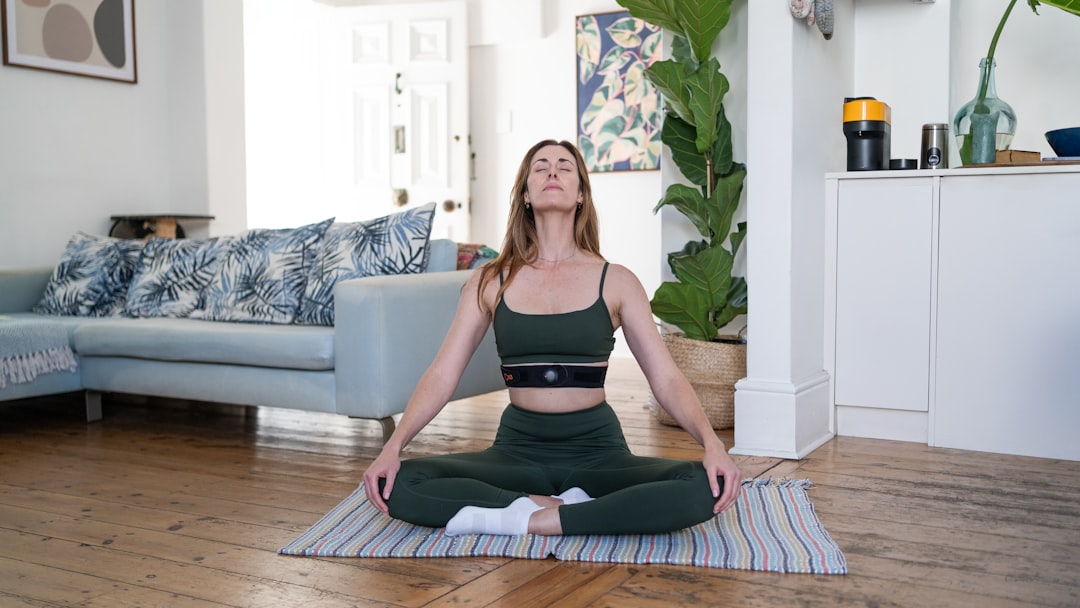
Beyond the oatmeal revelation, four weeks of continuous glucose monitoring rewired several habits I thought were already solid. Here’s what surprised me most.
Late-night eating was destroying my morning energy. Even a small bowl of popcorn at 9 PM kept my glucose elevated until well past midnight. My body was still digesting when my alarm went off at 5:30 AM, and my fasting glucose was consistently 10-15 points higher on mornings after late snacks. Since closing my eating window by 7:30 PM, my mornings feel genuinely different — clearer, more explosive during workouts, and I no longer need caffeine to get moving. This aligns with what I discovered when I rebuilt my sleep setup — timing matters as much as quantity.
“Healthy” foods aren’t universally healthy. Brown rice gave me bigger spikes than white rice. Sweet potatoes were fine, but regular potatoes were not. Sourdough bread barely moved my glucose, while whole wheat sandwich bread caused significant spikes. These responses are deeply individual, and no generic nutrition advice could have predicted my specific patterns. The CGM made it visible and undeniable.

A ten-minute walk after meals is metabolic magic. On days when I took a brisk ten-minute walk after lunch, my glucose returned to baseline roughly 40% faster than on sedentary days. Not a workout — just a walk. This tiny habit, which costs nothing and takes almost no time, was the single most impactful intervention I tested all month.
Stress spikes are real and measurable. The morning I had a difficult conversation with a contractor working on my house, my glucose jumped 30 points despite having eaten nothing for hours. Cortisol-driven glucose release is not theoretical — I watched it happen on my screen in real time. It made me take my breathwork practice more seriously, and I now use it as a conscious tool before stressful situations. If you’re building your own stress-management toolkit, breathwork tools and devices can provide structured guidance.
Who Should Actually Try This
CGMs for wellness aren’t for everyone. If you already feel great, eat intuitively, and have no energy crashes or cravings, you might not learn much. But if you’ve ever wondered why you hit a wall at 2 PM despite eating “right,” why certain meals leave you ravenous an hour later, or why your body composition has plateaued despite disciplined training, a CGM can provide answers that no blood test or meal plan ever could.
I especially recommend it for women navigating perimenopause or hormonal shifts, since glucose metabolism changes significantly during these transitions and standard nutrition advice rarely accounts for it. I touched on this when I explored AI-powered hormonal health tracking — the more data you have during these windows, the better your decisions.

Athletes and active women will also benefit from seeing how training timing interacts with nutrition. My data showed that eating 90 minutes before a workout (instead of 30) gave me far more stable glucose during the session and a smoother recovery curve afterward. That’s the kind of insight that shaves seconds off your time and days off your recovery.
The Realistic Costs and Commitment
Let’s be honest about the investment. Depending on which system you choose, expect to spend anywhere from $49 to $288 per month. Most wellness users run a CGM for one to three months — enough to identify patterns and build personalized habits — and then stop. You don’t need to wear one forever. Think of it as a diagnostic period, not a lifestyle. The habits you build during that window last long after the sensor comes off.
There’s also a learning curve. The first few days of watching your glucose react to everything you eat can feel overwhelming, even anxiety-inducing. My advice: don’t judge the numbers. Just observe. Patterns emerge within a week, and by week two you’ll start making connections naturally. By week four, you’ll have a mental map of your personal metabolic landscape that no app or algorithm could have handed you.
If you want to start your own experiment, browse over-the-counter CGM options on Amazon and pick the one that matches your budget and curiosity level. Even one month of data can fundamentally shift how you think about food, energy, and your body.
My Honest Verdict After Four Weeks
Would I do it again? Absolutely. In fact, I plan to run a CGM for one month every six months as a metabolic “check-up” — a way to make sure my habits haven’t drifted and my body is still responding well to my routine. The four weeks I spent with a sensor on my arm delivered more actionable, personalized health information than any blood panel, DEXA scan, or wearable metric I’ve ever used.
The technology has matured to the point where it’s genuinely accessible — no prescriptions, no insurance gymnastics, no clinical gatekeepers between you and your own data. Whether you choose the budget-friendly Abbott Lingo for a quick peek under the hood or go all-in with Levels or Nutrisense for a deep data dive, you’ll walk away knowing your body better than you ever have. And in a wellness landscape overflowing with generic advice, that kind of personalized insight is worth every penny.





2 Comments on “I Wore a Glucose Monitor for a Month Without Having Diabetes — Here’s What It Revealed About My Body”