I’ve spent my entire career obsessed with what happens inside gyms, on tracks, and in kitchens. But over the last six months, something funny happened — the most transformative health insights I’ve been getting didn’t come from a barbell or a meal prep container. They came from my bathroom.
No, I haven’t lost my mind. The wave of smart wellness technology that flooded out of CES 2026 in January is finally hitting shelves, and it turns out the most data-rich room in your house might be the one you’ve been decorating with scented candles and ignoring from a health standpoint. From scales that read 60-plus biomarkers in 90 seconds to a toilet attachment that analyzes your — well, you know — the bathroom is getting a serious upgrade, and I’ve been testing the standouts.
The Smart Scale That Replaced Three Doctor’s Appointments
Let’s start with the one that genuinely stopped me in my tracks. The Withings Body Scan 2.0 isn’t a scale in the way you’re thinking. Yes, it tells you your weight, but that’s almost an afterthought. This thing tracks over 60 biomarkers in about 90 seconds: cardiovascular health indicators, cellular energy estimates, chronic stress markers, muscle and fat distribution across individual body segments, and even early detection signals for pre-diabetes and atrial fibrillation.
I stepped on it every morning for three weeks, and the pattern it revealed about my nervous system recovery was more useful than any fitness tracker I’ve worn. My resting heart rate variability data lined up perfectly with my training load — high HRV on recovery days, tanking numbers on weeks I overdid interval sessions. That’s the kind of feedback loop that used to require a sports medicine consult and a lab appointment.
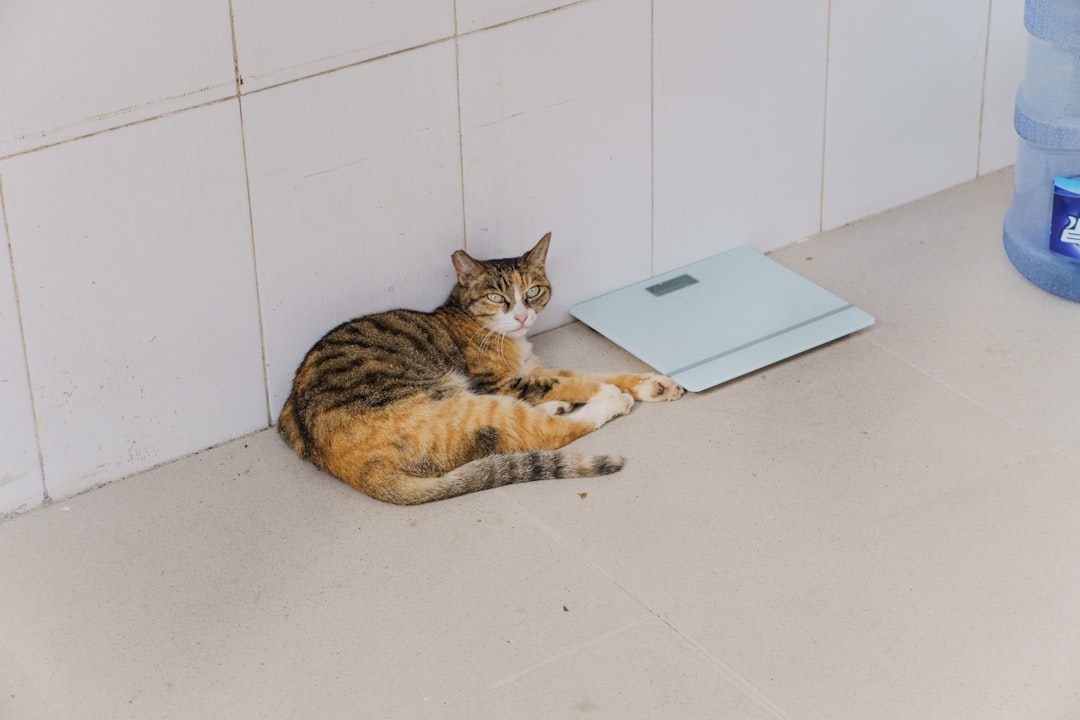
At $599.95, it’s not a casual purchase. But when I added up the cost of the DEXA scan, the blood pressure monitoring, and the body composition analysis I’d normally schedule separately, the math started making sense. Plus, it’s waiting for FDA clearance on some heart metrics, which tells me they’re taking the clinical side seriously — this isn’t just another gadget with a slick app.
The Toilet That Knows More About Your Gut Than You Do
I’ll admit, when I first heard about Throne One, I thought it was a joke. A toilet attachment with a camera that analyzes your waste? Hard pass. But then I read the science behind it, talked to a couple of dietitian friends who’d been following the company, and realized — gut health is the frontier we’ve all been sleeping on, and this device is actually trying to make it accessible.
Throne One mounts inside your toilet bowl and uses sensors (including a downward-facing 2MP camera — relax, it only sees the bowl) to track hydration levels, digestive patterns, and how your diet and stress affect what ends up in the toilet. The app gives you daily gut health scores and trends over time.
Here’s why this matters: most of us are walking around with low-grade gut inflammation and have no idea. We blame fatigue on bad sleep, bloating on “something we ate,” and irregular digestion on stress. But when you start correlating what goes in with what comes out — systematically, over weeks — patterns emerge that are genuinely actionable. I tested it for two weeks and discovered that my beloved chickpea pasta was wrecking my afternoons. Went from feeling sluggish to sharp just by swapping one ingredient.
At $340 for preorders (regularly $400), it’s one of the more affordable entries into the smart health space. And before you ask — yes, the data stays local and encrypted. I wouldn’t be writing about it otherwise.
The Mirror That Tells You How You’re Aging
Of all the CES 2026 products I’ve followed, the NuraLogix longevity mirror is the one that feels most like science fiction. You stand in front of it, take a selfie, and within seconds it uses AI-powered facial blood flow analysis to estimate biological markers related to how you’re aging — cardiovascular risk, blood pressure trends, even stress and anxiety indicators.
I haven’t gotten my hands on one yet (they’re rolling out through clinical partnerships first), but the technology is rooted in a technique called transdermal optical imaging, which has published peer-reviewed research behind it. The idea is that blood flow patterns in your face reveal information about your cardiovascular system that normally requires imaging equipment or blood tests.
Is it a replacement for your annual physical? Absolutely not. But as an early-warning system — something that nudges you to get checked out when subtle changes appear — I think we’re going to see a lot more of this category in the next two years. And honestly, anything that makes longevity monitoring more accessible and less intimidating gets a thumbs-up from me.
The Sleep Device That Actually Fixed My Environment
I’ve written about sleep optimization before, and I’ve tested enough gadgets to fill a closet. Most of them tell you what you already know — “you slept poorly” — without giving you a way to fix it. The Ambient Dreamie Clock is different because it actually measures your sleep environment, not just your movement.
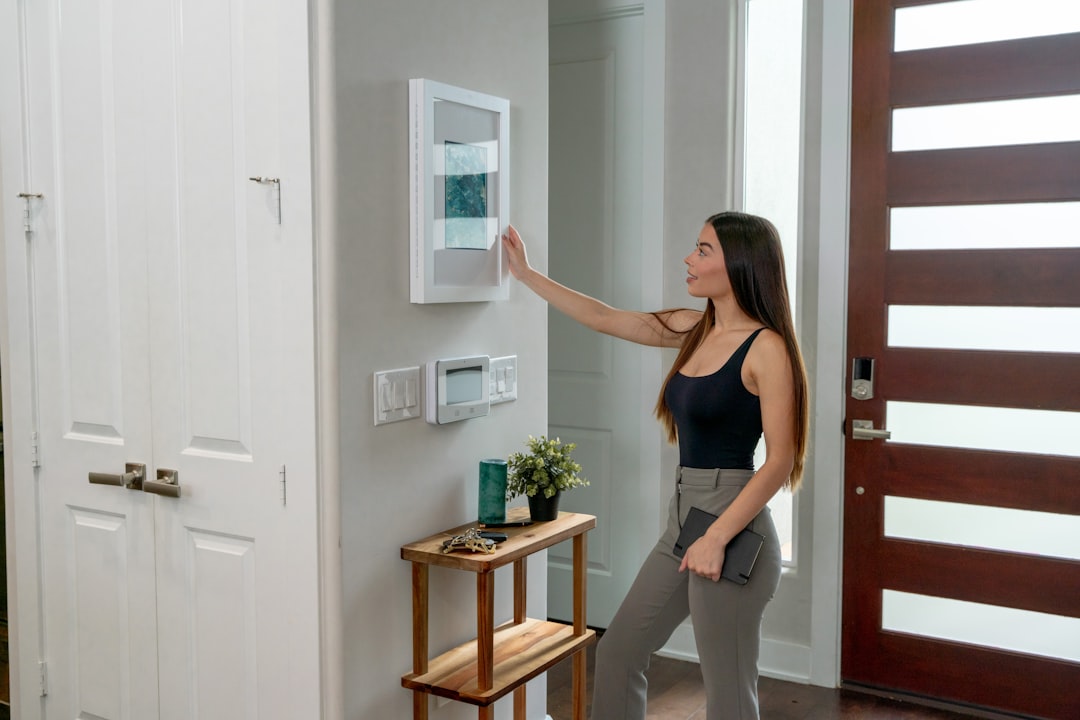
This adorable little device sits on your nightstand and tracks room temperature, humidity, and ambient light while monitoring your sleep quality. It then adjusts its built-in lighting and audio to optimize your conditions — warm glow to wind down, gentle sunrise simulation to wake up, and guided wind-downs that don’t require a phone.
What sold me: the first week I used it, I discovered my bedroom was hitting 76 degrees by 2 AM, way too warm for deep sleep. I’d been blaming my afternoon caffeine habit for weeks. One adjustment to the thermostat and my deep sleep jumped by 22 minutes a night. Sometimes the answer isn’t a supplement or a routine change — it’s the room you’re sleeping in.
The Exoskeleton I Never Knew I Needed
Okay, this one’s technically not a bathroom gadget, but it’s the CES 2026 product I can’t stop thinking about. The Hypershell X Series exoskeleton straps to your legs and uses AI-powered motors to reduce the effort of walking, hiking, and climbing stairs by up to 30%.
I know what you’re thinking — “Sophia, you’re a former heptathlete, why would you need help walking?” And fair point. But here’s where I get practical: not everyone reading this is a competitive athlete. I have clients in their 50s and 60s with knee arthritis who want to hike with their grandkids. I have friends recovering from surgery who need to rebuild walking endurance slowly. And honestly, even for someone like me, the idea of strapping on powered legs for a 15-mile day hike and waking up fresh the next morning? That’s not cheating — that’s smart recovery management. I’ve written about recovery technology before, and this category is evolving faster than anything I’ve seen in a decade.

The technology behind these devices is improving rapidly, and I fully expect prices to come down as adoption grows. For now, it’s a premium investment, but the concept of augmenting natural movement to extend active years is one of the most exciting frontiers in wellness tech.
Why Smart Open-Ear Headphones Belong in Your Morning Routine
The last piece of tech I want to highlight isn’t a health monitor at all — but it’s become the single most-used device in my wellness routine. The Shokz OpenFit Pro bone conduction headphones sit outside your ear canal, which means you can hear your surroundings while listening to music, podcasts, or guided meditations.
Why does this matter for health? Because the biggest barrier to morning movement isn’t motivation — it’s safety and awareness. I used to skip early morning walks because I couldn’t hear traffic with earbuds in. Now I get my 20-minute morning walk with a podcast, fully aware of the world around me, and I’ve added 140 minutes of low-intensity movement to my week without thinking about it.

The OpenFit Pro also features Dolby Atmos, noise cancellation for calls (yes, I take coaching calls on walks — don’t judge), and up to 50 hours of battery life. At $249.95, they’re an investment in consistency, which is the real secret to every health goal you’ve ever set.
The Affordable Entry Point: A Smartwatch That Does More Than Count Steps
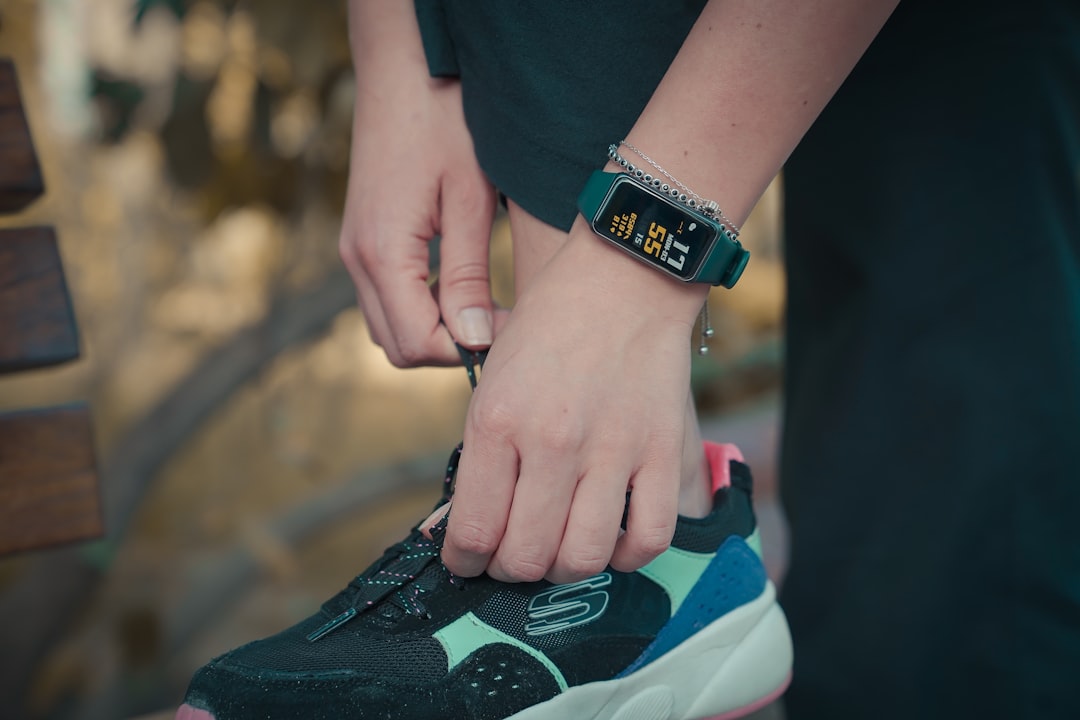
Not everything on this list costs hundreds of dollars. The Amazfit Active Max caught my attention at CES for one simple reason: it delivers genuinely useful health and fitness guidance for $169, with no subscription required.
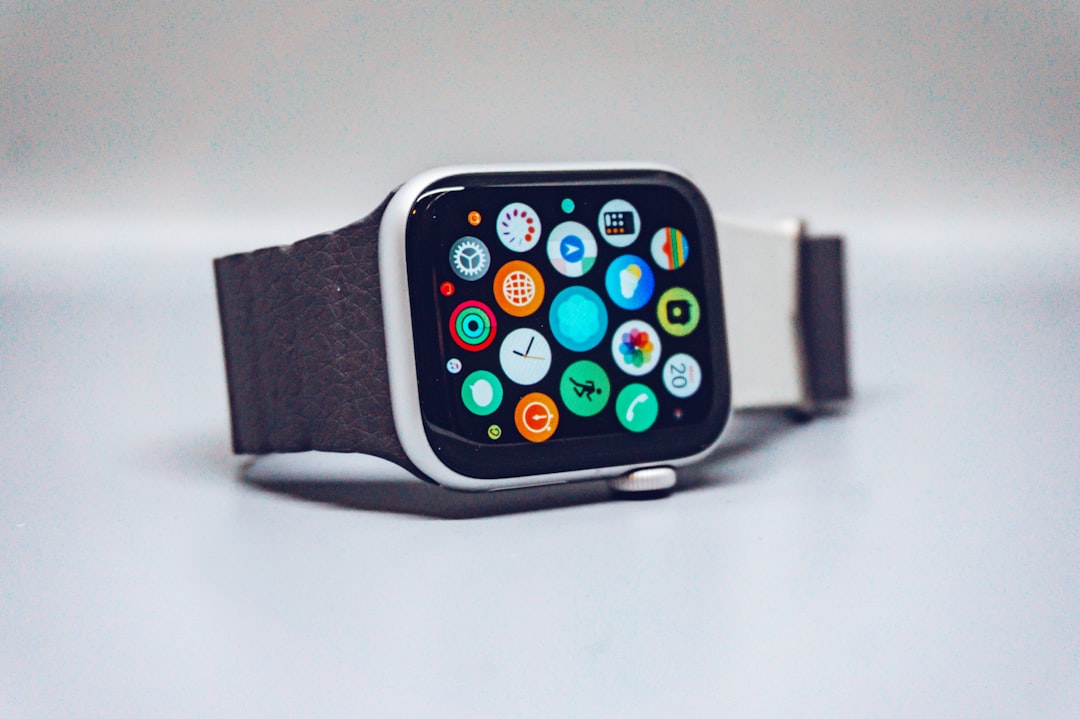
The Zepp app that powers it offers personalized training plans, recovery recommendations, and nutrition guidance — all free. The 1.5-inch display is bright and readable in direct sunlight, the battery lasts up to 25 days, and it tracks everything from sleep stages to blood oxygen to stress levels. I recommended it to three clients who wanted a fitness wearable without the premium price tag, and all three are still wearing theirs months later.
Sometimes the best piece of health tech is the one you’ll actually use every day, and at this price point, the barrier to entry is about as low as it gets.
What I’m Actually Using Day to Day
Here’s my honest assessment after spending the first half of 2026 immersed in this tech: the smartest thing you can do is pick one area where you’re flying blind and get a device that gives you visibility. For me, that was sleep environment (Dreamie fixed a problem I didn’t know I had). For you, it might be body composition trends (Body Scan 2.0), gut health (Throne One), or just having a reliable daily health companion on your wrist (Active Max).
The technology is finally catching up to the promise. These aren’t gimmicks with slick marketing — they’re tools rooted in real science that happen to live in spaces where we already spend time every day. Your bathroom, your bedroom, your morning walk — they’re all becoming data-rich environments that help you make better decisions without adding complexity to your life.
And that, honestly, is what wellness technology should have been all along. Not more things to track and stress about. Better information, delivered where you already are, so you can spend less time worrying about your health and more time actually living it.