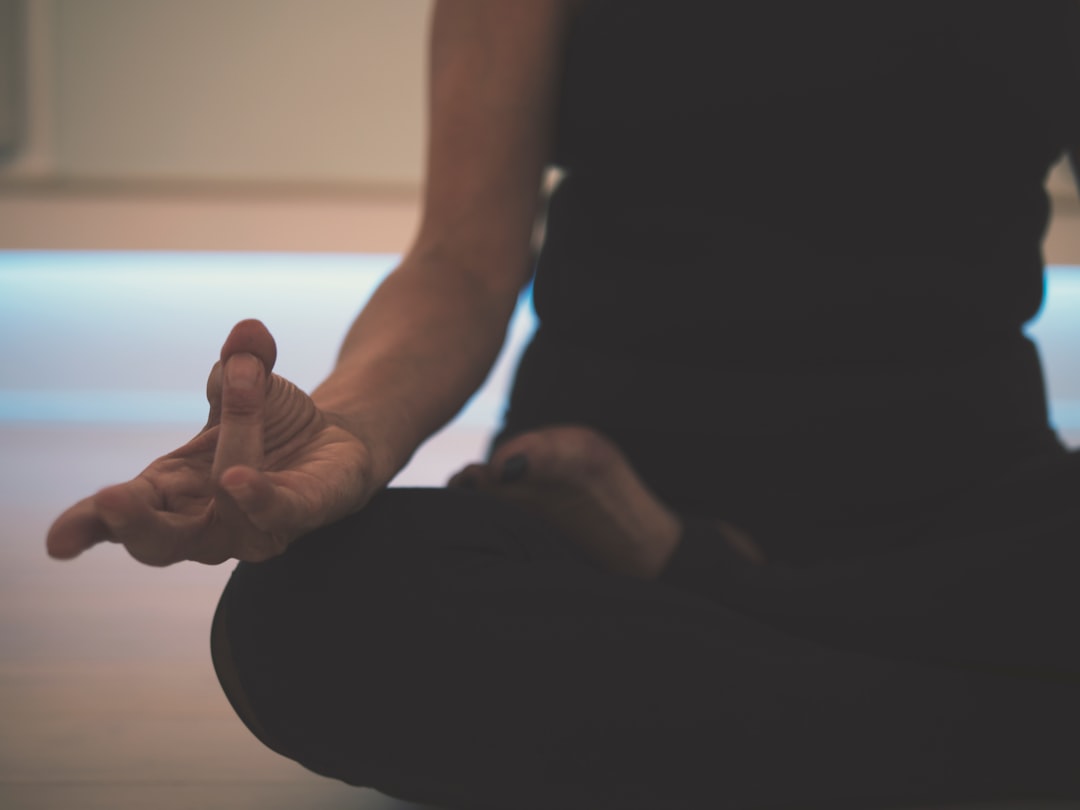
I have to be honest with you. The first time someone told me to lie down on a mat covered in thousands of tiny plastic spikes, I laughed in their face. I’m an athlete — or at least I was, back in my heptathlon days — and I’ve put my body through some genuinely intense experiences. Hill sprints at altitude. Ice baths that made my teeth ache. A VO2 max test that had me questioning every life choice that led me to that treadmill. But willingly pressing my bare skin into what amounts to a bed of nails? That felt like a line even I wouldn’t cross.
Then my physical therapist suggested I try one for the chronic tension I carry between my shoulder blades — the kind that shows up after years of throwing javelins and doing overhead presses with less-than-perfect form. She handed me a brightly colored mat that looked like something between a yoga mat and a medieval torture device, and told me to give it five minutes. Just five.
Those five minutes changed my mind completely. And now, three years later, I’ve tested over a dozen acupressure mats, recommended them to dozens of my coaching clients, and watched them become one of the most surprisingly effective recovery tools in my entire wellness arsenal. So let me walk you through what I’ve learned — the science, the experience, and which ones are actually worth your money.
What an Acupressure Mat Actually Does to Your Body
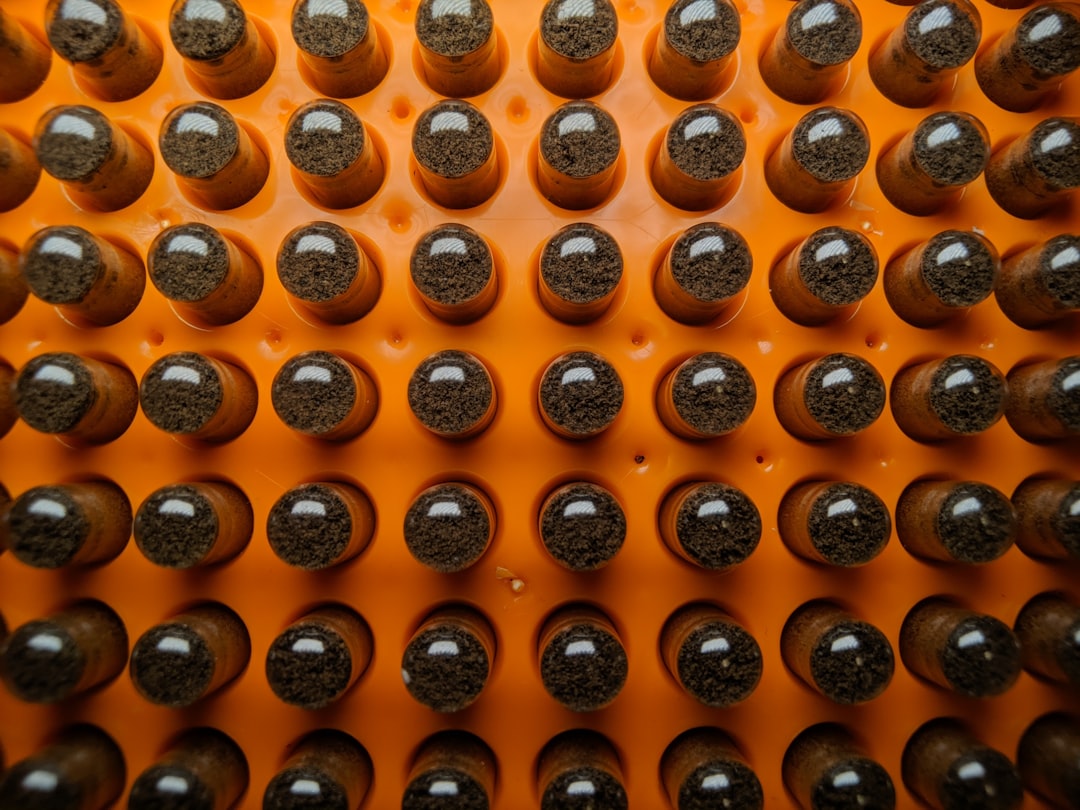
Let’s cut through the wellness jargon. An acupressure mat is a flat cushion covered in hundreds or thousands of small plastic “flowers,” each with multiple pointed tips. When you lie on it, those points stimulate blood flow across large areas of your back, neck, and shoulders simultaneously. The sensation starts sharp — there’s no sugarcoating that — but within about two minutes, most people experience a warm, almost tingling wave that spreads across the area.
That warmth isn’t imaginary. The pressure from the spikes triggers your body to release endorphins and oxytocin, the same feel-good chemicals that kick in after a tough workout or a deep massage. Blood rushes to the surface of your skin, which is why you’ll often look flushed after a session. That increased circulation is exactly what helps tight muscles relax and speeds up the removal of metabolic waste that contributes to soreness.
Research published in the Journal of Alternative and Complementary Medicine found that regular acupressure mat use significantly reduced neck and lower back pain in participants who used one for just twenty minutes a day over two weeks. Another study showed measurable improvements in sleep quality — which makes sense when you consider that lying on one before bed essentially forces your nervous system into a parasympathetic, rest-and-digest state.
Why I Reached for a Spike Mat Instead of a Massage Gun
Don’t get me wrong — I love my percussion massage gun for targeted work on stubborn knots. But massage guns require you to actively hold the device, find the right angle, and apply the right amount of pressure. An acupressure mat does something different: it lets you surrender completely. You just lie there and breathe.
For my clients who sit at desks all day and carry a gnarly band of tension across their upper back, the mat delivers a broad, consistent pressure that a massage gun simply can’t replicate. It’s the difference between having someone dig their thumb into one spot versus getting a full-back hug from a very determined Swedish therapist. Both have their place, but if I had to choose one for overall relaxation and tension relief, the mat wins almost every time — and it costs a fraction of what you’d pay for a high-end massage gun.
I also love that acupressure mats are completely passive. After a long day of coaching clients through deadlifts and burpees, the last thing I want to do is more work. Lying on my mat for fifteen minutes while listening to a podcast is recovery I don’t have to think about — and isn’t that the best kind? My daily foam rolling habit still has a permanent spot in my routine, but the mat has become the bookend I look forward to most. And speaking of recovery tools I can’t live without, building my home recovery setup was one of the best decisions I made this year.
How to Actually Use One Without Losing Your Mind
Here’s what nobody tells you: the first time hurts. Not injury-level pain, but a definite “what have I gotten myself into” sensation. That’s normal, and it passes faster than you’d expect. Here’s the protocol I give every client:
Week one: Start with a thin t-shirt between you and the mat. Limit sessions to five minutes. Focus on deep belly breathing — inhale for four counts, hold for four, exhale for six. The breathing matters because it signals your nervous system that you’re safe, which helps your muscles release faster.
Week two: Lose the t-shirt if you can tolerate it. Extend to ten minutes. Try lying on different areas — your upper back, lower back, even standing on it barefoot for plantar fascia relief. You can find sets that include a neck pillow, which is absolutely worth it for shoulder tension.

Week three and beyond: Work up to fifteen or twenty minutes. This is where the magic really happens. I’ve had clients tell me they fall asleep on their mats — and I’ve done it myself more times than I care to admit. You’ll know you’ve found your sweet spot when the initial sharpness melts into a deeply relaxing warmth that makes your eyelids heavy.
The Mats I’ve Tested and What I Actually Recommend
After trying more than a dozen mats over the past three years, a few clear winners have emerged. Here’s my honest breakdown:
Pranamat ECO: This is the one I keep on my bedroom floor permanently. It’s handmade in Lithuania with organic linen, natural coconut fiber filling, and non-toxic HIPS plastic for the spikes. Yes, it’s pricier than most options, but the build quality is in a different league. The spikes are precisely angled for consistent pressure, and the mat itself is beautiful enough that you won’t feel the need to shove it in a closet when company comes over. Find the Pranamat ECO here.
ProsourceFit Acupressure Mat and Pillow Set: If you’re on a budget or just want to try acupressure without committing to a premium price, this is your move. The spike density is solid, the included pillow is a nice bonus, and the whole thing costs less than a single massage session. I’ve recommended this to at least twenty clients and every single one has been surprised by how effective it is for the price. Check out the ProsourceFit set.
Shakti Mat: The OG of the acupressure world, made in India with organic cotton and medically graded ABS plastic. Shakti offers three different spike levels — beginner, original, and advanced — so you can graduate as your tolerance builds. The advanced level is no joke; I’ve watched grown men who bench press 300 pounds tap out after three minutes. If you want a mat that grows with you, the Shakti Mat is a solid investment.

DoSensePro Acupressure Mat: This one flies under the radar but consistently ranks high in independent testing. It comes with a carrying case, has a slightly softer spike profile that’s great for beginners, and includes a neck pillow that’s genuinely comfortable. I’ve also used it under my feet while working at my standing desk, and the plantar fascia relief is real. Browse the DoSensePro option here.
Beyond the Back: Creative Ways I Use My Mat
Most people buy an acupressure mat, lie on their back, and call it a day. But there are some genuinely game-changing applications that most people never consider:
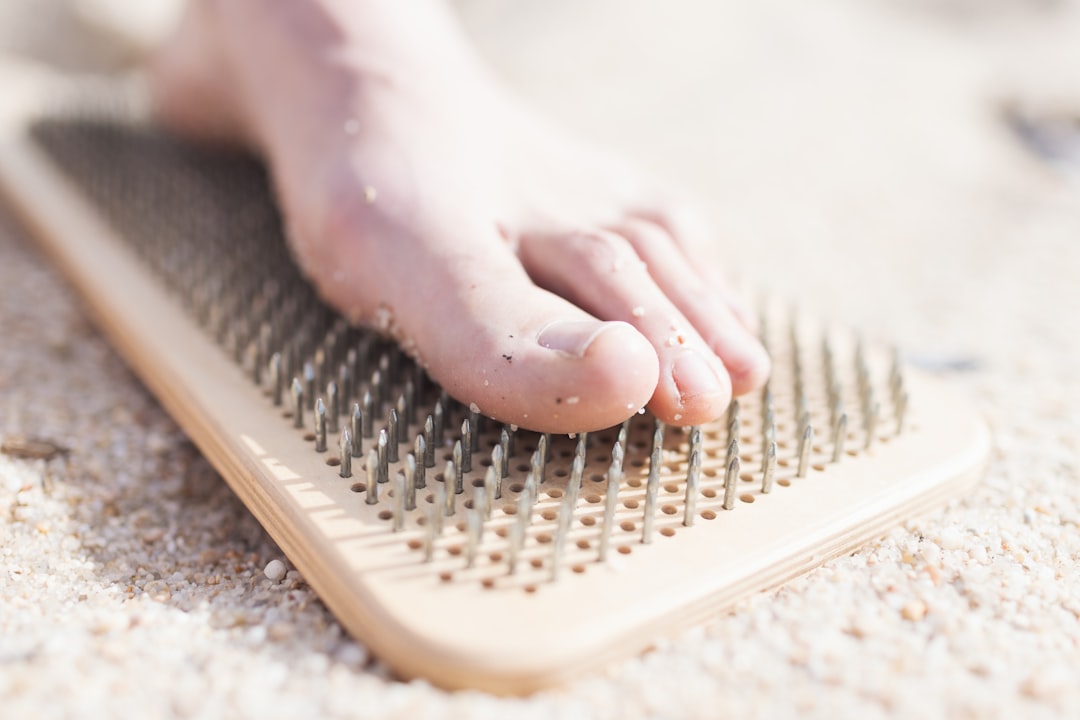
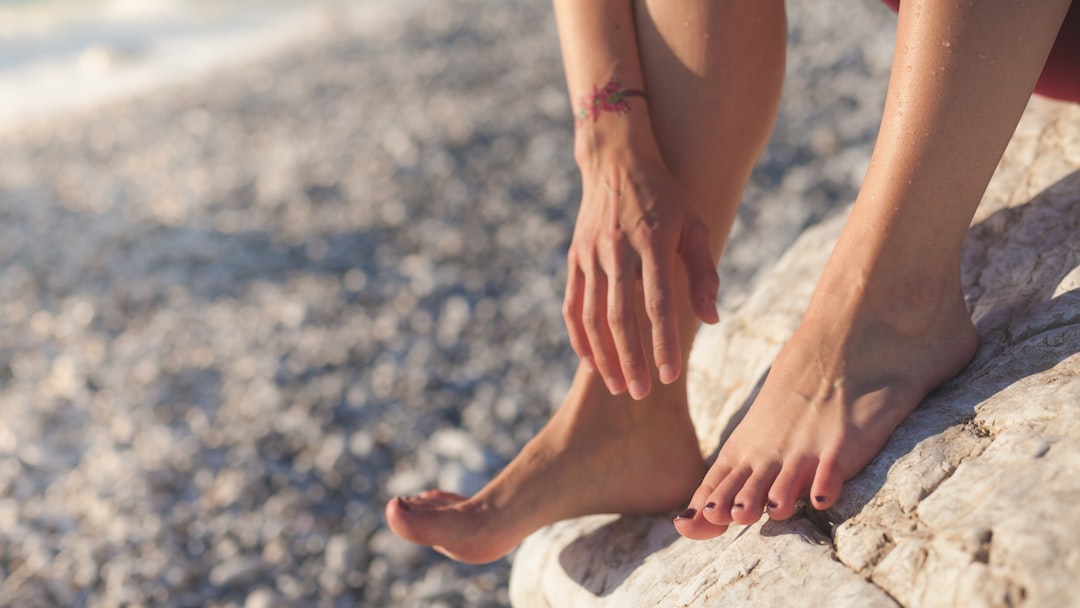
Under your feet: Standing on the mat for five minutes is an incredible way to relieve plantar fasciitis and general foot fatigue. I do this while brushing my teeth every morning. If you’re on your feet all day or you’re a runner, a dedicated foot acupressure mat might be worth adding to your setup.
For jaw tension: Gently resting your cheek and jaw on the mat’s pillow can help release TMJ tightness. I discovered this during a particularly stressful competition season when my jaw was clenched so tight I was getting headaches. Two minutes on each side and the tension would melt.
Post-workout legs: Sitting on the mat with it under your hamstrings and glutes after heavy squats or deadlifts accelerates blood flow to those muscle groups. It’s not as dramatic as targeted shoulder work, but for overall leg recovery, it’s a surprisingly effective tool that costs nothing to use after the initial purchase.
Who Should Skip It (And Who Shouldn’t)
Acupressure mats aren’t for everyone. If you have thin skin, are prone to bruising easily, or have a bleeding disorder, the spike pressure could cause issues. Pregnant women should avoid them entirely — the acupressure points can stimulate uterine contractions. And if you have any kind of skin condition like eczema or psoriasis on the areas you’d be pressing, the spikes could irritate already sensitive skin.
But for pretty much everyone else — desk workers with upper back tension, athletes looking for passive recovery, people with mild insomnia, anyone dealing with stress-related muscle tightness — an acupressure mat is one of the highest-ROI wellness purchases you can make. It’s one of those rare things that costs under $40, takes zero effort to use, and delivers results you can actually feel from the very first session.
My Honest Take After Three Years
Here’s the thing about wellness tools: most of them are solutions looking for problems. I’ve tested enough gadgets, supplements, and protocols to know the difference between something that genuinely improves your life and something that just looks good on Instagram. Acupressure mats fall firmly in the first category.
They’re not flashy. They don’t connect to an app or track your metrics or give you a score. They just lie there on your floor, covered in thousands of tiny spikes, quietly waiting to melt away the tension you didn’t even realize you were carrying. And on the days when I’m too exhausted to foam roll, too sore for another minute with the massage gun, and too wound up to fall asleep, my mat is there — asking nothing from me but fifteen minutes of stillness.
If you’ve been curious about trying one, start with a beginner-friendly acupressure set and commit to two weeks. Wear a thin shirt at first, breathe deeply, and trust the process. I promise you — the first minute is the hardest part. Everything after that is just your body remembering how to let go.



Read this while laying on my spike mat. Was wondering if the person who gave it to me was tricking me 😬😁…so I looked it up. Was happy to find your article. I lay on mine while using a neck traction gizmo. I appreciate the insight regarding standing and sitting on it. Great article, thanks!
Happy that it was helpful!