
I had it all figured out. Or at least I thought I did. My mornings started with lemon water and a twenty-minute mobility flow, followed by a strength session four days a week and a carefully curated supplement stack that could rival a pharmacy shelf. My meals were prepped, my macros tracked, my hydration monitored down to the ounce. I was doing everything the wellness books told me to do. So why did I still feel like I’d been hit by a truck by three o’clock every afternoon?
It took me longer than I care to admit to realize that the problem wasn’t what I was doing — it was what I was missing. Hidden inside my otherwise healthy routine were six energy-draining habits so subtle I never questioned them. Once I started pulling on that thread, everything changed. My energy stabilized, my sleep deepened, my recovery accelerated, and that persistent brain fog I’d chalked up to “just getting older” vanished almost overnight.

These aren’t the obvious culprits like “drink less coffee” or “get eight hours of sleep.” You already know those. These are the silent saboteurs — the things wellness influencers rarely talk about because they’re not sexy enough to sell. But fixing them? That’s where the real transformation lives.
Habit #1: Breathing Through Your Mouth Like It’s Normal (It’s Not)
Here’s a fun fact that shook me: up to half of us are chronic mouth breathers and have no idea. I certainly didn’t. I was that person who breathed through my mouth during workouts, while sleeping, even while typing emails. It felt natural. Turns out, it’s anything but. Nasal breathing produces nitric oxide, a molecule that dilates blood vessels, improves oxygen delivery to your muscles and brain, and even helps regulate your nervous system. Mouth breathing? It bypasses all of that and triggers a low-grade stress response.

The difference hit me during training. Once I started consciously nasal breathing during my runs and lifting sessions, my heart rate stayed lower, my recovery between sets improved, and I stopped feeling like I’d been hit by a wave of fatigue an hour after working out. It sounds almost too simple to matter, but the science is solid — and once you make the switch, you’ll wonder how you ever did it any other way.
If you’re struggling with nighttime mouth breathing (which destroys sleep quality), I’d highly recommend looking into nasal breathing strips designed for sleep. They’re a simple, non-invasive way to train yourself back to the breathing pattern your body was designed for.
Habit #2: Never Letting Your Feet Touch the Ground Barefoot
This one caught me completely off guard. After years of wearing cushioned sneakers from the moment I woke up to the moment I went to bed — even around the house — I discovered that my foot strength had quietly deteriorated. My arches were weaker, my balance was worse than it should have been for someone who trains regularly, and I was getting nagging plantar fasciitis flare-ups that wouldn’t quit.

Our feet contain over 100 muscles, tendons, and ligaments, and when you encase them in supportive shoes all day, those structures basically go on vacation. They atrophy. They forget how to stabilize. And then your knees, hips, and lower back pick up the slack, leading to compensatory pain patterns that seem to come from nowhere.
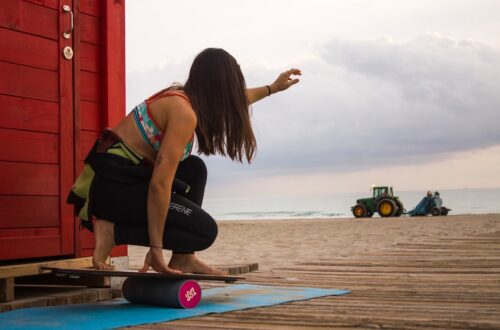
I started spending twenty minutes a day barefoot on grass — just walking, stretching my toes, feeling the ground. Within two weeks, my balance improved noticeably. Within a month, my foot cramps disappeared entirely. I also started incorporating minimalist barefoot-style shoes for my warm-ups and mobility work, which helped rebuild intrinsic foot strength without going full cavewoman at the grocery store. And for days when getting outside isn’t an option, an acupressure mat for foot reflexology provides similar stimulation and keeps those intrinsic muscles engaged.
Habit #3: Eating “Healthy” at the Wrong Time
This was a bitter pill to swallow, pun absolutely intended. I was eating all the right foods — lean proteins, complex carbs, healthy fats, plenty of vegetables. But my timing was a disaster. I’d fast until noon, crush a massive lunch, snack through the afternoon, eat dinner at eight, and wonder why I couldn’t fall asleep or why I woke up feeling like I’d barely rested at all.

The emerging research on circadian nutrition — basically, aligning when you eat with your body’s natural metabolic rhythms — is some of the most exciting work happening in longevity science right now. Studies are showing that eating your larger meals earlier in the day, when your insulin sensitivity is highest, and giving your body a solid three-hour window before bed without food can dramatically improve sleep quality, metabolic health, and even how your body processes stress.
I shifted my biggest meal to lunch, front-loaded my carbs around my training window, and stopped eating by 7 PM. The change in my energy was not subtle. I fell asleep faster, woke up more refreshed, and stopped hitting that mid-afternoon wall that used to send me reaching for another cup of coffee. If meal timing feels overwhelming, portion-controlled meal prep containers make it so much easier to plan your day’s eating around when your body actually wants fuel.
Habit #4: Stretching Without Ever Decompressing Your Spine
I was religious about stretching. Hamstrings, hip flexors, shoulders — I hit them all. But no matter how flexible my muscles became, my back still ached, my posture was still junky by mid-afternoon, and I still felt “compressed” — like someone had squished me down a couple of inches overnight. What I didn’t understand was that muscle flexibility and spinal decompression are two completely different things.

Your spine absorbs compressive forces all day long. Walking, sitting, standing, lifting — gravity is constantly pressing down on those intervertebral discs. Stretching muscles doesn’t relieve that compression. In fact, certain stretches can actually increase spinal loading if you’re not careful. What your spine craves is traction — gentle, sustained decompression that allows the discs to rehydrate and the nerves to breathe.
I started hanging from a pull-up bar for sixty seconds every morning — a simple doorway pull-up bar is all you need — and using an inversion table for spinal decompression a few times a week. The relief was almost immediate. My standing posture improved, my chronic low-back stiffness faded, and for the first time in years, I woke up feeling an inch taller instead of an inch shorter. It’s one of those things that sounds dramatic until you try it and realize it’s just basic physics applied to your skeleton.
Habit #5: Hydrating Without Replenishing Electrolytes
This one is near and dear to my heart because I was a champion water drinker. I carried a gallon jug everywhere. I hit my targets every single day. And yet, I was constantly dealing with muscle cramps, random headaches, and this weird floaty feeling during workouts where my muscles just wouldn’t fire properly no matter how hard I pushed.

The issue wasn’t volume — it was balance. When you drink large amounts of plain water without adequate electrolytes, you actually dilute the mineral concentration in your blood. Your cells can’t hold onto the water, your nerve signals get sluggish, and your muscles contract poorly. It’s called hyponatremia in extreme cases, but even mild imbalances can tank your performance and energy.
Adding a quality electrolyte supplement to my morning routine and post-workout hydration was one of the single most impactful changes I’ve ever made. I’ve tested a lot of them (truly, I tested 47 electrolyte powders so you don’t have to), and the difference between a good one and a bad one is night and day. Look for ones with sodium, potassium, and magnesium in meaningful doses — not just a sprinkle of pink salt and a marketing budget. You can find great options when you shop for quality electrolyte powder supplements.
Habit #6: Treating Light Exposure Like It Doesn’t Matter
Of all the hidden energy killers on this list, this one might be the most insidious because it operates completely under your radar. Your circadian rhythm — the internal clock that governs your energy, sleep, hormone production, and even your metabolism — is calibrated primarily by light. And most of us are giving it wildly confusing signals all day long.

We wake up in dim indoor light when our bodies expect bright blue-spectrum sunshine. We spend the afternoon under harsh fluorescent office lighting. Then we blast our retinas with blue light from phones and laptops until minutes before bed. It’s no wonder we feel wired and tired simultaneously. Your body literally doesn’t know what time it is.
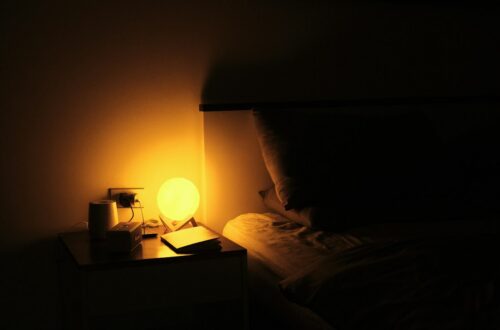
The fix is beautifully simple, though it requires some intentionality. Get outside within thirty minutes of waking — even ten minutes of natural light is enough to anchor your circadian clock. During the day, let as much natural light into your workspace as possible. And in the evening, shift your environment toward warm, dim light. I use blue-light-blocking glasses after sunset and swapped my bedroom lamp to a warm amber bulb. The result? I fall asleep in half the time I used to and wake up naturally before my alarm more often than not. A simple sunrise alarm clock can also help anchor that morning light signal on dark winter days when the sun isn’t cooperating.
Also, if you’re a data person like me, wearing a sleep-tracking wearable helped me see the objective difference these light changes made. The data doesn’t lie — my deep sleep increased by nearly twenty minutes per night after I got serious about light management.
Putting It All Together Without Losing Your Mind
I know what you’re thinking. “Great, six more things to add to my already packed wellness routine.” I hear you. But here’s what I’ve learned the hard way: adding these habits actually freed up energy I didn’t know I was hemorrhaging. When your body stops fighting invisible battles — against poor breathing, spinal compression, mineral imbalances, circadian confusion — it suddenly has resources left over for the stuff you actually want to do.
You don’t have to tackle all six at once. In fact, please don’t. Start with the one that resonates most. For me, it was electrolytes and light exposure — both easy wins that paid off within days. Then layer in the next one when the first feels automatic. That’s how sustainable change actually works. Not with dramatic overhauls, but with quiet, consistent adjustments that compound over time.
Your energy isn’t something you either have or don’t have. It’s something you’re either building or leaking. And once you find the leaks, everything else gets easier. Your workouts feel stronger, your recovery comes faster, your mind stays sharper, and you start experiencing what I can only describe as the version of yourself you always knew was in there somewhere. If you’re looking for more ways to optimize your recovery and feel your best, check out my experience with infrared saunas versus cold plunges for recovery — it pairs perfectly with these foundational habits. And if your supplement routine still feels scattered, my guide on building a wellness stack that actually sticks will help you streamline without guessing.
You don’t need another supplement. You don’t need another program. You need to stop draining the battery you already have. Start plugging the leaks, and watch what happens.



3 Comments on “I Had the Perfect Wellness Routine and Still Felt Exhausted — Here’s What Was Actually Draining Me”