I’ll be honest — when my coaching client first told me she was standing in front of a glowing red panel every night for twenty minutes, I nodded politely and filed it under “things people do when they have too much disposable income.” I’d seen the Instagram posts. I’d scrolled past the celebrity endorsements. I’d watched a few YouTube reviewers rave about how red light therapy was the next big thing in recovery, and I rolled my eyes so hard I nearly sprained something.
But here’s the thing about being a wellness coach for over a decade: eventually, you have to put your skepticism where your mouth is. I spend my days telling clients to keep an open mind about new modalities, to trust the process, to give things a fair trial before dismissing them. So when another athlete at my YMCA volunteer clinic mentioned that red light therapy had cut her post-workout soreness in half, I decided it was time to stop being a hypocrite.
Sixty days later, I have a red light panel mounted on my bedroom wall, a full-body mat I lay on three times a week, and a portable wand I carry in my gym bag. I’m not saying red light therapy is magic. I’m saying it surprised me — and I don’t surprise easily when it comes to wellness trends.
What Red Light Therapy Actually Does (Without the Marketing Fluff)
Before I get into my personal experience, let me break down what red light therapy is in plain English, because the marketing around this stuff is dense enough to confuse anyone. Red light therapy — also called photobiomodulation if you want to sound impressive at dinner parties — uses specific wavelengths of red and near-infrared light to interact with your cells. The two most common wavelengths are 660 nanometers (visible red) and 850 nanometers (near-infrared, which you can’t see but penetrates deeper into tissue).
The basic idea is that these wavelengths of light get absorbed by mitochondria — the energy-producing factories inside your cells — and stimulate them to produce more ATP, which is essentially cellular fuel. More ATP means your cells can repair damage faster, reduce inflammation, and perform their jobs more efficiently. It’s not dissimilar to how plants use sunlight for photosynthesis, except we’re talking about very specific, targeted wavelengths rather than full-spectrum light.
Now, I’m not a cell biologist, and I’m not going to pretend the research is unanimously glowing. But there’s a growing body of peer-reviewed studies suggesting red light therapy can help with muscle recovery, skin health, joint pain, and even sleep quality. The key word there is “suggesting” — this is an emerging field, and anyone who tells you red light cures everything is selling you something. What I can tell you is what I experienced over sixty days of consistent use.
Starting With a Wall Panel: My First Two Weeks
I started my red light journey with a mid-sized panel — the kind you mount on a wall or prop up on a door with a stand mount. I went with the Hooga PRO300 because it had solid reviews, a built-in timer, and dual-chip LEDs that deliver both 660nm and 850nm wavelengths simultaneously. It wasn’t the cheapest option on Amazon, but at this point in my wellness career, I’ve learned that going with the absolute cheapest version of any device usually means buying it twice.
The panel arrived well-packaged with a pair of protective glasses — which, by the way, are non-negotiable. Staring into a concentrated red light panel without eye protection is roughly as smart as staring at the sun. If your panel doesn’t include them, grab a dedicated pair before your first session.
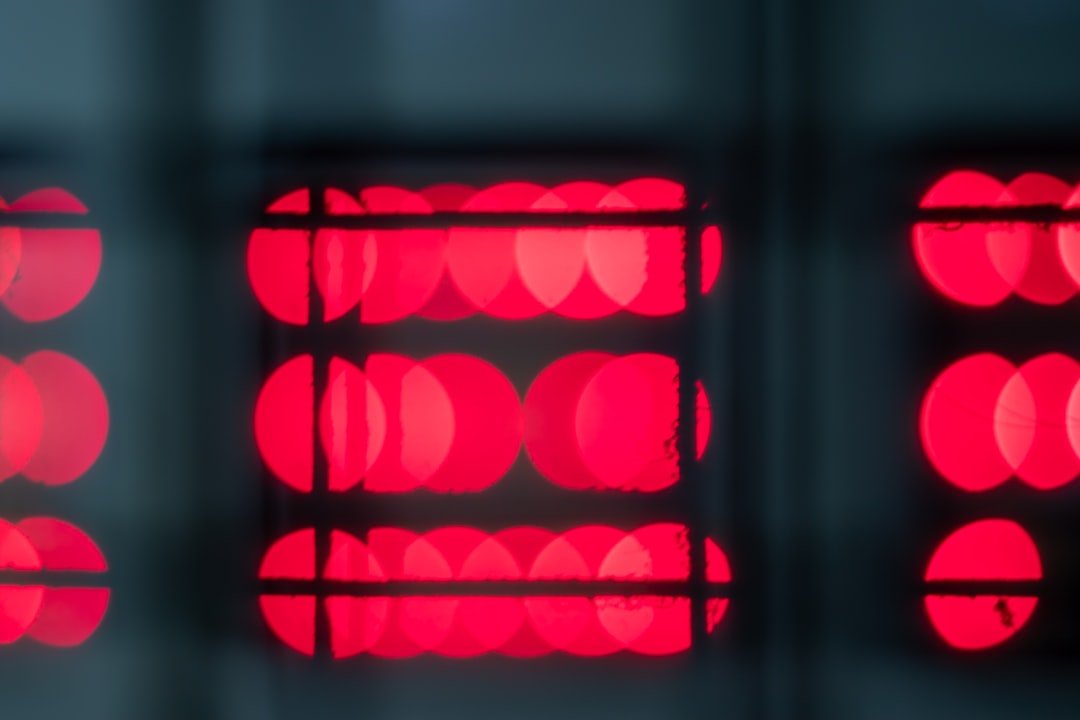
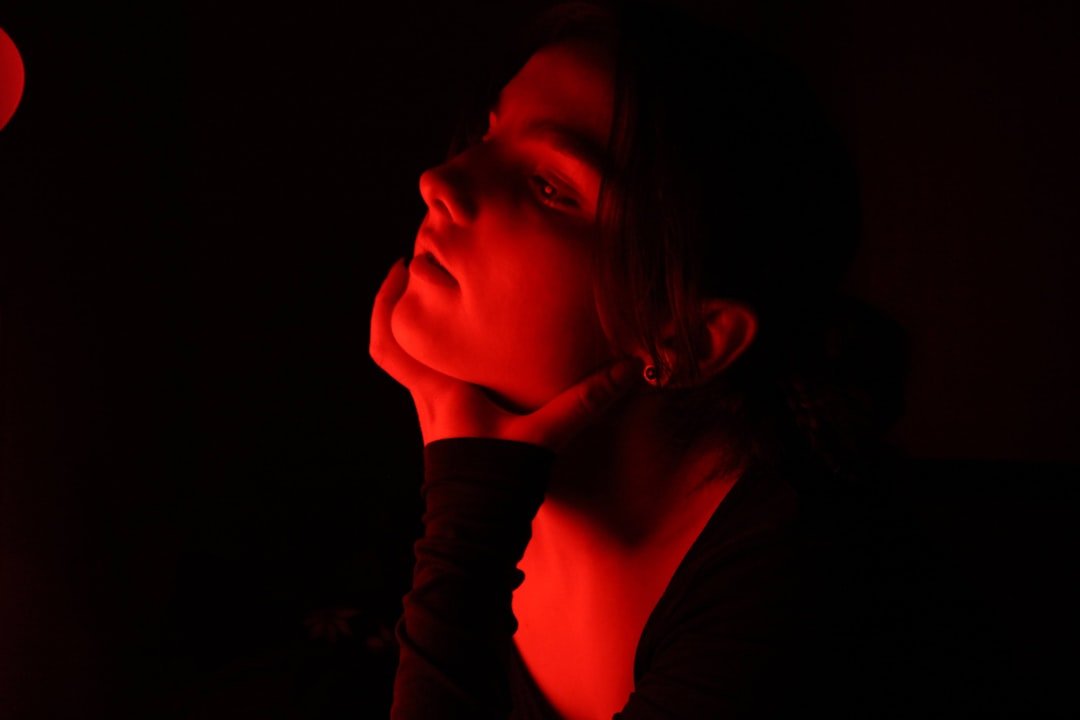
My routine was simple: twenty minutes every evening, standing about twelve inches from the panel, after my shower but before my wind-down routine. The light is intensely red — your whole room glows like a darkroom — and there’s a gentle warmth that radiates from the panel. It’s not hot, just pleasantly warm, like standing near a sunlit window on a cool day.
The first two weeks? Honestly, not much happened. I didn’t wake up with glowing skin or suddenly recover from workouts at superhuman speed. I was starting to think my skepticism was justified. But I’d committed to sixty days, and if there’s one thing my track-and-field career taught me, it’s that consistency beats intensity every time.
Adding a Full-Body Mat Changed Everything
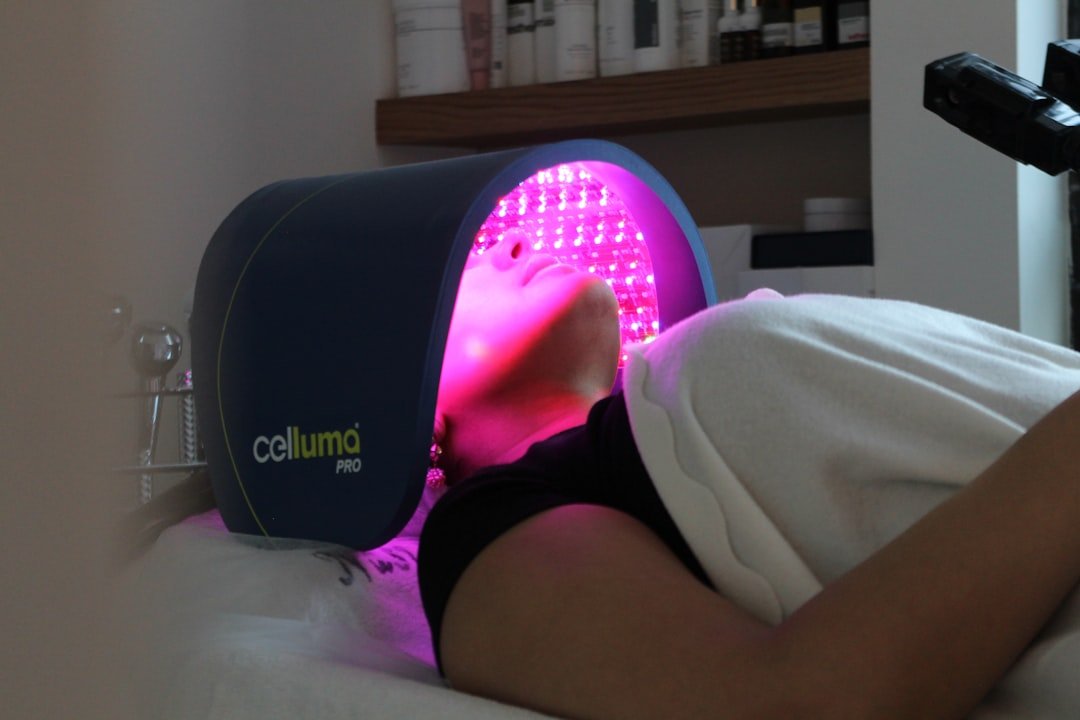
Around day fifteen, I added a full-body red light therapy mat to my setup. I’d been reading about how panels are great for targeted areas — face, shoulders, knees — but mats allow you to treat your entire back, glutes, and hamstrings simultaneously. As someone who spent years doing heptathlon training and now coaches clients with similar demands, my posterior chain takes a beating. I went with a foldable full-body mat with 480 LEDs that covers about 39 by 24 inches — large enough to lie on comfortably without taking up half my living room.
The mat became the game-changer. I started lying on it for fifteen to twenty minutes after harder training sessions, and within a week, I noticed my usual next-day soreness was noticeably diminished. Not eliminated — let’s be clear, red light therapy is not a replacement for sleep, nutrition, or active recovery — but dulled in a way I hadn’t experienced since I started incorporating regular foam rolling years ago.
There’s something deeply relaxing about lying on a warm, glowing mat after a hard workout. I’d put on a podcast, close my eyes (with those protective glasses on, obviously), and let the light do its thing. It became my favorite part of the evening — part recovery tool, part meditation, part permission to lie still for twenty minutes without feeling guilty about it.
If you’re looking at full-body options, there are some impressive medical-grade mats now available that are FSA and HSA eligible, which tells you something about how far this technology has moved from the wellness fringe into recognized therapeutic territory.
The Portable Wand I Didn’t Know I Needed
By week three, I was fully bought in. I’d added a portable infrared wand to my kit — a small, handheld device that lets you target specific areas like a cranky knee, a tight shoulder, or the occasional tension knot in your neck. It runs on rechargeable batteries and is small enough to toss in a gym bag, which means I can hit problem areas immediately after training rather than waiting until I get home.
This is the device I lend to skeptical friends. There’s something about holding a targeted light wand on a sore spot and feeling the warmth penetrate that makes the concept click in a way that standing in front of a panel doesn’t. I’ve had at least three training partners try the wand on their post-workout shoulders and immediately ask where to get one.
For facial work, I also picked up a 7-color LED facial wand — yes, I know it sounds like something from a late-night infomercial, but the red and near-infrared settings on these devices use the same wavelengths as the big panels. I use it while watching TV in the evening, running it along my jawline and forehead for about ten minutes. Whether it’s made a visible difference to my skin is harder to quantify than muscle recovery, but my esthetician noticed my skin looked “calmer” at my last appointment, and she didn’t know I’d started using anything new.
What Actually Changed at Day Thirty
Here’s where I need to be very specific, because I don’t want to overstate results. At the thirty-day mark, here’s what I noticed:
- Recovery speed: My post-workout soreness peaked at about a 4 instead of a 6 on my personal 1-10 scale after hard training sessions. This was measurable — I track my perceived soreness every morning as part of my coaching practice.
- Sleep quality: My sleep tracker showed a modest improvement in deep sleep percentage — from an average of 18% to about 21%. Not earth-shattering, but consistent.
- Shoulder mobility: A nagging tightness in my right shoulder — a souvenir from years of javelin throwing — felt noticeably looser. This could be coincidence, but the timing aligned with my red light routine.
- Skin texture: Subjectively smoother, particularly on my neck and chest where I focused the panel most consistently.
What I did NOT experience: miraculous weight loss, instant energy, or any of the more outlandish claims you’ll find in red light marketing materials. It’s a recovery tool, not a magic wand (even the actual magic wand).
The Sauna Blanket Discovery: Layering Therapies
Around week five, a fellow coach mentioned she’d been combining red light therapy with an infrared sauna blanket — essentially a sleeping bag that uses far-infrared heat to raise your core temperature, promote sweating, and improve circulation. I was intrigued enough to try one, and it’s become the missing piece of my recovery puzzle.
The routine I’ve settled into: hard training session, followed by twenty minutes on the full-body red light mat, followed by thirty minutes in the infrared sauna blanket. I realize this sounds like the schedule of someone who has retired to a wellness spa, but the whole sequence takes under an hour, and I do it three times a week on my hardest training days. The other days, I just do the wall panel while getting ready for bed.
The combination of targeted light therapy and full-body infrared heat creates a recovery experience that genuinely rivals anything I got from professional sports massage during my competitive years. And unlike massage, I can do it at home, on my schedule, without booking three weeks in advance.
I should mention that if you’re already using thermoelectric recovery tools or cold plunge therapy, red light fits beautifully into that rotation. Cold therapy reduces inflammation acutely; red light supports cellular repair over the following hours. They address different parts of the recovery equation.
Day Sixty: The Honest Assessment
Two months in, here’s my unvarnished take. Red light therapy has earned a permanent place in my recovery routine. It’s not the most dramatic intervention I’ve ever tried — nothing will match the first time I used a foam roller on my IT band — but it’s one of the most consistently pleasant and easy-to-maintain habits I’ve added in years.
The biggest surprise wasn’t physical; it was behavioral. Standing in front of a warm red light for twenty minutes every evening has become a transition ritual that signals to my brain and body that the day is winding down. I sleep better on nights when I use it. I’m calmer after sessions. The light itself becomes a focal point for mindfulness, even if that wasn’t my intention.
From a pure recovery standpoint, I’d estimate it’s improved my perceived recovery quality by 15-20%. That’s significant for something that requires zero effort beyond plugging it in and standing there. I’ve also noticed I’m reaching for my recovery tools less frequently — the foam roller, the massage ball, the acupressure mat — not because I’ve abandoned them, but because the red light routine keeps my muscles in a better baseline state.

How to Build Your Own Red Light Setup Without Overwhelming Your Wallet
If you’re curious about red light therapy but don’t want to go all-in on day one, here’s how I’d recommend building a setup based on what I’ve learned:
Start with a panel. A mid-sized panel like the BestQool dual-chip LED panel or the large panel with protective glasses included gives you the most versatile starting point. You can use it for your face, shoulders, back, and legs. Look for one that offers both 660nm and 850nm wavelengths — anything that doesn’t specify both is probably cutting corners. The panel-with-stand options are worth the extra investment if you want to position it at different angles.
Add a mat for full-body coverage. Once you’re sold on the concept, a full-body mat is the logical next step. This is where you’ll get the most bang for your buck in terms of treating large muscle groups simultaneously. Foldable mats are easy to store and surprisingly powerful — the newer models pack hundreds of LEDs into a mat you can slide under your bed.
Round out with a portable wand. The handheld infrared wand I mentioned earlier is perfect for targeted treatment and travel. It’s the least essential of the three, but once you have it, you’ll find yourself reaching for it more than you expect.
One tip: invest in a smart timer plug if your panel doesn’t have a built-in timer. It’s too easy to lose track of time and end up standing in front of your panel for forty-five minutes, which doesn’t hurt you but isn’t doing extra work either. Twenty minutes is the sweet spot for most protocols.
What I’d Skip If I Started Over
Here’s where I save you some money. I tested a cheap red light “bulb” that screws into a regular lamp — skip it. The wavelength accuracy on budget bulbs is notoriously poor, and the power output is so low you’d need to sit under it for three hours to get the equivalent of a twenty-minute panel session. The same goes for red light face masks that cost less than a nice dinner. They’re not dangerous, but they’re underpowered to the point of being placebos.
I also wouldn’t bother with combination devices that try to pack red light, microcurrent, and radio frequency into one gadget. They do everything adequately and nothing well. You’re better off buying a dedicated red light device and letting it do one job properly.
The Bottom Line From a Recovered Skeptic
If you’d told me two months ago that I’d be writing a two-thousand-word article about how much I love standing in front of a glowing red light every night, I would have laughed you out of the room. But that’s the beautiful thing about wellness — there’s always something new that challenges your assumptions. Red light therapy isn’t going to replace your workouts, your nutrition, or your sleep. It’s not going to fix chronic pain that needs medical attention. What it can do is give your body an extra tool for recovery, and for me, that extra 15-20% improvement in how I feel the day after hard training is well worth the investment.
The technology has matured dramatically in the past few years. Devices are more powerful, more affordable, and better-designed than ever. Whether you’re a competitive athlete, a weekend warrior, or someone who just wants to feel a little less creaky in the mornings, red light therapy is one of those rare wellness trends that actually delivers on a meaningful percentage of its promises. And coming from someone who started as a full-blown skeptic, that’s not faint praise.
So go ahead — mount the panel on your wall. Lie on the mat. Give it sixty days of consistent use. And then tell me I was wrong. I dare you.