Something shifted in my living room last Tuesday at 5:47 AM. I was halfway through a set of Bulgarian split squats — the exercise I love to hate — when a calm, slightly robotic voice piped up from my phone propped against the wall. “Your right knee is drifting inward. Try pushing it outward about two inches.” I froze, looked down, adjusted, and nailed the next rep with better form than I’d managed in weeks. The voice wasn’t human. It was an AI fitness coach, and in that moment, I realized the personal training industry just got turned completely upside down.
For the past eight weeks, I’ve been immersed in the newest wave of AI-powered fitness coaching — apps and devices that watch you move, listen to your breathing, count your repetitions, and adjust your programming in real time. We’re not talking about the clunky workout timers of five years ago. These platforms use on-device computer vision, natural language processing, and biometric data from wearables to deliver something that feels genuinely close to having a knowledgeable trainer in the room with you. And as someone who’s spent two decades in fitness coaching, that sentence was not easy to type.

The AI Coaching Landscape Has Matured Fast
If you tried an AI fitness app even a year ago and walked away unimpressed, I understand. Early versions were glorified interval timers with a chatbot stapled on. But the technology under the hood has evolved dramatically. On-device computer vision can now track joint angles and movement patterns through your phone’s camera with surprising accuracy. Heart rate variability, sleep quality, and recovery data from devices like the WHOOP 5.0 band and the Oura Ring 5 are feeding AI algorithms enough biometric context to make genuinely smart training recommendations. The result? Apps that don’t just tell you what to do — they tell you what your body is ready for on any given day.
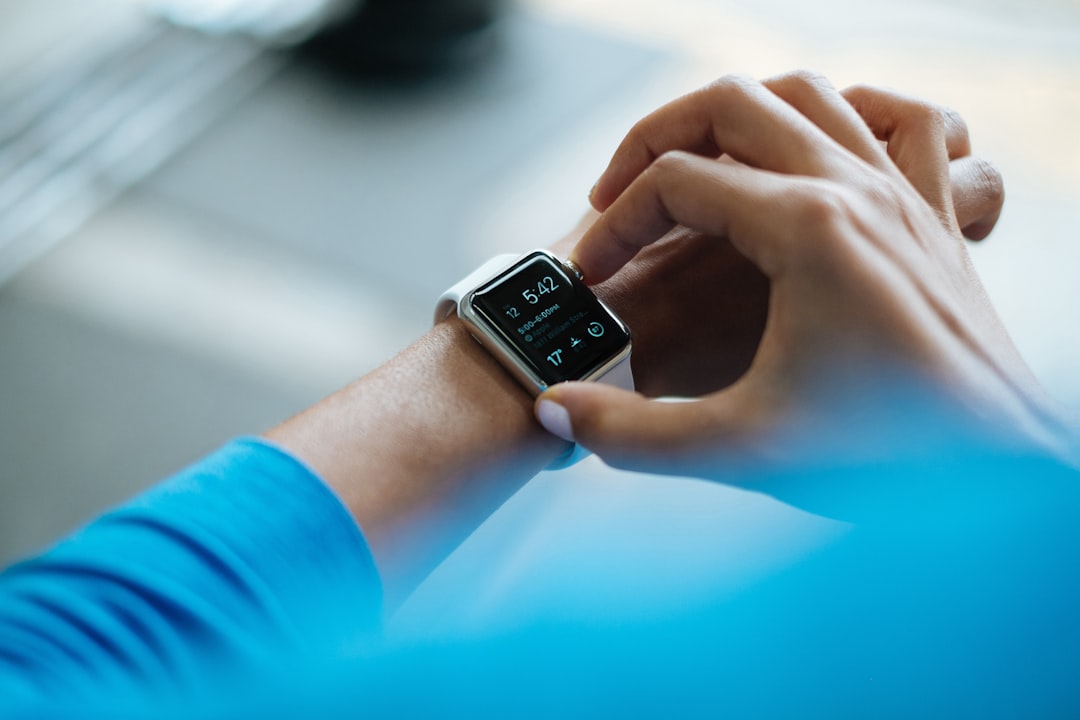
The timing is fascinating, too. Google officially retired the Fitbit app in May 2026, replacing it with the new Google Health app that features an AI-powered coaching engine. Samsung’s Galaxy Ring — which you can find right here — now integrates with Samsung’s own AI fitness platform that adapts workout intensity based on overnight recovery scores. Apple’s Health platform has been quietly building similar intelligence into watchOS, and the Apple Watch Series 11 leverages it beautifully for daily training suggestions. The hardware and software ecosystems have finally converged.
What Actually Happens When AI Watches You Lift
Here’s how a typical session works with the leading AI coaching apps. You prop your phone up — I use a flexible phone holder stand clipped to a shelf in my home gym — and the front camera becomes your form-checking spotter. The app identifies your body landmarks: shoulders, hips, knees, ankles, and tracks their movement through each repetition. When your squat depth drops shallow, it tells you. When your deadlift pull shifts too far onto your toes, it tells you that too.
What surprised me most wasn’t the accuracy — though that was better than I expected — it was the timing. Good human coaches know when to cue and when to shut up. These apps are getting close to that balance. During a set of push-ups, the AI stays quiet. Between sets, it offers one or two specific corrections. It doesn’t overwhelm you with data mid-rep, which is exactly right. Nobody wants to hear twelve cues while they’re fighting through the sticking point of a bench press.
The rep counting is another feature that sounds simple but matters enormously. Anyone who’s trained alone knows the mental math drift — “Was that seven or eight? Am I cheating myself?” The AI tracks every rep with laser precision, and some platforms even assess rep quality on a gradient. Not all eight reps earn the same score. The ones where your form was spot-on get flagged differently from the ones where you muscled through with sloppy mechanics. That’s genuinely useful feedback.
Wearable Integration Makes It Personal
Standalone AI coaching is impressive, but the real magic happens when these apps connect to your wearable ecosystem. After connecting my Garmin Forerunner 165, the AI app started adjusting my workout intensity based on my overnight HRV and sleep stages. On mornings when my recovery score sat in the green, it pushed heavier loads and higher volume. When I’d had a terrible night of sleep — which happens more than I’d like to admit with my travel schedule — it dialed things back to mobility work and lighter sets.

This is the promise that wearable fitness trackers have been building toward for years, and it’s finally delivering. The data pipeline from ring or watch to AI coach to personalized workout is seamless enough that it actually works in practice, not just in a marketing video. I’ve written before about how a smart ring quietly replaced several of my favorite health devices, and this is the next chapter of that story: the ring doesn’t just collect data anymore, it actively shapes what you do with your body.
The AI Apps Worth Your Time Right Now
After testing seven platforms over eight weeks, three stood out from the pack. Each takes a slightly different approach to AI coaching, and the best one for you depends on how you train.
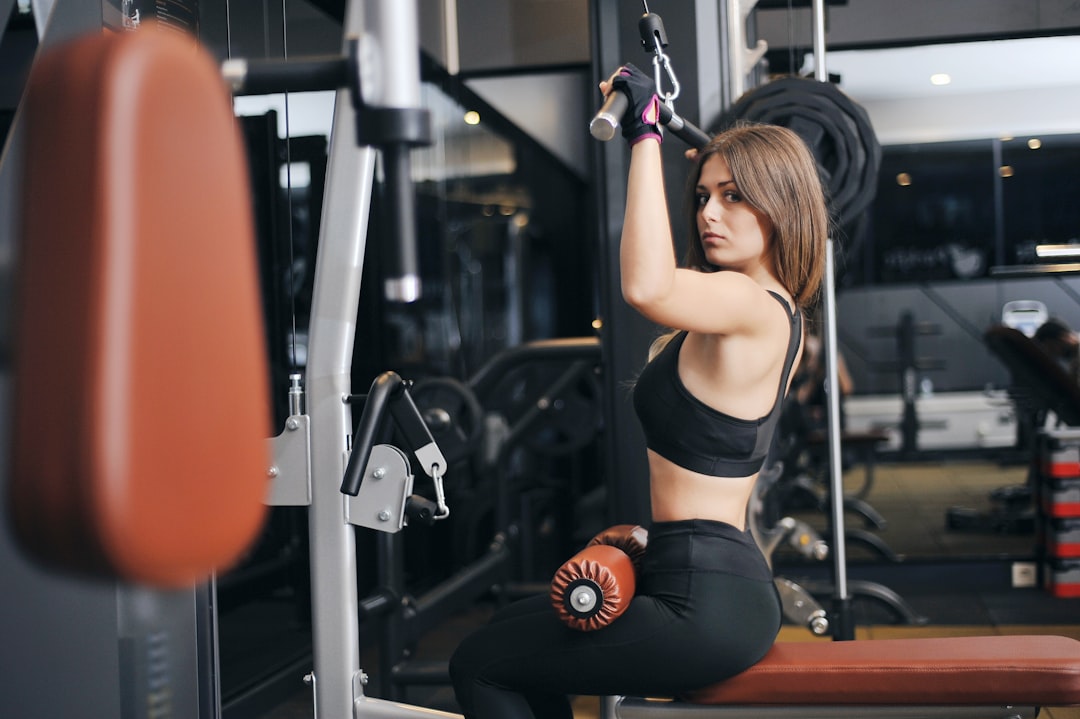
The first is built around computer vision form coaching — it’s the one that caught my knee drift on those split squats. You set your phone up, select your exercise, and it provides real-time voice cues while tracking your sets. The second platform focuses on program design, using your wearable data to build and adjust weekly training blocks. It connected to my SOUYIE GPT smart watch seamlessly and started recommending deload weeks exactly when my body needed them. The third takes a holistic approach, combining workout programming with nutrition guidance and recovery protocols — almost like having a coach, a dietitian, and a physical therapist rolled into one app.
What they all share is the ability to learn. After a few sessions, each app started recognizing my patterns. It knew I tend to cut depth on squats when I’m fatigued. It knew my left shoulder mobility limits my overhead pressing range. It knew that I recover faster from lower-body sessions than upper-body ones. These aren’t generic recommendations — they’re adaptations built on my specific movement data.
What AI Still Can’t Replace
Now for the honest part, because I’m not here to sell you on a sci-fi fantasy. AI coaching has real limitations, and pretending otherwise does nobody any favors. The camera-based form analysis works well for sagittal plane movements — squats, deadlifts, pushes, pulls — but struggles with rotational exercises and anything where the camera angle is awkward. If you’re doing Turkish get-ups or kettlebell windmills, you’ll get spotty feedback at best.

There’s also the motivation gap. A good trainer reads the room. They know when you need a push and when you need permission to back off. They see the fatigue in your eyes, hear the frustration in your breathing, and adjust their energy to match what you need in that moment. AI doesn’t read emotional states yet — something I touched on when I wrote about what 60 days of red light therapy taught me about recovery — at least not in a way that translates to coaching. The voice cues are helpful, but they’re not the same as a human saying “You’ve got one more in you, I can see it” when you’re convinced you’re empty.
Injury assessment is another hard line. If something hurts during a movement, an AI app can tell you your form is off, but it can’t evaluate whether the pain is a form issue, a mobility restriction, or something that needs professional medical attention. I still recommend working with a physical therapist or qualified trainer for any movement that causes sharp or persistent pain.
Building Your AI-Powered Training Setup
If you’re curious about integrating AI coaching into your routine — and honestly, at this point I think every fitness enthusiast should at least experiment with it — here’s how I’d suggest getting started without overhauling your entire setup.
First, you need a wearable that feeds quality data. The AI apps are only as good as the biometric input they receive. A quality smart ring for sleep and recovery tracking, or a fitness-focused smartwatch like the Apple Watch Series 11 or a Garmin, gives the AI enough data to make intelligent training decisions. If you want something screenless and lower-profile, Samsung’s Galaxy Ring handles this beautifully without drawing attention at the gym.
Second, a decent phone stand or mount is non-negotiable for form coaching. You need your phone positioned at roughly hip height, far enough back to capture your full body during movement. I’ve seen people try to balance phones on water bottles and gym bags — don’t be that person. A proper adjustable phone stand costs less than a single session with a personal trainer and makes the AI coaching dramatically more effective.
Third, if you’re training at home, consider one of the smart home gym systems that now integrate directly with AI coaching platforms. Devices like the Speediance Gym Monster 2 sync workout data — weight lifted, reps completed, tempo — directly to the AI app, creating a feedback loop that’s tighter than what camera tracking alone can provide. It’s not cheap, but it’s a glimpse of where home fitness is heading.
For smaller spaces, the SQUATZ Apollo Board provides smart resistance training with app connectivity at a fraction of the footprint. It pairs well with AI coaching apps that need resistance data to assess workout quality.
The Bottom Line From Someone Who Coaches for a Living
I’m not going to pretend this technology doesn’t make me a little nervous as a professional coach. It does. When an AI can spot a valgus knee collapse faster than most first-year trainers, the industry has to evolve. But I also believe this is fundamentally good for people who want to move better and get stronger. Not everyone can afford a personal trainer. Not everyone has access to quality coaching. AI fitness apps aren’t perfect, but they’re making competent, personalized guidance available to anyone with a smartphone and the willingness to try.
What I’ve noticed in my own training over these eight weeks is subtle but significant. I’m more aware of my movement patterns. I catch compensations I used to ignore. My programming is more responsive to how I’m actually recovering, not just how I think I’m recovering. And on those early mornings when motivation is low and nobody’s watching, having a voice in the room that knows my name, knows my goals, and knows exactly what I’m capable of? It helps more than I expected.
The future of fitness coaching isn’t human versus machine. It’s human plus machine — using AI to handle the data-driven, repetitive aspects of coaching while preserving the human connection that makes this work meaningful. If you’ve been on the fence about trying AI-powered fitness tech, this is the moment to jump. The technology has arrived, and it’s genuinely ready.