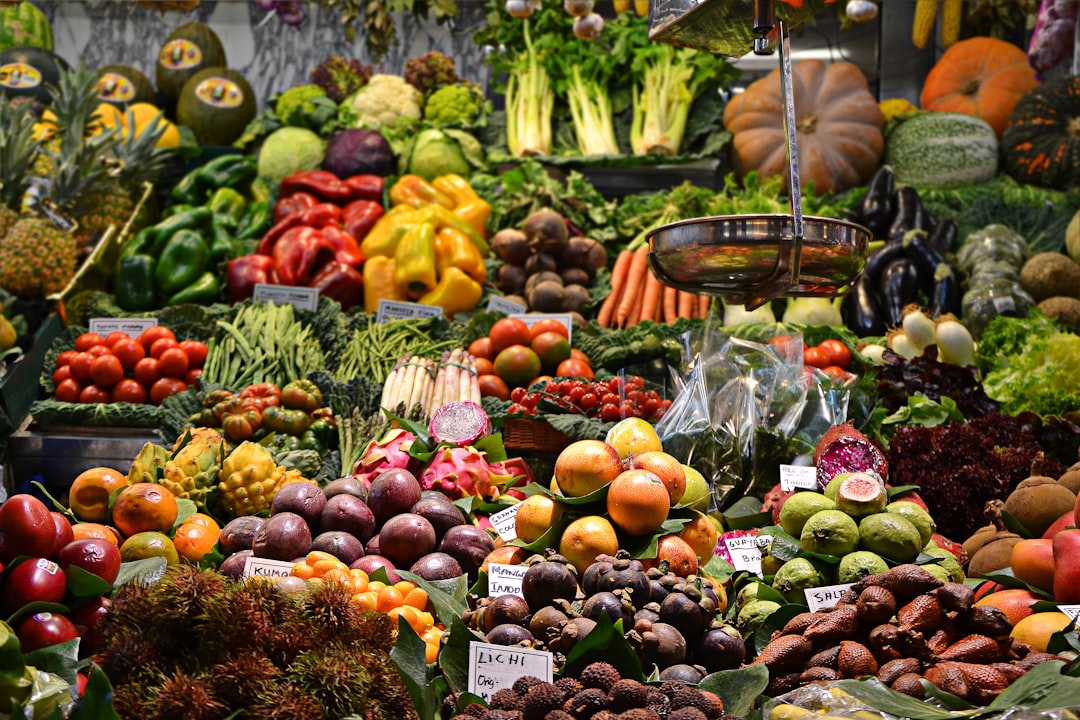
I spent two decades optimizing protein intake, timing my creatine, and fine-tuning my supplement stack like a formula one pit crew tunes an engine. Meanwhile, the nutrient that may matter more than all of them was sitting quietly in my pantry, barely getting fifteen grams a day. I’m talking about fiber. And once my team and I dug into the research coming out of gut microbiome labs in 2026, I realized I had been leaving the most powerful lever on the table for my entire athletic career.
The number that keeps coming up in every paper, every conference, and every conversation with gut health researchers is thirty. Thirty grams of fiber per day. Not the old “25 for women, 38 for men” guideline that most people miss by half — but a solid, gut-microbe-feeding thirty. The movement even has a name now. They’re calling it Fibremaxxing, and before you roll your eyes at another internet wellness trend, this one actually has the science to back it up.
Why Thirty Grams Changed the Conversation
Here’s what surprised me most: fiber doesn’t just keep things moving. The soluble fibers you eat are fermented by your gut bacteria into short-chain fatty acids — specifically butyrate, which serves as the primary energy source for your colon cells. I wrote about this recently when I switched to postbiotics after learning how butyrate basically runs your intestinal health. But getting your gut to produce it naturally through dietary fiber? That’s the foundation everything else builds on.

The 2026 research landscape has shifted dramatically. Scientists at major nutrition institutes are now talking about fiber not in terms of “regularity” but in terms of metabolic health, immune function, and even brain health. One study published earlier this year found that dietary fiber can determine whether beneficial gut microbes actively reduce inflammation or become essentially dormant. Inactive good bacteria don’t help you — they need fuel, and that fuel is fiber.
So I set a challenge for myself: hit thirty grams of fiber every single day for six weeks, using only whole foods and smart supplementation. No shakes built around lab-formulated fiber. Just real ingredients, strategically stacked from morning to night. Here’s exactly what happened and what ended up in my permanent rotation.
The Morning Foundation: Oats Done Right
I’ve been an oatmeal person since my track days, but I used to eat the plain instant packets that maybe delivered two grams of fiber if I was lucky. The upgrade was simple but enormous: a half cup of organic rolled oats cooked with milk instead of water, topped with a tablespoon of organic ground flaxseed and a handful of raspberries. That single bowl delivers about eleven grams of fiber before I’ve even left the house.

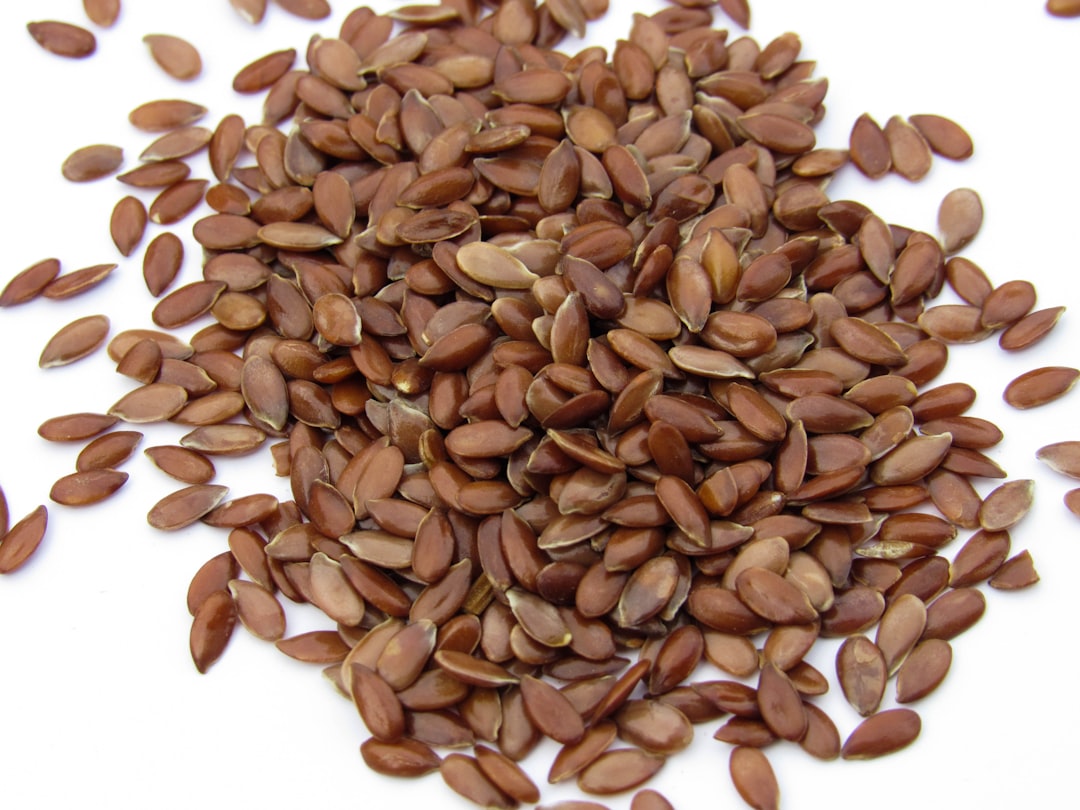
The flaxseed was a late addition. I started adding it after my research showed that two tablespoons of ground flax provides about 3.8 grams of fiber plus a meaningful dose of plant-based omega-3s. The key is buying it pre-ground or grinding it yourself — whole flaxseeds pass through your system largely intact, which means you get zero nutritional benefit. The Spectrum Essentials organic ground flaxseed has been my go-to because it’s cold-milled, which preserves the delicate oils. Store it in the fridge after opening and it stays fresh for months.
For anyone who finds oatmeal boring, the toppings are where you win. Raspberries are a fiber powerhouse at eight grams per cup. Blackberries, pears with the skin on, and sliced apples all deliver impressive numbers. The idea that fruit is “just sugar” needs to die — whole fruit comes packaged with fiber that slows absorption and feeds your gut bacteria simultaneously.
Chia Seeds: The Quiet Workhorse
If I had to pick one food that did the heaviest lifting during my thirty-gram challenge, it would be chia seeds. Two tablespoons of organic chia seeds deliver roughly ten grams of fiber — that’s a third of my daily target in a single ingredient. The trick is actually using them consistently, not just buying a bag and letting it sit in your cabinet (which is what I did for an embarrassing number of years).

My favorite method is overnight chia pudding: three tablespoons of chia, a cup of almond milk, a drizzle of honey, and a splash of vanilla. Shake it in a jar, leave it in the fridge, and by morning you have a tapioca-like breakfast or snack that packs fifteen grams of fiber. I make three jars at a time on Sunday and grab one each morning before heading to the gym.
Chia works because it absorbs up to twelve times its weight in water, forming a gel that slows digestion and keeps you full for hours. That same gel-forming property is what makes it so beneficial for your gut — it acts as a prebiotic, feeding the beneficial bacteria in your colon. I’ve written before about how gut health runs everything from your immune response to your mood, and chia is one of the easiest inputs to control.
The Midday Smoothie Strategy
By noon, I’m typically at around fifteen grams of fiber from breakfast and a morning snack. That’s when I fire up my portable blender and build what my coaching clients have started calling “the green machine.” The recipe is unfussy: a cup of spinach, half a frozen banana, a tablespoon of chia, half an avocado, a scoop of protein powder, and oat milk. Blend and go.
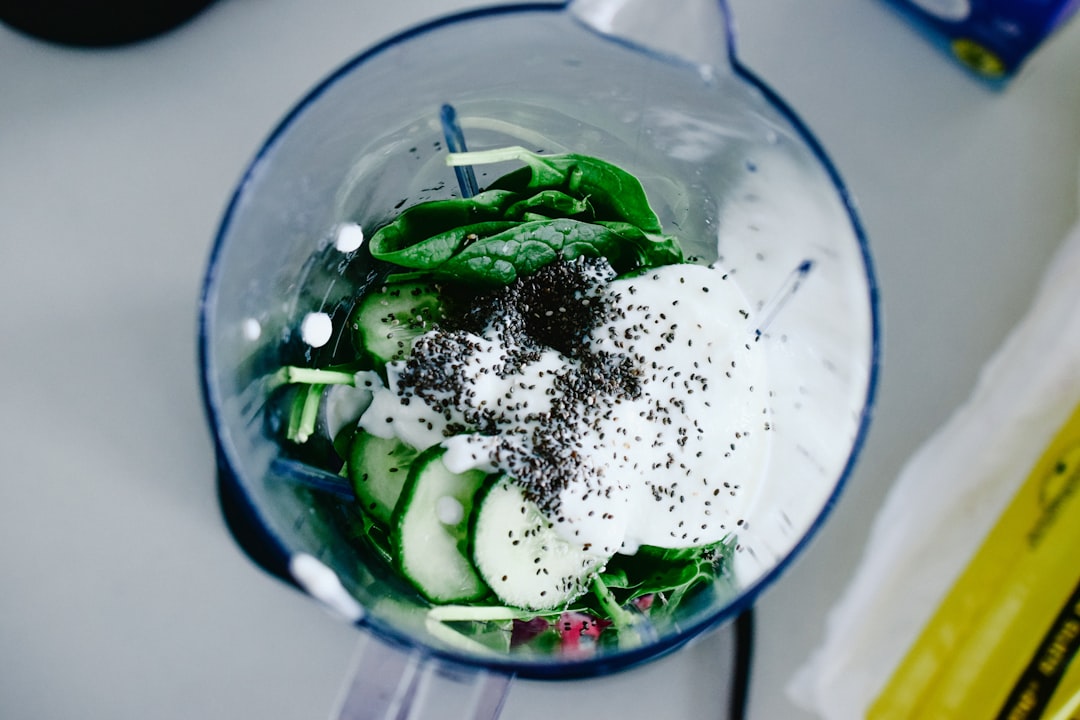
The avocado is the secret weapon here. Half an avocado contributes about five grams of fiber, plus healthy fats that keep your hormones happy and your skin glowing. Spinach adds another two grams. The chia brings another five. Suddenly that smoothie is a twelve-gram fiber bomb that tastes like dessert.
I used to make smoothies in a full-size blender, but the friction of cleaning a big machine every day eventually killed the habit. Having a personal blender that I can rinse and go changed everything. It lives on my counter, takes up minimal space, and the cup I blend in is the cup I drink from. When a healthy habit is easy, you actually do it. When it requires twelve pieces to wash, you don’t.
Swapping Your Pasta Changes Everything
Here’s where the challenge gets interesting. Dinner is usually where people lose their fiber — a plate of white pasta with marinara delivers maybe two grams. But swapping to red lentil pasta or chickpea pasta completely changes the math. A two-ounce serving of red lentil rotini delivers about six grams of fiber and thirteen grams of protein. With a vegetable-loaded sauce, you’re easily hitting twelve to fifteen grams of fiber at dinner.
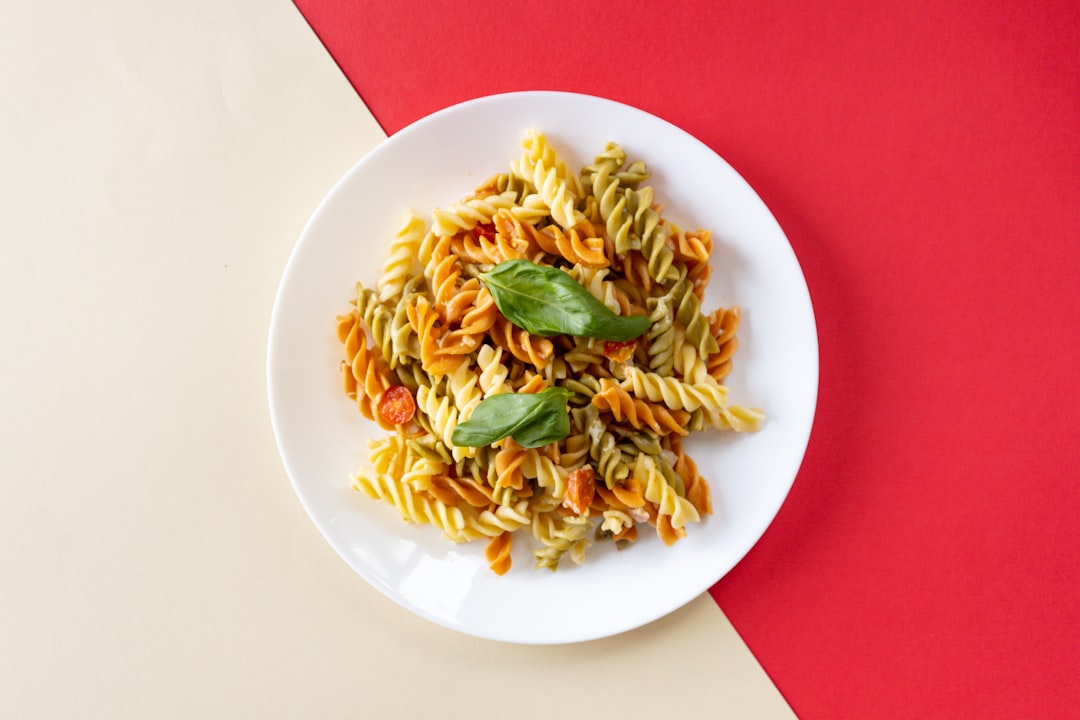
The first time I tried lentil pasta, I was skeptical. Some alternative pastas have a grainy or chalky texture that screams “health food.” But the Barilla Red Lentil line actually cooks to a proper al dente and holds sauce beautifully. My team did a blind taste test with three different lentil and chickpea pastas, and this one was the clear winner for texture. The trick is slightly undercooking it — about one minute less than the package suggests — and rinsing briefly before saucing.
Black beans are another dinner powerhouse. A half cup of organic canned black beans delivers seven and a half grams of fiber. I throw them into taco bowls, stir them into soups, mash them for wraps, or just serve them as a side with lime and cilantro. Keeping a few cans in the pantry means there’s always a fiber source within arm’s reach, even on nights when cooking feels impossible.
When Whole Food Sources Aren’t Enough
I’ll be honest — there were days during the challenge when I simply couldn’t reach thirty grams through food alone. Travel days, busy coaching days, or times when I was eating at restaurants that thought a single leaf of arugula counted as a vegetable serving. That’s where strategic supplementation earns its place.
My supplemental fiber of choice is organic psyllium husk powder. One tablespoon mixed into water delivers about five grams of mostly soluble fiber. Psyllium has the strongest evidence base of any fiber supplement — it’s been shown to improve cholesterol, support healthy blood sugar, and promote regularity. I take it mid-afternoon, mixed into a tall glass of water, and it keeps me satisfied until dinner without the energy crash that comes from afternoon snacking.
For those who can’t stand the texture of psyllium in water (and I understand — it gels up fast), Metamucil fiber gummies are a genuinely good alternative. They use a plant-based prebiotic fiber blend and taste like regular gummy candy. Five grams per serving, no sugar added, and they’re easy to keep in a desk drawer or travel bag. My clients who travel for work keep a bottle in their carry-on.
Another option I tested and liked was organic acacia fiber powder. Acacia is uniquely gentle — it ferments slowly in the gut, which means less bloating than some other fiber supplements. It dissolves completely clear in water with no texture, making it the stealthiest fiber source I’ve found. I add a teaspoon to my morning coffee and literally cannot tell it’s there.
What Thirty Days at Thirty Grams Actually Did
By the end of the first week, the most noticeable change was satiety. I wasn’t reaching for snacks between meals the way I used to. My energy was steadier throughout the afternoon — no more 3 PM crash that sent me searching for something sweet. And honestly, my digestion was operating on a schedule I could set a clock by, which is not something I’ve ever been able to say.
By week three, I noticed improvements in my skin clarity. The connection between gut health and skin is well-documented through what researchers call the gut-skin axis, and a higher fiber intake directly supports the production of short-chain fatty acids that reduce systemic inflammation. This wasn’t a subtle change. Several people at the YMCA asked if I’d changed my skincare routine. I hadn’t. I’d just started feeding my gut bacteria properly.
By week six, I had my client who works with hydration and electrolyte testing run a basic metabolic panel. Nothing dramatic had changed in my bloodwork, but my inflammatory markers were slightly lower than they’d been six months prior, and my fasting glucose had dropped a few points. These are small shifts, but they were moving in the right direction. The fiber wasn’t just making me feel better — it was measurably improving my metabolic health.
The Shopping List That Makes Thirty Grams Effortless
After six weeks of tracking, I built a simplified grocery list that makes hitting thirty grams almost automatic. Here’s the skeleton:
- Breakfast base: Organic rolled oats (4g per ½ cup dry), ground flaxseed (3g per tbsp), raspberries (8g per cup)
- Smoothie building blocks: Chia seeds (5g per tbsp), spinach (2g per cup raw), avocado (5g per half), personal blender for daily use
- Dinner upgrades: Red lentil pasta (6g per 2oz), organic black beans (7.5g per ½ cup), chickpeas, sweet potatoes with skin
- Supplemental support: Organic psyllium husk powder (5g per tbsp), acacia fiber (5g per teaspoon), fiber gummies for travel (5g per serving)
- Quick snacks: High-fiber bran cereal (14g per cup — yes, really), pears with skin (6g each), almonds (3.5g per ounce)
One important note about the bran cereal — I was genuinely shocked when I read the nutrition label. A single cup of Fiber One Original Bran delivers fourteen grams of fiber. That’s nearly half your daily target in one bowl. I keep a box for mornings when I’m short on time, topped with berries and a sprinkle of chia. It’s the closest thing to a fiber cheat code I’ve found.
The Transition Rule Nobody Talks About
If you’re currently eating the American average of about twelve to fifteen grams of fiber per day, do not jump to thirty overnight. Your gut microbiome needs time to adjust to the increased fermentable substrate. I learned this the hard way during my first attempt at this challenge two years ago — I went from twelve grams to thirty-two grams in one day and spent the next forty-eight hours feeling like I’d swallowed a balloon.
The protocol I recommend to my clients now is simple: add five grams per week. Week one, aim for twenty. Week two, twenty-five. Week three and beyond, thirty. This gives your gut bacteria time to ramp up production of the enzymes needed to break down the additional fiber without producing excessive gas. Drink extra water — fiber needs hydration to do its job — and you’ll avoid almost all the digestive discomfort people associate with high-fiber diets.
I also want to be clear that fiber supplements are not a replacement for whole food sources. The diversity of fiber types matters as much as the total amount. Soluble fibers from oats, chia, and psyllium do different things in your body than the insoluble fibers from wheat bran and vegetable skins. Your gut microbiome thrives on variety — the more different plant fibers you feed it, the more diverse and resilient your bacterial populations become. This is why I stack multiple sources throughout the day rather than dumping a single fiber supplement into my morning coffee and calling it done.
Six weeks in, thirty grams no longer feels like a challenge. It feels like a baseline. My energy is steadier, my recovery from training sessions is faster, and the constant low-grade hunger that used to plague my afternoons is gone. The most boring nutrient in nutrition turned out to be the one I’d been underestimating my entire career. And the fix was not a complicated protocol, an expensive device, or a trendy new supplement. It was food — the kind that’s been sitting in the grocery store the whole time, waiting for me to pay attention.


3 Comments on “The Thirty-Gram Challenge: How I Rebuilt My Daily Fiber Stack from Scratch”