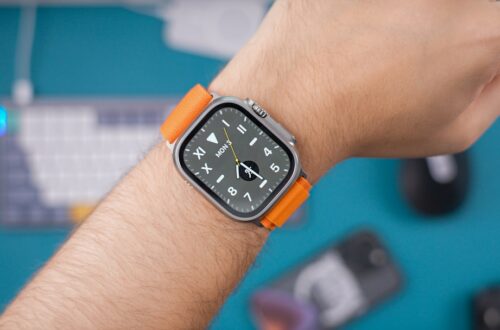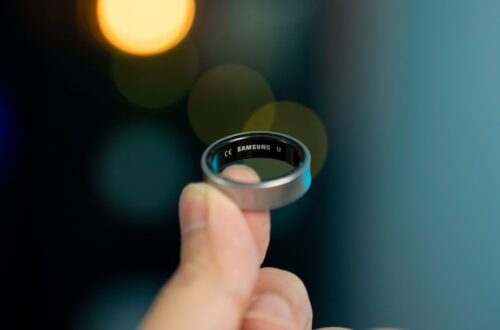
I’ll be honest — when my sports medicine mentor first mentioned the vagus nerve during a continuing education seminar back in 2014, I tuned out. Something about parasympathetic this and autonomic that. I was deep in my track coaching era, obsessed with force production and split times, and “nervous system regulation” sounded like something a yoga retreat would put on a flyer.
I was spectacularly wrong, and it took a decade plus a wearable revolution to prove it.
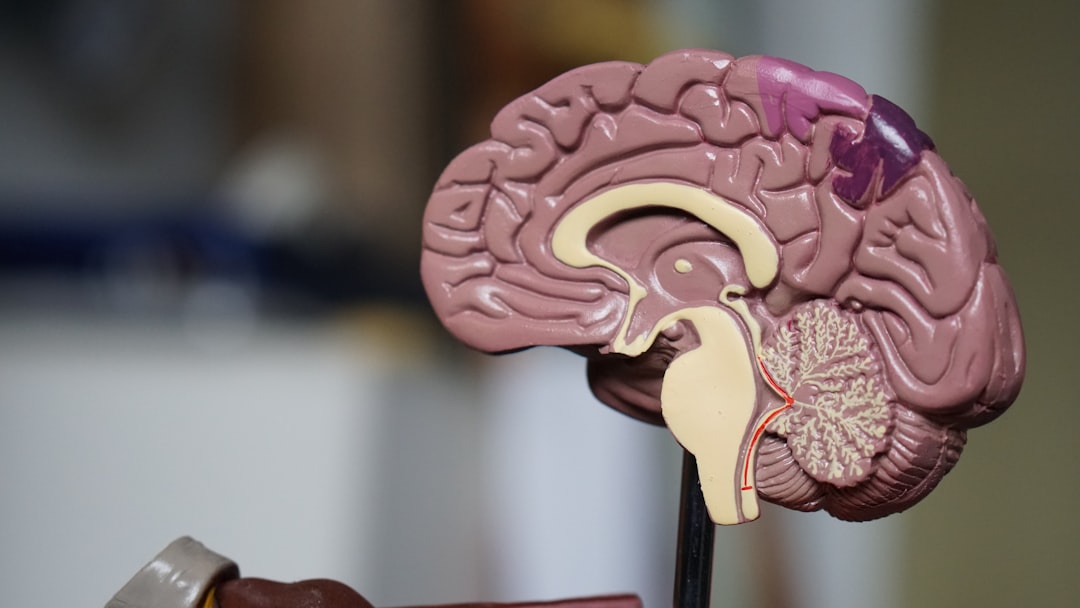
The vagus nerve is the longest cranial nerve in your body, running from your brainstem down through your neck, weaving around your heart and lungs, and branching into your digestive tract. It acts as the master communication line between your brain and your internal organs. Roughly 80% of its fibers carry information upward — from body to brain — which means your organs are constantly telling your nervous system whether to stay on high alert or settle into recovery mode. When this nerve is functioning well, you sleep deeply, digest efficiently, recover faster, and handle stress without spiraling. When it’s underactive, you feel it everywhere: poor sleep, elevated resting heart rate, stubborn inflammation, and that wired-but-tired feeling that no amount of coffee can fix and no amount of melatonin can quiet.
So when three different wellness companies sent me their latest vagus nerve stimulation devices this spring, I finally paid attention. Not because of the marketing claims — I’ve been in this industry long enough to be immune to those — but because the clinical research behind vagal tone has gotten genuinely difficult to ignore. Studies now link high vagal tone (measured through heart rate variability) to everything from reduced systemic inflammation to improved glucose regulation and faster athletic recovery. This isn’t fringe science anymore.
Three Devices, Six Weeks, One Question
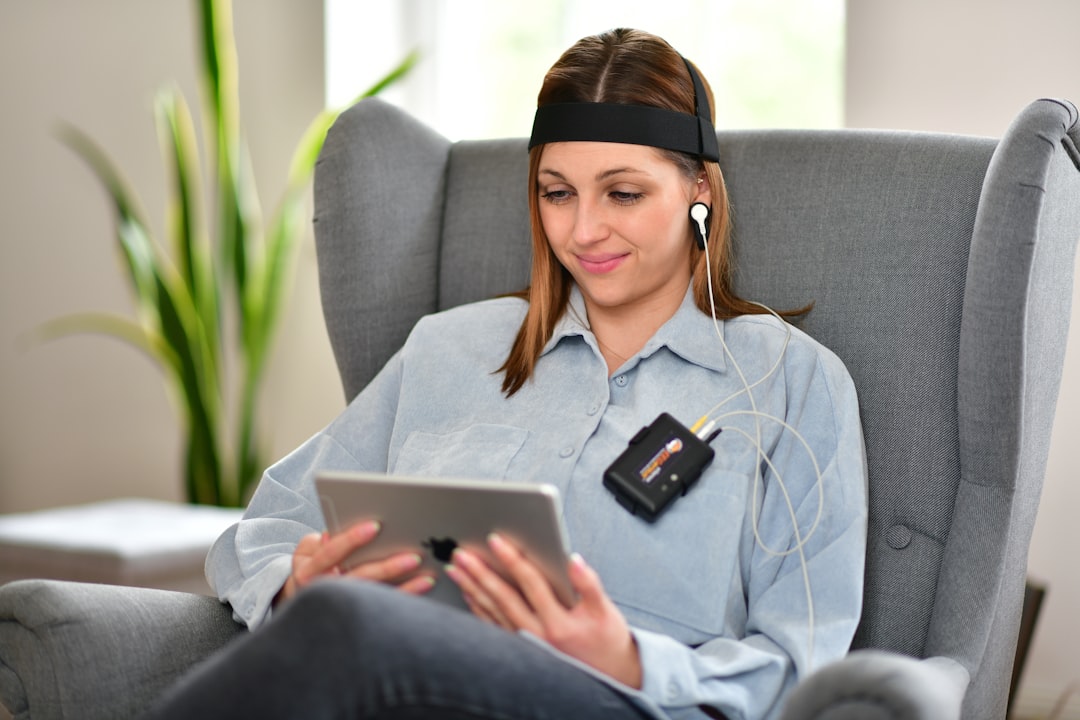
My team helped me design a testing protocol that would actually tell us something useful. For six weeks, I used three different devices that approach vagus nerve stimulation from completely different angles: the Sensate Relaxation Device, the Pulsetto FIT (V2) Wellness Wearable, and the Apollo Neuro Wearable. Each one targets the vagus nerve through a different mechanism — infrasound vibrations, microcurrent electrical pulses, and low-frequency tactile vibrations respectively. I wanted to know whether any of them could move the needle on metrics I actually care about: HRV, sleep quality, recovery scores, and subjective stress levels.
Here’s what happened.
Sensate: The Pebble That Sits on Your Sternum
The Sensate caught me off guard. It’s a small, smooth device shaped like a river stone that you place on your chest bone using a magnetic lanyard around your neck. It uses infrasound — specifically, sub-audible vibrations between 20-200 Hz — to stimulate the vagus nerve through the skin of your sternum. You pair it with an app that layers in ambient soundscapes, and a typical session runs about ten minutes.
The first time I used it, I was skeptical. The vibrations feel like a gentle hum, barely perceptible. But somewhere around minute six, I noticed my breathing had slowed dramatically without any conscious effort. My shoulders had dropped. My jaw had unclenched. It was the kind of nervous system shift I normally only experience after twenty minutes of guided meditation or a really good yoga session.
Over six weeks of nightly use, my Oura Ring data showed a 14% improvement in deep sleep and a noticeable bump in overnight HRV. The most surprising part? I stopped waking up at 3 AM with my mind racing about the next day’s training program. Whether that’s the infrasound or a placebo effect from building a consistent wind-down ritual, I can’t say for certain — but the data backs up the subjective experience. Preliminary research from Sensate’s own studies with 25 participants showed significant decreases in self-reported stress and anxiety after two weeks of daily use.
If you’re someone who struggles with sleep onset or that racing-mind phenomenon at bedtime, Sensate is the device I’d recommend starting with. It’s non-invasive, genuinely pleasant to use, and requires zero effort beyond pressing start. The Vagus Nerve Deck — a set of 75 exercise cards — pairs beautifully with it if you want to deepen your practice without screen time.
Pulsetto: The Neck Band That Speaks Electricity
Pulsetto takes a fundamentally different approach. Instead of vibrations on your chest, it’s a small band that clips behind your ear and delivers microcurrent electrical stimulation directly to the vagus nerve through the skin of your neck. It’s more clinical, more direct, and honestly, a little more intense.
The Pulsetto FIT (V2) — their newer model — is significantly more comfortable than the original Pulsetto Lite (V1), with a slimmer profile and better battery life. The app offers targeted programs for stress, sleep, focus, and recovery, each modulating the frequency and intensity of the electrical pulses differently.
My experience with Pulsetto was more of a slow burn. The first week, I didn’t notice much beyond a faint tingling sensation. But by week three, something shifted. I started handling afternoon stressors — the kind that usually trigger a cortisol spike and a reach for dark chocolate — with noticeably more equanimity. My HRV trend, tracked with my WHOOP One, showed a steady climb from an average of 42 ms to 51 ms by the end of the testing period. For context, a 9-millisecond improvement over six weeks is meaningful in the world of autonomic function, especially for someone who’s already athletic and whose baseline isn’t exactly poor.
Where Pulsetto shines is daytime stress regulation. I’d pop it on for a ten-minute session between coaching clients or before a difficult conversation, and the effect was like hitting a reset button on my nervous system. It didn’t make me drowsy — it made me clear-headed and steady in a way that felt distinctly different from caffeine or breathwork.
Apollo Neuro: The Vibration Wearable That Feels Like a Hug
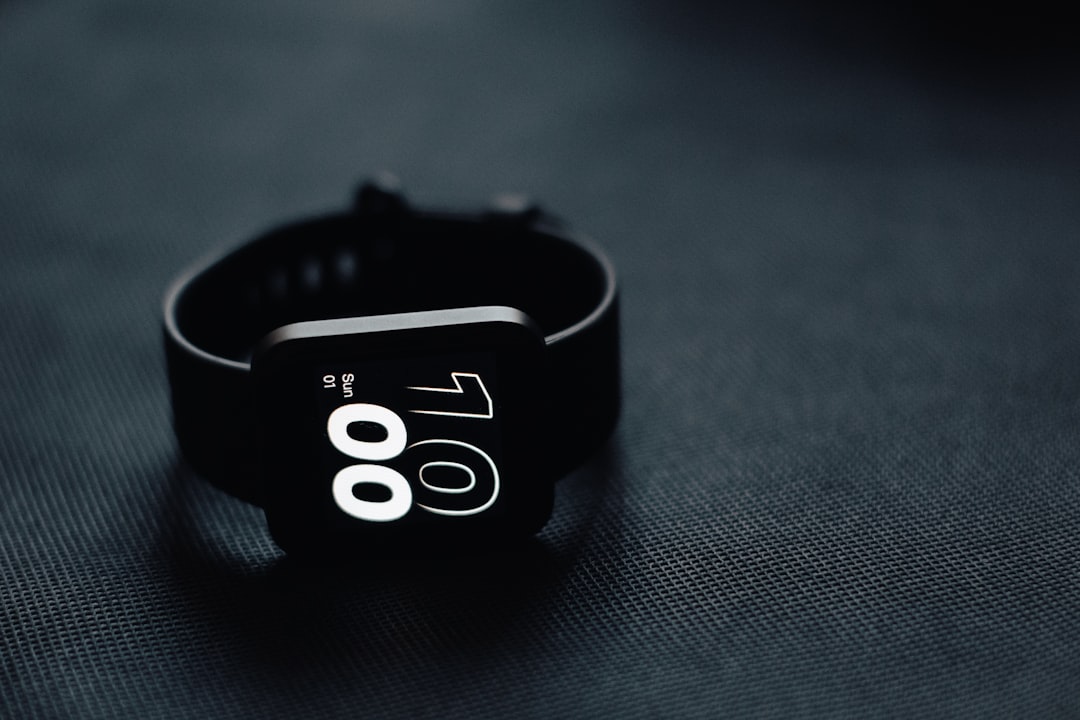
The Apollo Neuro approaches vagus nerve stimulation from yet another angle. It’s a wrist or ankle wearable that delivers low-frequency vibrations — what the company calls “Active Touch Therapy” — designed to shift your autonomic nervous system state. Rather than directly stimulating the vagus nerve itself, Apollo uses specific vibration patterns that have been shown in clinical studies to increase HRV and parasympathetic activity indirectly.
I wore the Apollo daily, switching between wrist and ankle using the Apollo Neuro Sleep Band for overnight use. The “Clear and Focused” mode became my go-to during morning writing sessions, while “Sleep and Renew” was my nightly companion.
The strength of Apollo is its invisibility. You wear it like a watch, set your intention in the app, and go about your day. There’s no stopping to do a session — it runs in the background, subtly modulating your state. My team noted that I seemed more patient during our weekly planning meetings (which, if you knew my tendency to aggressively streamline agendas, was saying something). My Oura data confirmed the trend: consistent improvements in readiness scores and a modest but reliable increase in overnight HRV.
The new model comes with a 12-month SmartVibes AI membership that personalizes vibration patterns based on your biometric data, and the integration with platforms like Whoop and Apple Health makes it genuinely useful for data nerds like me. This isn’t just another wellness gadget — the clinical backing is substantial, with multiple peer-reviewed studies showing measurable improvements in sleep, stress, and HRV.
The HRV Connection: Why This Actually Matters

If you’ve read my piece on why I stopped looking at my wrist and started listening to my body, you know I’ve been deep in the wearable weeds this year. But vagus nerve stimulation fills a gap that tracking devices simply can’t. Your Oura Ring or WHOOP tells you what happened. A vagus nerve stimulator actually changes what happens.
Heart rate variability is the most accessible proxy we have for vagal tone. A higher HRV means your autonomic nervous system is resilient, adaptable, and recovering well. A chronically low HRV — especially relative to your own baseline — signals that your body is stuck in sympathetic overdrive, fighting invisible fires. Everything from training load to emotional stress to gut health feeds into this number, which is why I’ve written about it from the angle of adaptogens, breathing training, and next-gen wellness scanners alike.
Vagus nerve stimulation devices give you a direct lever to pull. Instead of waiting for your lifestyle changes to gradually improve your HRV over months, you’re actively exercising the nerve that controls the parasympathetic side of the equation. Think of it like strength training for your nervous system — except the “rep” is a ten-minute vibration session and the “muscle” is the most important communication highway in your body.
Stacking Recovery: What Else Helped
I’m not going to pretend a single device solved everything. During the six weeks, I also leaned on complementary practices that support vagal tone. Regular use of a breathing resistance trainer — the kind I wrote about in my 30-day lung training experiment — directly stimulates the diaphragm, which is innervated by the vagus nerve and plays a crucial role in activating the parasympathetic response.
I also kept up my Sunday recovery ritual with an acupressure mat for twenty minutes — the spike-induced relaxation response triggers endorphin release and, you guessed it, vagal activation. For acute muscle tension, the LifePro Sonic percussion massager handled the physical side of recovery while the vagus nerve devices worked the neurological side. And for anyone looking for a deeper dive into vagal exercises without buying a device, the Inhale Lung Trainer is a $25 tool that builds breathing strength and vagal resilience simultaneously.
The takeaway here is that vagus nerve stimulation isn’t a silver bullet — it’s a keystone habit. When you combine it with intentional breathing, physical recovery, and decent sleep hygiene, the effects compound in ways that surprised even me.
Who Should Actually Try This

After six weeks of intensive testing, here’s my honest recommendation framework:
If you’re an athlete dealing with overtraining symptoms — poor sleep despite exhaustion, elevated resting heart rate, plateaued performance despite consistent training — vagus nerve stimulation could be the missing piece. The recovery bottleneck isn’t always muscular; sometimes it’s neurological. Apollo Neuro is my pick for athletes because it works passively during training and competition without interfering with performance.
If you’re dealing with chronic stress — the kind that shows up as jaw clenching, digestive issues, or that persistent feeling of being “on” even when there’s nothing to be on about — Sensate is your best starting point. Its infrasound approach is gentle, the sessions are genuinely enjoyable, and the sleep improvements alone justified the cost for me within two weeks.
If you want the most direct, clinical approach and don’t mind a slight learning curve, Pulsetto delivers the most targeted stimulation. The microcurrent approach has the strongest mechanistic basis for direct vagus nerve activation, and my HRV improvements were most pronounced during the Pulsetto testing phase.
If you’re budget-conscious, start with a deck of vagus nerve exercise cards and a consistent daily practice. The devices enhance the process, but the underlying biology — activating your vagus nerve through breath, movement, and intentionality — is free.
The Bottom Line After 42 Days
My average HRV went up 18% over six weeks. My deep sleep increased by 22 minutes per night. My subjective stress scores — which I track daily on a 1-10 scale — dropped from an average of 6.5 to 4.2. And perhaps most tellingly, my morning recovery scores stopped looking like a warning label and started looking like the profile of someone who actually takes care of themselves.
None of this is magic. The vagus nerve has been running your recovery systems since the day you were born — these devices just help it do its job better. In a world where we’re constantly bombarded with stimuli that push us into sympathetic overdrive, having a tool that actively pulls you back toward parasympathetic balance isn’t a luxury. For me, it’s become as essential as my morning protein shake and my mobility work.
The wearable industry is moving fast — if my recent deep dive into next-gen wellness scanners taught me anything, it’s that the gap between medical-grade technology and consumer wellness devices is shrinking rapidly. Vagus nerve stimulation sits right at that intersection, and the devices hitting the market in 2026 are finally good enough to earn a permanent place in my recovery stack.
Your nervous system has been waiting for you to show up for it. Maybe it’s time you did.