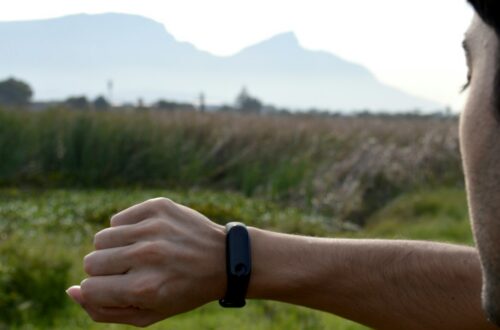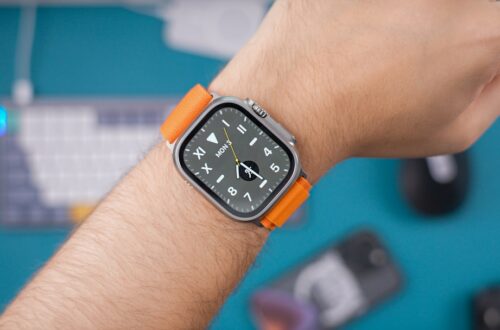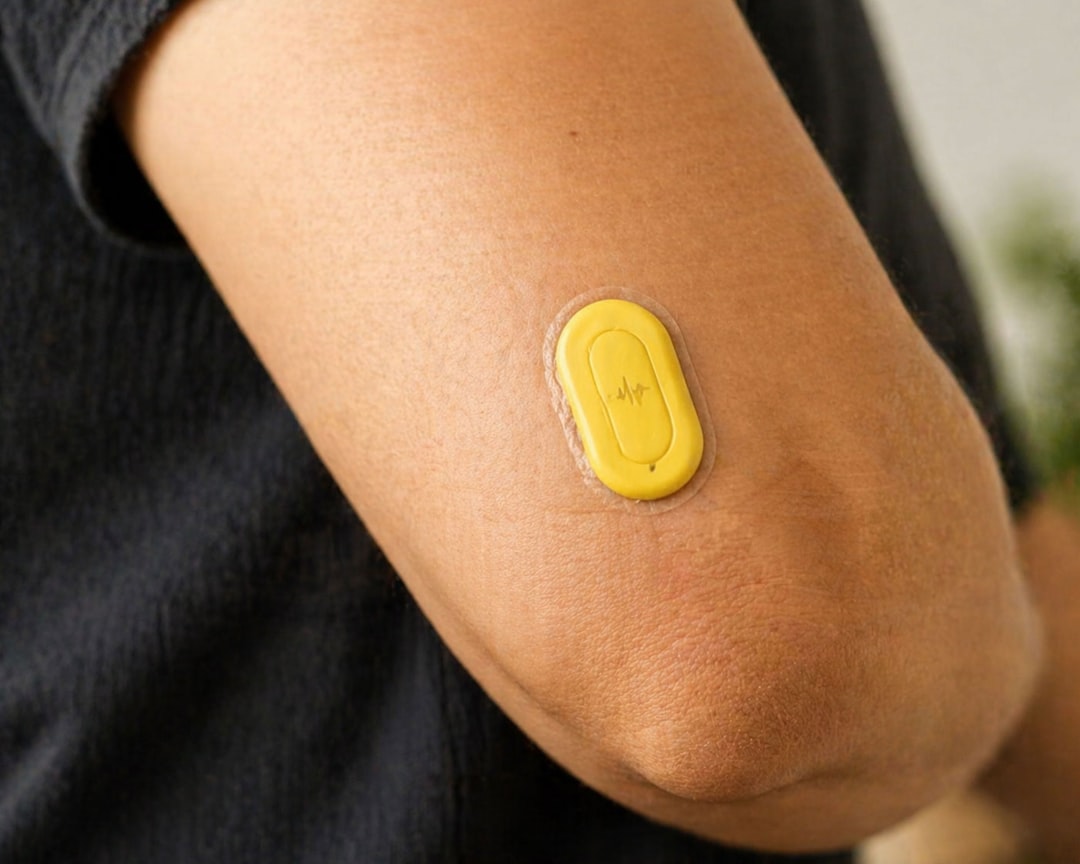
I have a confession. Over the past eight months, my team and I have spent well over $600 on continuous glucose monitors. We’ve peeled dead sensors off triceps in gym parking lots, explained the little white circles on our arms to curious strangers at Whole Foods, and stress-tested every consumer CGM platform available without a prescription in 2026. What started as curiosity — after that first $49 sensor blew my mind last summer — turned into a full-blown comparison project.
Here’s what nobody tells you when you’re standing in the pharmacy aisle or scrolling Amazon at midnight: the CGM landscape has completely fractured. You’ve got bare-bones OTC sensors, subscription coaching platforms layered on top, adhesive accessory ecosystems, and integrations with wearables that didn’t even exist eighteen months ago. Choosing wrong doesn’t just waste money — it wastes the two weeks of data you could have been collecting from a better device.
So let me save you the trial and error. This is the buyer’s guide I desperately wish existed before I started peeling plastic off these things.

The Three Questions That Determine Which CGM You Need
Before you spend a dime, you need to answer honestly: What are you actually trying to learn? How much hand-holding do you want? And what’s your tolerance for raw data versus polished insights?
I’ve found that most people fall into one of three camps. The first camp just wants to understand how food affects their energy — they need a sensor, an app, and nothing more. The second camp wants coaching: someone (or some algorithm) to translate the zigzag lines into actionable advice. The third camp are the data nerds — they want raw glucose streams piped into their existing wearable ecosystem so they can overlay it with heart rate variability, sleep data, and training load.
Your camp determines your hardware. And the hardware conversation starts with two companies.
Abbott Versus Dexcom: Every Platform Uses One of These Two Sensors
Here’s the thing that confused me for months. Whether you buy a Lingo, a Stelo, or sign up for a coaching platform like Nutrisense or Signos — you’re wearing hardware manufactured by either Abbott or Dexcom. These two companies control over 90% of the global CGM sensor market. The platforms differ wildly in app experience, coaching quality, and price, but the filament sitting in your skin is the same technology underneath.
That doesn’t mean the hardware is identical, though. Far from it.
Abbott’s FreeStyle Libre line (including the consumer-facing Lingo) uses NFC to sync data. That means you have to physically scan or have your phone nearby. The Libre sensors last 14 days and give readings every 15 minutes. The newest Libre 3 improved dramatically with Bluetooth connectivity and minute-by-minute readings, but it’s pricier and harder to find OTC for non-diabetics. For the budget-conscious self-tracker, the Abbott Lingo single sensor runs about $49, and the two-pack offers better per-unit value if you’re committing to a month of data collection.
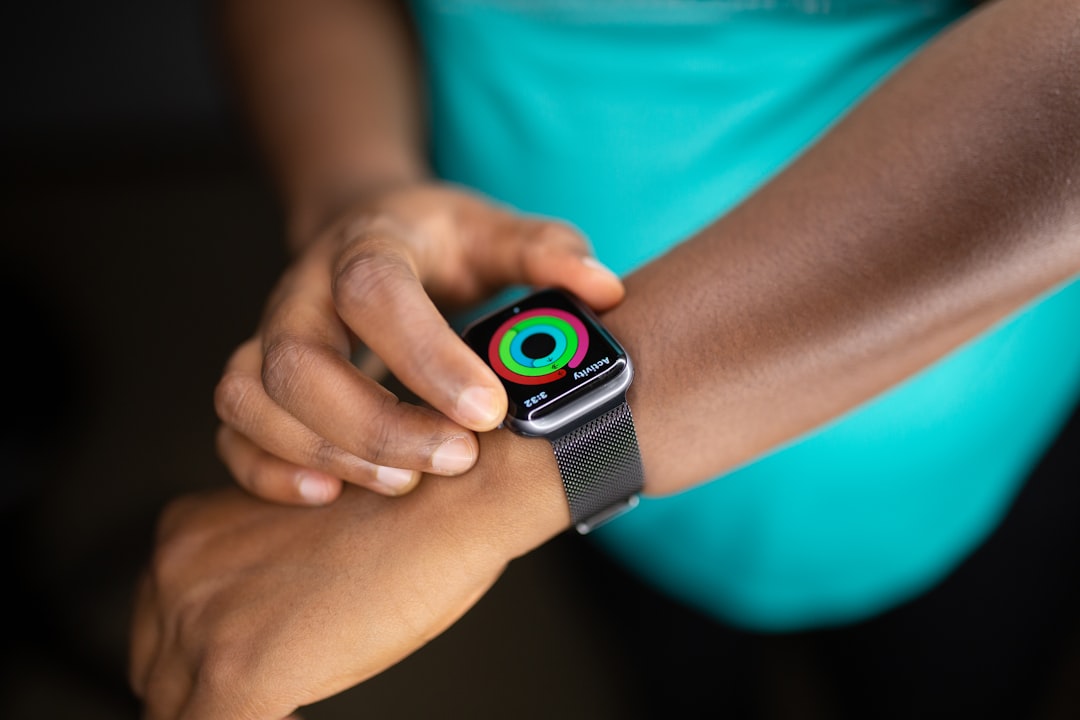
Dexcom’s Stelo Glucose Biosensor is the newer player in the OTC space — and in my experience, it’s the superior standalone sensor for athletes and health optimizers. It transmits via Bluetooth continuously, holds up to 12 hours of data offline, lasts a full 15 days (one extra day compared to Libre), and integrates natively with the Oura Ring ecosystem. The Stelo two-pack gives you a full month of coverage with the best app experience I’ve tested in the OTC category.
The OTC Sweet Spot: Who Should Buy What
If You’re Just CGM-Curious (Budget: Under $100)
Start with a single Abbott Lingo sensor. For roughly $49, you get two weeks of data that will forever change how you think about breakfast. I guarantee you’ll discover at least one food that spikes your glucose in a way you never expected. My team’s nutritionist still talks about the moment she realized her beloved oatmeal was hammering her blood sugar harder than a donut.
If you want slightly better hardware — Bluetooth streaming, one extra day of wear, and the Oura integration — spend a bit more on the Dexcom Stelo. It’s what I personally use for my own testing cycles now.
If You Want AI Coaching and Metabolic Scoring (Budget: $150-$300/month)
The standalone sensors give you data. But data without interpretation is just anxiety in graph form. This is where coaching platforms earn their subscription fees.
Nutrisense pairs either a Libre or Stelo sensor with a dedicated dietitian and an AI-powered app that scores your metabolic responses. It’s the platform I recommend most often for people who are new to glucose tracking and genuinely want to change habits, not just collect pretty charts. The dietitian access is insurance-eligible in many cases, which softens the price considerably.
Signos takes a different approach — it’s built specifically for weight loss and is the only CGM platform with FDA clearance for weight management. Their AI adjusts macronutrient targets dynamically based on your glucose patterns, activity data, and progress. For someone whose primary goal is body composition rather than athletic performance, Signos fills a niche nothing else touches.

Levels Health is the biohacker favorite — it layers metabolic scoring, food logging, and exercise correlation on top of raw sensor data. Their app is the most polished of the three, though I’ve found their coaching to be lighter-touch than Nutrisense’s human-first approach.
Here’s a tip from someone who’s tested all three: don’t commit to an annual plan on day one. Run one sensor cycle with each platform’s monthly tier, then lock in whichever coaching style clicked for you.
If You’re an Athlete or Data Optimizer
For competitive athletes — and honestly, for anyone who already wears a smart ring or fitness wearable — the Dexcom Stelo is the clear winner. The Oura Ring integration alone justifies the choice. You can see glucose curves layered over sleep stages, HRV trends, and activity data without juggling multiple apps.
One critical athletic use case that nobody talks about: fueling timing. Once you’ve worn a CGM through a few hard training sessions, you’ll see exactly when your glucose starts dropping during long efforts — and you can calibrate your intra-workout fueling to the minute rather than guessing by feel. For marathoners and Ironman-distance triathletes, this alone justifies the cost. I wrote about my first month of CGM data and how it rewired my fueling strategy, and the insights have only gotten sharper with better hardware.
The Accessory Ecosystem (Don’t Skip This Section)
Here’s where most first-time CGM buyers get blindsided. These sensors are designed to stick to your arm for two weeks through showers, workouts, sleep, and sweat. In practice? They peel. They catch on tight shirts. They fall off during deadlifts. I lost a $49 sensor on day three because I bumped a doorframe and didn’t have an overpatch on.
Do not be like me. Budget for adhesive overpatches from day one.
For Stelo and Dexcom G7 users, Skin Grip adhesive patches are the gold standard. They’re precut, breathable, and designed specifically for the Stelo form factor. My team has tested them through ocean swims and two-hour training sessions without a single lift. For bulk buyers, the Onida 20-pack of waterproof G7/Stelo overpatches brings per-patch cost down significantly.
If you’re on the Abbott/Libre side, these Libre sensor covers (55-pack) serve the same purpose and fit Libre 2, 3, and Plus models.

What About Traditional Finger-Prick Monitors?
Reasonable question. If you just want occasional spot-checks — say, fasting glucose once a week or curiosity after a heavy meal — a traditional glucometer costs $20-30 and gives you instant, highly accurate readings. You’ll sacrifice the continuous data stream, but for some people, that’s the right tradeoff.
The iHealth Gluco+ kit comes with 100 strips and 100 lancets, which covers roughly two years of weekly testing for under $40. I keep one in my gym bag as a backup to verify CGM readings when something looks off. CGMs have a Mean Absolute Relative Difference of roughly 8-9%, meaning a reading of 100 mg/dL could actually be anywhere from 91 to 109. A finger prick confirms when you need certainty.
Supplements That Complement CGM Data
One of the most powerful things you can do with a CGM is test whether your supplement stack is actually working. After six months of tracking, I discovered that Thorne’s Berberine noticeably flattened my post-meal glucose spikes — especially after high-carbohydrate dinners. Berberine activates AMPK (the same pathway as metformin) and has decent clinical backing for glucose metabolism support.
For a more budget-friendly option, Sports Research Berberine at 1000mg per serving delivers the same active compound at a lower price point. I’ve tested both extensively, and both produced measurable glucose-response improvements in my data. The Thorne phytosome formulation has a slight edge in absorption, which matters if you’re using it therapeutically.

I want to be crystal clear, though: supplements are the seasoning, not the meal. No amount of berberine compensates for a diet that’s demolishing your glucose curves every three hours. The CGM is the diagnostic tool — it shows you what’s actually happening in your body rather than what you assume is happening. Use that data to fix food first, then layer supplements strategically.
My Honest Recommendation After $600 of Testing
If you’ve read this far, you want a straight answer. Here it is:
For most people: Buy one Dexcom Stelo two-pack (one month of data), grab a pack of Skin Grip overpatches to keep it secure, and use the native Stelo app. That combination gives you the best hardware, best app, and most actionable data for under $130 total. If you love the experience and want coaching, graduate to Nutrisense for month two.
For budget-conscious first-timers: A single Lingo sensor and an open mind will give you 80% of the insight for 40% of the cost. Just know you’ll outgrow the app quickly.
For athletes who already use wearables: Stelo plus Oura Ring integration is the current state of the art. The on-device AI processing that smart rings now deliver means you get real-time glucose alerts without even looking at your phone during training.
The bottom line? We’re living in the golden age of metabolic self-knowledge. Two years ago, getting a CGM as a non-diabetic required prescriptions, gray-market purchases, and clunky third-party apps. Today, you can walk into any pharmacy and walk out with clinical-grade metabolic monitoring for the price of a tank of gas. The technology is extraordinary. The data is transformative. The only mistake is waiting.