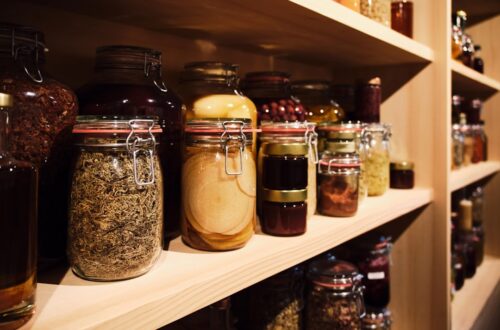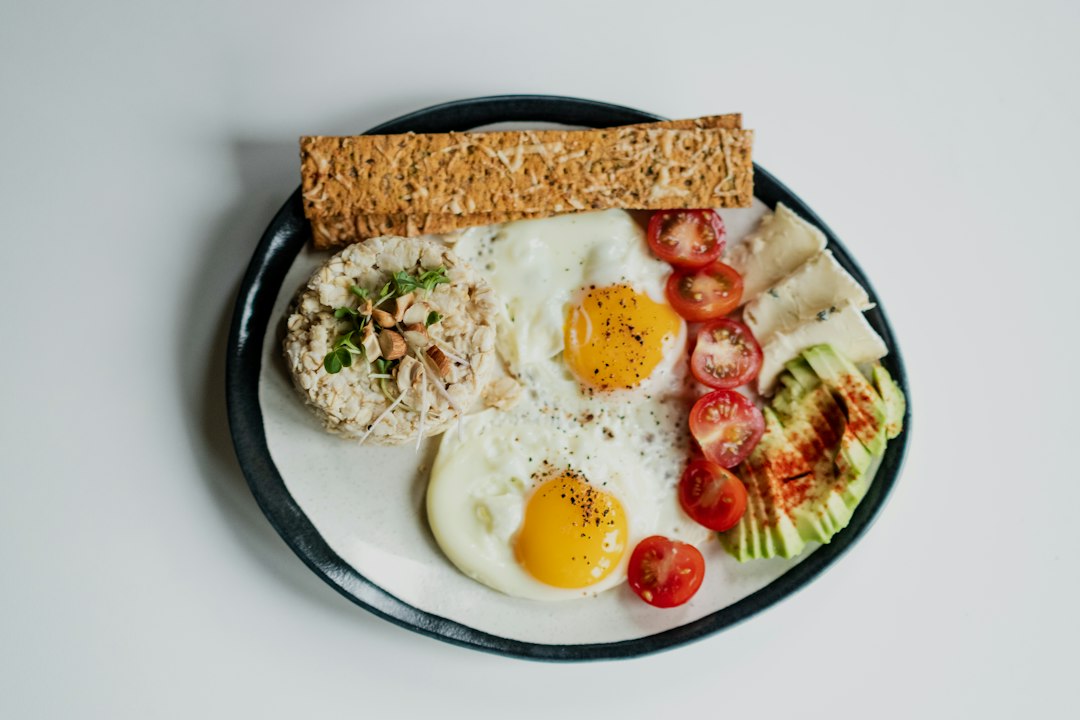
Last Tuesday a client slid her phone across my kitchen table and said, almost proud, “I hit my protein.” The diary was honest. Toast and coffee at 7:10. A salad with a few strips of chicken at 12:40. Then, at 7:55, a steak the size of her palm and half her partner’s. She had cleared 110 grams for the day. She had also asked one meal to do the work of three.
That pattern shows up in almost every food log my team reviews in October. People are not failing at protein. They are saving it for dinner, the way you save the good candles for company. By the time the chicken hits the plate, the day has already spent twelve hours under-fueled, and the evening portion is so large it mostly becomes expensive leftovers in a different form.
The research conversation this fall has finally caught up to what the logs have been saying. Spreading protein across breakfast, lunch, and dinner does more for muscle protein synthesis than hoarding it at night. A useful breakfast dose sits around 25 to 30 grams for a lot of adults, not as a personality test and not as a law. It is a starting line. I am not here to sell you a rigid gram count. I am here to stop the 7 p.m. steak from pretending it can repay a protein-free morning.
Dinner was never supposed to be the whole plan
Muscle protein synthesis is the rebuild signal. It answers two knocks: amino acids, especially leucine, and mechanical work from lifting, carrying, or otherwise asking muscle to stay. Miss either knock and the house gets quieter. Eat almost nothing at breakfast, a polite lunch, and a heroic dinner, and you ring the bell once. The steak is real food. It is just late to a party that needed guests at noon.
The old “anabolic window” story, the one that demanded a shake within thirty minutes of the last rep, oversold a small door. If you train fed and you eat enough across the day, the exact minute matters less than people on supplement ads want you to believe. Distribution is the lever most of my clients have never pulled. Total intake still comes first. A perfect schedule of tiny portions will not build anything. A single avalanche at dinner will not either, once you are already eating enough overall.
For active adults I still coach toward roughly 1.6 grams per kilogram of body weight across the day when the goal is muscle, recovery, or simply not shrinking through a dark season of desk work. Older clients, and anyone who has noticed that the same workout leaves them flatter than it used to, often do better toward the top of a 1.2 to 1.6 gram range, paired with the strength work I wrote about in the bone-density habit most routines skip. Per meal, a practical ceiling for the synthesis signal lands around 0.4 grams per kilogram, which for many people is 25 to 40 grams of high-quality protein. Go past that at dinner if you are hungry. Just do not call the overflow a strategy.
Breakfast is where the map breaks
Most of the diaries I see open with a carbohydrate and a stimulant. Oatmeal with a teaspoon of peanut butter. A latte. A banana eaten over the sink. None of those are crimes. None of them clear 15 grams of protein, and several do not clear 8. By 10 a.m. the person is hunting snacks, and by dinner they are ravenous enough to eat the chicken they were “saving.”
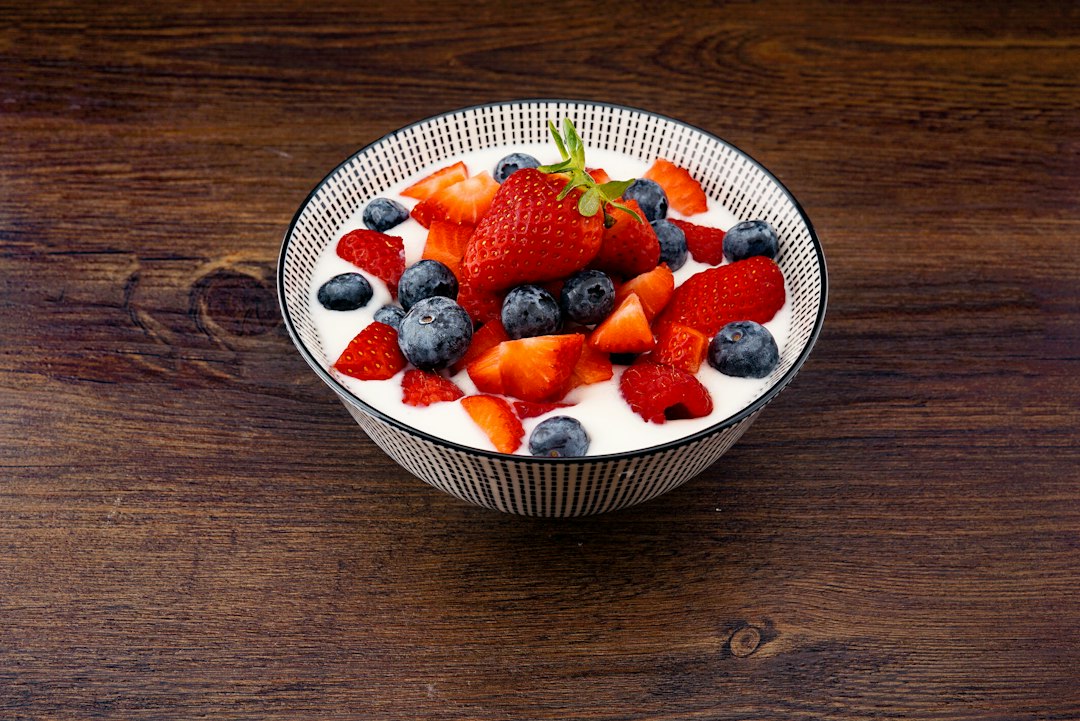
The fix is boring, which is why it works. Two eggs and a thick smear of cottage cheese. A bowl of plain Greek yogurt that actually weighs something. A glass of higher-protein milk in the coffee instead of a splash of creamer. I keep a tub of plain Greek yogurt on the middle shelf for a reason. A 170-gram serving of the thick kind is often in the high teens for protein before you add anything else. Pair it with berries, not a cup of granola that quietly becomes the meal.
Cottage cheese gets the same job on days I want the meal to feel like food instead of a project. A cup of a simple brand such as Good Culture cottage cheese can land near 25 grams with almost no decision fatigue. Salt, pepper, tomatoes if you have them. Fruit if you do not. The people who meal-log with me stopped arguing about breakfast identity the week we started weighing the bowl instead of trusting the “scoop” everyone imagines.
If mornings are chaos, stop performing a skillet routine you will abandon by Thursday. A small egg bite maker on the counter turns a dozen eggs and a handful of spinach into breakfasts that survive a commute. I am not romantic about gadgets. I am romantic about the client who eats 30 grams before her first meeting because the bites were already in the fridge.
Powder is a bridge, not a personality
I still get asked whether powder “counts.” It counts as protein. It does not count as a personality, a meal replacement lifestyle, or proof that you are serious. Whole food wins on fullness, micronutrients, and the simple pleasure of chewing. Powder wins when the clock is rude. I laid that comparison out years ago in the whole-food versus powder piece, and the conclusion has not gotten cuter. Use the tub to fill a gap. Do not let the tub become the gap.
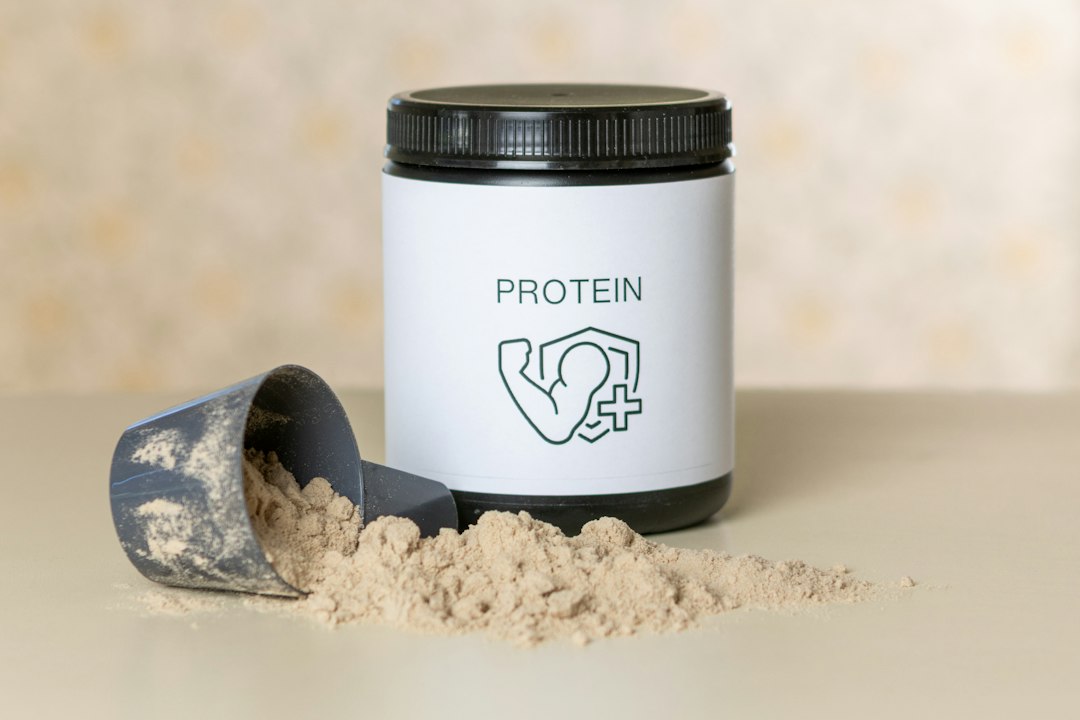
When I do reach for a tub, I want a short ingredient list and a scoop that actually delivers 20 to 25 grams. A straightforward whey protein isolate still beats the dessert-flavored blends that hide behind “premium” and deliver 15 grams plus a chemistry set. Mix it with higher-protein milk if you want the glass to do more than the scoop alone. Water is fine. Milk is a meal. Know which one you poured.
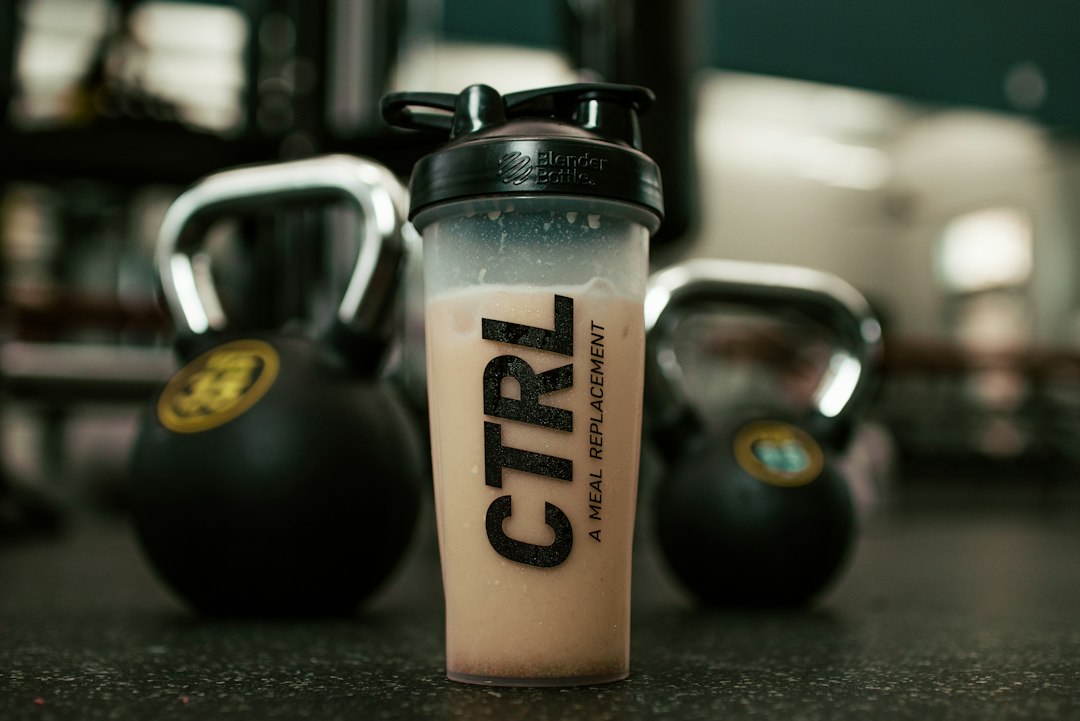
The shaker is not sacred. It is a leak-proof cup with a spring in the lid. A basic blender bottle lives in my gym bag because I got tired of protein film on reusable coffee cups. Rinse it the same day. That is the entire maintenance program.
Sunday containers, weekday honesty
Distribution fails in real life for one reason: the protein is not where you are. If lunch is a desk and a vending machine, your body will not invent chicken. The fix is a Sunday hour, not a new identity.
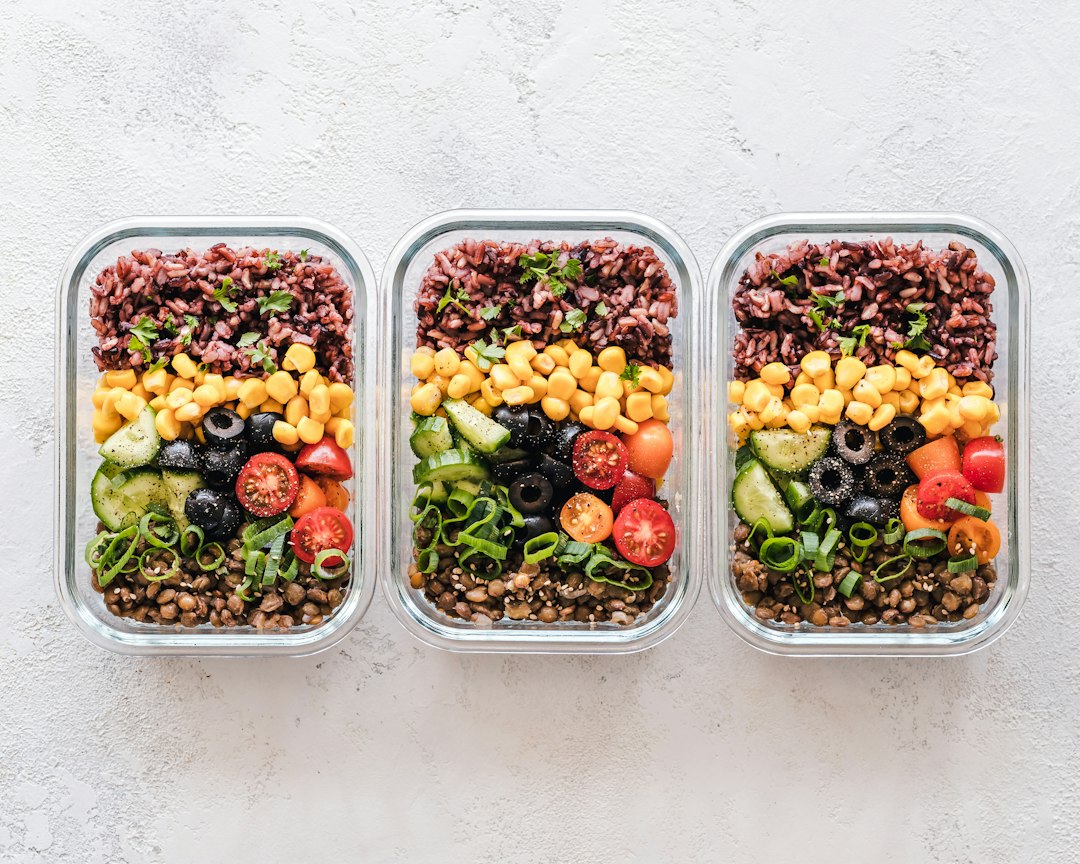
I like glass meal prep containers because I can see the protein compartment without opening four lids in the office fridge. Plastic works. Cloudy plastic that hides a lonely slice of deli meat does not. The picture in my head is not a rainbow of corn and rice. It is a visible portion of chicken, fish, tofu, or lentils that would still look like a serving if you removed the grains.
Pouches are the unglamorous backup, and I respect them. A sleeve of chicken breast pouches in the desk drawer has saved more training weeks than any supplement stack I have tested. Salmon pouches do the same job with a different mineral profile. They are not a personality either. They are insurance against the day the containers stay at home.
Weigh the food twice, then stop. A digital kitchen scale ends the argument between “a handful” and 30 grams. I ask clients to weigh breakfast and one lunch for four days, write the number on a sticky note, and then cook by eye. The scale is a teacher, not a lifelong roommate. If weighing food starts to feel like a moral project, put it away. This is fuel math, not a referendum on your worth.
Lunch cannot be a garnish
Here is the lunch I see most often in October: a big carb compartment, a beautiful vegetable compartment, and a protein compartment that would fit in a child’s palm. The photo looks responsible. The amino acid count does not.
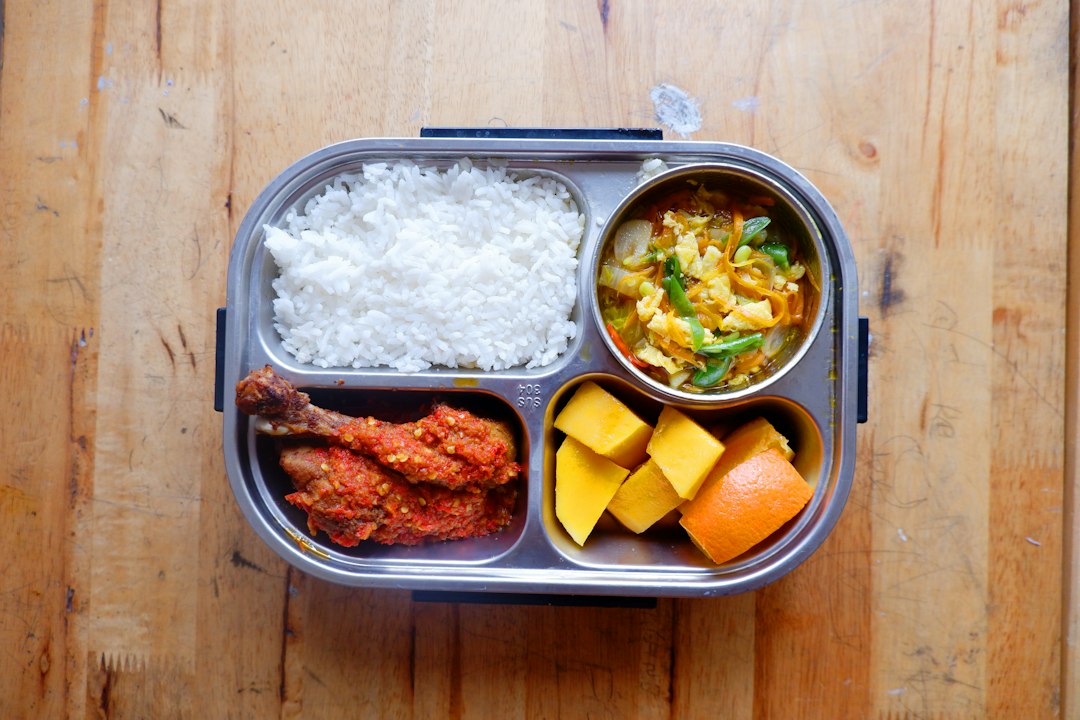
Look at a typical packed box and do the rude version of the audit. Rice can fill half the tray and still be mostly energy, not rebuild material. Two small pieces of chicken might be 20 grams if you are lucky and 12 if you are honest. Eggs in the side cup help. Fruit helps your afternoon mood and does almost nothing for the leucine threshold. None of that means throw out the rice. It means the chicken, tofu, or beans have to be a real quadrant, not a garnish you congratulate yourself for including.
A practical lunch I keep handing out: one pouch or a prepped portion of chicken, a fist of whatever grain you already like, and vegetables you will actually eat. If the chicken is dry, you under-salted it. The kitchen people I read for technique, not macros, keep reminding me that salt has a schedule. Juicy chicken gets eaten. Dry chicken becomes the garnish you were trying to avoid.
The snack that earns a place
A snack is not a moral failure. A snack that is only crackers is a missed dose. Between lunch and dinner, especially on days that include a lift or a long walk in the dark, I want something with protein you can name, not a “healthy” bar whose first ingredient is a syrup.
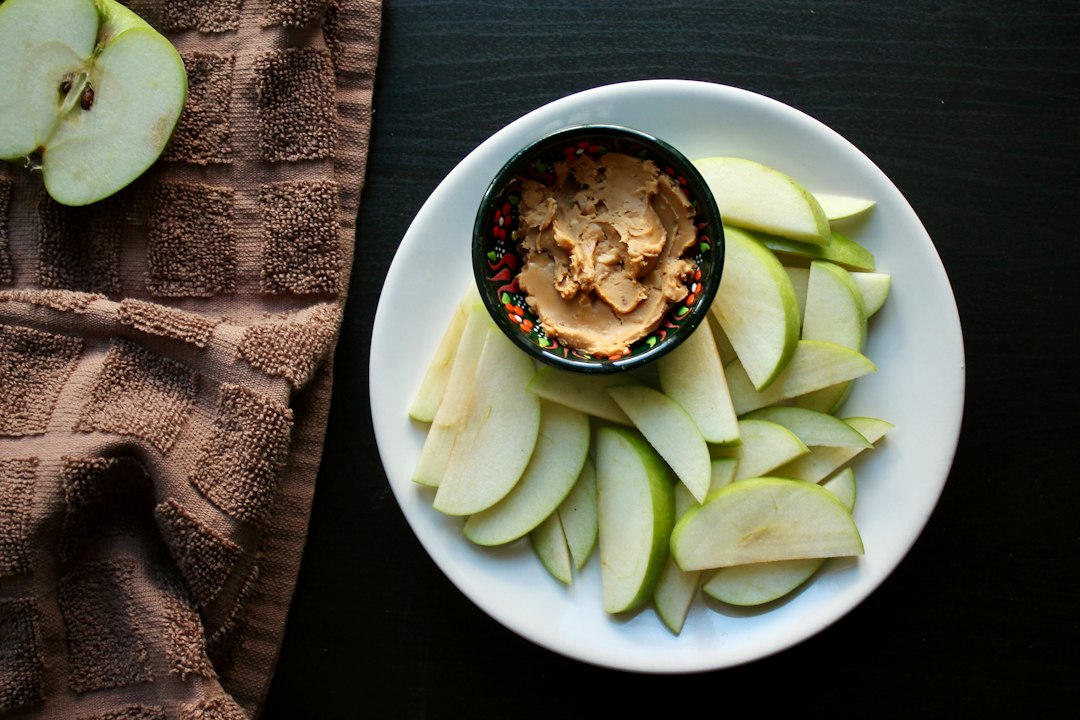
Apple and peanut butter is the snack people already like, so I do not replace it. I resize it. Two tablespoons of natural peanut butter is closer to 7 or 8 grams of protein than to a full meal dose. That is fine if lunch was solid. It is not fine if lunch was a granola bar and optimism. Add a string cheese, a cottage-cheese cup, or a yogurt if the afternoon is long.
Bars are for bags, airports, and the hour when cooking would mean skipping the workout. I keep simple protein bars with a short ingredient list and at least 12 grams of protein. If the wrapper reads like a candy aisle, it is candy. Eat the candy on purpose someday. Do not let it impersonate the dose.
Training days do not get a magic minute
On lifting days the shake is convenient, not mystical. If breakfast was real and lunch is coming, you can train and eat afterward like a person. If you trained fasted and the next meal is three hours away, the shaker earns its spot in the bag. The thirty-minute panic is optional. The skipped meal is not.
What actually moves muscle is the weekly strength dose plus enough protein to answer it. I still point clients who want the training side of this map to the ninety-minute iron week. Protein without loading is a grocery project. Loading without protein is a slower rebuild than you paid for. They are a pair. Neither one is a hack.
If you already eat a protein-containing meal within a couple of hours on either side of the session, stop buying urgency. Spend that money on chicken you will cook, or on the containers that make Wednesday lunch exist. Urgency is a marketing department. Distribution is a calendar.
Let dinner be a meal again
Once breakfast and lunch are doing their jobs, dinner gets to be dinner. A plate of chicken and vegetables. Fish. A bean stew with enough beans to count. You can still enjoy a larger evening meal. Holiday season is three weeks out, and I am not interested in clients white-knuckling November because October became a macro tribunal.
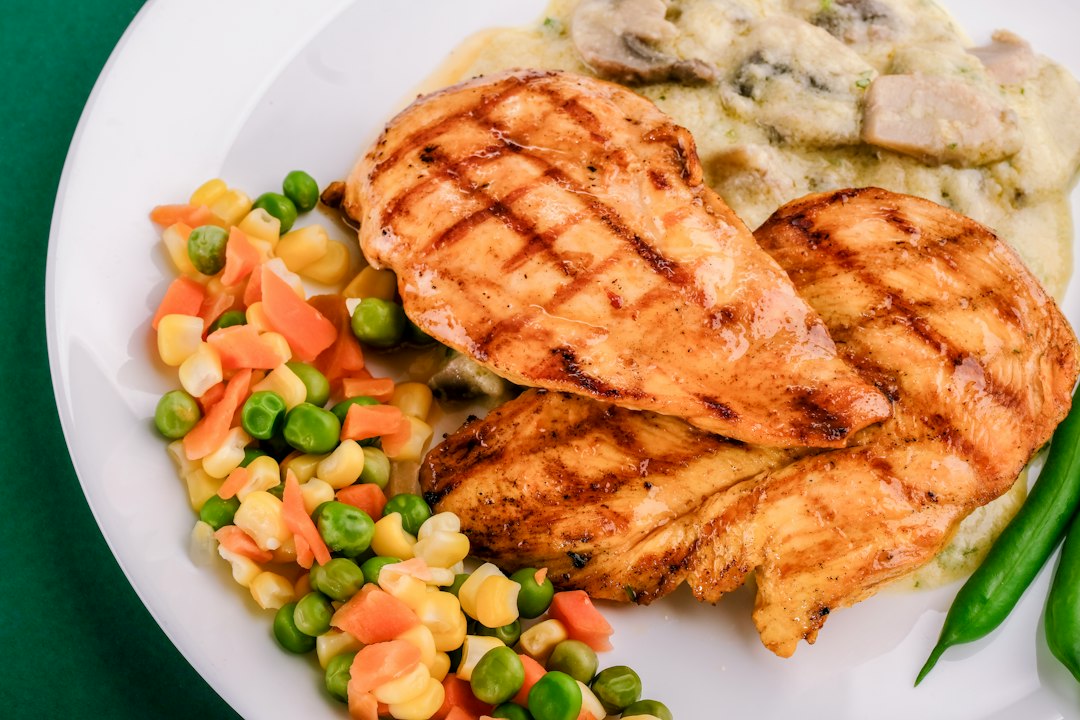
The shift I want is emotional as much as numerical. Stop treating the evening chicken as the repayment plan for a neglected day. Cook it because it tastes good and because your body still likes a third dose. If the plate is 40 grams and you are satisfied, you are done. If you want more because the food is good, eat more. The error is needing 80 grams at night because breakfast was a latte.
A simple evening template that keeps showing up in client kitchens: a palm-plus of cooked meat or a heaping cup of lentils, a pile of vegetables, and a starch that matches the training you actually did. Hard session, keep the potato. Easy walk, the potato can shrink. Neither choice requires a new personality.
The four-day audit I assign
I do not ask for a month of tracking. Four days is enough to see the shape of the problem, and four days is short enough that people finish.
- Write down protein at breakfast, lunch, snack, and dinner. Estimates are allowed on day one. The scale comes out on day two.
- Circle any meal under 20 grams. That circle is the assignment, not a confession.
- Move one easy food into the weakest meal. Yogurt, cottage cheese, eggs, a pouch, or a scoop. One change.
- Repeat the same breakfast twice. Novelty is how good intentions die on Thursday.
- On day four, look at dinner. If it shrank because you were less frantic, the map is working. If it did not, breakfast is still a rumor.
The people who log with me do not nag. They ask one question: which meal is still pretending? Usually it is breakfast. Sometimes it is the 3 p.m. slot that has been crackers since 2019. Fix that slot before you buy another tub.
What I will not pretend
This is not medical advice, and it is not a challenge. If you have kidney disease, are pregnant, are in treatment, or have a history of disordered eating, the gram targets in a coaching article are the wrong instrument. Talk to the clinician who already knows your labs. Protein is food, not a moral score, and more is not automatically better once you are past the range that supports your training.
I also will not pretend every body needs 40 grams four times a day. Smaller people often do well at the low end of that per-meal range. Very active people and many adults over 60 do better when each dose is large enough to clear the leucine hurdle, which is why the lonely piece of toast keeps failing them. Appetite, culture, and budget get a vote. A can of beans and eggs from the store you already use will beat a perfect plan you resent.
If you want the shortest version I give in the driveway: eat a real protein dose before noon, put a visible portion in the lunch box, and let dinner stop auditioning for the whole day. The chicken was never the problem. Saving it was.