There is a moment every October when I stop pretending. The clock says 5:15, the sky says goodnight, and suddenly the evening ahead of me feels less like free time and more like an unstaffed shift. Nothing terrible happens in those hours. That is the problem — nothing happens, and then it’s 10:40 and I’m still standing in the kitchen holding my phone, wondering where the night went and why my shoulders are up around my ears.
The fix came from an unexpected teacher. One of my long-time clients owns a bakery downtown, and she is the most consistent human being I have ever coached. Six a.m. sessions, never missed, cheerful in a way that should honestly be illegal before sunrise. When I finally asked for her secret, she laughed at me. “I don’t have mornings,” she said. “I have closing time.” Her shop runs on a shutdown checklist: ovens off, tomorrow’s dough staged, floors done, lights out. Fifteen minutes, same order, every single night. Mornings, she told me, run themselves when closings are done right.
I stole that idea on the spot. My coaching team and I built a five-anchor closing routine for the last hour of the day, ran it on ourselves first — always — and then handed it to our whole client roster last fall. Here is the version I’d give you if you trained with me, built for the season when darkness shows up before dinner does.
Why Your Evenings Need a Closing Procedure
Most of us plan mornings we have no right to expect. We budget willpower for 6 a.m. that must be spent by a brain already running on fumes at 9 p.m., and then we hand the final hour of the day to whatever screen happens to be nearest. The evening is where fitness plans quietly go to die, one “just one more episode” at a time. I’ve watched it happen to professional athletes and to grandmothers training for their first 5K with equal reliability.
Your biology isn’t neutral in this, either. As light fades, your body expects a slow descent — dimming, cooling, slowing — so melatonin can arrive on schedule. Overhead LEDs and a glowing feed hold that descent at the gate. The fix is not more discipline. It’s a procedure. A checklist removes the need to make good decisions at the exact hour you are least equipped to make them, which is the entire trick. My bakery client is not more disciplined than you. She simply stops deciding.
Anchor One: Drop the Lights First
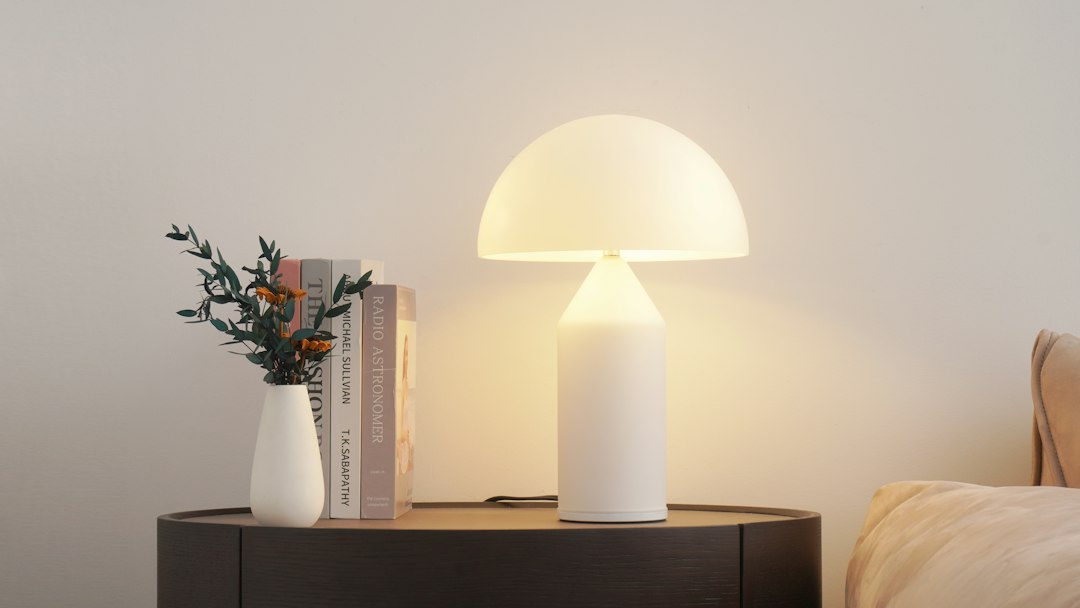
The first anchor is the simplest and, in my house, the most theatrical. At nine o’clock the overheads go off — all of them — and the living room drops to lamp level. It is astonishing how fast the body gets that message. Within minutes, yawns start showing up in my living room like guests who were only waiting to be invited.
You don’t need to rewire your home, though warm dimmable smart bulbs turn the nine o’clock dim-down into a one-tap job instead of a walking tour of every switch in the house. And if screens are genuinely non-negotiable in your evenings — I see you, fantasy football managers — a pair of amber-tinted blue light glasses takes the sharpest edge off the glow. I keep a cheap pair on the coffee table, and clients who swore they’d never wear them now show up to evening check-ins looking like tiny cyclists. Their sleep logs improved. They kept the glasses.
Anchor Two: Close the Kitchen, Warm the Kettle
The second anchor has two halves: a hard stop and a warm start. The kitchen “closes” when the lights drop. Closing the kitchen isn’t a diet rule — it simply gives your digestion a finishing line, so your body can spend the night repairing instead of processing. If real hunger keeps showing up late, we solve it in daylight, at dinner, with actual food. Nine times out of ten, the 9 p.m. fridge visit is boredom wearing a hunger costume.
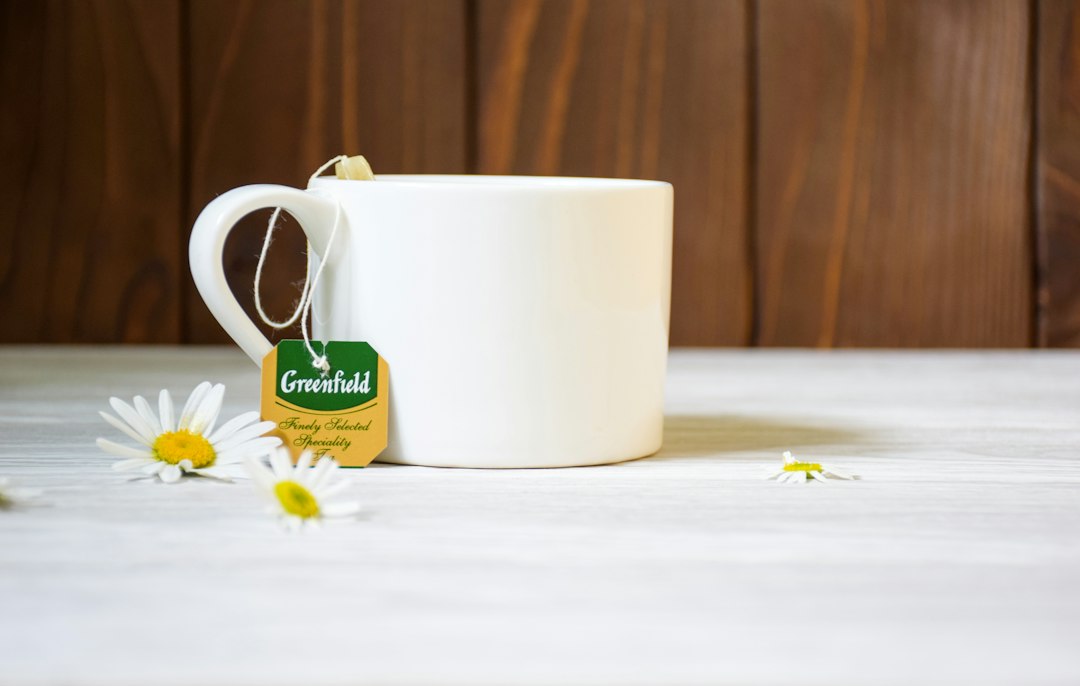
The warm start is the ritual that replaces grazing: the kettle goes on. A steaming cup gives your hands a job and your brain a signal that the day is folding up. I keep a sampler of caffeine-free bedtime teas in the cabinet so the ritual never goes stale — chamomile when I want mellow, tulsi when the day was loud, ginger when autumn settles into my sinuses. The four-minute wind-down drink I built during a rough August of sleep data was the prototype for this anchor; the nightly kettle is its simpler cousin. If you want one step beyond tea, a little magnesium glycinate about an hour before bed is the supplement I’ve watched move client sleep scores most reliably. Start low, give it two weeks, and take it with the tea.
Anchor Three: Dump the Brain, Stage the Morning
This is where the bakery checklist earns its keep. About half an hour before bed, you close the day’s open loops on paper. Not a journal — a dump. Every loose thought, from “reply to Dana” to “why did I say that thing in the meeting,” lands on one page of a cheap lined notebook that lives next to the couch. Nobody reads it again, including you, most nights. That’s not the point. The point is that your brain can stop rehearsing a thought once it sees the thought written down somewhere safe.
Then comes the pure bakery move: stage tomorrow. Lunch packed. Workout clothes laid over the chair. Water bottle filled and standing by the door like a small sentry. Ten minutes of evening-you taking care of morning-you. My rule for clients is that tomorrow’s first move should be so small it’s embarrassing to skip — and I’ve watched that single shift convert “maybe I’ll train in the morning” people into people who train in the morning. If you want the deeper story, the after-dinner ten-minute habit I tracked last August was the first domino in this whole chain.

Anchor Four: Five Minutes of Slow Body Work
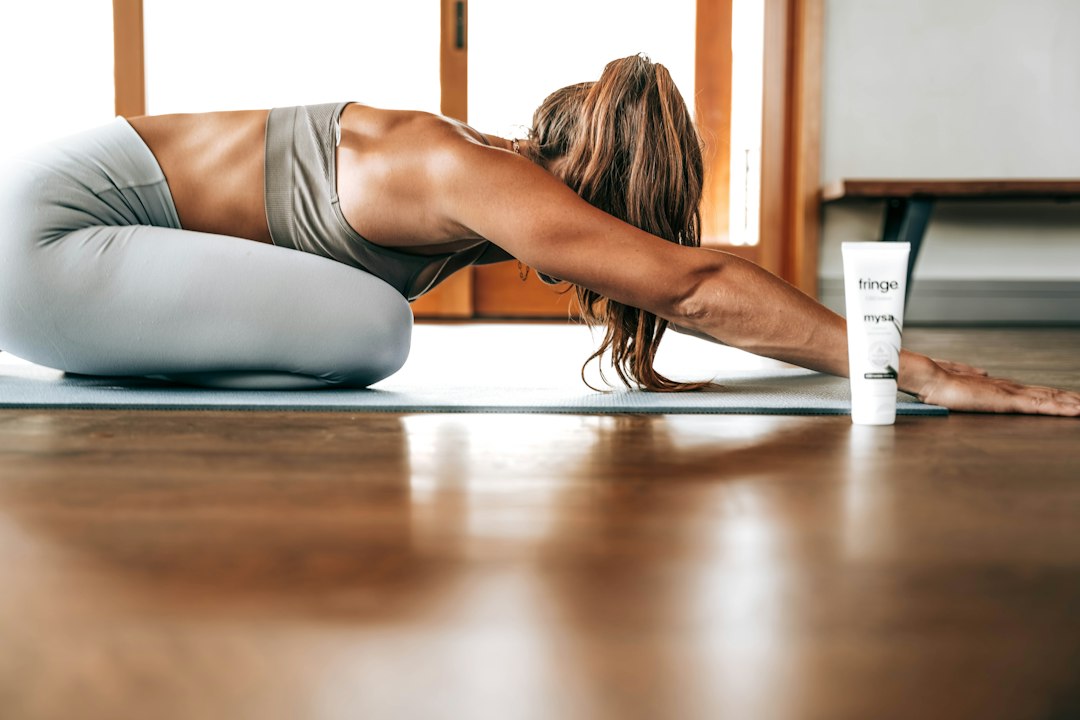
Anchor four is movement, but the slow kind — the kind my heptathlon coach would have called boring and my current self calls the reason I can still squat at full depth. Five minutes, floor level, right before the last walk down the hallway. Calves, hips, mid-back. Done. We sit all day, train hard some days, and then act surprised when the body wakes up feeling like a lawn chair left out in the rain.
You probably own enough already. A stretching strap is the ten-dollar tool I hand every client who can’t comfortably reach their own feet, and a high-density foam roller sorts out the mid-back and hips in a way an hour of heroic stretching never will. The specific sequence matters far less than the rhythm: the same five minutes, in the same order, every night. That repetition is what your nervous system reads as a closing bell. You’re not training. You’re shutting the ovens down warm.
Anchor Five: The Handoff to Your Bedroom
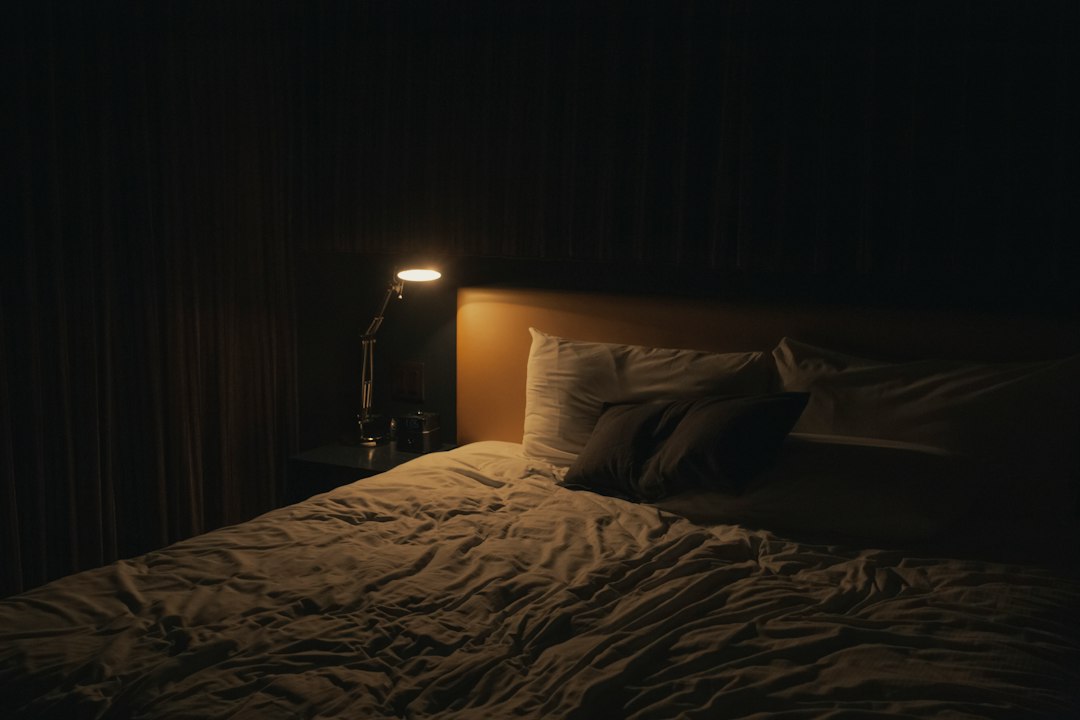
The final anchor is a short walk, and I coach it like a ceremony. The bedroom gets exactly one job: sleep. The phone charges in the kitchen — yes, really, buy the second charger. The room should be cool, dark, and dull enough to bore you unconscious. If your bedroom is also your office, your gym, and your movie theater, your brain will file it under “all of the above,” and sleep becomes a negotiation it feels entitled to lose.
Most bedrooms need two upgrades, not ten. First, darkness: blackout curtains, or for travel and partners who read late, a contoured sleep mask that doesn’t crush your eyelashes. Second, steady sound: a white noise machine smooths out the 2 a.m. garbage truck and the neighbor’s early shower better than any playlist. One of my clients swears her weighted blanket outranks all five anchors; I call it optional but deeply cozy. And remember the bookend: evenings close the loop that morning light opens. My sunrise lamp sits across the bedroom like a promise that the plan keeps working while I sleep.
What Thirty Nights Did for My Clients’ Numbers
Every October, my coaching team runs a voluntary thirty-night closing challenge. Nobody’s sleep is perfect for thirty nights, and that’s by design — we score the routine, not the result, because the routine is the thing you actually control. Last year’s group of forty-two clients taught us plenty. Average time to fall asleep dropped by roughly a third. Evening scrolling shrank from nearly two hours to about twenty minutes, mostly because hands holding tea can’t scroll as easily. Morning session compliance — showing up to the workouts they’d scheduled — climbed almost twenty points by December, which is the number that made me a believer forever.
The surprise wasn’t the sleep scores. It was what people did with the mornings they suddenly stopped dreading. One client started walking her dog before work instead of doom-scrolling in the dark. Another finally restarted the strength program she’d abandoned two winters ago. Nobody white-knuckled anything. They just closed their days on time, and the mornings paid them back with interest.

Your Fifteen-Minute Starter Version
The full routine runs about forty minutes, and I’d never start you there. Start with fifteen, and keep every step almost embarrassingly small:
- One hour before bed: overheads off, lamps on, phone parked on its kitchen charger.
- Kettle on: any caffeine-free cup you genuinely like — the liking matters more than the tea.
- Brain dump: five lines minimum, terrible handwriting encouraged, zero editing.
- Stage one thing: tomorrow’s workout clothes or the lunch bag, handled tonight.
- Two stretches: one for the hips, one for the upper back, held lazily while the tea kicks in.
Run the short version for two weeks before adding anything else. And if you’re reading this in early October, you have a deadline worth respecting: the clocks fall back on November 1st, and my four-Sunday countdown to that change goes much smoother for people whose evenings already have a shape. Give your nights a closing procedure now, and the dark season stops being something that happens to you.
Mornings run themselves when closings are done right. A woman who wakes at 3:45 a.m. to make bread taught me that, and she has never once missed a session with me. The checklist is short, the kettle is warm, and tomorrow is already staged. Close up shop, and let the day end on your terms.