Sunday, October 18. Thirteen days left in the month, and the group text is already splitting in two. One half started Sober October on the first and wants to know what they are allowed to keep. The other half asked me this morning if a late start still counts. It counts. A short, honest window teaches more than a perfect month you narrate and then undo on November 1.
I am not interested in turning anyone into a personality. I am interested in the training week. Sleep that actually restores you. A Saturday long run that does not feel borrowed from last night. The coaches I work with and I have been keeping a shared log on this since early September, because the same pattern shows up every fall: the social calendar thickens as daylight thins, and the pour that used to be a weekend thing starts arriving on Tuesday.
This is the note I hand people with thirteen days left. If you have been dry since the first, it is about what you refuse to hand back. If you have not started, it is a thirteen-day lab. Either way, the lemon stays on the counter.
A month is a lab, not a personality
Sober October is having a loud year. A Boston public-radio piece this week walked through how ordinary the alcohol-free shelf has become: canned mocktails, dealcoholized wine, a non-alcoholic version of nearly every beer style you already know. That noise is useful, because you no longer have to white-knuckle a room with a sad seltzer. It is also a trap. A trend can become a costume you wear for thirty-one days and fold into a drawer.
I ask clients for three numbers, not a manifesto. Bedtime. The 4 p.m. slump. Whether the next morning’s easy session stayed easy. We write those down. We do not grade anyone’s virtue.
Public-health guidance has been getting plainer for years: for most adults, less alcohol is better than more. A dry stretch is not a cleanse. It is a chance to see what your sleep, your resting heart rate, and your patience do when the variable comes out. Some short-term abstinence studies have found modest shifts in blood pressure, insulin resistance, and liver enzymes among people who had been drinking regularly. Those are research averages, not a promise from my kitchen counter. What I can promise is better information about your own week.
Sleep shows up before willpower does
The first thing people notice is not a six-pack. It is the second half of the night.
Alcohol is a sedative. It can knock you down faster, which is why a glass feels like a sleep aid at 9:30. Then it fragments the back half of the night, trims REM, and leaves you awake at 2:17 doing math you did not ask for. I have watched this on client wearables for years, and I have felt it in my own training blocks. The nights I used to call “a wind-down” were often the nights my ring showed a higher resting heart rate and a morning that needed two coffees to impersonate one.
Doctors talking about a thirty-one-day break this month keep landing on the same practical point: notice how you feel, and use that feeling as the reason to drink less afterward, not as a trophy you set down. Sleep is the receipt.
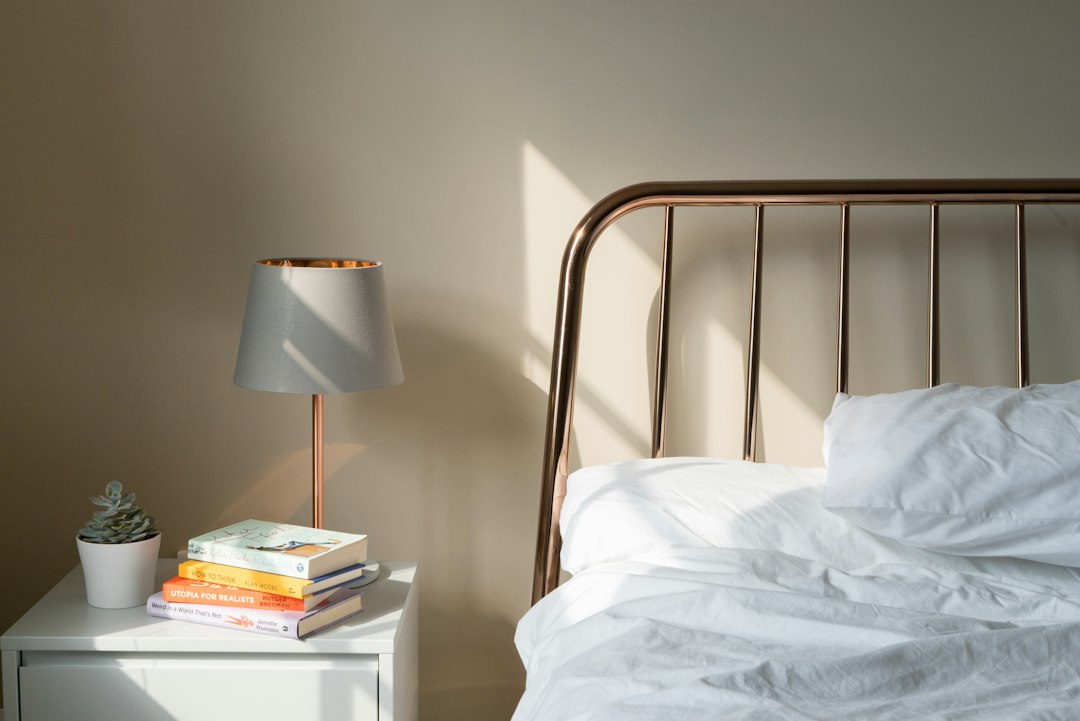
Give it four nights before you judge the experiment. The first two can feel flat. By night four, a lot of my people report the unglamorous win: they stay asleep. They are not saints. They are just not being chemically woken up.
If your evenings have been sliding later as the sun does, pair this with a real closing routine. I wrote about the bakery owner who taught me to end the day on purpose in Closing Time. The drink was never the routine. It was the object we hung the routine on.
What I actually watch on training days
I do not need a blood panel to coach the next session. I need the session.
After even a couple of drinks, a lot of athletes show up with a resting heart rate a few beats higher and a warm-up that takes longer to feel like a warm-up. Hard intervals get sloppy in the last third. Strength work feels heavier than the log says it should. None of that means you are broken. It means alcohol is a recovery tax, and recovery is the whole job if you are trying to get fitter before the holidays instead of merely surviving them.
Alcohol also pulls water, and it interferes with the muscle-repair work you think you bought with dinner. Train hard and then “reward” it, and you often pay twice. I stopped calling that a reward in my own log years ago.
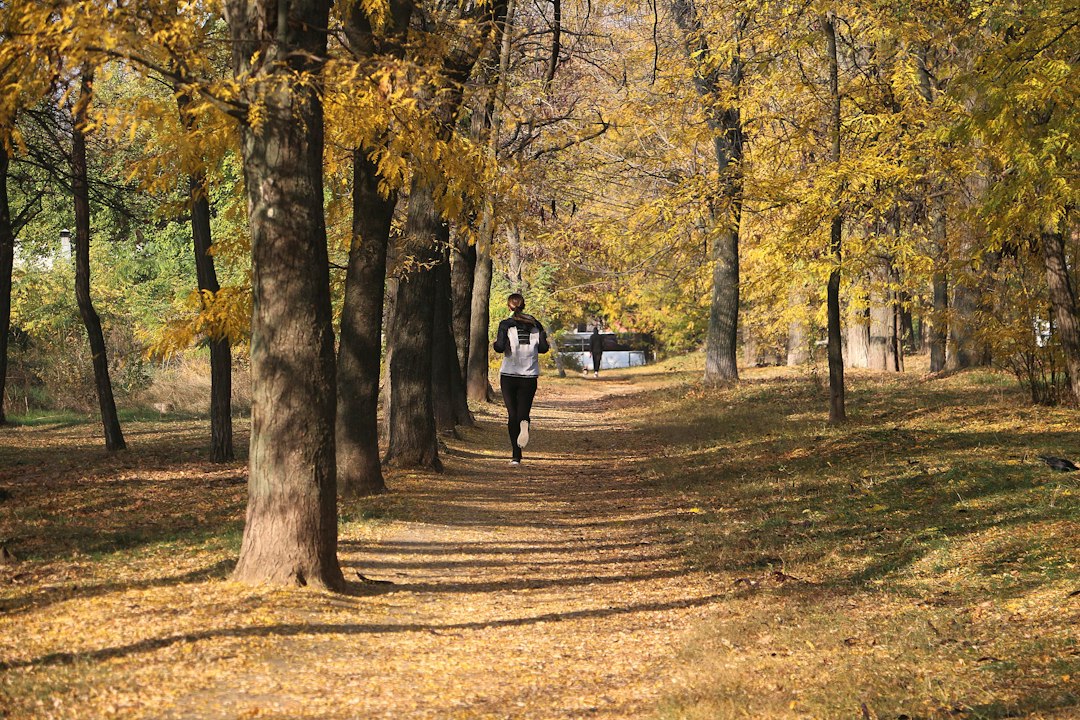
What improves in a dry stretch, for the people I coach, is rarely a dramatic PR. It is consistency. The Tuesday lift happens. The Saturday miles do not need a negotiation. Thanksgiving is five weeks out. You do not need a new program. You need fewer mornings that start in a hole.
The five o’clock handoff
Ask someone when they drink and they will say weekends. Watch the week and you will see 5:07 p.m. Work ends, the house gets loud, the light is already failing, and a cold glass is the fastest way to change the channel. Willpower is a terrible plan for that minute. A replacement object is a better one. It has to be cold, a little bitter or bright, and already in the house.
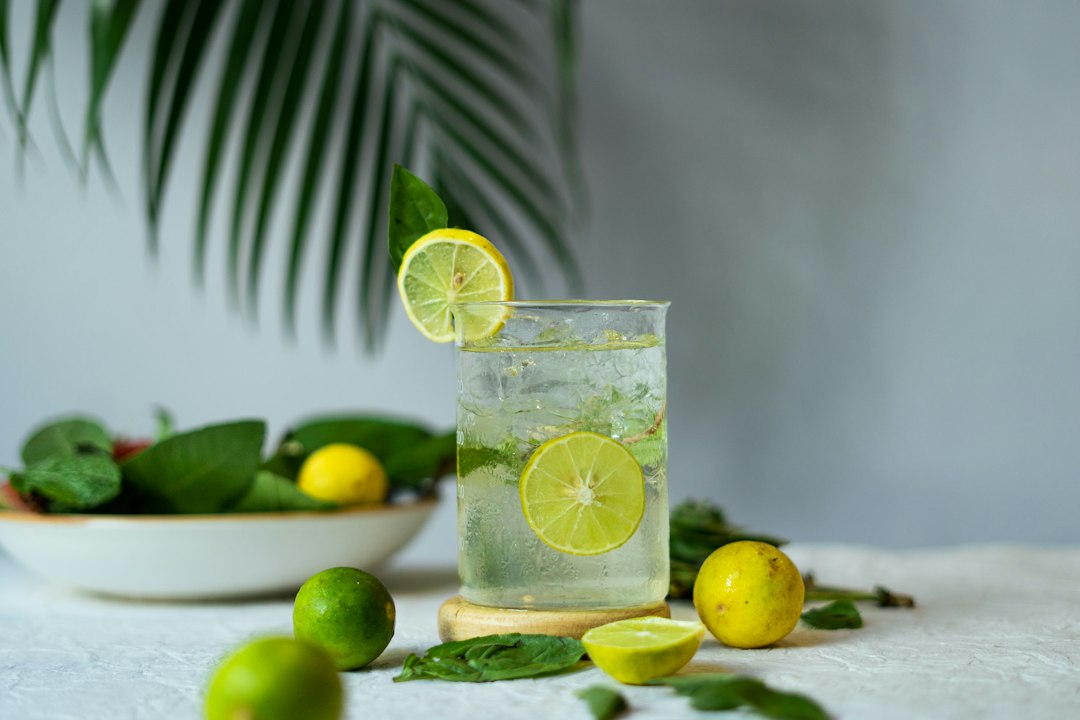
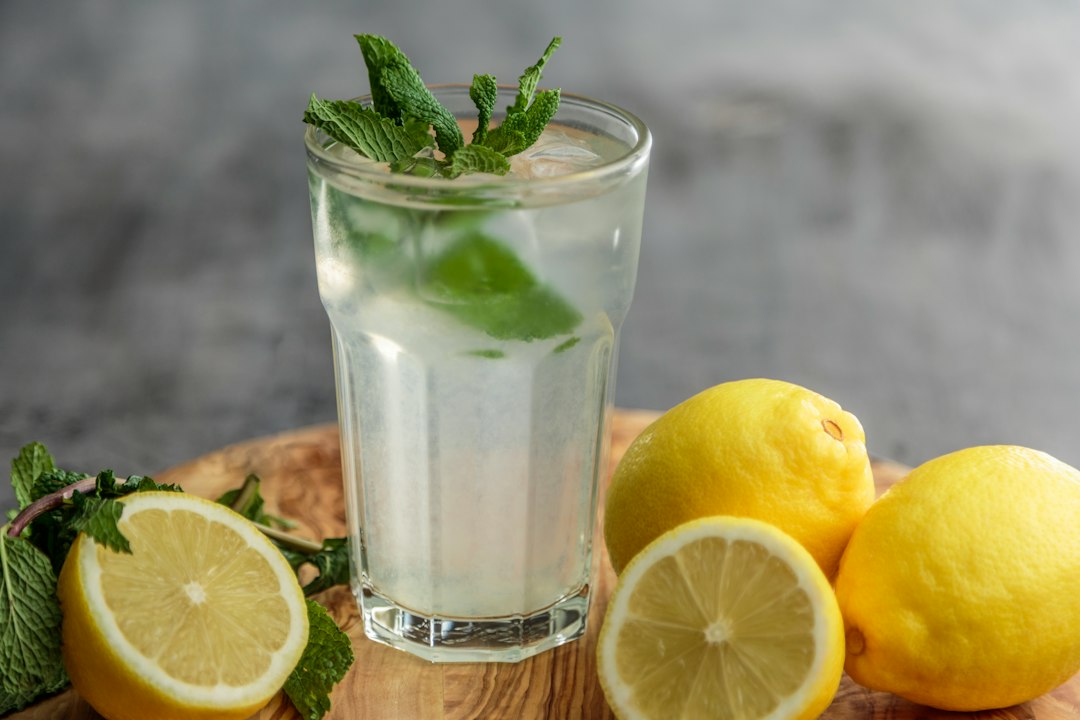
This is why the lemon stays on the counter. Not as a Pinterest moment. As a cue. Ice, citrus, something with a bite, a glass that feels like an occasion. The script can be boring. Boring is what survives a Tuesday.
Build the cart before the invitation arrives
November does not care that you had a good October. Office parties, early Friendsgiving, a Thursday that turns into a bottle because someone brought one. The people who keep the habit are the ones who stocked the cart while the month was still quiet.
Start with the thing that looks like what you already liked. If beer was the weeknight pour, a craft non-alcoholic beer in the Athletic Brewing lane is the least dramatic swap I know. It is cold, it has a hop edge, and it gives your hand a can so you are not explaining yourself. If you want the familiar green bottle at a game or a cookout, Heineken 0.0 does that social job without asking you to become a different person. Read the label if you are in recovery or avoiding alcohol completely. In the U.S., “non-alcoholic” can still mean up to 0.5 percent ABV. A true 0.0 is the stricter shelf. Those are not the same product if zero is the point.
Wine people get stuck because a can of hop water does not scratch the glass-in-hand ritual. Dealcoholized bottles have gotten good enough that I no longer apologize for them. A bottle of alcohol-free wine on the table lets you participate in the pour without borrowing tomorrow’s run. I keep one for the nights a friend comes over and the evening wants a stem, not a speech.
Hop water is the sleeper. It is not pretending to be beer and it is not a soda. Lagunitas Hoppy Refresher is the one I hand runners who want bitterness and bubbles and nothing else. It lives in the fridge door, which is the only real estate that matters at 5:07.
When the night wants a cocktail shape, I stop hunting a fake buzz. Most adaptogen drinks I have tried either do nothing or make me sleepy, which is a terrible trade before a 6 a.m. lift. A real mocktail is just acid, sweetness, and cold. A small set of mocktail syrups, a stainless shaker, and a spicy ginger beer will cover every guest I actually host. Shake citrus and syrup over ice. Top with ginger beer. Hand it over. Nobody needs a lecture if the glass is good.
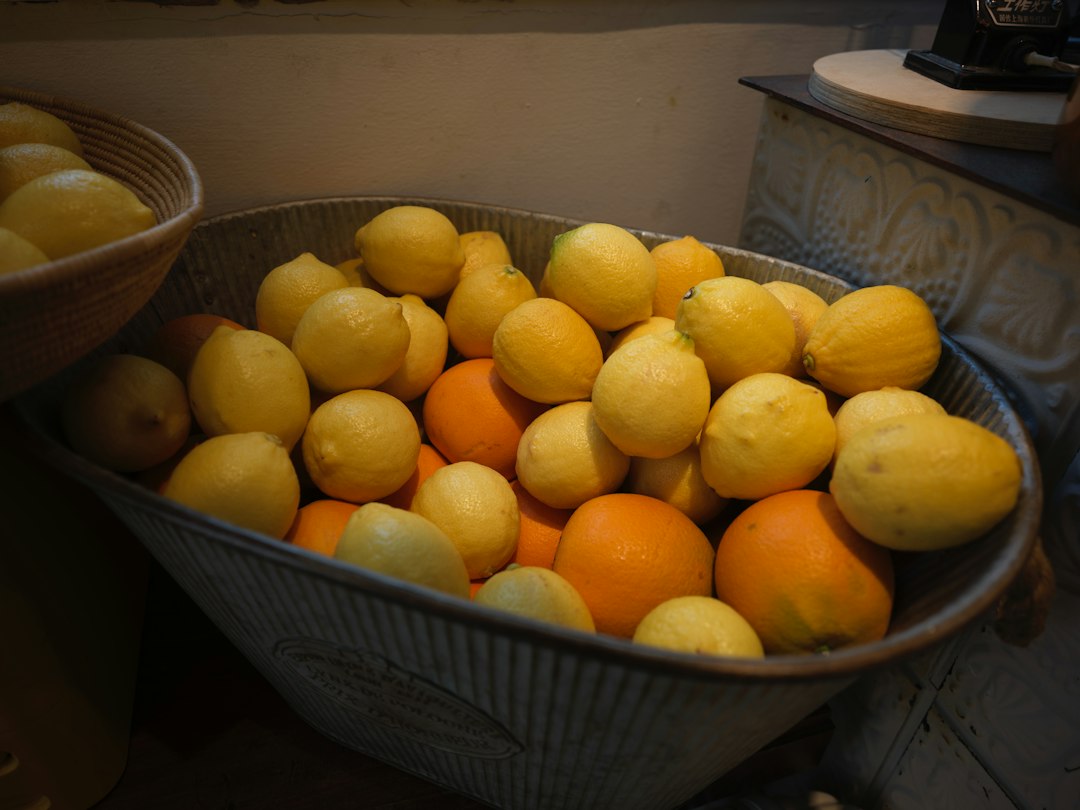
Buy the lemons before you buy another gadget. A bowl of citrus on the counter outperforms a forgotten bottle in the pantry. If the bowl is empty on a Thursday, the experiment is already losing.
Bubbles do more work than you think
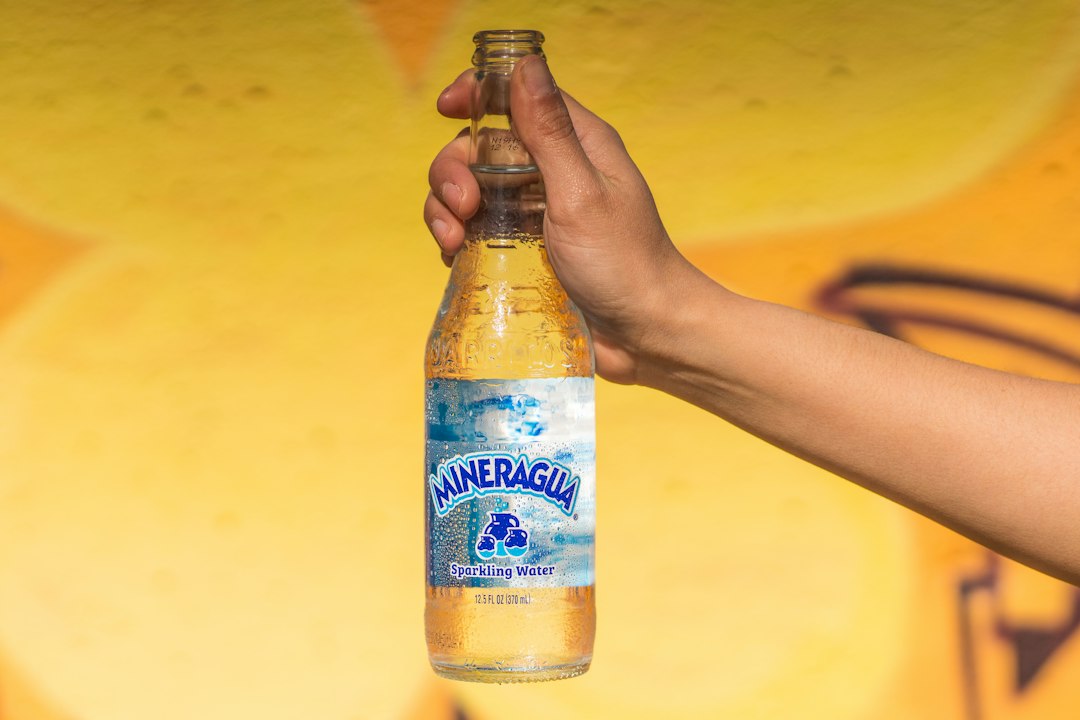
Still water is correct and, for a lot of people, emotionally insufficient. The ritual was carbonation, temperature, and a sound. Recreate those and the craving gets quieter.
A sparkling-water maker on the counter is the least romantic purchase in this whole piece and the one I see still in use in February. You stop doing pour math. You stop running out on the night you needed the swap most. Keep a bottle of something with actual bite next to it so you are not just inflating tap water and calling it a life.
Kombucha is a different job. It is not a beer replacement for everyone, and the sugar on some labels is not nothing. I like it as the afternoon drink that used to be a 3 p.m. glass while cooking. A refrigerated kombucha with a short ingredient list beats a dessert disguised as wellness. If you would rather brew than buy, the jar method is in Counter Culture. The point is a cold drink that is already open when the cooking starts.
The hydration tax nobody puts on the calendar
People quit drinking and then wonder why day two feels like a mild hangover anyway. Often they just stopped a diuretic and did not replace the water, the sodium, or the evening snack that used to come with the glass.
I am not asking you to turn a dry stretch into a supplement stack. I am asking you to stop under-drinking water because you are bored of it. On training days, an LMNT-style electrolyte mix in the bottle you already carry covers the salt you used to get accidentally from bar food and late glasses. The longer field guide, including what I will and will not spend money on, is The Sweat Tax. Read that before you buy six tubs of anything.
Sleep is the other place people panic-shop. If your nights are better but not perfect, magnesium glycinate is the one capsule I am willing to mention here, and only as a trial, not a cure. A straightforward magnesium glycinate in the evening is what several of my clients already use for the twitchy, wired feeling that shows up when the pour is gone and the nervous system has not picked a new off-switch. If it upsets your stomach or you are on medications, ask your clinician before you add it. It is a tool. It is not the experiment.
The evening that used to end in a pour
Some nights do not want a can. They want heat, a mug, and the signal that the kitchen is closed.
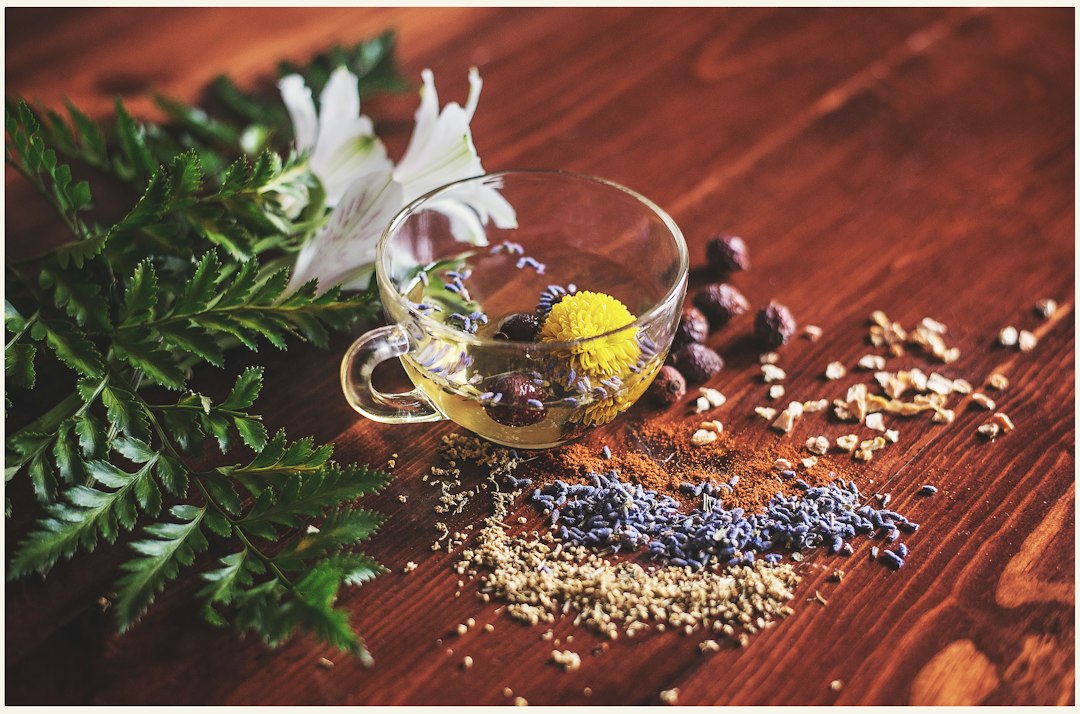
That is a different ritual, and it deserves its own object. I keep chamomile tea for the nights after 8:30, when bubbles would just keep me up and a mocktail would feel like I was still hosting. The mug is the boundary. Laptop down. Lights lower. The same closing sequence, minus the thing that used to pretend it was helping me sleep.
If the evening energy is still buzzing and a mug feels like giving up, go outside for ten minutes before you decide you need a drink. The walk is not a punishment. It is a state change that does not send a bill to tomorrow. I broke down why those ten minutes move the numbers in Dishes Can Wait. Do it before you renegotiate the month.
What I will not promise you
You may not lose weight. You may be irritable for a few evenings because the drink was managing a feeling, and the feeling is still in the house. That is information, not failure.
I will not call this a detox. Your liver was already doing its job. A dry stretch stops adding a nightly task to that job and lets you see your baseline. If a headline promises a transformed metabolism in thirteen days, close it. The honest wins are quieter: fewer 2 a.m. wake-ups, a warm-up that feels like itself, a Saturday you do not have to apologize to.
And I will not tell someone who drinks heavily every day to white-knuckle a challenge because a calendar said so. If stopping brings on shaking, sweating, confusion, or you cannot stop safely on your own, this is a medical conversation, not a content challenge. Call your clinician before you start. A coaching note is not a withdrawal plan, and I will not pretend it is.
Thirteen days if you have not started
Too late is a story. Here is the actual protocol I give on October 18.
- Pick the window out loud. Tonight through October 31. Say it to one person. A private rule gets edited at 5:07.
- Stock four things today, not twelve. Citrus, one alcohol-free drink you will actually crave, sparkling water, and the tea for late. Everything else is optional.
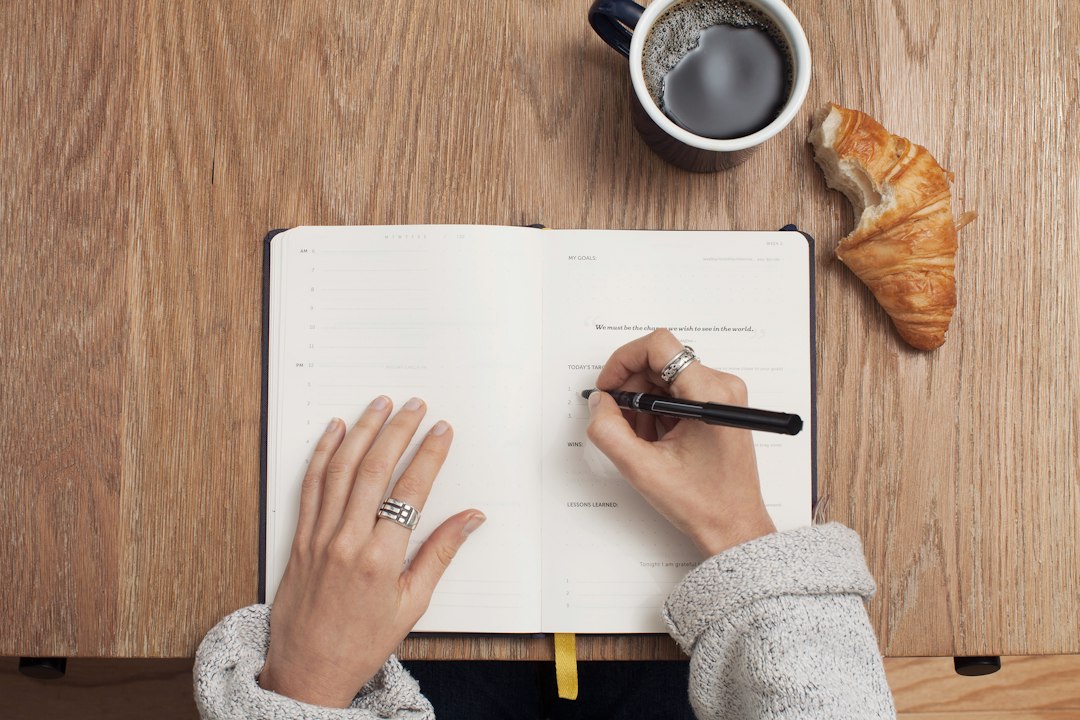
- Write three lines each morning. Sleep quality, resting heart rate if you track it, and whether training felt like itself. No essays.
- Keep the training plan you already have. Do not add a heroic program to prove the month is working. Consistency is the proof.
- Plan one social night inside the window. Bring your own can or build the ginger-and-citrus glass before you leave. The first party is the test, not the exception.
If you miss a night, you do not restart your personality. You write down what the cue was and you get back on the next evening. Thirteen data points beat zero.
The November rule
Thanksgiving is November 26. The people who rebound hardest treat November 1 like a finish line and a permission slip in the same breath.
My rule is smaller than abstinence forever. Keep the 5:07 script on ordinary nights. Drink, if you drink, on the nights you chose in advance, with food, and not as the thing that ends a hard training day. One planned glass at a table you love is a different animal from a Tuesday can that shows up because the lemon bowl is empty.

Put the walk on the calendar for the nights you know will be loud. Put the alcohol-free bottle in the fridge before the guests text. Tell the coaches in your life, or the one friend who will actually ask, what you are keeping. The month ends. The counter does not have to go back to bare.
The lemon stays. That is the whole assignment.
Some links in this piece are affiliate links. If you buy through them, I may earn a commission, at no extra cost to you. I only point at things I would actually put in a client’s kitchen.