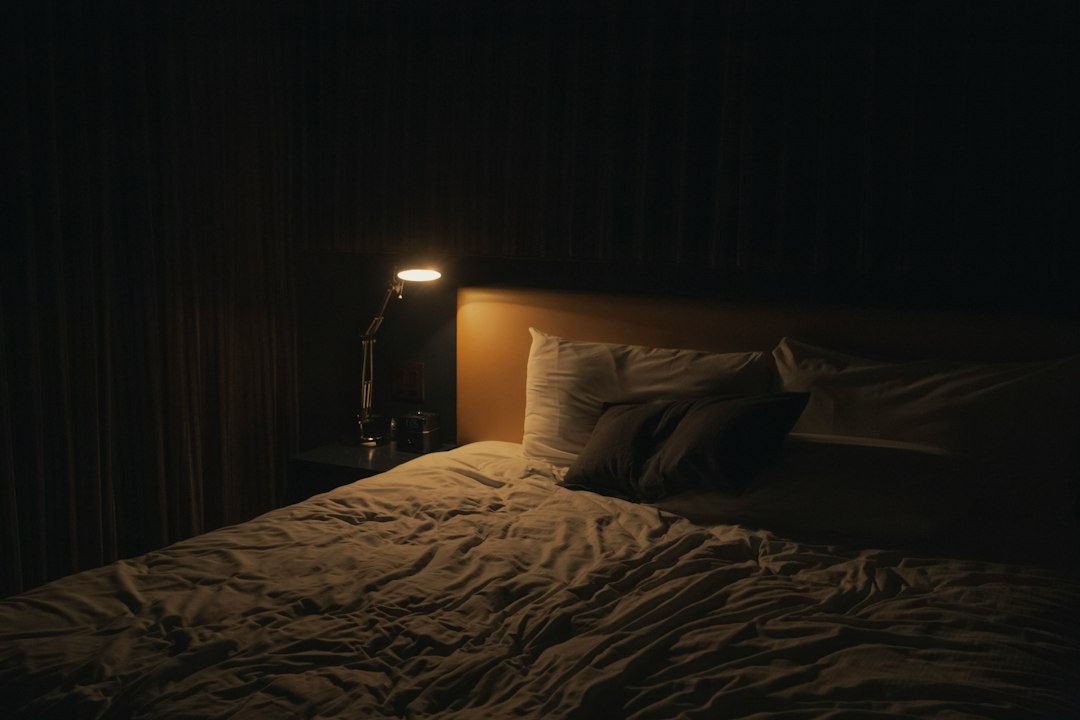
The first cold Saturday of the season, my furnace groaned awake at 6:40 in the morning like it always does, and by Tuesday I was waking at 3 a.m. with a tongue like a desert creek bed in August. Same story every year. My knuckles split, the doorknob started biting me with static, and my sleep score fell off a cliff while my training recovery dragged behind it. I coach people through this for a living, and I still let it sneak up on me — which is exactly why my team and I now treat the week the heat comes on as its own little training event. Not a workout. A protocol.
Here’s what most people miss: the problem isn’t winter. It’s what your furnace does to the air inside your bedroom. Heat the same parcel of air up twenty degrees and its relative humidity collapses, even though the actual amount of moisture in it hasn’t changed a drop. The outdoor air at 40 degrees and 60 percent humidity walks into your house, gets warmed to 68, and arrives in your bedroom at roughly 22 percent. That’s Tucson in July. You’re sleeping in it eight hours a night.

The Number That Runs Your Winter
Everything in this protocol hangs on one number: relative humidity, and specifically the 40-to-60 percent band that researchers keep landing on when they study sleep quality, skin barrier function, and how well the mucous membranes in your nose and throat fight off whatever’s going around the office. Below that band, the mucus that’s supposed to trap viruses gets thick and slow. Your skin loses water to the air faster than you can replace it. Your throat dries out and you wake up snoring like a garage door.
I learned the immune angle the hard way, coaching through a November where half my roster caught the same cold within ten days. Dry air doesn’t give you a virus, but it hands one a nicer runway. If you want the full story on training while snotty, I wrote up the three-light plan I give every client for cold season — same week of the year, same lesson: the environment is doing more work than you think.
The fix costs less than a race entry, most of it once. But you cannot buy your way in blind, because the biggest humidifier mistake I see isn’t the machine people pick. It’s buying one before they know what they’re correcting.
Guessing Is the Expensive Part
Every October I stop trusting my house and start measuring it — I run the same air-measuring ritual I wrote about last month, and the humidity meter is the first thing that comes out of the drawer. A ten-dollar hygrometer is the entire foundation of this protocol. I keep a two-pack of ThermoPro TP49 meters scattered around the house so I can compare rooms instead of trusting a single reading, and one of those little units has sat on my nightstand for three winters without a battery change.
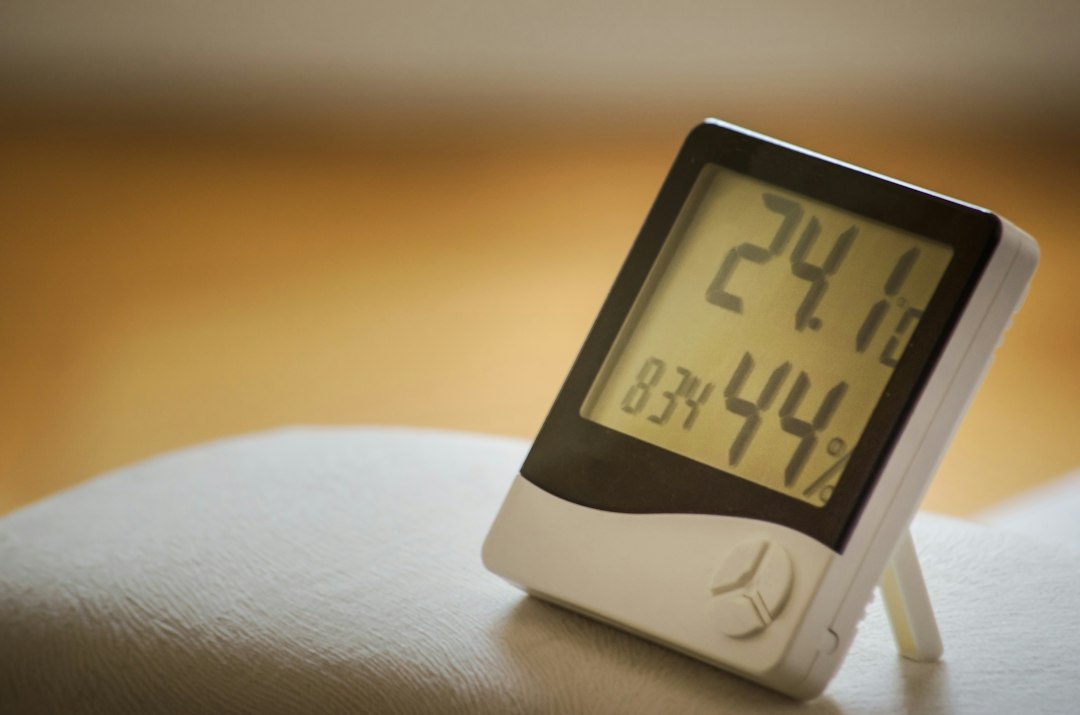
If you want the data in your phone — genuinely useful for spotting the overnight slump when the furnace runs longest — the Govee WiFi hygrometer logs a graph you can check from the kitchen. My clients who travel love it: you can see exactly when the bedroom bottomed out at 26 percent while you were sleeping in a hotel.
Watch the meter for three nights before you spend another dollar. If your bedroom holds above 38 percent all night, close this tab and go enjoy your fall — you don’t need a machine, and I’d rather you spend the money on good shoes. But if it’s in the twenties by 2 a.m., like mine was, keep reading.
Three Machines, Three Personalities
Humidifiers come in three basic temperaments, and picking among them is less about “best” and more about which flaws you can live with.
Evaporative machines blow air through a wet wick. They’re self-regulating — when the air is already damp, the wick stops giving off moisture, so you basically can’t over-humidify a room — and they don’t spray minerals. The tradeoff is a soft fan hum and wicks you replace every month or two. Honeywell’s HCM-350 is the one I’ve run longest in my own bedroom; it’s boring in the best way, and replacement wicks (HAC-504) are cheap enough that I buy four in October and forget about it until spring.
Ultrasonic machines vibrate water into fog silently, which makes them the bedroom favorite — you’ll hear nothing but your own breathing. The catch is what’s in your water: tap water minerals get aerosolized with the mist and settle as fine white dust on your nightstand, your headboard, and, less delightfully, your lungs’ neighborhood. Run them with distilled water or demineralization cartridges and the problem mostly vanishes. Levoit’s Classic 300S is the quiet workhorse I recommend to clients who sleep light; the top-fill tank means you’re not flipping anything upside down over a sink at 10 p.m.
Warm mist units boil the water first, so the vapor comes out clean and slightly warm, and the boiling kills anything living in the tank. They cost more electricity and you don’t want one where a toddler can pull it down, but for stuffed-up January nights, a Vicks warm-mist humidifier in the sick-room has ended more of my houseguests’ misery than any syrup on the shelf. Think of it as a kettle with a job.
If the Room Is Bigger Than the Machine, Nothing Happens
Sizing trips up more people than technology does. A small one-liter tank rated for 250 square feet will lose a street fight with an open master bedroom plus an en-suite door that never closes. Match the machine’s rated coverage to the actual room, and if you’re trying to help an entire open floor plan, stop buying bigger bedside units and get a console — Levoit’s Superior 6000S evaporative console covers the kind of square footage that would otherwise need three machines negotiating with each other. For kids’ rooms, Crane’s Drop humidifier is the cute, inexpensive, easy-clean option my clients with little ones keep rebuying for every bedroom in the house.
The Sunday Ten Minutes Nobody Skips Twice
Now the unglamorous truth that decides whether your humidifier helps you or slowly turns against you: standing water grows biofilm. A humidifier that isn’t cleaned becomes a machine for aerosolizing whatever is blooming in its tank, and I promise you do not want a literature search on “humidifier lung.” My rule for every client, no exceptions: once a week, empty it, rinse it, and let it dry completely before refilling. Once a month, descale the tank with a spoonful of citric acid dissolved in warm water — it eats mineral crust better than vinegar and leaves no salad-dressing smell behind.

If you know yourself well enough to admit that weekly maintenance is not happening, buy the machine that makes it painless. Carepod’s stainless-steel tank models cleaned up this whole problem in my guest room — the tank is smooth steel with no crevices, so the weekly rinse takes about ninety seconds and there’s nowhere for gunk to stage a coup. One client of mine, a nurse working threes, told me the easy-clean tank was the difference between a humidifier she used all winter and one she’d have abandoned by Thanksgiving. Design beat discipline. It usually does.
Yes, There Is Too Much of a Good Thing
Before you start visualizing a rainforest: the top of the healthy band is a ceiling, not a suggestion. Sustained humidity above 60 percent hands dust mites and mold spores the warm, damp break room they’ve always dreamed of, and in a cold climate, the tell is right on your windows. If the glass is weeping condensation every morning, your air is carrying more water than the house can hold at that temperature, and the moisture is now thinking about living inside your walls. Ease the machine back, crack the door, and let the meter arbitrate. Forty-five percent is a great place to camp. Sixty-eight is a science project.

The Free Upgrades
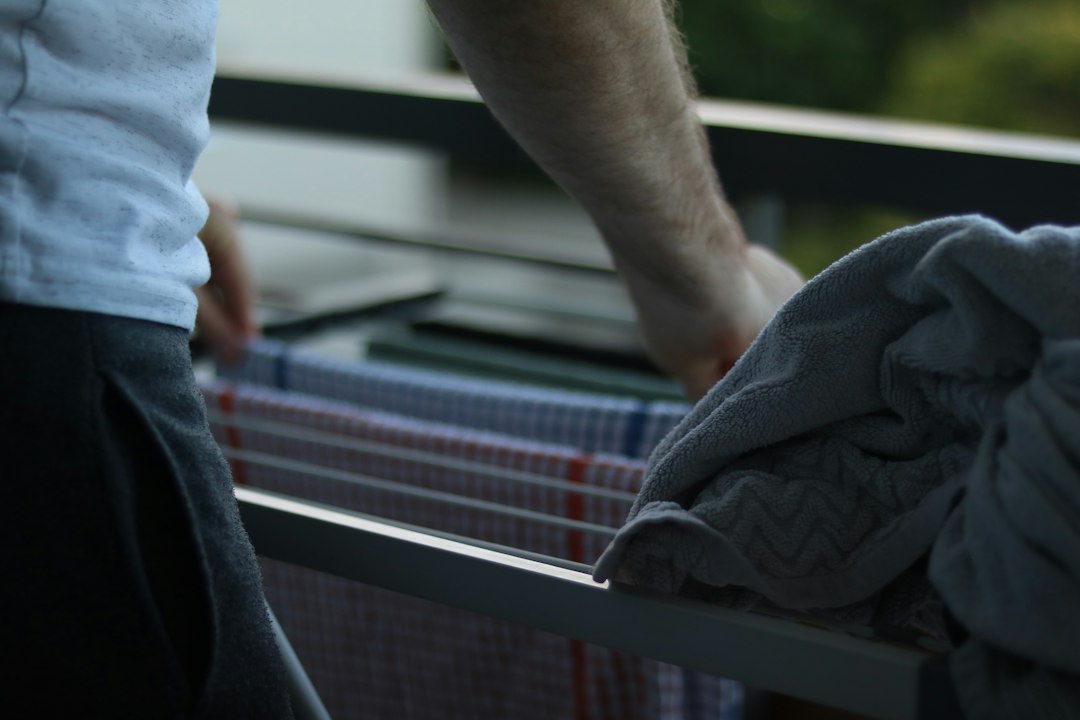
The machine is the headline, but half my protocol costs nothing. A drying rack with a load of laundry in the bedroom or hallway is a humidifier you already own — each load of wet towels releases about a liter of water into the house overnight, no filter changes, no cleaning schedule. Leave the bathroom door open after a shower instead of sucking that steam straight outdoors. And I’m sorry to report that the “plants humidify your bedroom” claim you’ve seen on social media is mostly vibes; you’d need a small jungle to move the number even two points.
One last winter-air upgrade that isn’t air at all: seal the skin you’ve got. Within two minutes of a shower or face-washing, while your skin is still damp, lock the water in with something occlusive — I keep a big tub of Aquaphor by the sink from October through March and my knuckles haven’t cracked since I started the habit. Dry air pulls moisture out; the cheapest counter is giving it less access.

The Whole Protocol on One Index Card
Ten years of Octobers have boiled this down to a card I now hand out with the gym programming:
- Week the furnace wakes up: hygrometer on the nightstand. Watch three nights. No purchases yet.
- Under 35 percent overnight: pick the machine that matches your bedroom size and your honesty about cleaning — evaporative if you want foolproof, ultrasonic if you want silence, warm mist for the sick room.
- Sunday: empty, rinse, dry. Monthly: citric acid descale. Non-negotiable, like brushing your teeth.
- Morning check: meter between 40 and 50, windows dry. If the glass sweats, dial it back.
- Every night: the free stuff — laundry on the rack, shower steam down the hall, cream on damp skin.
Give it two weeks and the changes show up in the places you actually feel: you stop waking up thirsty, the static shocks retire for the season, and your recovery numbers start cooperating again because you’re no longer spending eight hours a night in an invisible desert. It pairs neatly with the nightstand test I run before the clocks fall back, and if you sleep hot on top of sleeping dry, layer it with the cooling kit I build for clients before heating season — cool head, moist air, same ten-dollar meter keeping them honest.
The furnace is going to run for months either way. You get to decide what kind of air it delivers to the room where you spend a third of your life. That’s not a gadget purchase. That’s coaching — for the room itself.