A client set a bottle on my desk last week the way you would set down evidence. Amber plastic, a gold cap, and a front label promising “natural GLP-1 support” in letters bigger than the ingredient list. She had paid forty-two dollars for it at a checkout counter. “My sister-in-law is on the new pill,” she said. “I’m not ready for a prescription. Is this the same thing, just gentler?”
It is a fair question, and I hear some version of it almost every week now. With the holiday eating season about to start and GLP-1 weight-loss pills now on pharmacy shelves, the booster aisle has gone into overdrive. Searches for “natural GLP-1 supplements” keep climbing, and so do the bottles. So my team and I pulled the studies, read the labels, and checked what regulators have been saying. This is what I told her, and what I would tell you over coffee.
The short version: no supplement on the shelf does what a prescription GLP-1 does, and some of the boldest products are not even legal as supplements. But a few ingredients have modest evidence, and a handful of everyday habits genuinely nudge the same hormone your body already makes. Let me show you where the line is.
First, What GLP-1 Actually Is
GLP-1, short for glucagon-like peptide-1, is a hormone your own gut releases after you eat. It tells your pancreas to release insulin when blood sugar rises, slows how fast your stomach empties, and sends a “that’s enough” signal to the appetite centers in your brain.
Here is the detail that matters most for this conversation. The GLP-1 you make naturally is broken down within a couple of minutes. The prescription drugs are engineered to resist that breakdown, so they keep the signal switched on around the clock, at levels far above anything a meal produces. That is the whole trick, and it is why the results in trials are so different from anything food or a capsule can deliver.
In the STEP 1 trial, adults taking weekly semaglutide injections lost an average of about 14.9 percent of their body weight over 68 weeks, compared with 2.4 percent on placebo. In SURMOUNT-1, the highest dose of tirzepatide produced average losses of about 20.9 percent over 72 weeks. Those are not supplement numbers. They are pharmacology numbers.
The New Pill Changed the Conversation
A semaglutide tablet for weight loss arrived in December 2025, and on April 1, 2026, the FDA approved orforglipron, sold as Foundayo, a once-daily GLP-1 tablet that can be taken with or without food. Both are meant for adults with obesity, or adults who are overweight with at least one weight-related health condition, used alongside a reduced-calorie diet and more physical activity. Both are prescription only. Foundayo’s dose starts low and steps up month by month, because the side effects (mostly nausea, constipation, and other stomach trouble) are dose-related. It carries a boxed warning about a rare type of thyroid tumor and is not meant to be combined with another GLP-1 medicine.
Why does that matter for the supplement aisle? Because “a pill” now sounds like “a supplement” to a lot of people, and marketers know it. A capsule that says “GLP-1” next to a picture of a measuring tape looks like a cheaper cousin of a medication. It is not a cousin. It is not even the same family.
What Is Actually Inside a “GLP-1 Booster” Bottle
When my team lined up the most popular products, the same short list of ingredients kept showing up, usually in some combination:
- Berberine, a bitter compound from plants like barberry and goldenseal. It has the most research of anything on the list, and it gets its own section below.
- Chromium, a trace mineral marketed for blood sugar and cravings. The weight-loss effects in studies are small and inconsistent.
- Cinnamon extract, which has mixed results for fasting blood sugar and no convincing evidence for meaningful weight loss.
- Probiotics, including strains like Akkermansia, which are fascinating in the lab and in animal research but far from proven as a weight tool in people.
- Soluble fiber, like glucomannan or psyllium. This is the ingredient I actually respect, because fiber has a clear, boring, reliable job: it slows digestion and helps you feel full.
- Green tea extract, which offers a tiny effect at best, and concentrated extracts have been linked to liver injury in rare cases.
Notice what is missing: GLP-1 itself. It is a peptide that your stomach would digest like any other protein, so it cannot work as a capsule. Any product claiming to “contain GLP-1” is either mislabeled or misleading you.
Berberine, by the Numbers
Berberine is the reason this whole category exists. Social media nicknamed it “nature’s Ozempic,” and that phrase has sold a lot of bottles. So let’s look at the best evidence we have.
A 2026 meta-analysis in the International Journal of Obesity pooled 23 randomized controlled trials. On average, people taking berberine lost a little under one kilogram (about 0.88 kg, or roughly two pounds) more than people in the control groups. That is a real, measurable effect. It is also a small one, and the trials varied a lot in dose, length, and quality.

The National Center for Complementary and Integrative Health summarizes it plainly: there is not enough rigorous evidence to say berberine is effective for weight loss. Berberine also has real downsides. It commonly causes stomach upset, cramping, constipation, or diarrhea. It can interact with medications, including some blood pressure, blood sugar, and blood-thinning drugs, because it affects how the liver processes them. It is considered unsafe during pregnancy and breastfeeding and should never be given to infants.
So is it worthless? No. Is it a natural version of a GLP-1 drug? Also no. It is a modest metabolic supplement with side effects, and it deserves the same respect you would give any active compound.
Six Label Red Flags My Team Watches For
The FDA does not approve dietary supplements before they go on sale, and this year it has sent warning letters to companies marketing berberine and other products with GLP-1 and disease claims. That means you are the quality control. These are the warning signs I teach clients to spot in about ten seconds:
- “Contains GLP-1” or “GLP-1 hormone” on the front. As covered above, it cannot work that way. Put it back.
- Drug comparisons. “Nature’s Ozempic,” “like the shot without the needle,” or a name that sounds like a medication. Supplements are not allowed to claim they treat obesity or diabetes.
- Patches, drops under the tongue, or gels. A 2026 analysis found about two dozen transdermal “natural GLP-1” patches being sold online. Supplements must be taken by mouth by definition, so a patch sold as a supplement is outside the rules entirely, and none of the products reviewed offered a certificate of analysis.
- Proprietary blends. If the label lists a blend total instead of the amount of each ingredient, you cannot tell whether you are getting an effective dose of anything.
- No third-party testing seal. Look for NSF, USP, or a similar independent mark that verifies the bottle contains what it says and nothing it shouldn’t.
- “Clinically proven” with no citation. If a company had a strong trial, it would name it. Dramatic before-and-after photos are not a study.
If You Still Want to Try Berberine
Some clients decide to try it anyway. I respect that, as long as they treat it like an experiment instead of a hope:
Talk to your doctor or pharmacist first. This is not a formality. If you take metformin, insulin, blood pressure medication, a blood thinner, or anything for your heart, berberine can change how those drugs behave. If you are pregnant, breastfeeding, or trying to conceive, skip it.
Pick a tested product with a clear dose. I would rather see a simple single-ingredient capsule like Thorne Berberine-500 from a company that publishes its testing than a “metabolic blend” with twelve ingredients and a cartoon flame on the label.
Set a 12-week stop rule. Write down your starting waist measurement, your weight, and, if your doctor agrees, a fasting blood sugar or A1C. Take it with meals to reduce stomach upset. At twelve weeks, compare. If nothing has moved meaningfully, you have your answer, and you can put that money toward groceries instead.
The Free Ways to Nudge Your Own GLP-1
You already make GLP-1 every time you eat, and certain foods and habits increase that natural response. The effect is gentle, not pharmaceutical, but it comes with a long list of other benefits.
Eat fiber like it’s your job. Fermentable fiber feeds gut bacteria that produce short-chain fatty acids, which in turn stimulate the cells that release GLP-1. Most adults get well under the recommended 25 to 38 grams a day. I wrote about how I rebuilt my own daily fiber stack from scratch, and the core moves are simple: oats, beans, berries, and a spoonful of Viva Naturals Organic Chia Seeds in yogurt. If you are still short, a plain psyllium product like Metamucil Sugar-Free Psyllium Fiber Powder does the same job as the fiber in many booster bottles for a fraction of the price. Increase slowly and drink plenty of water.
Put protein first. Protein is one of the strongest dietary triggers for GLP-1 and the other fullness hormones. Starting a meal with the protein and vegetables, then eating the starch, tends to blunt the blood sugar spike and keeps you satisfied longer. Spreading protein across the day matters too, which is why I keep telling clients to stop saving the chicken for dinner. On busy mornings, a scoop of Isopure Unflavored Whey Protein Isolate stirred into oatmeal gets breakfast to 30 grams without a cooking project.
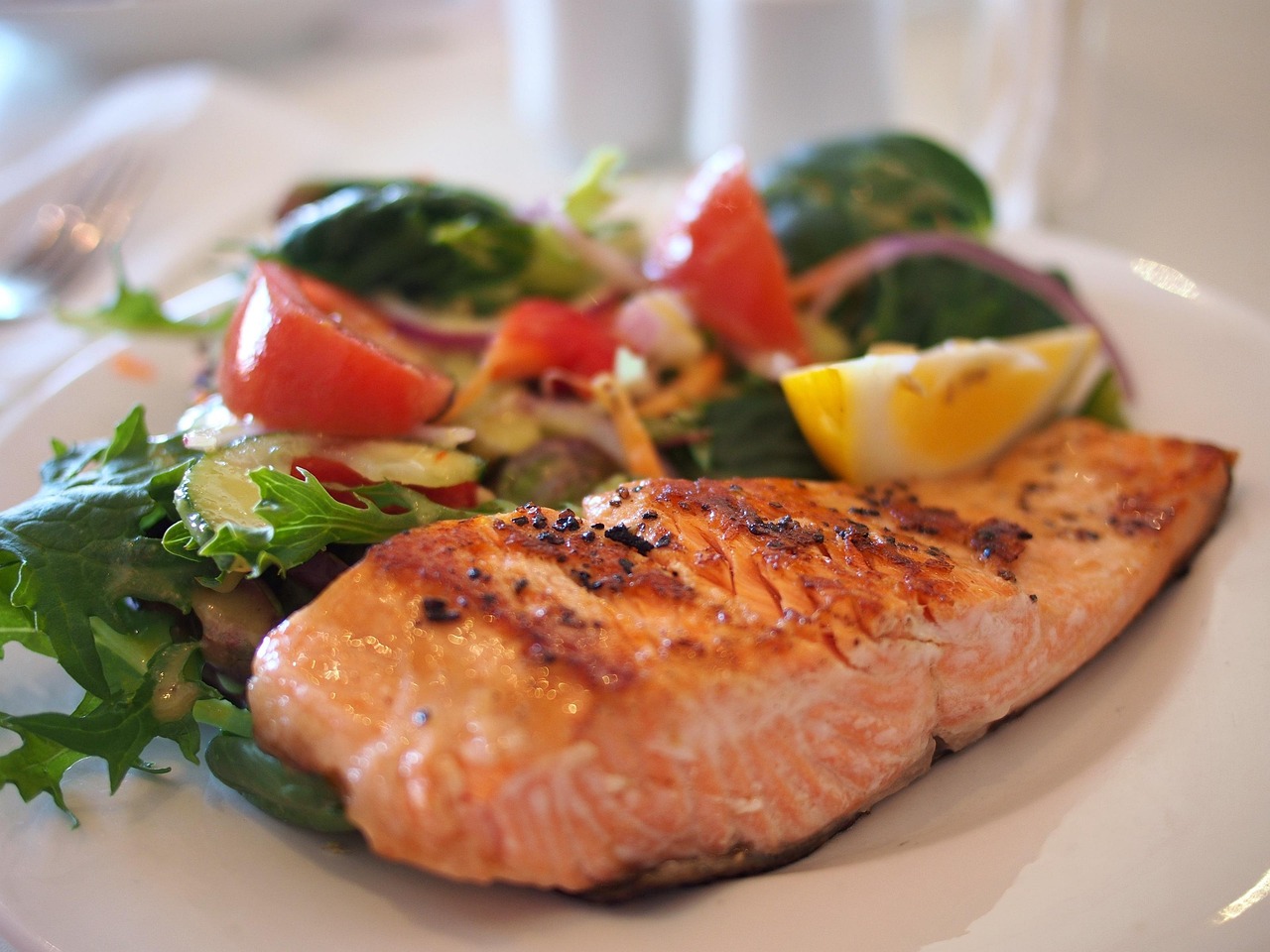
Walk after you eat. Ten to fifteen minutes of easy walking after a meal helps your muscles pull sugar out of your bloodstream, which takes pressure off the whole system. It is the most underrated habit I know, and I explained the ten-minute after-dinner habit that changed my numbers in detail. With the clocks falling back this weekend, a post-dinner loop with a headlamp counts.

Protect your sleep. Short sleep scrambles appetite hormones and makes the next day’s cravings louder. No supplement out-muscles a bad week of sleep.
Make the easy choice the default. A freezer stocked with fiber-and-protein meals beats willpower at 7 p.m. on a Thursday. My friends at our sister home site have a thirty-dinner freezer ritual I have stolen shamelessly. A simple Etekcity Digital Kitchen Food Scale helps you learn what 30 grams of protein actually looks like on a plate, which is an eye-opener for most people.
If You Are On, or Starting, a GLP-1 Medication
Some of you have already decided with your doctor that a prescription is right for you. That is a medical decision, not a moral one, and I am in your corner. My job as a coach is to make sure you keep the muscle you have while the scale goes down.
When appetite drops sharply, people often under-eat protein and stop challenging their muscles, and a meaningful share of the weight lost can come from lean tissue. Muscle is your metabolic engine, your balance, and your independence later in life. So my non-negotiables for clients on these medications are simple: hit your protein target first at every meal, and lift something challenging two or three times a week.

You do not need a gym membership for that. A pair of Bowflex SelectTech 552 Adjustable Dumbbells covers squats, rows, presses, and Romanian deadlifts in a corner of the living room. Start with two full-body sessions a week, add a little weight or a rep each week, and let your doctor know if nausea or fatigue makes training hard. Their dosing schedule and your training schedule should talk to each other.
Measure What Actually Matters
Whatever route you choose, supplement, prescription, or neither, the scale alone will mislead you. Water, salt, and a heavy dinner can swing it several pounds overnight. I want three numbers in your log instead.
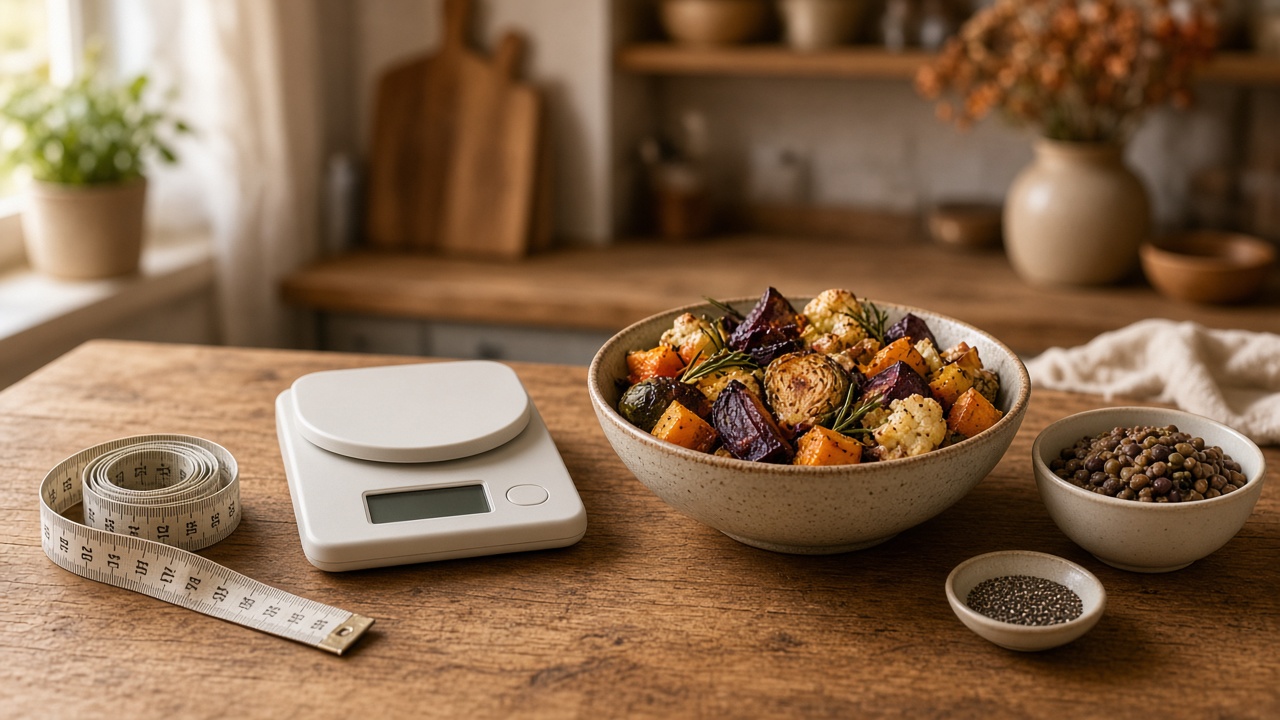
Your waist. A Retractable Body Measuring Tape costs less than a single bottle of boosters, and waist circumference tracks the visceral fat that matters most for metabolic health. Measure at the navel, first thing in the morning, once a week.
Your body composition trend. A RENPHO Smart Body Composition Scale is not lab-accurate, but used at the same time each day it shows the direction of travel, and it helps you notice if you’re losing muscle along with fat.
Your blood sugar, if your doctor wants it. For clients with prediabetes or a family history of diabetes, an A1C from a regular checkup is the gold standard. Some people also learn a lot from a few weeks with a continuous glucose monitor, and our CGM buyer’s guide covers what is worth paying for and what isn’t.
The Short List I Hand Clients
When someone asks what to buy instead of a GLP-1 booster, this is the list I write on the back of my card. Every item does one job well, and none of them promises a miracle:
- For fiber: Metamucil Sugar-Free Psyllium Fiber Powder, the honest version of the “fullness” ingredient in many boosters.
- For protein: Isopure Unflavored Whey Protein Isolate, easy to add to oatmeal, yogurt, or soup.
- For portions: Etekcity Digital Kitchen Food Scale, for two weeks of learning what your plate really holds.
- For muscle: Bowflex SelectTech 552 Adjustable Dumbbells, the one piece of equipment that grows with you.
What I Told My Client
She left the bottle on my desk. Not because I told her to throw it out, but because once she read the label with fresh eyes she saw a proprietary blend, a “GLP-1” claim, and no testing seal. We swapped it for a fiber goal, a protein target, a ten-minute walk after dinner, and two strength sessions a week. She also booked an appointment with her doctor to talk honestly about whether a prescription makes sense for her, which is exactly the right conversation to have with the right person.
That is my advice to you, too. The real GLP-1 medications are powerful tools prescribed by clinicians who can monitor them. The booster aisle is mostly marketing wrapped around a few modest ingredients. And the habits in between, fiber, protein, movement, sleep, and strength, are where your own biology does its quiet best work. Start there, measure honestly, and bring your questions to your doctor. I’ll be cheering you on from the sidelines.