Here is something twenty years of competitive training never taught me: my legs have been lying to me. Not on purpose — they simply report effort the way a gossip reports news, with a delay and a bias. Heart rate, that gold-standard metric I have worn on my chest since my heptathlon days, has the same problem. It lags. It drifts with heat, caffeine, sleep debt, and plain old anxiety. So this summer, when a researcher I work with kept mentioning muscle oxygen monitors — the little infrared sensors that sports scientists have been strapping to elite cyclists for a decade — I finally caved and borrowed a stack of them. My team and I spent six weeks training, testing, and arguing about the data, and I came away convinced this is the most under-appreciated category in consumer fitness tech.
What the Sensor Actually Sees
The technology is called near-infrared spectroscopy, or NIRS, and the principle is beautifully simple. A small pod shines infrared light a couple of centimeters into your working muscle — usually a quad or a calf — and reads how much of that light gets absorbed by oxygenated versus deoxygenated blood. The result is a live number called SmO2, muscle oxygen saturation, expressed as a percentage. When the number plummets during a hard effort, your muscle is burning oxygen faster than your heart can deliver it. When it recovers during rest, your cardiovascular system is catching up. You are essentially watching the supply-and-demand equation of your own body play out in real time, about two seconds at a time.
Unlike heart rate, which is a delayed proxy for what is happening deep in the muscle fibers, SmO2 is the actual event. There is no lag while your nervous system reacts. That single difference changes everything about how you pace intervals, judge recovery, and set your easy-day intensity. It also explains why two athletes with identical heart rates can be having completely different days.

The Devices Worth Knowing About
The consumer field is small, which honestly makes your decision easier. The Moxy Monitor is the science legacy — validated in peer-reviewed studies, broadcast over ANT+, and beloved by cycling and rowing coaches. It runs around a thousand dollars, which is why most of us first meet one clipped to a teammate’s quad rather than buying our own. The Train.Red FYER line from the Netherlands is the modern challenger: lighter, app-connected, and aimed squarely at athletes rather than labs. Then there is NNOXX’s wearable, which wraps muscle oxygen sensing into a more consumer-friendly package with coaching guidance built in. If you want to browse the full category before committing, this search rounds up the current NIRS options.
One thing worth knowing: the big wearable brands are circling this space. Both Whoop and Garmin have filed patents pointing at muscle oxygen features, which tells you where the industry thinks the next five years are headed. Buying a dedicated sensor today means being an early adopter, with all the cost and rough edges that implies.
How We Ran the Test
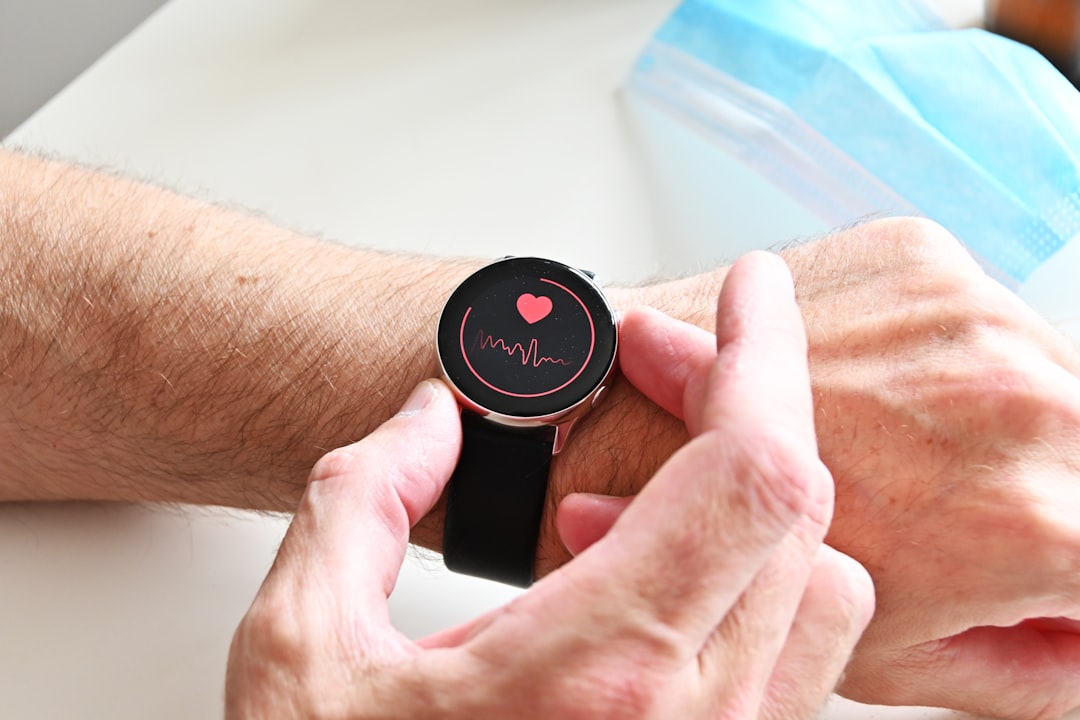
I strapped sensors to my left quad and, on some sessions, my calf, then put my research assistant in charge of the spreadsheets while I did the suffering. We ran the same protocol every Tuesday: a warm-up, five-step ramp intervals on the bike, and a set of four-minute threshold runs. I wore a Garmin HRM 600 chest strap alongside everything so we could compare old-school heart rate against the new signal beat for beat. A Polar H10 joined later as a referee, because if you are going to distrust one heart rate monitor you may as well distrust two.
Placement, we learned quickly, is everything. Slide the sensor two centimeters and the baseline shifts. Adipose tissue, skin pigmentation, even ambient sunlight leaking under the strap can nudge the numbers. The published research on day-to-day repeatability quotes variability of five to ten percentage points even with careful, consistent placement. So we marked my leg with a skin-safe pen and taped the sensor like it was race day, every single session. My assistant may have enjoyed that part more than I did.
Lesson One: My Easy Days Were Sabotaging Me
The first morning of data was humbling. On what I considered a recovery jog — conversational, relaxed, honestly pleasant — my SmO2 was dropping fifteen points below baseline. Translation: my muscles were working aerobically harder than I believed. My heart rate said zone two; my quads said zone three. No wonder my legs felt heavy every Wednesday. Within two weeks of deliberately slowing my easy pace until SmO2 held steady near baseline, the heaviness vanished. This is the exact opposite lesson I wrote about when I stopped staring at my wrist screen — then I learned to listen to my body, but this sensor proved my body’s own reporting needed an editor.

Lesson Two: Intervals by Supply and Demand
Here is where the category earns its price tag. Traditional interval prescriptions say things like “five minutes at threshold” — a number derived from lab tests, formulas, or vibes. Muscle oxygen lets you instead say “push until SmO2 drops below fifteen percent, recover until it climbs back above fifty.” The interval ends when your physiology ends it, not when the clock does. On day one, my five-step ramp showed my true tipping point arrived forty watts earlier than the formula I had been coaching clients with for years. Forty watts! I have been in this field long enough to be embarrassed, and humble enough to be thrilled.
Recovery intervals got the same upgrade. Watching the SmO2 curve climb back toward baseline between hard efforts tells you when your body has actually re armed itself — and on hot days or after poor sleep, that took a full ninety seconds longer than my standard two-minute rest. Heart rate, meanwhile, would claim I was ready a minute early. You can see why coaches who work with AI form-correction tools are equally evangelical about this: both technologies catch what the eyeball and the ticker miss.

Getting the Data in Front of Your Eyes
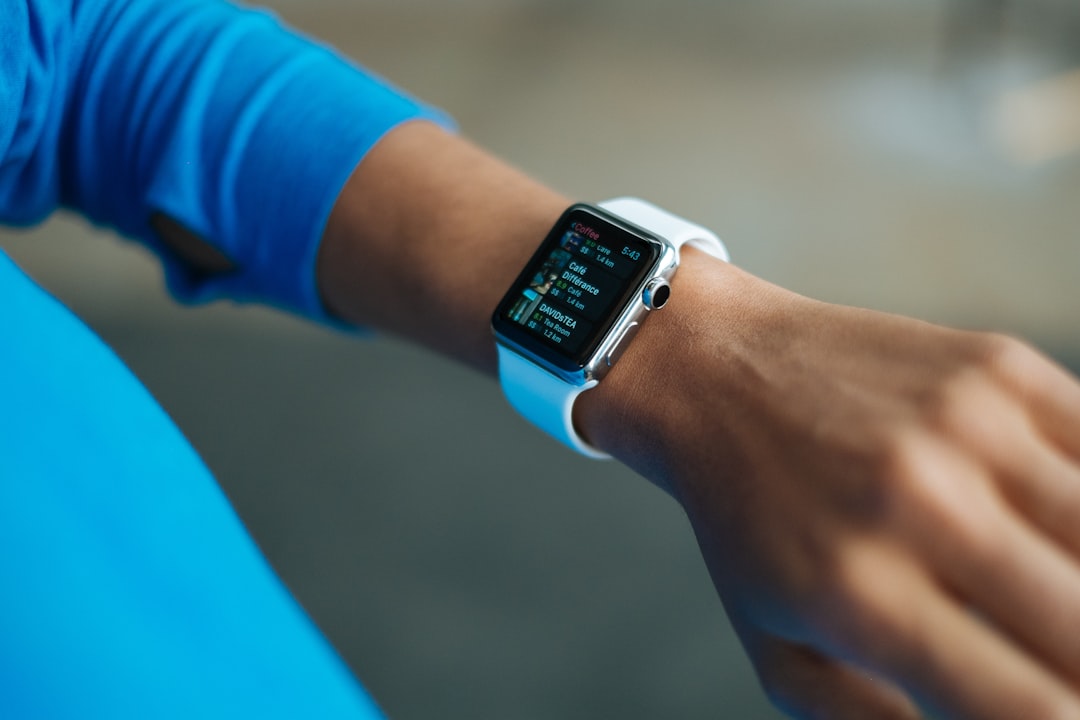
None of this matters if the number lives only in a phone app in your jersey pocket. The good news is that Moxy and Train.Red both broadcast over the ANT+ muscle oxygen profile, which means bike computers and newer sports watches can display SmO2 live. On the bike, a Wahoo ELEMNT Roam made a beautiful field for the live trace, and on the run my Garmin Forerunner 970 displayed muscle oxygen fields alongside pace and heart rate. If you already own a recent head unit, check its sensor menu — you may be surprised what is already supported.

I will confess that adding one more screen to my training life required an attitude adjustment. Readers of my piece on trading fifteen years of watch habits for a smart ring know I have been trying to simplify my dashboard, not complicate it. But unlike step counts, this is a metric that changes decisions mid-workout. It earns its pixels.
The Honest Limitations
Let me be the coach who tells you the whole truth, not just the exciting parts. First, price: the cheapest credible options start near six hundred euros, and the gold standard costs four figures. Second, those placement variables are real. Absolute numbers differ between people, and even between your own legs, so the value is in trends and your own baselines, not in comparing your fifteen percent to a Tour de France rider’s. Third, the research base, while growing fast, is still thinner than the marketing implies — excellent reliability studies exist, but “improved race times” is a claim the literature has not fully cashed yet. It is the same healthy skepticism I brought to spending six hundred dollars on glucose sensors, and the conclusion rhymes: extraordinary data, worthwhile for the right person, unnecessary for everyone.
Who Should Actually Buy One
If you are a competitive cyclist, triathlete, rower, or trail runner chasing marginal gains — and you already have a coach or a structured plan — a muscle oxygen monitor is a legitimately powerful upgrade. If you are a data-curious recreational athlete with a comfortable budget, it will teach you more about your physiology in a month than a decade of heart rate graphs. And if you simply enjoy knowing what is happening under your skin, well, I understand the itch completely.
If a thousand dollars is not in this year’s wellness budget, a wearable overnight pulse oximeter or even a solid fingertip pulse oximeter offers a distant cousin of the insight — blood oxygen trends rather than muscle-level demand — for a fraction of the cost. Different question, same family of curiosity.
The Verdict From My Six Weeks
I returned the borrowed sensors with genuine sadness and immediately started budgeting for my own. In six weeks, the monitor corrected my easy pace, reanchored my interval targets, and gave me the first honest feedback on my recovery that I have ever received mid-workout. That is rare. That is worth writing about at seven in the morning with coffee going cold.

My prediction: within three years, some version of this sensor will live inside the watch or ring you already wear, the way GPS and pulse oximetry migrated from gadgets to defaults. Garmin and Whoop’s patent filings are the tell. But you do not have to wait for the mainstream version to benefit from the insight. Your legs have been keeping secrets. Now there is a light that can read them — and once you see your own physiology playing out in real time, plain old heart rate starts to feel like getting the news a week late.