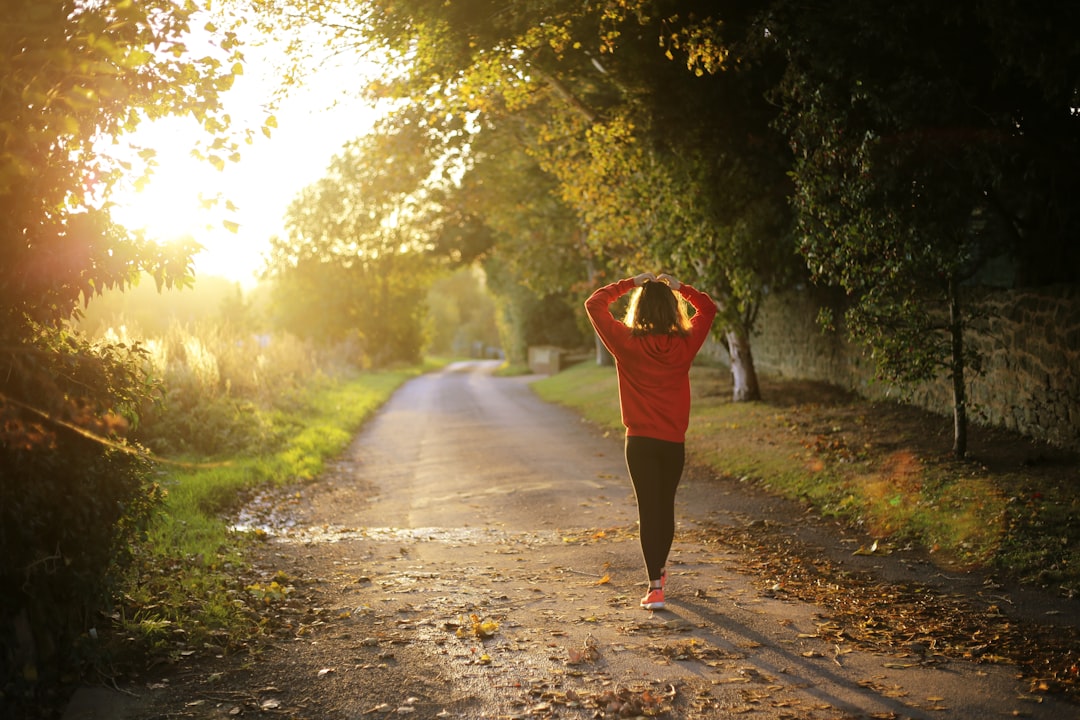
Last Tuesday at seven in the evening, I laced up for my usual neighborhood loop and made it exactly four blocks before I noticed the streetlights flickering on above me. Two months ago, that same run happened under a sky so bright I wore sunglasses. Now I was squinting at cracked sidewalks and dodging shadows I couldn’t quite judge. My training partner laughed when I grumbled about it, but my coaching brain was already doing the math: we are entering the six-week stretch where daylight disappears at roughly two minutes per day, and most people don’t adapt until their routine has already collapsed.
I’ve lived through enough of these transitions — as an athlete, as a coach, as someone who once let a promising fall training block dissolve into a November slump — to treat late August as its own mini-season. Not fall proper. Not summer anymore. A hinge. And the clients who plan for the hinge always come out ahead of the ones who wait for the clocks to change and panic in the dark.
So this is the playbook my team and I hand out every year around now: the light strategy, the dark-training safety kit, the wardrobe logic, and the evening anchors that keep the whole thing from unraveling. It’s equal parts circadian science and hard-won field notes, and it works whether you run, lift, walk, or just refuse to hibernate until March.
The Two-Minute Tax Nobody Budgets For
Here’s the part that surprises people: the daylight loss isn’t gradual in the way it feels. Around the equinox, most of the United States sheds somewhere between two and three minutes of daylight every single day. That’s nearly twenty minutes gone by the end of a single work week — enough that the 6 p.m. run you’ve done all summer suddenly happens in dusk, and the 6 a.m. session starts in full darkness.
Your body notices before your calendar does. Late-August and September are prime season for a cluster of vague complaints I hear every year: workouts feel harder, appetites drift toward comfort food, sleep gets looser, and motivation develops a mysterious leak. None of that is a character flaw. Your circadian rhythm runs on light input, and the input is being dialed down daily. Melatonin creeps earlier, core body temperature timing shifts, and that 4 p.m. fog that used to hit in October starts arriving in mid-September.
The fix isn’t willpower. It’s treating light, sleep, and training schedule as one system you deliberately re-anchor — starting now, not after the first cold, dark Monday beats you to the alarm clock.
Moving Your Mornings Without Hating Them
If summer let you train at 7 a.m. in sunshine, September is going to ask you to train at 7 a.m. in the dark, and November will ask for headlights. You have two options: slide your session later (harder than it sounds once school pickups and early meetings multiply) or move your wake time forward in small increments before you actually need to. I start shifting clients 10 to 15 minutes earlier every few days in late August, so by the time the sun bails on them, their body is already awake and waiting.
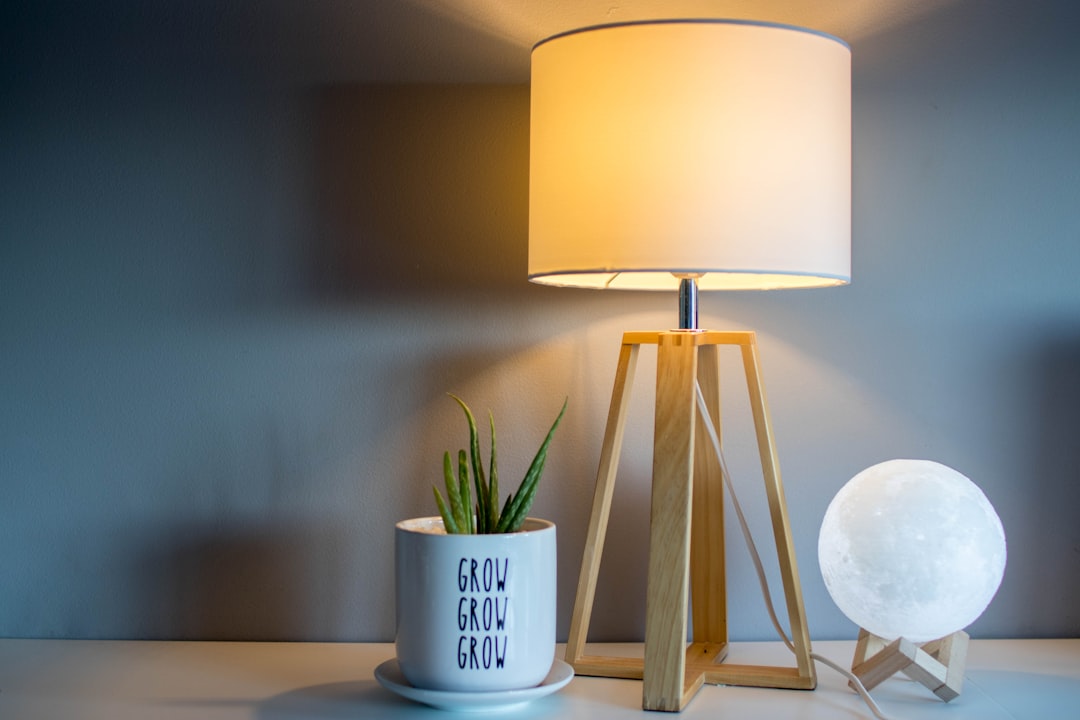
The single best purchase for this transition, in my not-so-humble opinion after years of experimenting, is a sunrise alarm clock. Instead of a buzzer detonating in a pitch-black room, you get a light that ramps up over 20 to 30 minutes and pulls you toward the surface gently. My current bedside favorite is the REACHER wood-grain sunrise alarm, which doubles as a sound machine and doesn’t look like a gadget prop from a sci-fi movie. If you want something with more bells and whistles — dual alarms for partners, FM radio, a frankly excessive color palette — the JALL full-screen wake-up light has been the crowd-pleaser among my coaching groups.
One caution from the field: a sunrise light helps you wake, but it is not bright enough to fully anchor your circadian clock. That job belongs to actual daylight or a proper light box, which is the next play entirely.

Light First, Coffee Second
Every fall, I rerun the same experiment on myself: ten minutes of outdoor morning light before anything else, even on overcast days, and my energy and mood hold steady through the transition. Skip it for a week, and I turn into a person my family describes, charitably, as “seasonal.” The dose that matters comes through your eyes — outdoor light even on a gray morning runs 1,000 to 10,000 lux, while your kitchen ceiling contributes a sleepy 200 to 500. On the genuinely dark mornings, I keep a 10,000-lux therapy lamp on my kitchen counter and eat breakfast next to it like a lizard on a rock. The Verilux HappyLight Lucent is the one that survived my counter clutter and my cat; one button, no fuss, UV-free.
Timing matters more than duration. Light within the first hour or two of waking advances your clock in the direction you want; the same light at 9 p.m. does the opposite. My rule for clients is simple: daylight or lamp before your second cup of coffee, screens dimmed after dinner. You’re not doing anything exotic. You’re just winning the argument with a brain stem that thinks it’s winter.
The Vitamin D Chapter You Can’t Outrun
Less daylight also means less UV on your skin, which means your vitamin D production starts its annual slide weeks before the weather turns cold. I get bloodwork done each September and the pattern is predictable. Rather than guess, I top up with a D3-plus-K2 combo through the darker months — K2 because it helps direct calcium toward bones rather than soft tissue, and D3 because it’s the form your body actually makes from sunlight. Micro Ingredients makes the high-potency version I use during deep winter, while the Sports Research plant-gel formula is my suggestion for anyone who avoids softgels. Talk to your own doctor about dosing, but don’t pretend the sun going offline doesn’t change the equation.

Training in the Dark Without Becoming a Statistic
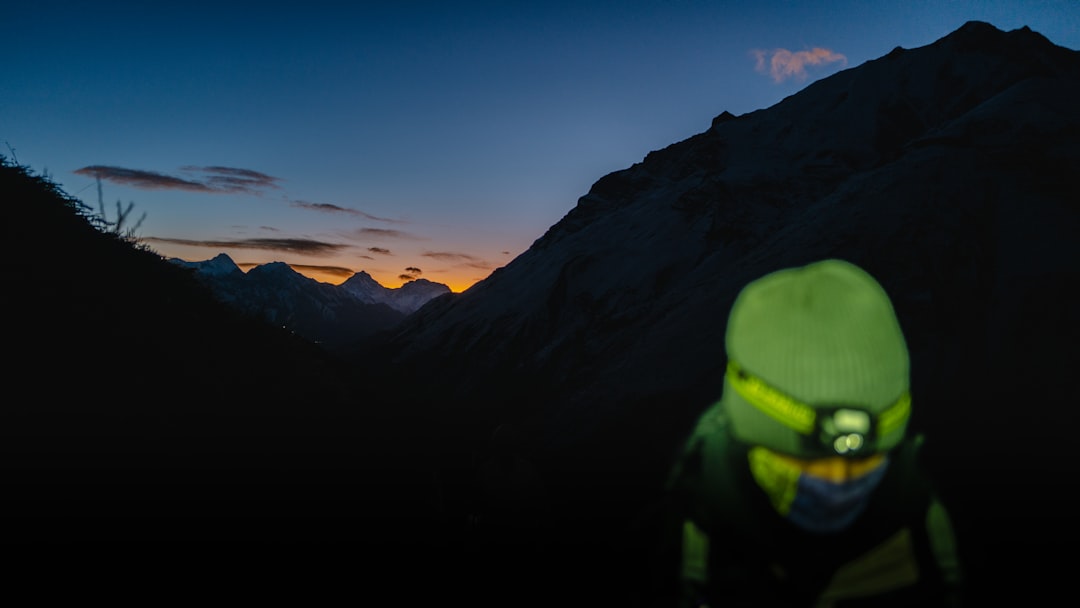
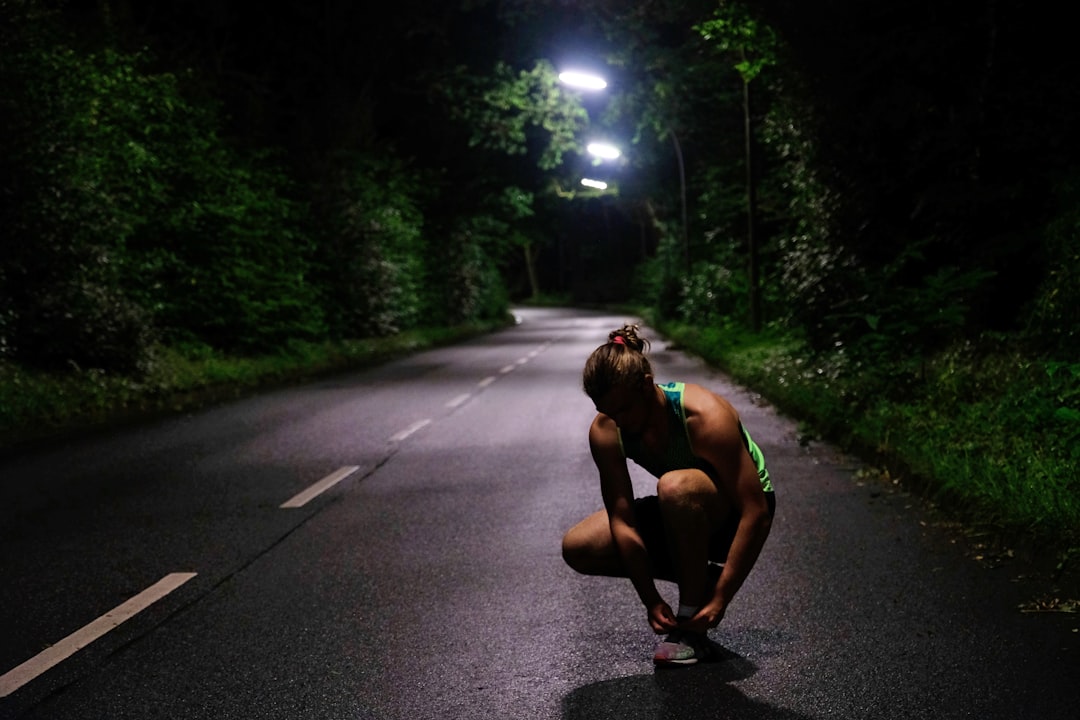
Now the part I’m strict about, because I’ve had two close calls in twenty years of early mornings and that’s two too many. If you’re moving your workouts into darkness — dawn or dusk — you need to be seen from a long way off, and you need to see the ground in front of you. Both. Not one or the other.
For seeing, a good headlamp with a rechargeable battery and a red rear flasher has become non-negotiable gear in my running group. The LHKNL rechargeable headlamp is the one I keep in my gym bag because the beam angle actually covers sidewalk seams and roots rather than a spot three feet ahead. For being seen, an LED reflective vest beats clip-on lights and stick-on strips by a mile — drivers identify a moving human shape instead of a floating dot. I’ve watched enough dawn traffic from my coaching vantage point to say this with confidence: the runners in light-up vests get whole lanes of respect, and the ones in gray hoodies get close calls.
If you want a single do-everything piece, my team tested a hybrid this summer that combines a 500-lumen chest light with a 360-degree reflective band in one unit, and it has quietly earned permanent spots in three of my athletes’ kits. It solves the headlamp bounce problem and the visibility problem in one purchase, which is exactly the kind of consolidation I love during a season that’s already complicated enough.
The Visibility Kit I Keep by the Door
Here’s the exact setup I recommend to anyone training through the darker half of the year, assembled after years of trial, error, and one memorable tumble over a curb I never saw:
- A rechargeable headlamp with adjustable angle — worn even on streets with streetlights, because potholes don’t care about infrastructure budgets.
- An LED or 360-degree reflective vest that turns you into an unmistakable human silhouette from 400 meters out.
- Reflective details on shoes and sleeves, because motion catches driver attention better than a static patch on your torso.
- A route rotation you know by heart — dark mornings are not the time to explore that new trail with the sketchy footing.
Dressing for Thirty Degrees of Swings
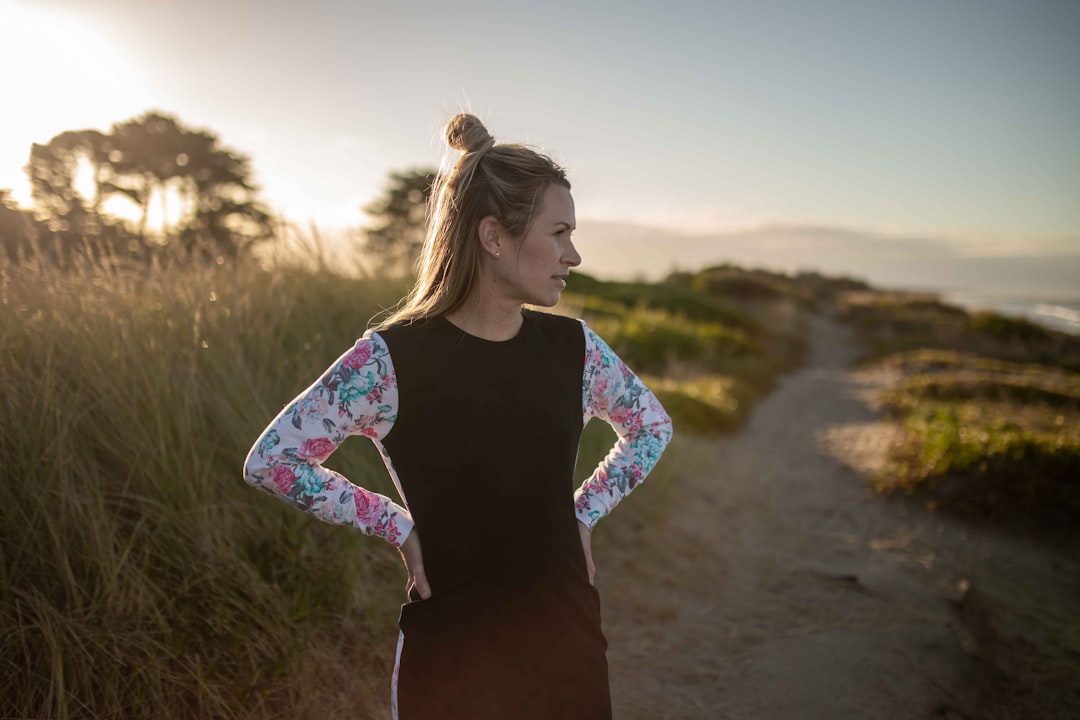
Fall’s cruel trick is the temperature spread: you leave the house at 48 degrees and finish your session in 65, or you start comfortable and get hit by a wind that wasn’t in the forecast. The answer is the same one Nordic skiers figured out generations ago — merino wool against your skin. It regulates temperature across that whole range, holds warmth even damp with sweat, and resists the aroma situation that synthetic base layers develop by week three. I pack mine from late September through April.
The men’s 100% merino sets I recommend to my coaching clients come in a 250-weight that handles genuine cold and a 165-weight that’s ideal for that in-between weather where a jacket is too much and a shirt is a gamble. For women, the Merino.tech midweight set is the one that gets reordered year after year in my community — the fit works under running tights and everyday clothes alike. Buy it once, treat it gently, and it outlives five fast-fashion layers.
Guarding the Evening: Where Fall Routines Go to Die
Mornings get all the attention, but evenings are where the transition actually eats people. Darkness arrives earlier, dinner shifts earlier with it, and suddenly it’s 8:30 p.m. and you’re deep in a screen with the brightness of a summer noon. That light at night pushes your sleep window later while your alarm holds firm, and you start every day in deficit.
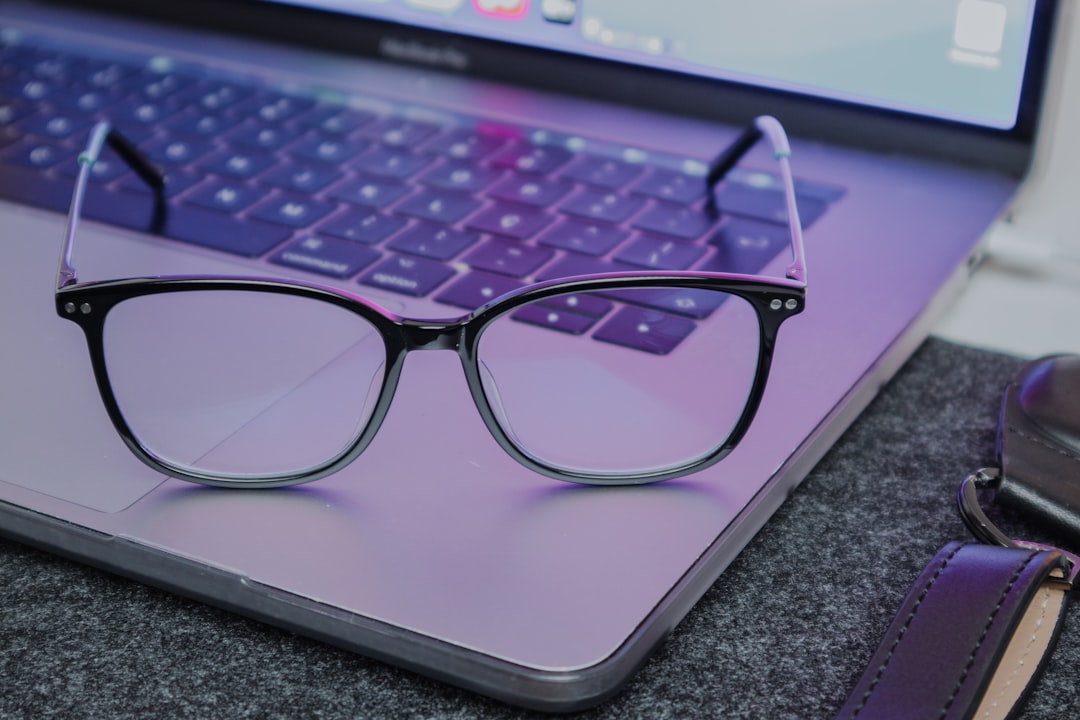
My countermeasure stack is embarrassingly simple. Screens dim or off in the last hour — and when that’s not realistic, blue-light filtering glasses take the edge off. The Gaoye pair I keep on my nightstand costs less than a pizza and has survived being sat on, which is the real durability standard in my house. If you want the deeper dive on the bedroom side of the equation, I wrote a full piece on how I fixed my summer sleep environment, and every principle transfers to fall.
Beyond eyewear, the anchors matter: same rough wind-down time, same last drink of water cutoff, same ten minutes of stretching or reading that tells your nervous system the day is over. I spelled out the whole framework in my article on the boring habits that outperformed every wellness gadget I tested this year, and I’ll stand by it through any season. Boring is durable. Boring survives November.
Your Six-Week Countdown
If you want the whole plan compressed into something you can act on this week, here’s how I pace it with my clients, counted backward from the time change in early November:
- Weeks six to four out (roughly now): Shift wake time 10 to 15 minutes earlier every few days. Get outdoor morning light daily, or sit with a 10,000-lux lamp at breakfast. Order your visibility gear before you actually need it at 6:30 p.m. some Tuesday.
- Weeks three to two out: Lock the new schedule through weekends — sleeping in more than an hour on Saturday undoes the whole drift. Start your vitamin D routine if you and your doctor agree it makes sense — the Sports Research plant-gel D3-K2 is an easy one to travel with. Test your headlamp and vest on a familiar loop.
- Final week: Treat the clock change like a race you tapered for. Alarm set, lights staged by the door, layers laid out the night before, evening wind-down protected like a meeting with your most important client — because that’s what your future self is.
And if you’re rebuilding rather than maintaining, late August is still a genuinely underrated launch window — I made the full case in my August reset piece, and the logic only strengthens as the season turns. Families juggling school chaos have their own version of this rhythm, and I wrote about how we turned ours into our fittest season yet.
The sky is going to steal two minutes from you tomorrow, and two more the day after. You can’t stop it. You can be the person whose routine was ready for it — lights staged, clock re-anchored, layers packed — while everyone else waits for January and a gym membership they’ll use four times. Fall doesn’t end training seasons. Unprepared transitions do. See you out there in the dark, glowing like the responsible menace you are.




One comment on “The Light Exit Strategy: How I Train Through the Six Weeks When Daylight Disappears”