There’s a specific kind of quiet that comes over a room when you finally cancel a subscription you’ve been paying for three years. My phone screen glowed on the kitchen counter, my finger hovered, and my inner competitor — the one who nearly made an Olympic heptathlon team and has never met a sunk cost she liked — whispered, “Are you sure?” I was. The Garmin CIRQA had been living on my left wrist for six weeks by that morning, and it had quietly made my Whoop membership obsolete.
I didn’t expect this. When Garmin announced its first screenless band back in July, I flagged it for my team’s testing queue with a polite shrug. Garmin makes wonderful watches, but a fabric-loop band with no display, no buttons, and a $199 price tag? That’s Whoop’s turf and Fitbit’s new playground with the Air. The screenless category already had a moment this summer — I wrote about trading my watch screen for body awareness back in July — and I genuinely wondered whether Garmin was showing up late to a party already in full swing.
Six weeks later, the CIRQA hasn’t left my wrist. Here’s what it does, where it stumbled, and why the subscription-free model changes the math more than I predicted.
What Garmin Actually Built
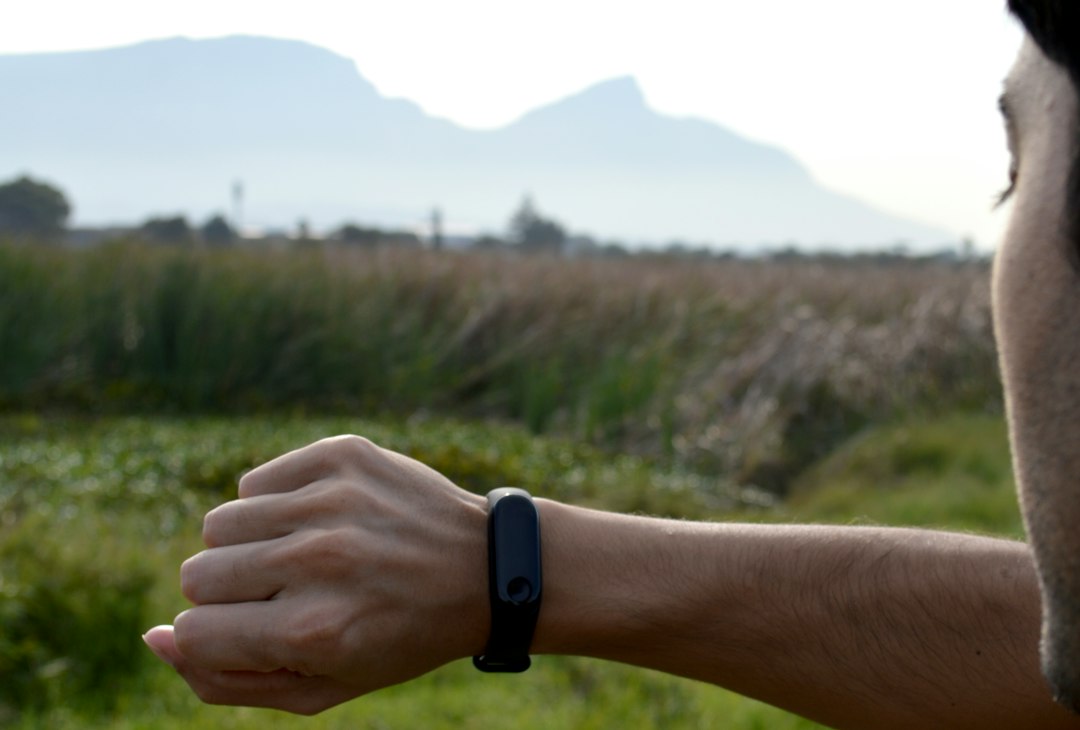
The CIRQA is a slim puck of sensors wrapped in a stretchy fabric band, and it looks almost exactly like its rivals until you dig into the details. There’s no screen, no haptic chirp for notifications, nothing to glance at. You just wear it. Under the hood sits Garmin’s Gen 4 optical heart rate array with a skin temperature sensor, and the whole thing logs sleep, HRV, resting heart rate, stress, blood oxygen, VO2 max estimates, and — the headline act — a full training readiness and recovery suite in Garmin Connect.
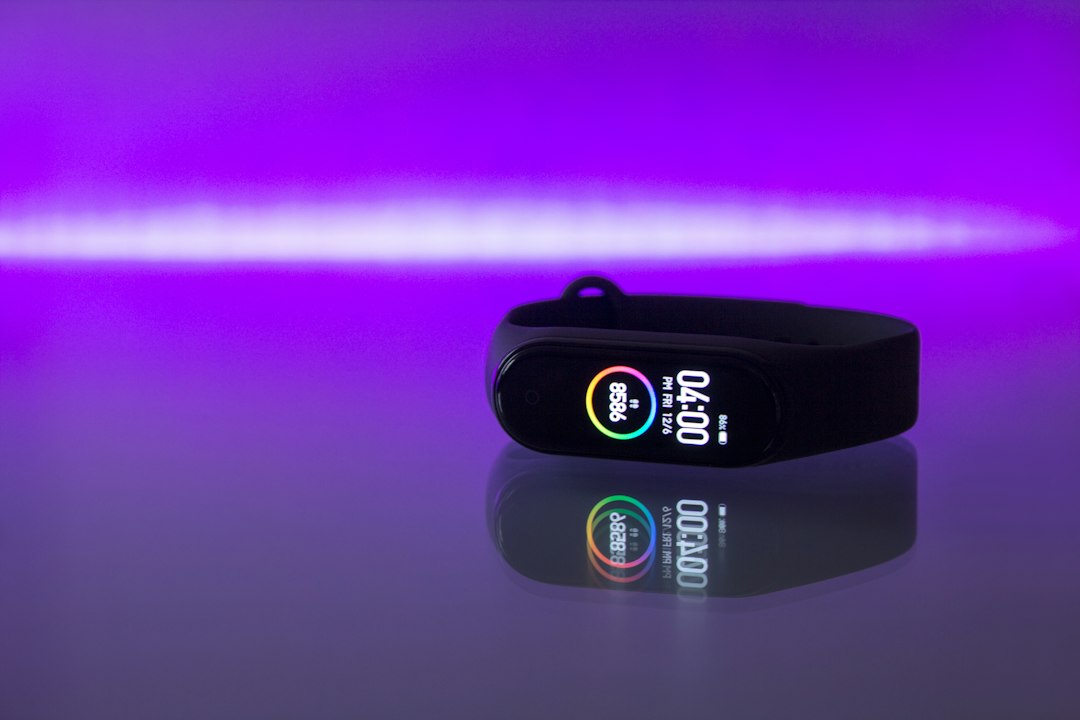
Comfort is the part nobody reviews properly, so my team kept notes. The sensor housing sits about half an inch proud of the wrist, and yes, you feel it the first night — I won’t pretend otherwise. By night three I’d stopped noticing it, and the fabric loop never gave me the hot-spot irritation I get from silicone straps in August humidity. It survives showers, sweaty track sessions, and a rogue wave at the lake, though Garmin suggests rinsing it after swimming in chlorinated water. Treat the band like a training tool rather than jewelry and it disappears on your arm.
The price is the quiet revolution here: $199 once, forever. No annual fee, no membership tier, no “your insights are locked until you resubscribe” hostage situation. If you want to grab one, current CIRQA pricing and colors are here. Compare that to Whoop’s model, where the hardware is essentially a freebie attached to a recurring bill — the Whoop Peak with its 12-month membership runs around $350 for year one and keeps billing after that. Six weeks in, the arithmetic already made my decision for me.
The Accuracy Question: Intervals, a Chest Strap, and Humility
I’ve been burned by wrist optical sensors before. Last summer I spent a month running dual heart rate streams — wrist tracker on one arm, chest strap on the other — and the gap between them hit forty beats per minute during hard efforts. So when the CIRQA arrived, my trusty Polar H10 came out of the drawer for a rematch. If you want a gold-standard reference for your own testing, the Polar H10 chest strap remains the coach’s benchmark.

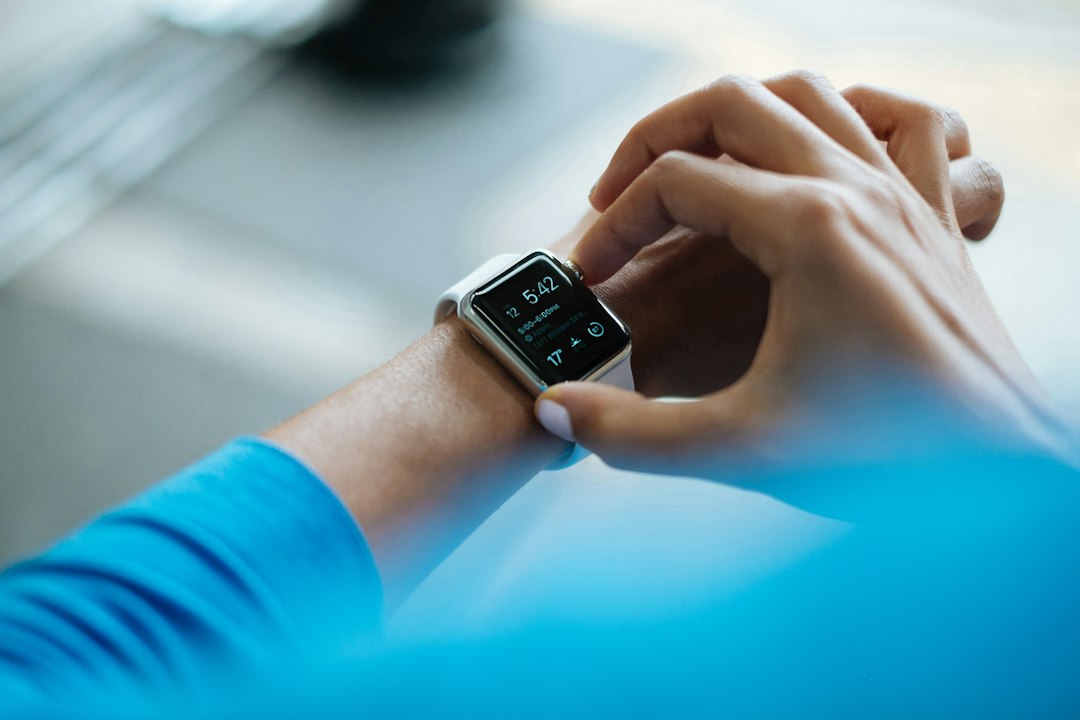
On steady-state work — tempo runs, zone 2 cycling, long walks with my YMCA group — the CIRQA tracked the H10 within a couple of beats almost the entire time. During 400-meter repeats, it lagged the strap by a realistic margin on the first rep and settled beautifully by the second. Where it wobbled was the classic scenario: wrist flexion under load. Kettlebell cleans, farmer’s carries, push-up finishes. Whenever my wrist creased hard, the optical reading drifted low — the same physics problem every wrist sensor fights.
That flaw comes with a fix, and it’s the reason my accuracy complaints faded. More on that in a minute.
Sleep and HRV Data That Survived My Skepticism
The reason I wore Whoop for three years was never the band; it was the morning recovery score. Garmin now delivers the same style of overnight HRV, sleep staging, and readiness guidance through Garmin Connect, and after comparing two weeks of side-by-side mornings, the numbers agreed with each other far more than they disagreed. Sleep staging on the CIRQA caught my notorious 3 a.m. wake-ups — the ones every perimenopausal client I coach asks me about — with almost annoying consistency.

Skin temperature trending is included too, which is the feature my women’s-health readers keep asking about. It’s wellness-grade, not medical-grade — I say that plainly — but watching my temp curve shift across a cycle is genuinely useful context. For readers who want the deeper dive into hormone-aware tracking, my season with the hormone-aware wearables covered that emerging corner of the market.
Ten Days of Battery Changed My Charging Habits
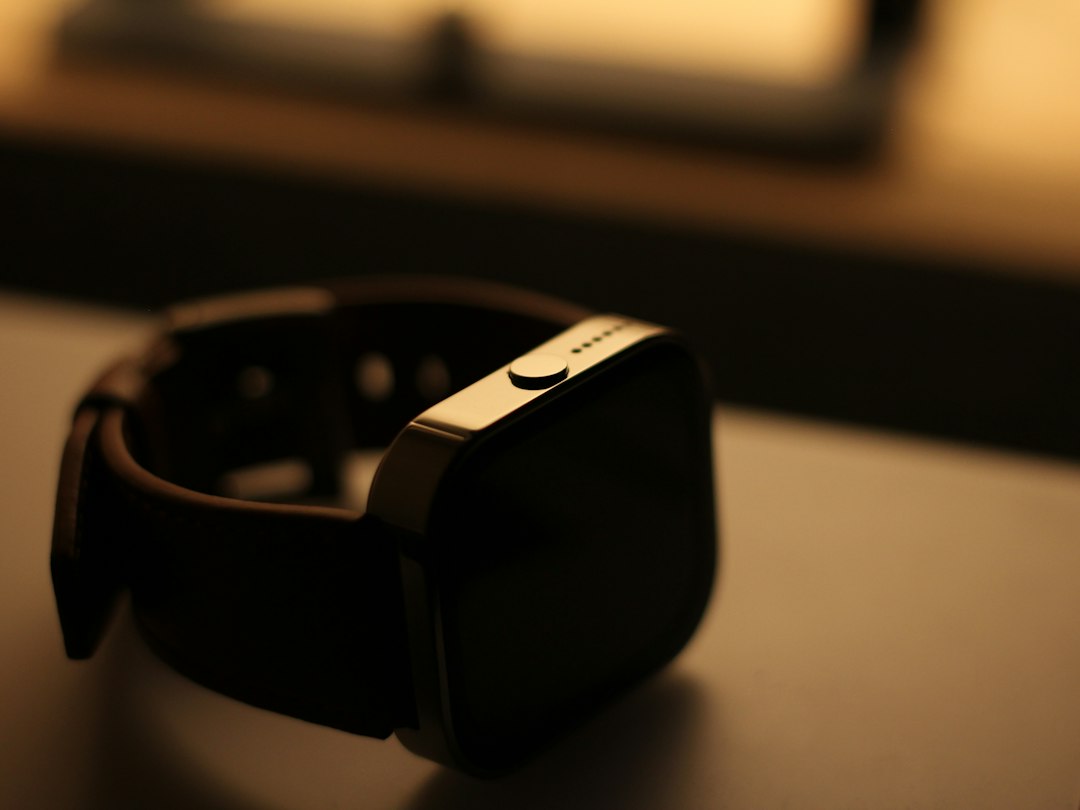
Garmin claims up to ten days per charge, and my unit delivered eight to nine with continuous overnight tracking — roughly triple what my old screenless band managed. There’s a strange psychological benefit here that I didn’t anticipate: charging stops being a daily chore and becomes a Sunday-morning ritual, sixty minutes with my coffee while the band tops off next to my phone. One cable, once a week, done.
The Bicep Trick Nobody Mentions on the Box
Here’s the feature that turned me from tester to fan. The CIRQA can be worn on your upper arm, not just your wrist — and Garmin’s own documentation quietly admits the bicep position improves heart rate accuracy during certain workouts. They’re right. Wearing it high on my bicep erased most of the wrist-flexion drift during lifting sessions, because the sensor sits against a flatter, better-perfused patch of arm that doesn’t crease.
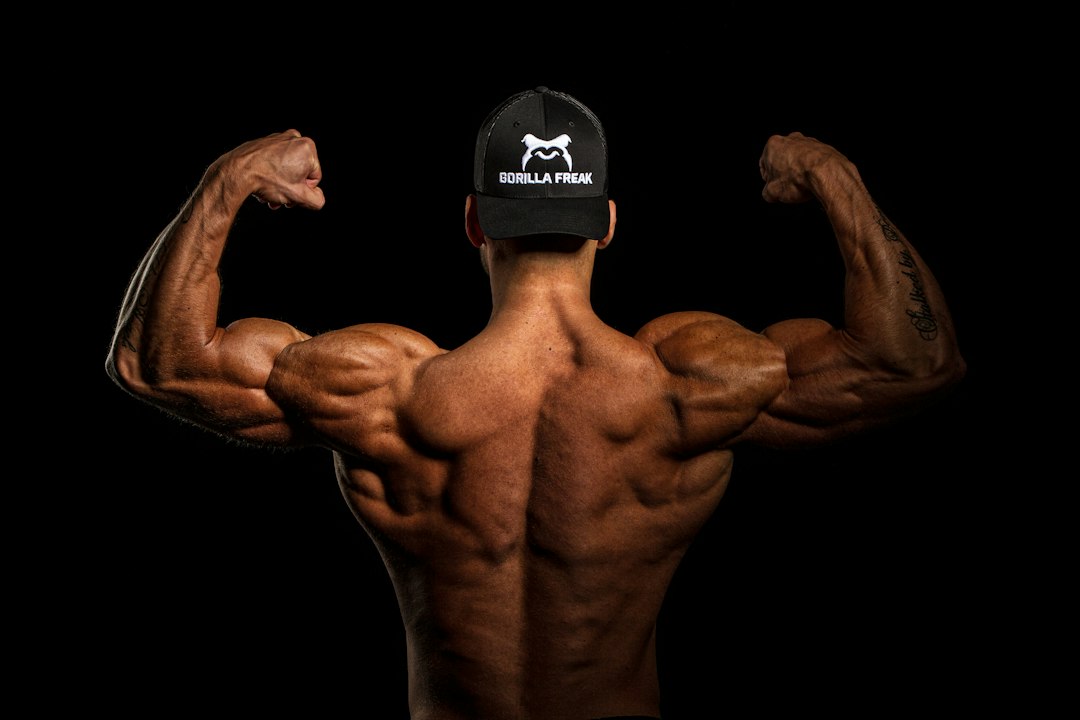
The stock fabric band handles the bicep position fine for smaller arms, but if you’ve got lifting-season arms, a dedicated adjustable arm strap is a worthwhile upgrade. My team tested two: the nylon bicep band built specifically for the CIRQA and the Arsfit elastic upper-arm strap. Both held steady through burpees, rope climbs, and a very sweaty August. Total accuracy fix for under thirty dollars — that’s the kind of math my coaching brain loves.
Why does the upper arm outperform the wrist? Blood perfusion. The inside of your bicep carries a steady, well-supported blood supply and stays put during gripping exercises, while your wrist is a festival of tendons flexing under a tight band. When my athletes complain that their tracker “hates lifting day,” the sensor is usually just being strangled mid-read. Moving the pod six inches up the arm solves most of it, and Garmin gets credit for designing the pairing to support the position officially rather than pretending it’s a hack.
Living Inside Garmin Connect Every Morning
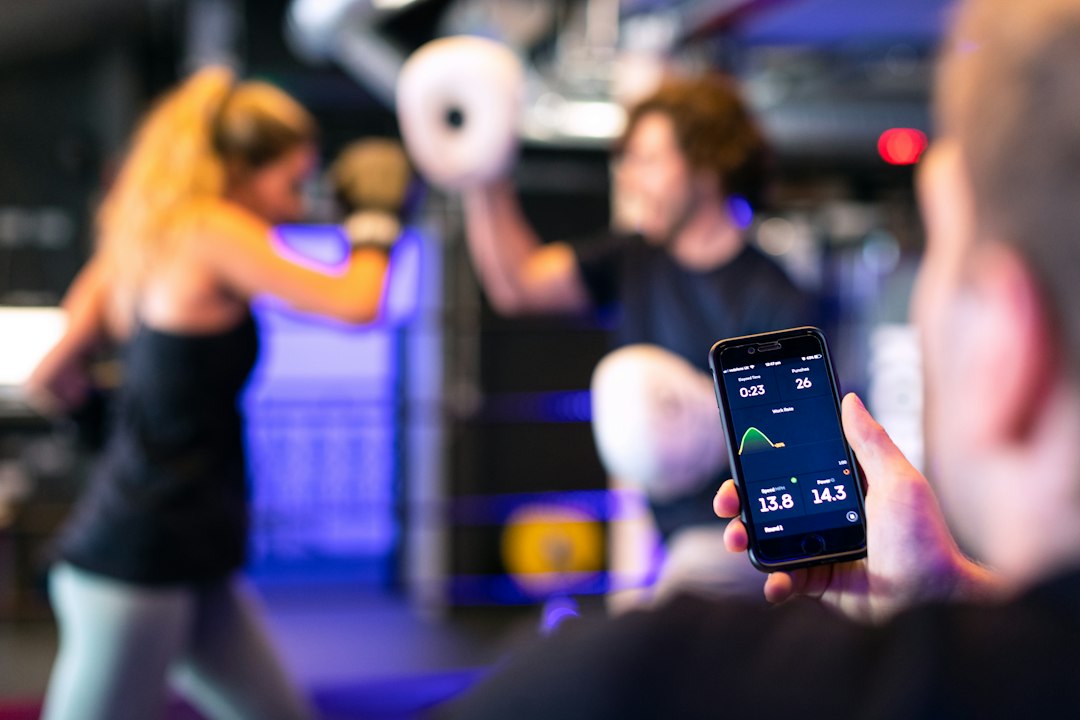
The band is only half the product; the app is where you live. Garmin Connect dumps a genuinely deep lake of data: training readiness, sleep score, HRV status, training load focus, VO2 max trend. My morning ritual became band-sync, coffee, five minutes of review before my first client session. The readiness score blends sleep, recovery history, and acute training load — the same philosophy driving the score Apple just added to the Series 12, a shift I covered in the readiness wars piece last month.
One honest caveat: the experience is richest if you’re already in the Garmin ecosystem. The CIRQA pairs beautifully as a silent data companion to a watch like the Forerunner 265, handing you the screen when you want it and pure recovery tracking when you don’t. If you live entirely outside Garmin’s world, the app learning curve is real. It took my less techy clients a week to stop feeling lost in the menus. Two features softened that curve fast, though: customizable morning briefings that surface only the three metrics you care about, and weekly summaries that read like a coach’s note rather than a spreadsheet. Once my clients set those up, the overwhelm vanished — and the data started changing actual decisions, like moving a hard session a day later when recovery ran low.
How the Alternatives Stack Up
The screenless lane is suddenly crowded, and every option trades something. The Google Fitbit Air is the friendliest entry point with the cleanest app, though its deeper insights sit behind a Premium subscription. The Amazfit Helio Strap undercuts everyone on price and delivers solid sleep data with a sparser training brain. And the ring form factor still suits people who hate anything on their wrists — the Oura Ring 4 remains the polished choice there, again with a membership attached.
The CIRQA’s pitch is the only one that reads: pay once, train forever, and get genuinely deep recovery analytics with no recurring bill. That pitch won me over. It won’t win everyone — if you want AI coaching conversations or menstrual-cycle-specific insights, Whoop’s Peak membership ecosystem still goes further there — but for training-focused adults, the value gap is now enormous.
Who This Band Belongs On
If you’re a runner, lifter, or hybrid athlete who wants recovery data without a screen nagging your wrist or a subscription nagging your bank account, this is the band I’d put on you first. If you’re new to training and mostly want gentle nudges and stress tracking, the Fitbit Air will feel friendlier. And if your watch already makes you happy, pair the CIRQA with it rather than replacing it — that’s my current setup, and it’s the best of both worlds.

My Whoop cancellation email sits in my archive folder like a little trophy. Three years of monthly fees, retired by a $199 band that does the jobs I actually used. That’s not nostalgia talking — that’s a coach who checks the data every morning and finally likes what she sees. Pay once, wear it everywhere, keep the change. Sometimes the quietest device in the room wins.