
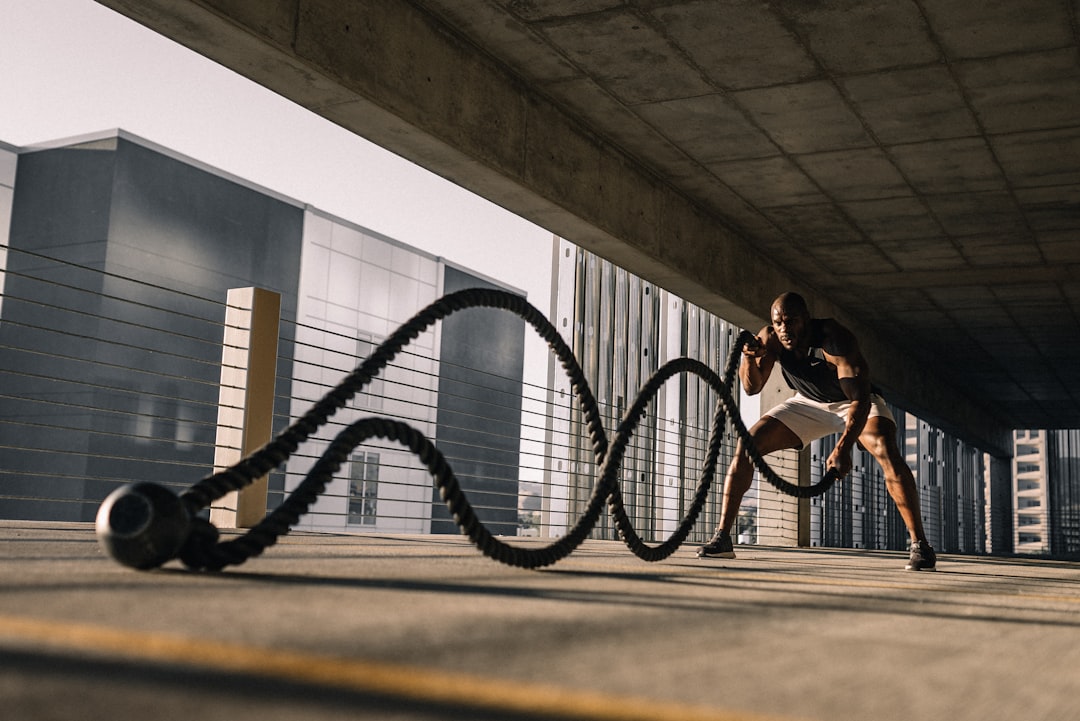
There’s a specific moment I replay for every athlete who asks me whether their watch is good enough for heart rate training. It’s 6:14 on a Tuesday morning, I’m ninety seconds into the third round of rope slams, and I glance at my wrist: 132 beats per minute. Meanwhile, the elastic band strapped around my chest says 174. One of them is lying, and my legs already know which one.
That gap — forty-two beats at the exact moment the data mattered most — is what kicked off a month-long experiment my team and I now call the dual-wear project. Every workout, one chest strap, one wrist optical, two datasets, side by side. What we found changed how I program intervals for my clients, and it might just change how you train.
Why Your Watch Loses the Plot Exactly When You Need It
Wrist-based trackers use photoplethysmography — a light that measures blood flow pulses under your skin. It’s genuinely clever technology, and during steady efforts like an easy jog or a walk, it performs remarkably well. The trouble starts when your effort does.
Three things conspire against wrist optics during hard training. First, motion artifacts: repetitive arm movement floods the sensor with noise. Second, forearm tension — the moment you grip a barbell, rope, or handlebar, the flexed muscles and reduced blood flow in your wrist corrupt the reading. Third, and this is the one researchers keep flagging, optical accuracy degrades badly at higher intensities; above roughly 150 beats per minute, wrist sensors routinely drift or lag behind rapid heart rate climbs, exactly like the spikes and drops of interval work.
When my team tallied a full month of side-by-side data, the pattern was embarrassingly consistent. During steady Zone 2 work, watch and strap agreed within a handful of beats. During HIIT? The watch averaged twenty to forty beats off at the peaks, and worse, it was slow — reading “recovered” while my heart was still hammering through the roof of the target zone. If you’re making decisions based on that lag, you’re training to fiction.
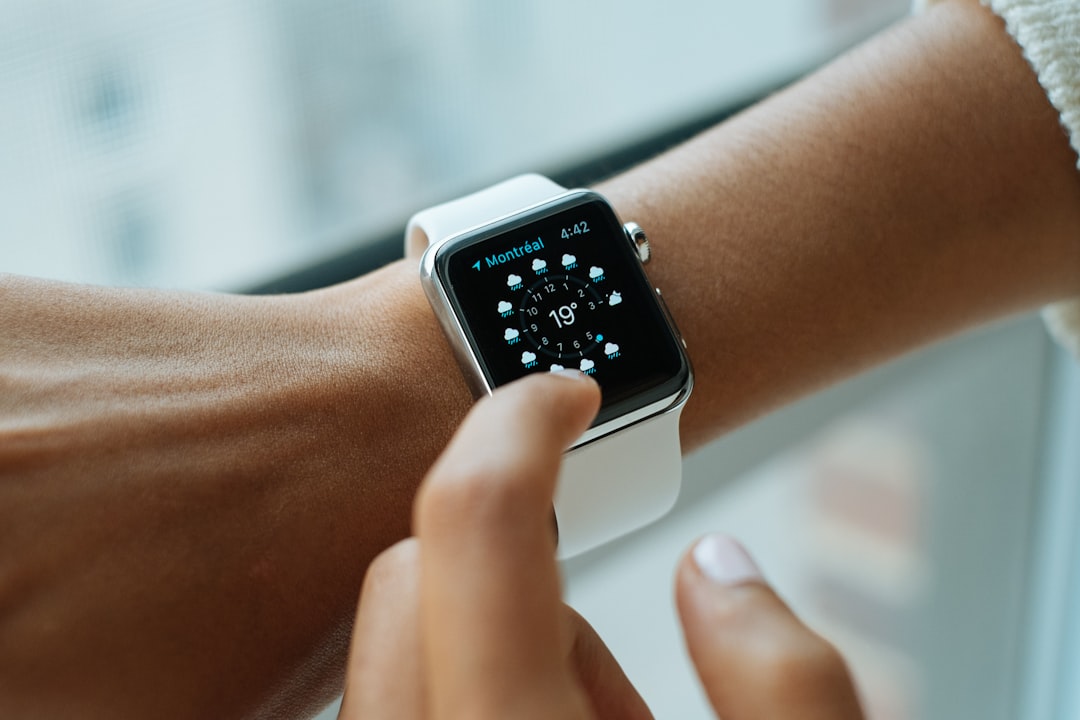
There’s a place for wrist tracking, to be clear. All-day resting heart rate trends, sleep context, casual walks — the watch earns its spot on your wrist for the other twenty-two hours of the day. If you missed my earlier piece on the boring habits that beat every gadget I tested, you know I’m the last person to tell you more tech fixes everything. But for the forty-five minutes when precision actually pays, the wrist is the wrong tool.
The Case for the Ugly Elastic Band
A chest strap doesn’t guess at blood flow. It reads the electrical signals commanding your heart — the same ECG-style approach a cardiologist uses — beat by beat, in real time. No lag on interval spikes, no confusion during grip-heavy lifts, no weather-related skin perfusion weirdness. That’s why nearly every validated heart rate study uses a chest sensor as the reference standard, and why the research comparing wrist devices almost always benchmarks them against one.

Wearing one takes about a week to stop noticing. You wet the electrodes, snap the sensor pod onto the strap, band it around your chest just below the sternum, and forget it. Pair it once with your watch, bike computer, or treadmill, and from then on it simply shows up. Modern straps broadcast over both Bluetooth and ANT+, so my strap feeds my phone app while a gym machine picks up the same signal simultaneously.
The payoff is instant honesty. My interval targets finally mean something: when I program 90 seconds at 165–175, I know whether I’m actually there. My recovery windows between sets are measured by how fast my heart drops, not by a stopwatch guess. That drop — heart rate recovery — is quietly one of the best fitness markers you can track, and it’s nearly invisible on wrist data smeared across a lagging sensor.
The Straps Worth Your Money, From Budget to Bulletproof
We ran six sensors through the same four-week gauntlet: sprint intervals, heavy strength days, indoor cycling, and long Zone 2 grinds. Here’s the honest hierarchy that came out of it.

The Gold Standard
The Polar H10 remains the strap every other strap gets compared to, and a month of abuse explained why. Dual Bluetooth channels plus ANT+, impeccable connectivity in water, internal memory that records a session even with no phone nearby, and the single most consistent beat-to-beat data of anything we tested. Coaches keep calling it the reference-grade option, and my data agrees. If you train seriously in more than one discipline, this is the one I put my own money on.
The Smart Budget Pick
Not everyone needs internal memory or swimming metrics. The Polar H9 shares the same soft strap and the same core accuracy as its big sibling — you give up the premium transmission redundancy and offline recording. For treadmill, bike, and gym work, it delivered numbers indistinguishable from the H10 in our tests, and it costs meaningfully less. This is the strap I hand to clients who are new to data-driven training.
For the Garmin Household
If your life already orbits Garmin, the Garmin HRM-Dual is the sensible middle path — comfortable, reliable, and happy to feed a bike computer alongside a watch. The newer Garmin HRM 200 replaces it with a slimmer pod and updated internals at a similar price, and at the top end the Garmin HRM 600 adds running dynamics, swim memory, and a rechargeable battery for athletes who want their strap to do more than count beats.
The Ultra-Budget Gamble That Mostly Pays Off
Here’s the part nobody writes about: the sub-$40 tier got shockingly good. The COOSPO H808S and the even cheaper COOSPO H6 both held within a few beats of the H10 during steady work and only wobbled slightly during the ugliest sprint spikes. If you want to test whether strap-based training is for you before committing real money, the H6 is the cheapest credible entry point we’ve found.
The Middle Path: Optical, Just Not on Your Wrist
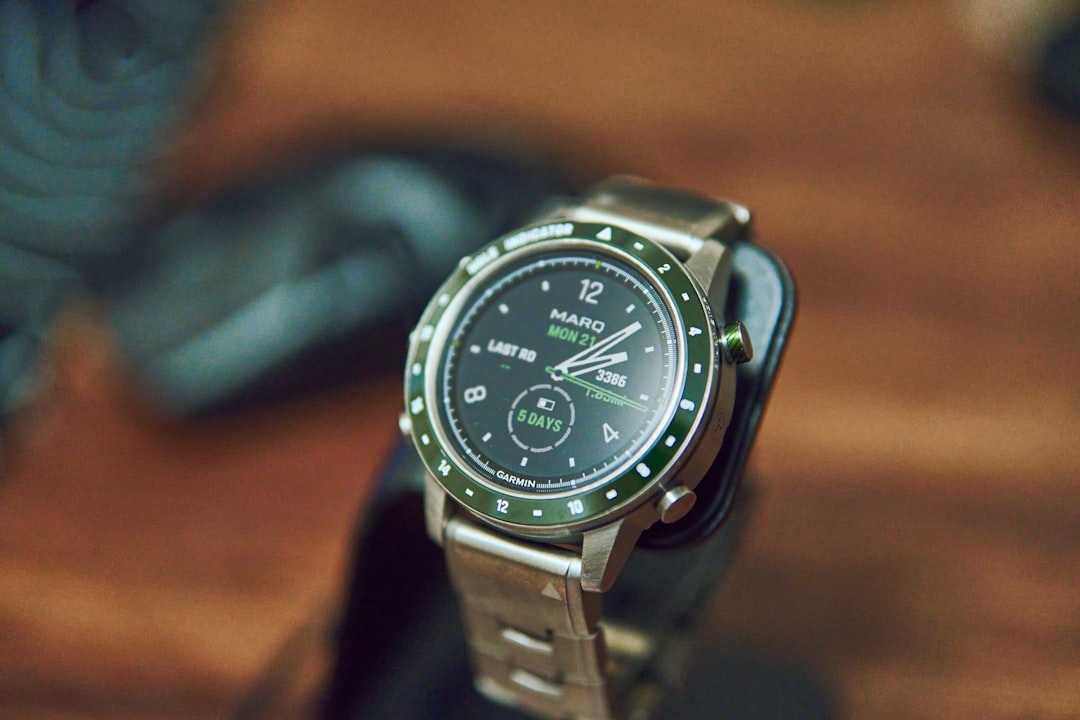
Some people genuinely can’t tolerate a chest strap — sensitive skin, certain cardiac monitoring situations, or plain preference. The fix is moving the optical sensor up to the forearm, where blood flow is steadier and grip tension matters less. The Polar Verity Sense was the most accurate non-chest device in our entire test, and the Wahoo TICKR FIT armband ran it close. Neither fully matches a strap during maximal efforts, but both close most of the gap that separates them from the wrist.
What the Data Actually Changes
A more accurate number is only useful if you do something with it, so here’s what shifted for me after a month of trustworthy readings.
My Zone 2 work got easier to hold — turns out I’d been drifting five beats high for years because the watch under-read easy efforts. My intervals got shorter and sharper, because real-time accuracy showed me I was hitting target heart rates faster than the lagging watch ever admitted. And my warm-ups got longer, because the strap revealed how much time my heart actually needs between easy jogging and genuine work readiness. If you’ve been training by feel and frustration, this is the upgrade that makes numbers trustworthy again — pair it with a proper training watch like the Garmin Forerunner 165 and you’ve got a complete lab for less than the cost of two months of boutique fitness classes.
The recovery story is bigger than workouts. A dependable strap gives you clean heart rate recovery scores after every session, and the trend of those scores over weeks is a genuine overtraining early-warning system. It pairs beautifully with other recovery signals — my recent weeks with a muscle oxygen monitor covered in this deep dive on leg sensors showed me how different devices catch different fatigue signatures. And as daylight shrinks and training moves indoors this fall — a transition I map out in my light exit strategy — indoor intervals are precisely where wrist sensors flounder and straps shine.

Care and Feeding: Make a Strap Last for Years
Chest straps die from neglect, not age. The fabric is the wearable part; the sensor pod is nearly immortal. Rinse the strap after every sweaty session, and wash it properly every few weeks — never the dryer, always air dry. Snap the pod off between workouts so the electrodes aren’t pressed damp against fabric, which is how you get corroded snaps and flaky readings.
When the strap finally stretches out, you don’t buy a whole new unit. A replacement band like this universal chest strap fits H10, H9, and Garmin pods and costs about as much as a smoothie. Most coin-cell sensors run a year or more on one battery, and when numbers go jumpy, the strap fabric is almost always the culprit before the electronics.
The Bottom Line
My watch is still on my wrist right now — it tracks my sleep, my steps, and my resting trends, and it’s welcome to keep doing that. But for the part of the day when my heart rate is the whole point, the strap is in charge. Forty beats of error during the exact intervals you’re trying to improve isn’t a rounding difference; it’s training blind while holding a scoreboard that lies.
If you’re serious about intervals, get the H10. If you’re budget-curious, the H9 or even the COOSPO H6 will teach you what accurate data feels like. And if you simply can’t stand chest straps, the Verity Sense armband gets you most of the way home. Whichever you choose, your only real mistake is letting the wrist keep guessing through the hardest forty-five minutes of your day.





One comment on “Forty Beats Off: What a Month of Dual Heart Rate Data Taught Me About My Watch”