My dentist balanced on one leg for ten seconds during a cleaning last month. Okay — not literally. But she did make me do it, right there in the chair, after I mentioned I’d been feeling a little wobbly stepping off curbs during my morning runs. Timer on, foot off the ground, eyes forward. I lasted the full ten seconds, but I felt something I hadn’t felt since my heptathlon days: my ankle, knee, and hip having a frantic three-way conversation about who was in charge.
That tiny wobble stuck with me. So my team and I spent six weeks digging into the research on balance and aging, and what we found genuinely changed how I train, how I coach, and how I think about the next forty years of my life.
The Ten-Second Test That Outpredicts Your Labs
Here’s the study that launched a thousand physical therapy convention talks: researchers in Brazil followed roughly 1,700 people between ages 51 and 75, and those who couldn’t stand on one leg for ten seconds had nearly double the risk of dying within the following decade compared to those who passed. The results were published in the British Journal of Sports Medicine in 2022, and cardiologists still bring it up because the test predicted survival about as well as far more complicated measures.
Now, before you panic-balance in your kitchen, understand what the test is and isn’t. It’s not magic. Single-leg balance is a whole-body audit — it quietly checks your proprioception, ankle strength, hip stability, vision integration, and vestibular system all at once. When several of those systems start slipping at the same time, it shows up as a wobble long before it shows up in bloodwork.
And it declines earlier and faster than almost any other fitness marker we track. One large analysis found non-dominant leg balance drops by roughly 2.2 seconds per decade — a steeper slide than grip strength or gait speed, two of the other classic aging biomarkers. Balance is the canary in the coal mine, and most of us never test it after the presidential fitness test in seventh grade.
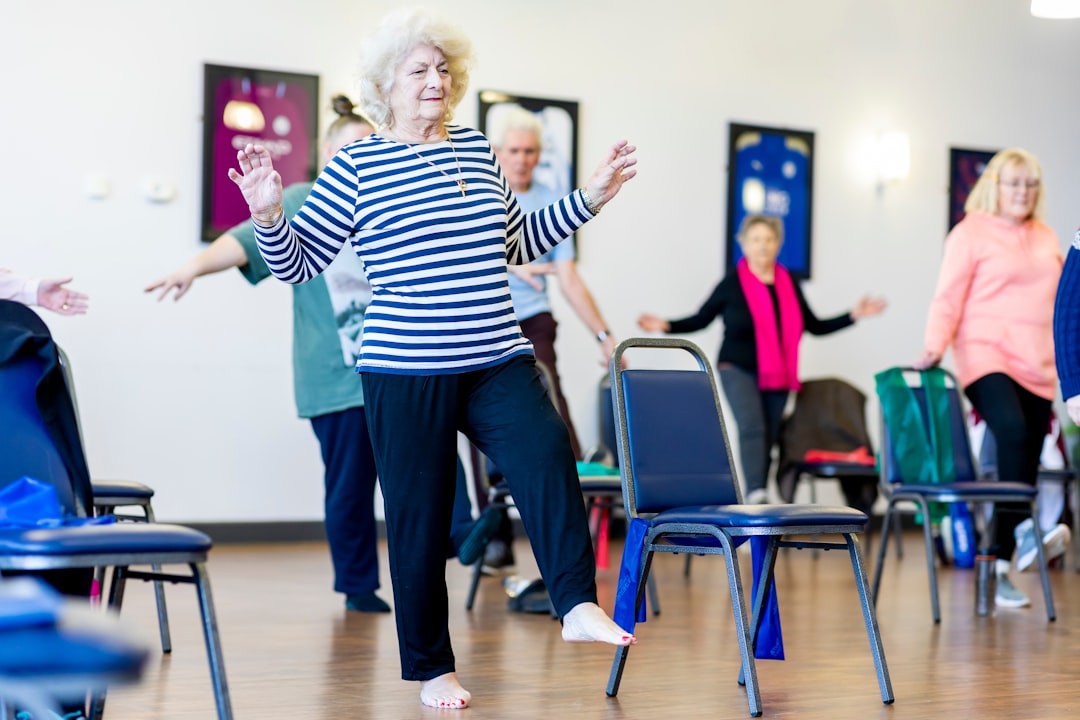
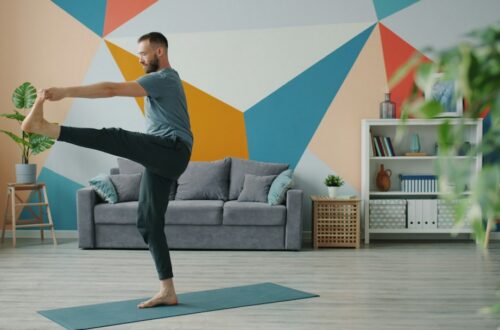
The fix starts with a baseline. Take your shoes off near a countertop, lift one foot, and count. Each leg, three tries, eyes open. If you sail past ten seconds, close your eyes — that version is dramatically harder and reveals how much you’re leaning on vision to stay upright. My own eyes-closed number was a humbling four seconds when I started. Six weeks later it’s eleven.
Why Balance Falls Apart First
Blame the nervous system’s quiet efficiency. After about age 30, fast-twitch muscle fibers — the ones that fire corrections when you step on a pebble — begin shrinking faster than slow-twitch fibers. Meanwhile, the proprioceptors in your joints and tendons send signals a little more slowly each decade. The ankle strategy your body uses for micro-corrections gets sluggish, so you start compensating with bigger hip movements, which feels exactly like that “less sure on my feet” sensation people describe in their fifties.
Sitting makes it worse. Hours in a chair let the calves, hip stabilizers, and deep core go quiet, and stiff ankles quietly become the single biggest balance bottleneck I see in new clients. I learned this the hard way during my track career — a sprained ankle in my early twenties took a full point off my heptathlon scoring, not because of pain, but because my balance confidence never fully came back until I trained it directly.
The good news is that the neuromuscular system responds to balance training at any age. Studies in adults over 60 show meaningful gains in stability and falls-risk scores after just a few weeks of consistent practice. This is trainable real estate, and almost nobody is building on it.
Stability Is a Strength You Build Like Any Other
I treat balance exactly like strength training: progressive overload, measurable sets, and harder variations as I adapt. My daily minimum is five minutes, usually while my coffee brews. That’s it. Here’s the progression ladder I use with clients — find the first version that feels shaky and live there until it doesn’t.
Level one is a simple supported single-leg stance. Fingertips on a counter, one foot lifted, two thirty-second holds per side. Boring? Completely. Effective? It’s the foundation everything else sits on. Once you can hold two minutes total per side with minimal fingertip contact, move to no support.
Level two adds instability on purpose. A foam balance pad turns a stable floor into a surface that gives constant feedback — your ankles make hundreds of tiny corrections per minute. I keep the ProsourceFit pad from Amazon by the bathroom sink and do teeth-brushing stance drills on it daily; the StrongTek version here is the denser option if you want more of a challenge. My team’s favorite midday version: stand on the pad during phone calls and nobody at the other end can tell you’re training.
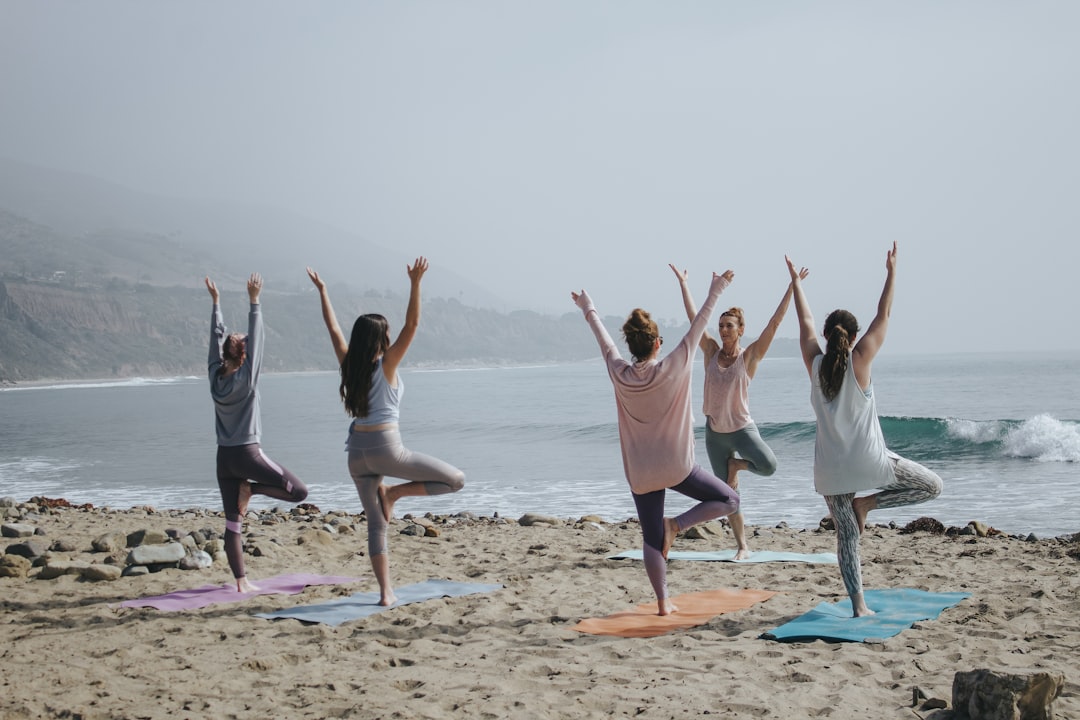
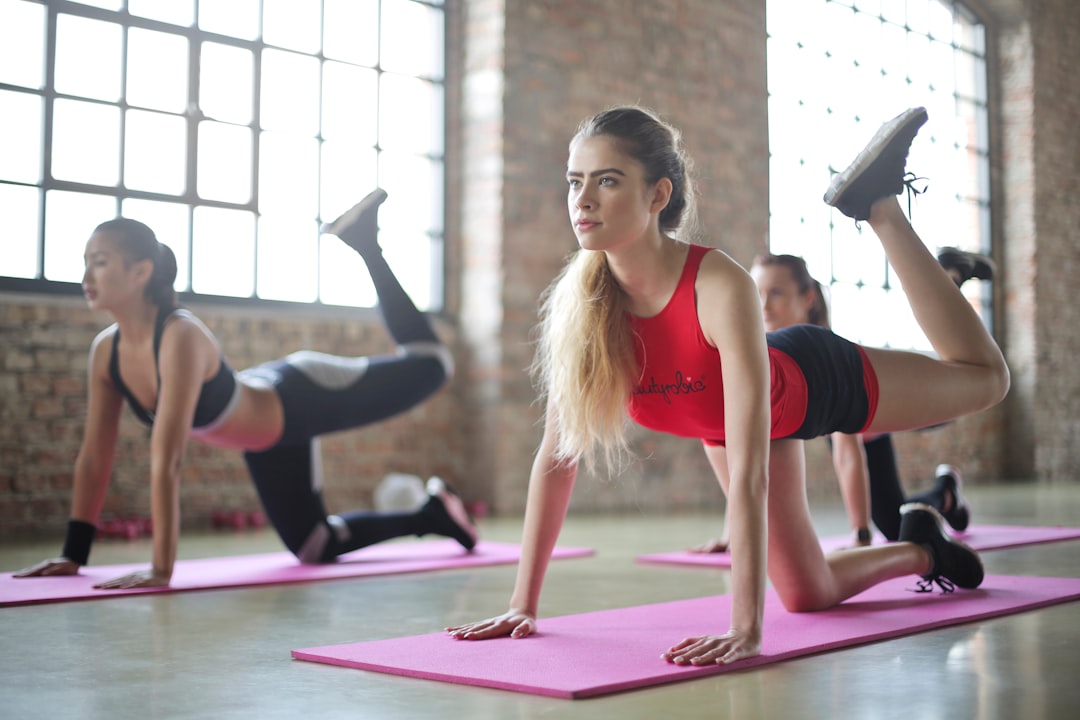
Level three gets dynamic. Single-leg deadlifts, lateral lunges, step-ups with a pause at the top — anything that has you moving onto one foot and controlling it. Single-leg work doubles as serious glute and hip training, which is exactly why my clients over 50 who practice it consistently also report fewer back tweaks and better running form. If you want a structured starting point, a light resistance band set like this one gives you dozens of supported single-leg drills you can do in front of the TV.
The Gear That Earns Its Shelf Space
Balance equipment is one of the rare fitness categories where cheap works nearly as well as expensive, because the value is in the instability itself, not fancy features. After testing the popular options with my coaching groups, a few standouts emerged — and a couple of surprising ones from outside the gym entirely.
Wobble Boards: The Classic for a Reason
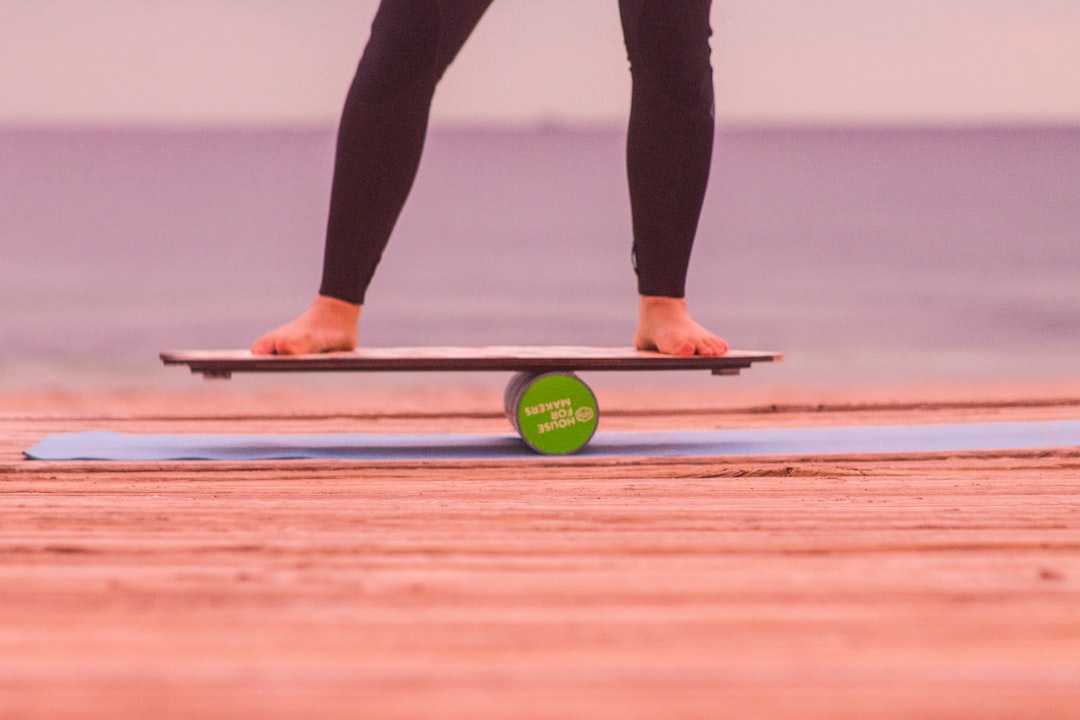
A wooden wobble board is the sweet spot for most people: hard enough to demand attention, easy enough to progress on within weeks. The Amazon Basics board at this link costs less than a pizza night and covers 90% of what the fancy versions do. I start clients with two-foot tilts, progress to clock rotations, then small-range squats. The EVERYMILE board found here with its no-skid surface is the one I toss in my trunk for outdoor sessions at the Y.
The Dome Trainer: Full-Body Instability
The half-dome trainer is the most versatile piece on this list — flip it dome-down for push-up handles and mountain climbers, dome-up for squats, lunges, and the brutal single-leg stance hold. The original BOSU is the gold standard and shows up in nearly every rehab clinic for a reason; if the price makes you flinch, the VEVOR 23-inch half ball is a legit budget alternative that survived three months of my outdoor bootcamps without losing air.
The Cushion for Your Chair (Yes, Really)
The humble balance disc might be the sneakiest longevity tool in the bunch. Put one on your office chair and your core does quiet, all-day micro-work maintaining posture. Take it to the floor for kneeling holds and calf stretches and it doubles as a mobility tool. The Trideer wobble cushion runs under $20 and comes with a pump; the Gaiam disc over here is the version my desk-bound clients fight over during in-person sessions.
The Foot Fix Nobody Told You About
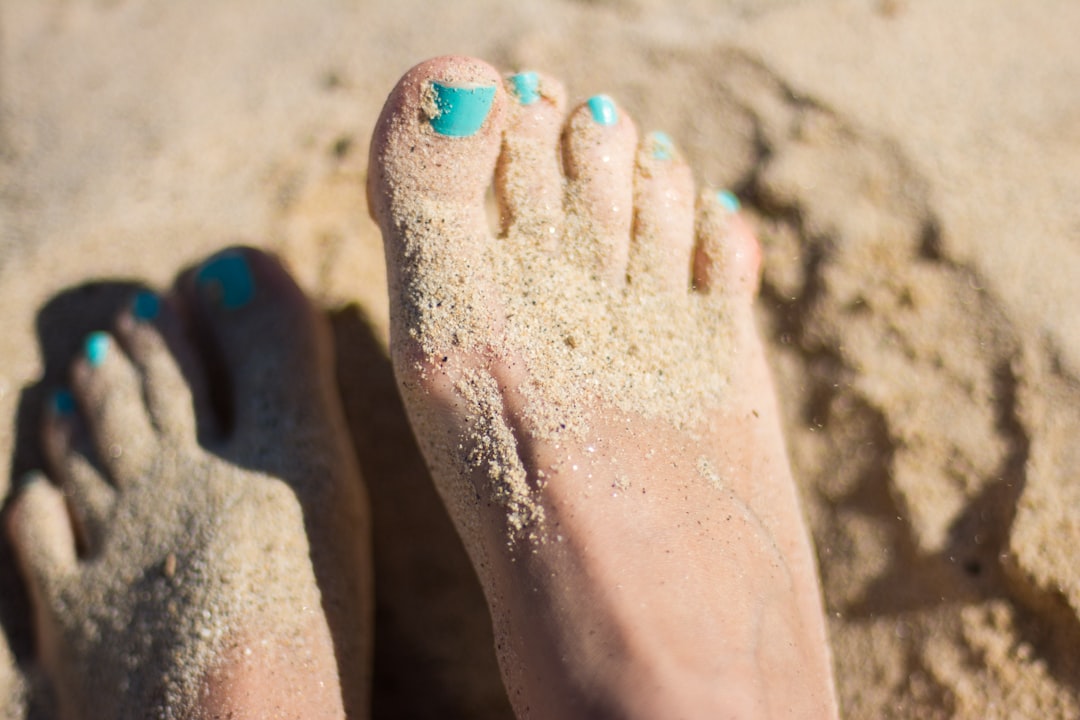
Here’s the part of the balance conversation that surprised even me: your feet are the hardware. Decades of cushioned, narrow-toe-box shoes weaken the intrinsic foot muscles and squeeze toes out of alignment, and weak feet feed slow signals upstream. After six weeks of daily toe-spacer wear during my evening wind-down — the Mind Bodhi separators like these — my eyes-closed balance improved more than it did from a month of drills alone. Physical therapists have used these for years with bunion patients; athletes are just now catching on.
Make It Play, Not Homework
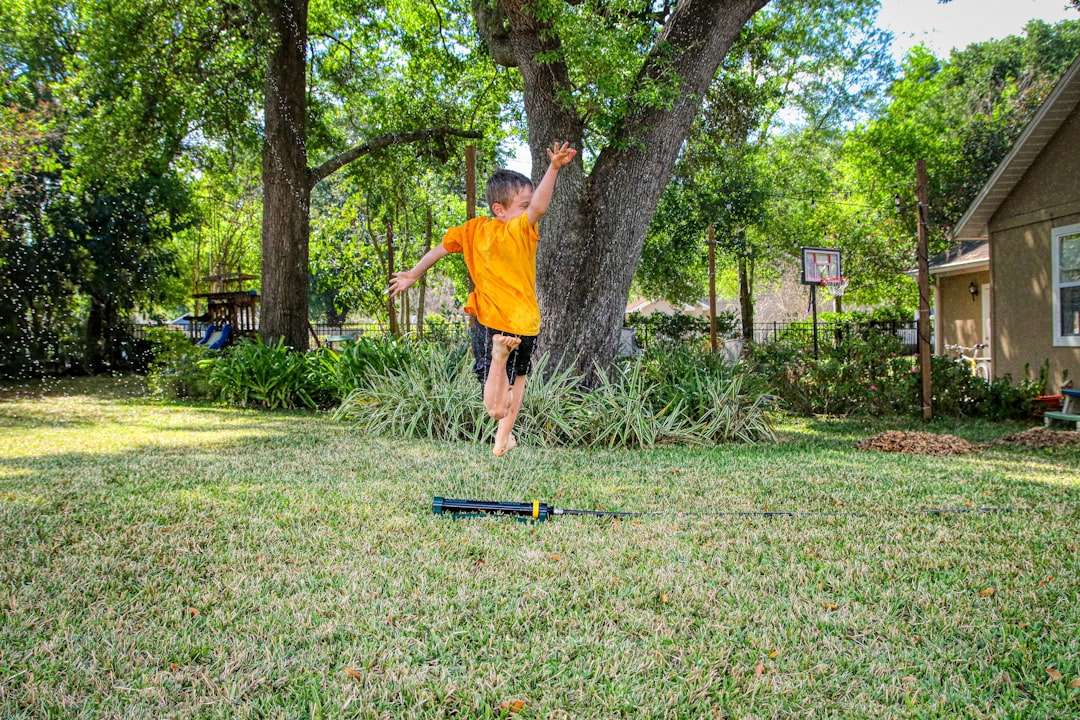
The clients who keep balance training for years are never the ones doing formal programs. They’re the ones who turned it into something they wanted to do. A backyard slackline is the greatest balance trainer ever invented, and kids will fight you for turns on it — the kit at this link sets up between two trees in ten minutes and turns training into a family event. I wrote about how my family’s chaotic September schedule became our fittest season, and the slackline deserves most of the credit.
My other favorite hacks: brush your teeth on one leg (eyes open Mondays, closed Wednesdays if you’re brave), stand on one foot while waiting for the kettle, and put your socks and shoes on standing up — no sitting, no leaning. That last one sounds trivial until you try it. It’s also a classic functional test for a reason.
Your Six-Week Reset Plan
If you want a structured start, here’s the exact protocol I built for my over-50 coaching group, tweaked from what worked on me. It requires one pad, one timer, and no athletic history whatsoever.
- Weeks 1–2: Baseline test, then supported single-leg stance daily — two 30-second holds per side, fingertips on a counter as needed. Finish each session with 60 seconds of slow calf raises off a stair edge.
- Weeks 3–4: Move to the foam pad, same holds, plus three sets of ten single-leg deadlifts per side holding a light band or dowel for reference. Retest your baseline at the end of week four.
- Weeks 5–6: Add eyes-closed sets on solid ground and two wobble-board sessions of five minutes. Wear toe spacers during evening TV. Final test: ten seconds per leg, eyes closed, hands free.
Everyone in my group of twelve passed the eyes-open version by week four. Nine of twelve hit the eyes-closed standard by week six, and the three who didn’t all reported their numbers had doubled from baseline. Sixty total minutes of training per week, most of it during otherwise dead time.
The Long Game
I think about that Brazilian study differently now. The ten-second test isn’t a verdict — it’s an invitation. Balance is one of the very few aging markers that responds quickly, visibly, and at any age, which makes it the perfect first domino for someone who’s let fitness slide. Fall-proofing your body also protects your independence, your bones, and honestly your confidence on stairs and icy sidewalks.
Start tonight. Shoes off, near a counter, one foot up, count to ten. Then do it again tomorrow. The woman balancing on that beach at sunrise in my head is eighty and rock-steady — and she started exactly where you are now. Your fifties, sixties, and seventies are watching how you train today. Give them something to stand on. And if you want the full mobility companion piece, my guide to the tools that replaced my physical therapist pairs perfectly with this one.