There is a moment every late August when I catch myself checking the long-range forecast for mountain ranges I will not stand on for another six weeks. My husband finds it endearing. My coaching clients find it excessive. The team I train with has simply stopped asking why I am squinting at October precipitation charts before Labor Day. Here is the thing, though: the best trail season of the year is not won in September. It is won right now, in these last quiet weeks of summer, while everybody else is still at the lake.
Fall is the open secret of the hiking world. The air cools to the temperature your lungs actually want, the bugs pack up and leave, the crowds thin out after the school buses start rolling, and the woods turn into something that looks photoshopped but is not. The hikers who suffer through it are the ones who show up on the first crisp Saturday with July legs, August shoes, and a phone at twelve percent battery. The hikers who float through it started getting ready about six weeks earlier.
So that is what this is: my six-week countdown to trail season, the same one I run every year for myself and the crew I coach. It is not complicated, it is not expensive, and it works whether your fall goal is a five-mile loop with cider at the end or a rim-to-rim day that will own your legs for a week.
The Season Everyone Sleeps On
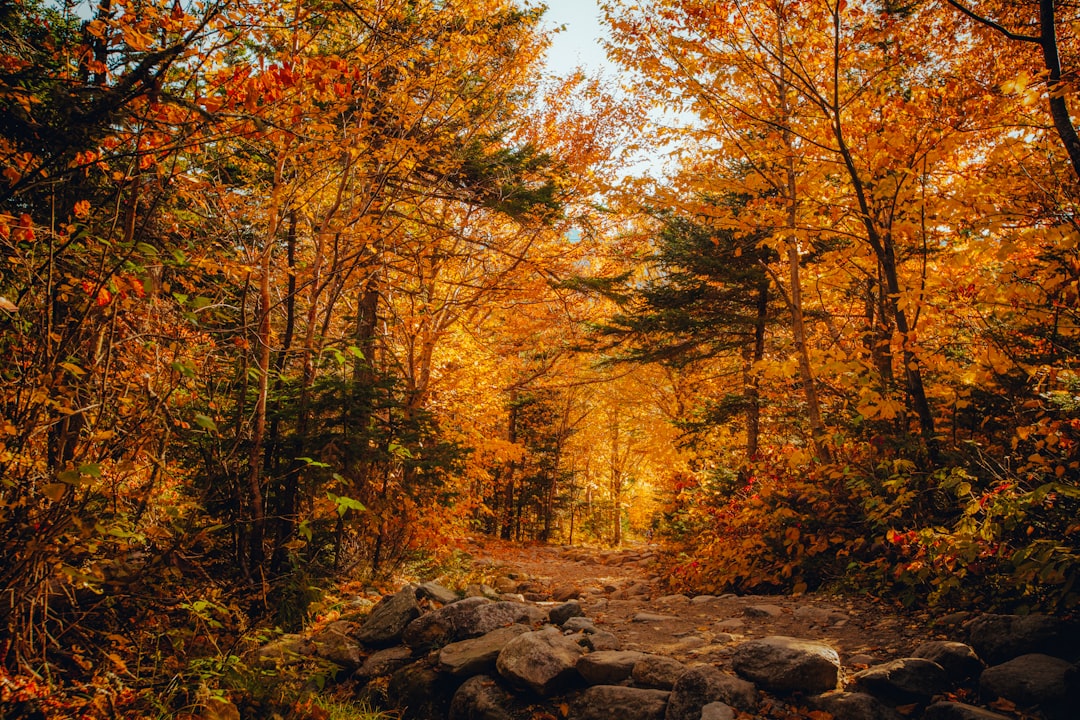
Let me make the case quickly, because once you see it you cannot unsee it. Cool air is a performance advantage: you dissipate heat better, your perceived effort drops, and the same climb that crushed you in July suddenly feels conversational. The changing canopy is not just decoration, either. Foliage season turns an ordinary weekend walk into the kind of outing you plan a whole trip around, and this year’s color forecast is already shaping up to be worth chasing. If you want to time a trip around peak color in your region, our travel crew put together a foliage forecast guide that actually explains when and where the color hits.
But fall trails have teeth. Days shrink fast, temperatures swing thirty degrees between trailhead and summit, wet leaves turn every granite slab into a slip-and-slide, and early snow dusted over roots is a rite of passage in the high country. The countdown below is built around those exact hazards. Six weeks, four fronts: legs, feet, load, and judgment.
Weeks One and Two: Legs Before Scenery
The number one injury pattern I see every October is not dramatic. It is the person whose summer was flat sidewalks and who then asks their quads to lower them down two thousand feet of rocky descent. Going uphill is cardio. Going downhill is braking, and braking is eccentric strength, and eccentric strength is exactly what a summer of gentle strolling did not build.
So weeks one and two are about legs and lungs. Twice a week: stadium stairs or a parking-garage stairwell for twenty to thirty minutes, up easy and down with control, no rail-surfing. Once a week: a loaded hill walk. I love rucking with a weighted pack for exactly this purpose, because it trains the exact demand of a day hike, which is moving your body plus gear uphill. Start with ten pounds, keep your pace conversational, and add a couple of pounds a week.
Add two short strength sessions if you can: step-ups onto a box, single-leg Romanian deadlifts, calf raises off a stair edge, and glute bridges. Nothing fancy. Your knees on a steep descent in mid-October will thank you personally.
Weeks Three and Four: Win the Foot War
Feet are where hiking dreams go to die, and it is almost always a gear problem wearing a blister costume. If your boots have sat in a closet since last fall, do not assume they are fine. Midsoles cushion for a few hundred miles, and a dead pair will feel fine in your driveway and betray you at mile four.
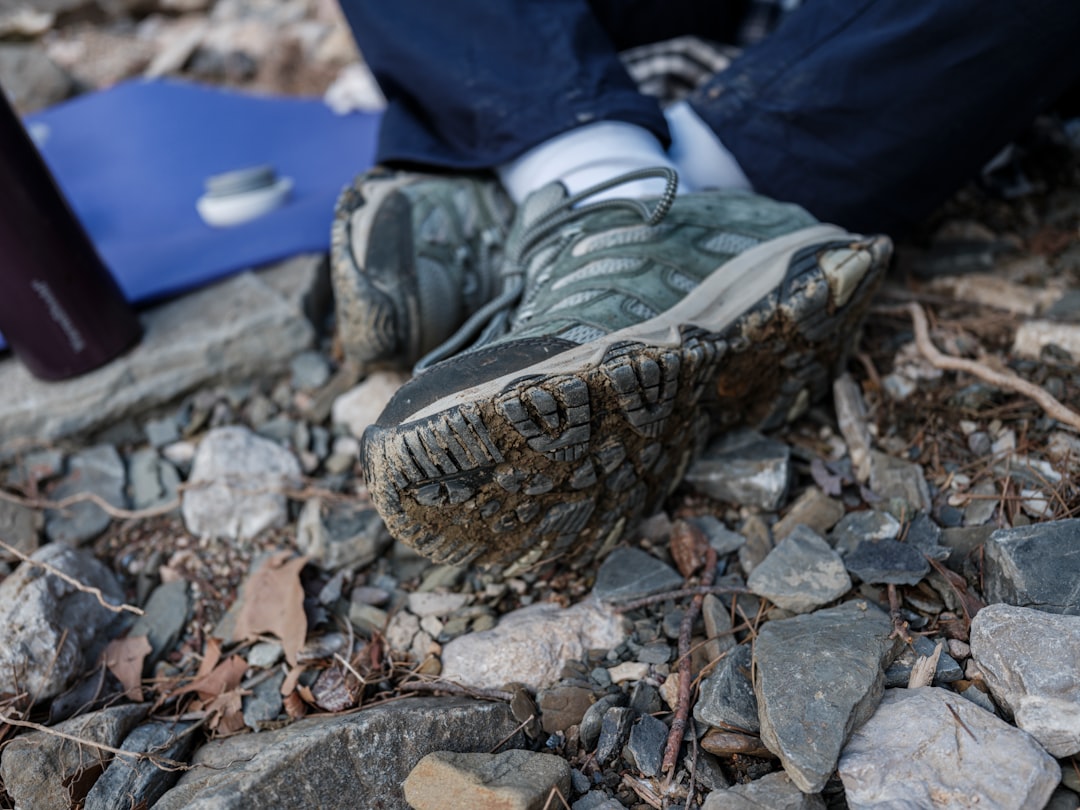 This is the window to break in whatever you plan to wear on your first big hike. If you need new boots, prioritize waterproofing and grip over looks; something like the Columbia Transverse waterproof hiker hits the sweet spot of traction, support, and price for most weekend hikers. Wear them on every dog walk and grocery run for two weeks. Boots should earn their place on your feet, not just show up on them.
Socks are half the foot war, and this is where I refuse to compromise. Merino wool manages moisture, holds shape, and does not hold a grudge. I keep a rotation of Darn Tough merino hiker socks and I am still years into pairs that were promised a lifetime warranty they may never need. And whatever you do, pack a blister kit: hydrocolloid blister bandages turn a trip-ending hotspot into a fifteen-minute nuisance. My rule with clients is blunt: treat the hotspot the moment you feel it, not at the summit. “It will settle down” is fiction I have watched ruin more hikes than rain ever has.
Load Rehearsal: Teach Your Pack Its Job
Your backpack is not a bucket, it is a system, and the middle of the countdown is when you rehearse it. I do not mean a spreadsheet. I mean physically loading it the night before a training hike and walking out the door with everything you will carry in October.
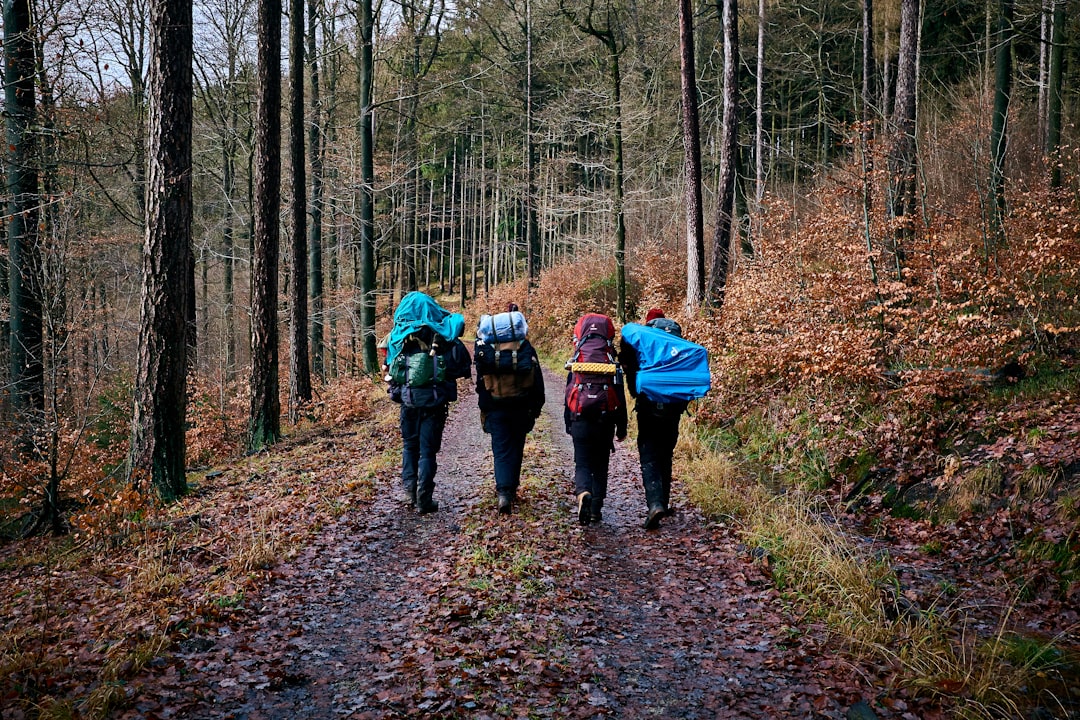 A 20-liter daypack covers ninety percent of fall hikers, and the Osprey Sportlite 20 is the one I keep recommending because it carries a bladder, a shell, and lunch without inviting you to overpack. Speaking of hydration: sip-and-stroll beats chug-and-cramp every time. A 2-liter hydration bladder in your pack makes sipping automatic, which is the entire point. On a cool October day you will feel less thirsty while sweating nearly the same; a bladder quietly removes the willpower from the equation.
Fall also demands a real layering system: a merino or fleece midlayer you can hike in, a packable insulated jacket for summits and lunch stops, and a rain shell that lives in your pack no matter how blue the sky looks at the trailhead. 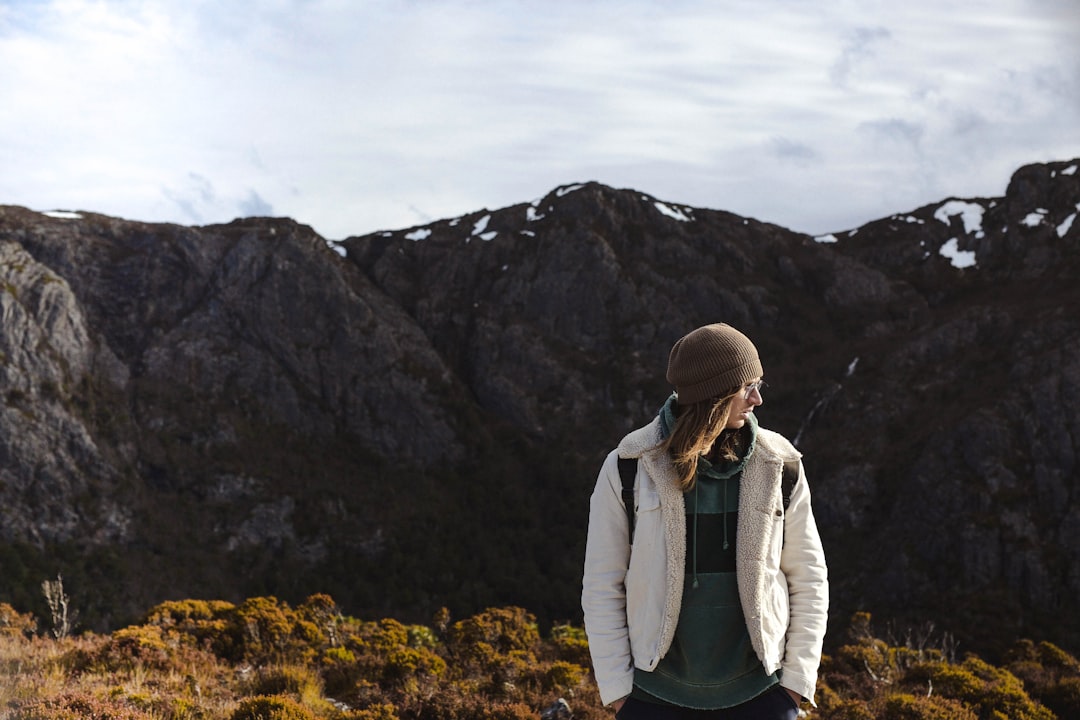 Layers only work if they are on your body when conditions change, not heroically stowed at the bottom of your pack.
Poles, Headlamps, and the Shrinking Day
Here is a stat that surprises people every year: between late August and early November, most of North America loses two to three hours of daylight. The margin for “one more viewpoint” quietly disappears, and rescue teams will tell you the same story about headlamps left in the car. A rechargeable headlamp lives in my pack lid from the first of September, tested monthly, no exceptions.
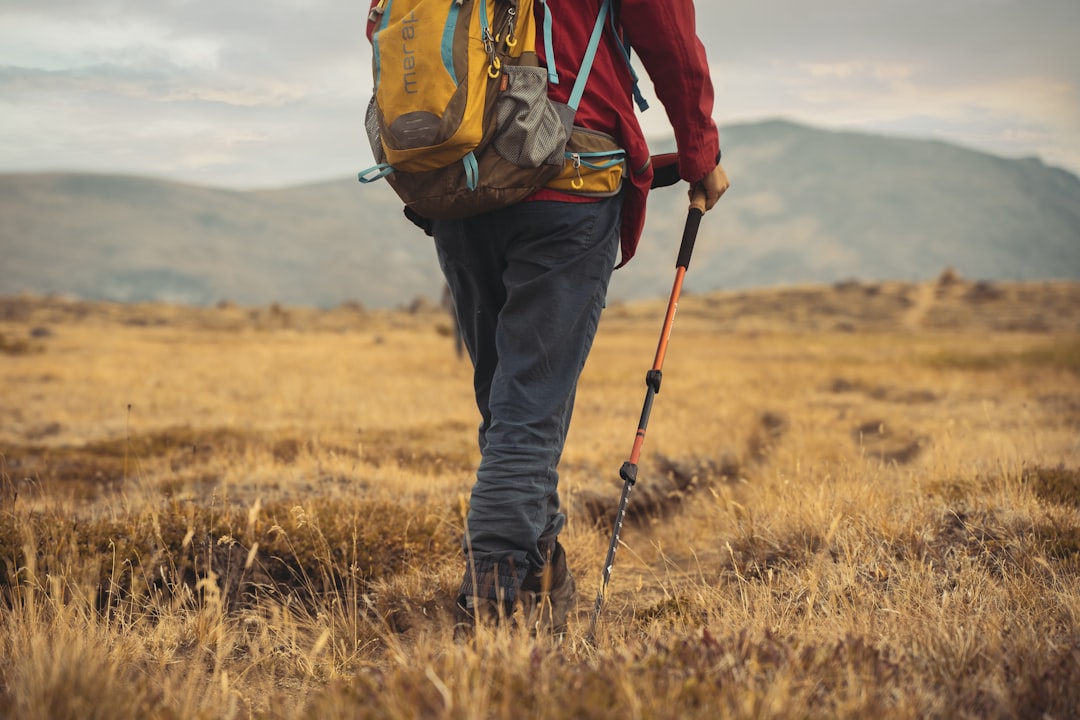 Trekking poles are the most underrated tool in hiking, full stop. They share load off your knees on descents, add two points of balance on wet leaves and scree, and give your arms a job on long climbs. You do not need carbon fiber couture; a set of adjustable aluminum poles does the work for the price of a pizza night. Practice adjusting them with cold hands before you need to.
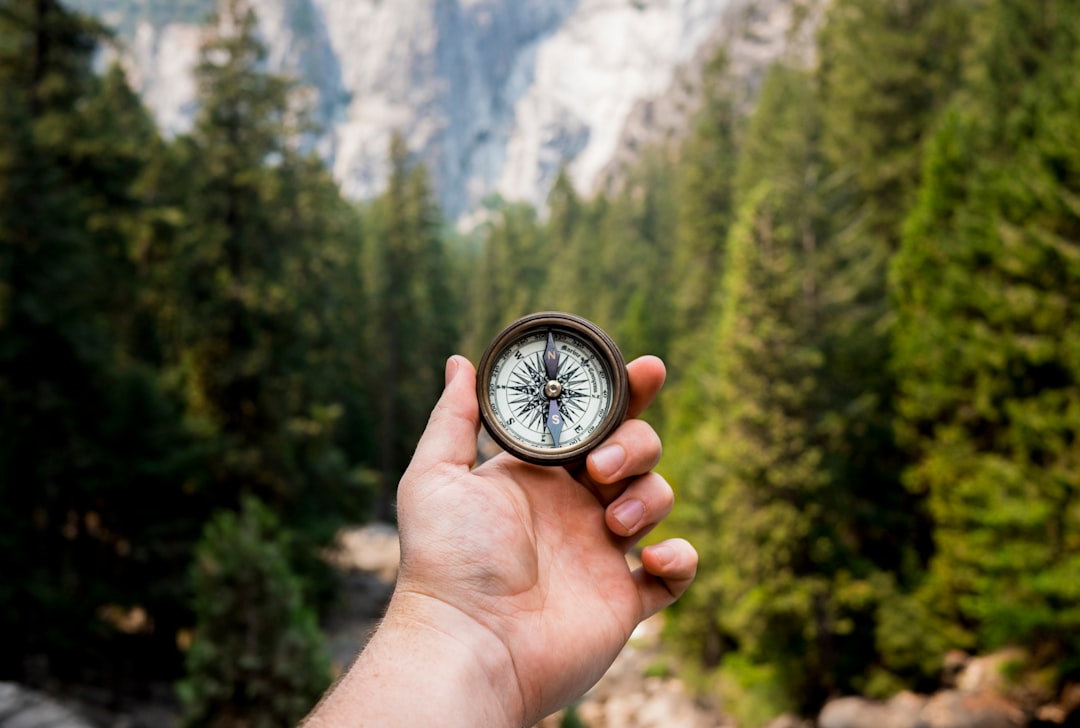 And navigation: download offline maps before every hike, because the best trails are precisely where your signal goes to die, but also carry a paper map and compass and know how to use them. Tell one specific human where you are going and when you will be back. In fall, with weather that can pivot in an afternoon, that text message is the cheapest insurance in the outdoors.
Fuel That Survives Being Crushed
Cool-weather hiking hides your sweat, not your energy drain. A hard five-mile October climb can burn as much as its August twin, but people bring half the food because they “didn’t feel hot.” Then mile four arrives with shaky hands and bad decisions, a state hikers lovingly call bonking and I call an unforced error.
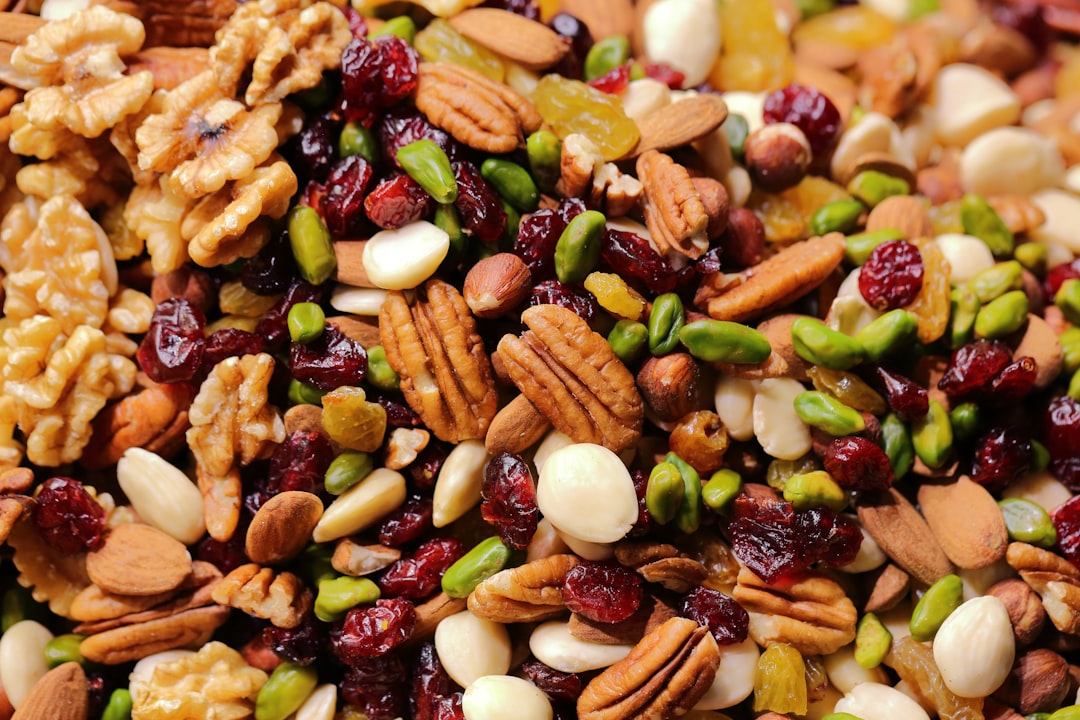 My pack standard is 150 to 200 calories per hour of moving time: a mix of fast carbs and something with protein and fat to keep the burn slow and steady.
  A CLIF Bar variety box handles most of my autumn outings because they survive pack life, taste fine at forty degrees, and are gone before I can get bored of them. Homemade trail mix is the other workhorse: nuts, seeds, dried fruit, and whatever dark chocolate your conscience allows.
Electrolytes still matter when it is cold. Dry autumn air, layered clothing, and steady effort quietly drain sodium, and plain water alone can leave you with a headache at the summit viewpoint. I keep electrolyte packets in the same pouch as my snacks so they actually get used instead of admired.
The Between-Hikes Work Nobody Sees
What separates hikers who get stronger across a foliage season from hikers who get progressively limper is what happens on the off days. Twenty minutes, that is the whole ask: calves, quads, hip flexors, and glutes, plus a few minutes of ankle circles and toe spreading because feet deserve physical therapy too. A simple roller massage stick lives next to my couch and gets deployed during whatever show we are watching; it costs about as much as two trailhead parking passes and saves quadriceps that have real plans next weekend.
And after the hike, get out of your trail shoes and into something that lets your feet decompress. Recovery footwear quietly runs your entire training results in my experience, and it is the single upgrade clients thank me for most by mid-season. If your fall also includes a race, stack this plan on top of a smart run buildup; the fall race training blueprint I sketched earlier this summer pairs beautifully with trail days.
Week Six: The Dress Rehearsal
The last weekend of the countdown is a full rehearsal. Pick a trail two-thirds the length of your foliage-season goal, load your pack exactly as you will in October, wear exactly the boots and socks you have been seasoning, and run the whole playbook: layers on and off, hourly fueling, water sips, poles deployed, headlamp packed. Start earlier than feels necessary, because starting early is the habit that will save you when the sun starts setting at six.
Then, when the color starts turning and the forecast shows that first properly crisp Saturday, you go. Not with July legs and a panic-bought kit, but with six weeks of quiet work behind you and a pack that already knows its job. The woods put on their best show of the year for about four weeks. Get ready now, and you will actually be there to enjoy it.