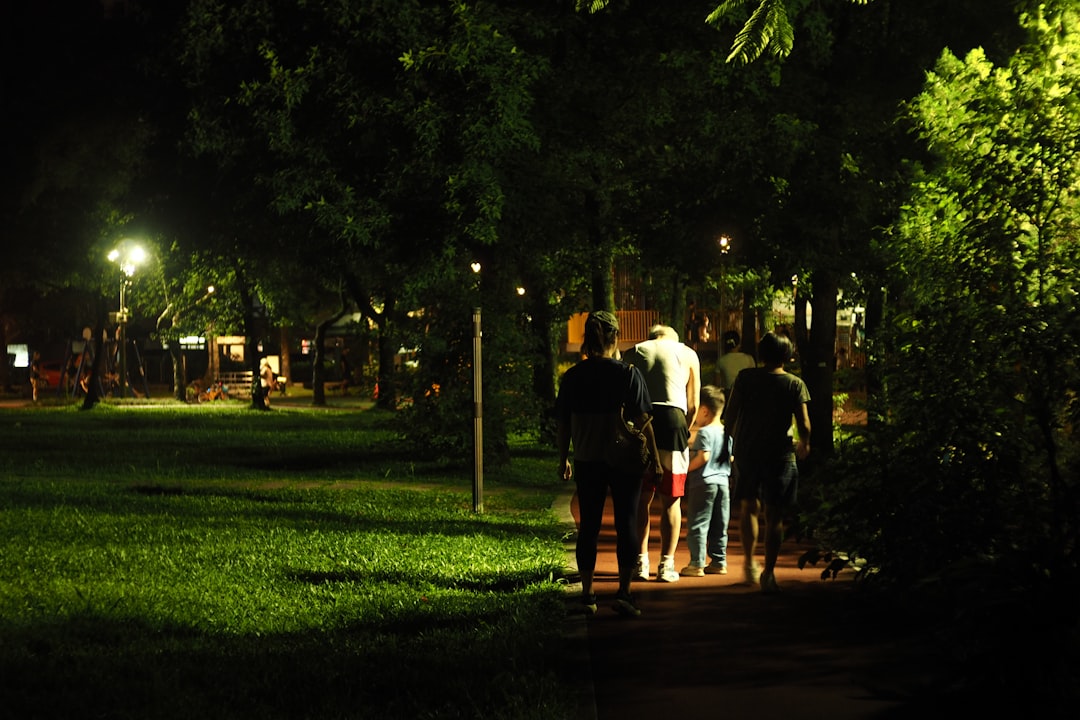
There is a moment in my house every evening that used to go one of two ways. The plates would land in the sink, my husband and I would collapse onto the couch, and the night would fold itself around whatever screen was closest. Or — and this is the version that changed everything — we would leave the dishes exactly where they were, lace up, and walk out the front door for ten minutes.
That’s the whole habit. Ten minutes, right after dinner, at an easy pace, most nights of the week. No heart rate targets, no tracker alerts, no hill repeats. And yet of everything I’ve layered into two decades of training, coaching, and testing every wellness trend that crossed my desk, this unassuming little stroll has produced some of the most stubborn numbers I’ve ever seen — in my own data and in my clients’.
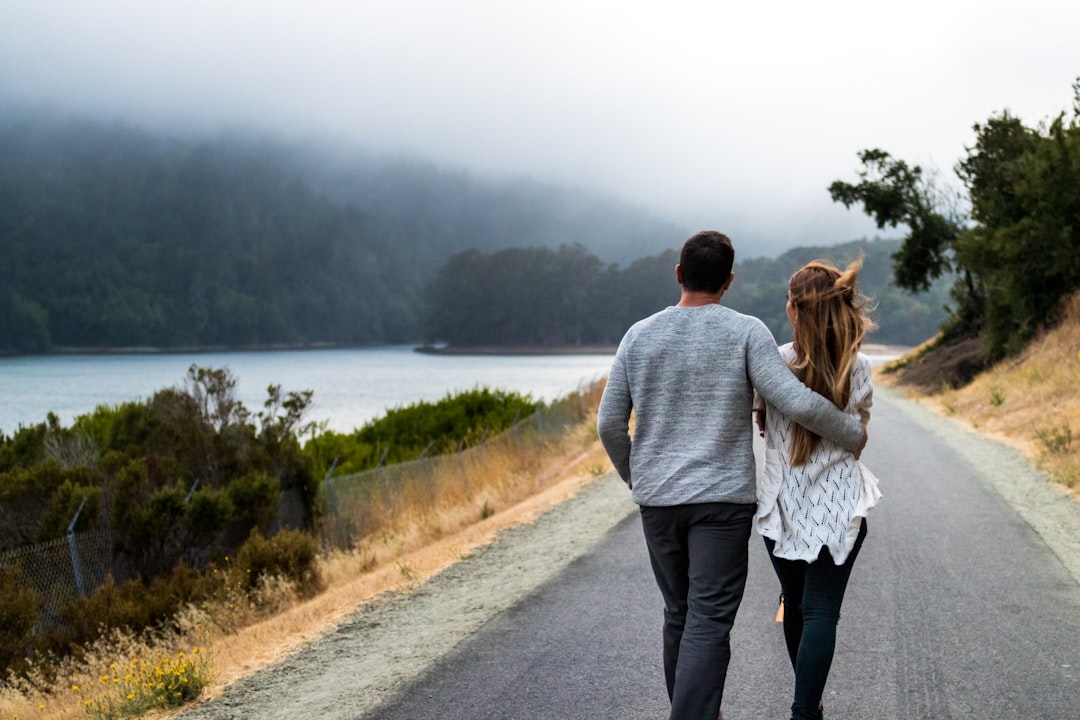
I know, I know. I spent years chasing the exotic stuff too — cold plunges, red light panels, adaptogen stacks that required a spreadsheet. The boring truth keeps winning anyway. When my editing team and I sat down this summer to review which habits actually earned their spot in my routine, the after-dinner walk didn’t just make the list. It topped it.
Why the Hour After Dinner Carries So Much Weight
Let’s start with the physiology, because once you see it, you can’t unsee it. After a meal, your blood glucose typically peaks somewhere between thirty and sixty minutes later. That post-meal surge — the “spike” everyone talks about — is normal in small doses. Repeated sharp spikes, meal after meal, year after year? That’s the part linked to metabolic wear and tear: oxidative stress on blood vessels, creeping insulin resistance, and the slow drip of inflammation that ages us from the inside out.
Here’s where your legs become the plot twist. Walking activates skeletal muscle — your body’s largest glucose disposal system. Contracting muscle pulls sugar out of your bloodstream through channels that don’t even require insulin to open. You are essentially giving the glucose in your bloodstream somewhere better to go than your bloodstream.
The research backing this up is refreshingly practical. Cleveland Clinic clinicians point out that a walk of just two to five minutes after eating measurably nudges blood sugar down. UCLA Health highlighted findings that a five-minute post-meal stroll moderated glucose levels during the critical 60-to-90 minute window. And a 2025 study in Scientific Reports found a ten-minute walk taken immediately after glucose intake significantly improved the postprandial response — with earlier work suggesting that brief ten-minute effort can rival a thirty-minute walk for dinner-time glucose control when the timing is right.

Read that again, because it’s the rare piece of health advice that asks less of you, not more. Not a gym session. Not forty-five minutes on a trail. Ten minutes, timed to the meal, beats triple the time done randomly at midday. Timing is the active ingredient.
My Six-Week Experiment With Timing Over Volume
Because I’m constitutionally incapable of taking advice without testing it on myself first, I ran a loose six-week experiment this summer. Same dinners, same general activity level, one variable: on alternating weeks I either walked ten minutes immediately after eating or took the same walk an hour later while the dishes sat there judging me.
The differences weren’t dramatic on any single night. They were dramatic in aggregate. The early walks consistently blunted the sluggish, heavy-limbed feeling that used to follow my bigger meals. My evening energy stopped cratering around 8:30. I fell asleep faster, which tracks with what I’ve written about the SPAN formula and sleep’s outsized role in longevity — everything in that stack got a little easier when dinner stopped costing me a two-hour recovery tax.
One of my coaching clients, a desk-bound attorney in her fifties, replicated the pattern with the enthusiasm of someone who has finally been handed a habit she cannot fail at. “It’s the first thing I’ve ever stuck with,” she told me, “because it’s shorter than my excuses.” That sentence should be printed on a poster.
Shoes That Get Out of the Way
You do not need gear for this habit. I want that stated plainly before I say anything else, because the magic is in the walking, not the shopping. That said, if you’re going to do something nightly for the rest of your life, a few small upgrades remove the friction points that kill consistency.
Footwear is the obvious one. My current pair is a max-cushion trainer that feels like walking on a polite cloud — something along the lines of Skechers’ Max Cushioning line, which several of my walking-group regulars swear by for plantar fasciitis complaints. For the men in my YMCA classes who log their miles in worn-out running shoes, a supportive everyday option like the Under Armour Charged Surge 4 runs about half the price of boutique recovery footwear and does the job honestly.
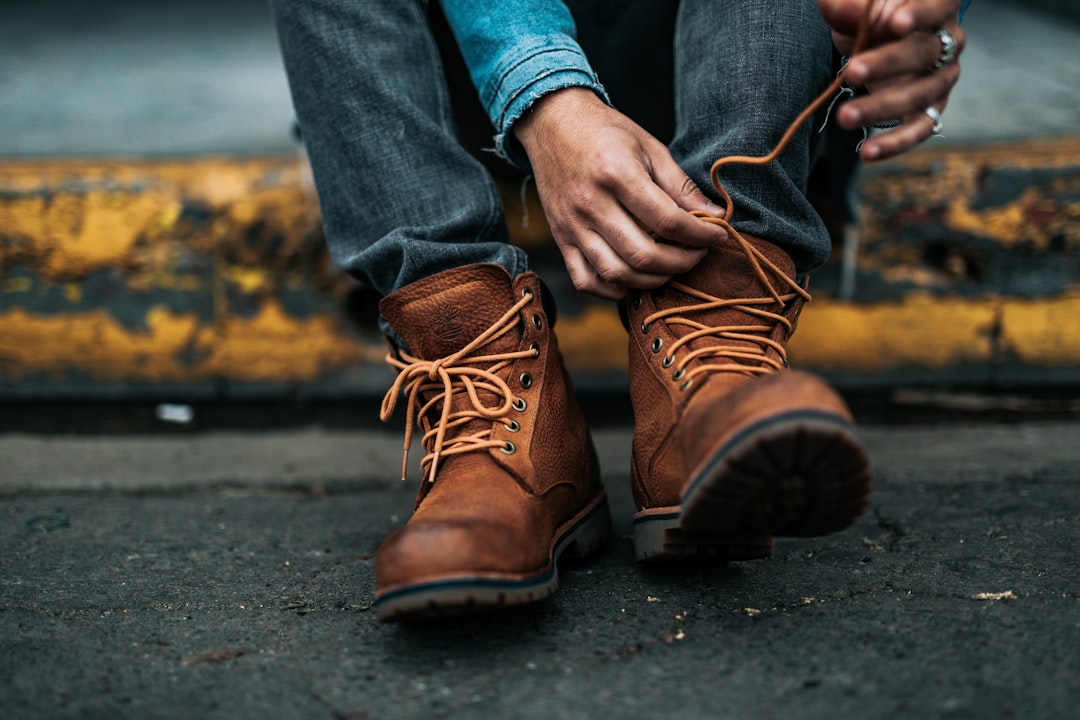
The sleeper upgrade is socks. Once September’s cooler evenings arrive, cold toes become a shockingly effective excuse to stay inside. A few pairs of merino blend walking socks — the Danish Endurance merino hiking socks are the pair my team keeps reordering — regulate temperature and banish the blisters that turn week two into a limping referendum on the whole project.
Staying Visible When the Sun Clocks Out Early
Here is the seasonal catch, and it’s coming for all of us in the next few weeks: by mid-September, a 7 p.m. dinner pushes your walk into dusk, and by October you’re walking in the dark. I plan for this the same way I plan my whole fading-daylight training strategy — with lights, not denial.
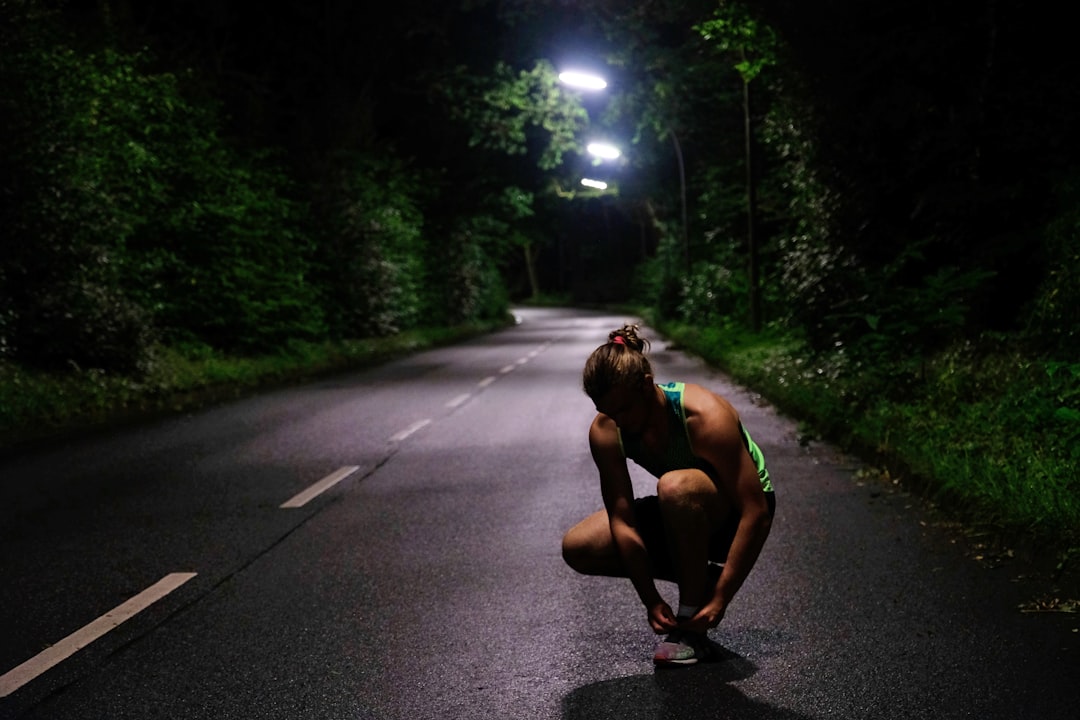
A clip-on LED reflective vest is the single best visibility dollar you can spend. The current crop — like this light-up reflective vest with five color modes — makes you visible to drivers from a couple hundred yards out, which is roughly the distance at which a distracted driver needs to start making good decisions about your life. My husband wears his religiously; I’ve stopped teasing him about looking like a road crew and started appreciating that I can spot him from three blocks away.
For the routes with broken streetlights or that unlit stretch by the park, a rechargeable headlamp is the companion piece. The LHKNL rechargeable headlamp is the one currently living in my entryway basket — bright enough to reveal potholes, light enough that I forget it’s on, and it charges off the same cable as half my other gear.
Poles, Dogs, and Other Force Multipliers
Now for the fun part — the additions that turn a maintenance stroll into something closer to training. Nordic walking poles first, because they’re the most underrated cardio upgrade in the recreational aisle. Planting poles engages your arms, shoulders, and core, bumps calorie burn by roughly twenty percent over regular walking, and forces an upright posture that undoes eight hours of desk slouch. A quality set with proper glove-style grips, like the Official Nordic Walking poles, converts an easy walk into a full-body session without ever raising the perceived effort much.

The poles have a second life as a balance tool, too. My mother, who is seventy-four and unimpressed by my athletic resume, walks with a set of York Nordic’s Motivator poles designed for balance and rehab. Her evening loop got longer within a month. When I wrote recently about grip strength and balance as the overlooked markers of healthy aging, this is the practical version of that philosophy in motion.
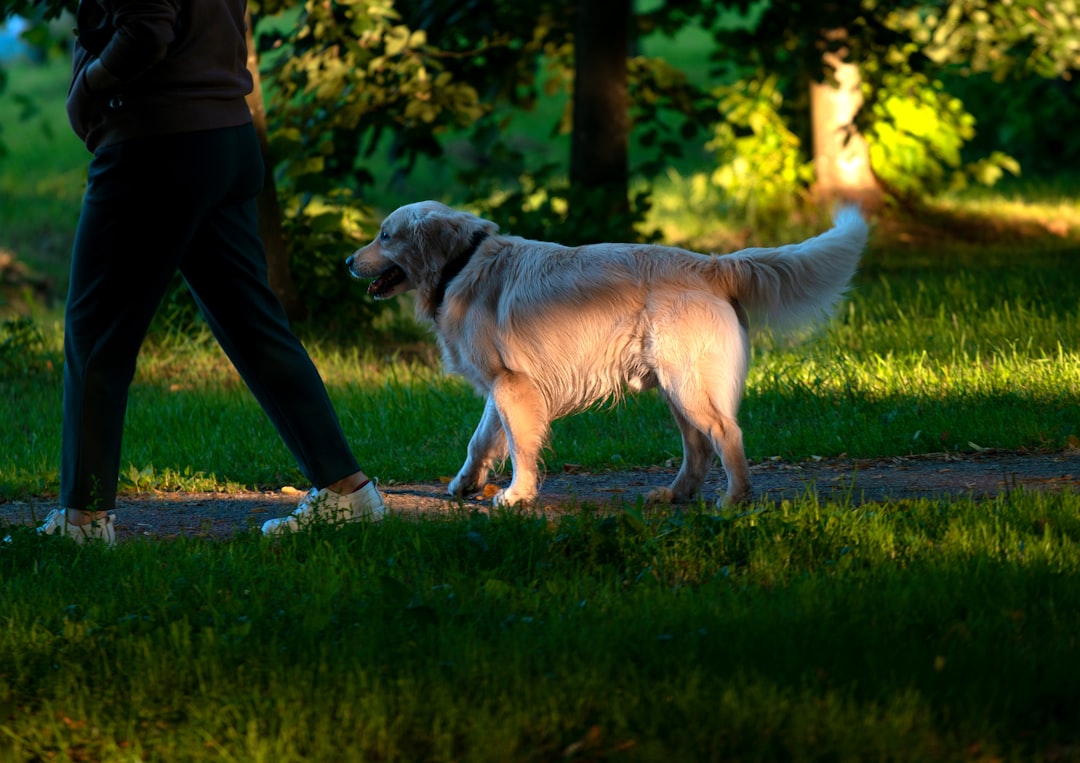
And if a dog owns your household, congratulations — you have a built-in accountability partner with zero respect for rainy-day excuses. A hands-free leash with a waist belt, like the iYoShop hands-free leash, frees your arms for poles or podcasts and turns the after-dinner walk into the shared ritual your dog always believed it should be.
When the Weather Refuses to Cooperate
There will be nights — hurricanes of obligations, actual hurricanes, ice, the kind of cold that makes your face hurt — when the front door stays shut. The habit doesn’t need to die those nights; it just needs an indoor understudy.

A slim walking pad is the most seamless swap. Mine slides under the couch, and ten minutes at two miles per hour after dinner requires no more willpower than standing at the sink doing dishes — which, notably, I’ve written about before in my experiment with slow walking while working. The current generation of folding pads with handlebars, like this compact home walking pad, stores nearly flat. If even that overstates your square footage, a mini stepper like the Sunny Health mini stair stepper takes up the footprint of a laundry basket and keeps the post-meal glucose logic fully intact — muscle contraction is muscle contraction, wherever it happens.
Making It a Ritual Instead of a Resolution
Habits fail when they rely on motivation. They survive when they’re welded to something you already do daily — and you already eat dinner daily. That’s the entire structural advantage of this habit: the anchor is bolted into your biology.
In our house the rule is simple and non-negotiable in shape but negotiable in everything else: after the last plate is served, someone says “walk?” and the answer is yes even when it’s ten minutes of complaining about the walk. My daughter sometimes brings a friend and they orbit us like chatty moons. My husband handles the dog logistics. Some nights it’s a vigorous march; last Tuesday it was a saunter that a snail would have found leisurely. The pace negotiates. The showing up doesn’t.
If your September is about to be swallowed by school schedules and activity carpools, this is also — truly — the family habit with the lowest coordination cost, something I dove into in my piece on turning back-to-school chaos into our fittest season. Everyone eats. Everyone can walk. Start tonight, with whatever shoes are by the door, and let the gear accumulate later only where it removes friction.
The Verdict on Ten Minutes
Longevity advice loves to sell you complexity, because complexity is where the margins live. But the habits that actually bend the curve tend to be almost embarrassing in their simplicity, and the after-dinner walk is the current champion of that category in my life. It blunts glucose spikes when timing matters most. It stacks with sleep, digestion, and mood. It’s free, it’s inheritable by your whole family, and it scales down gracefully to two minutes on the worst days without breaking the chain.
Ten minutes. Right after dinner. Tonight. The dishes really can wait — I’ve been testing that hypothesis for six weeks now, and I’m happy to report they’re still there when I get back.