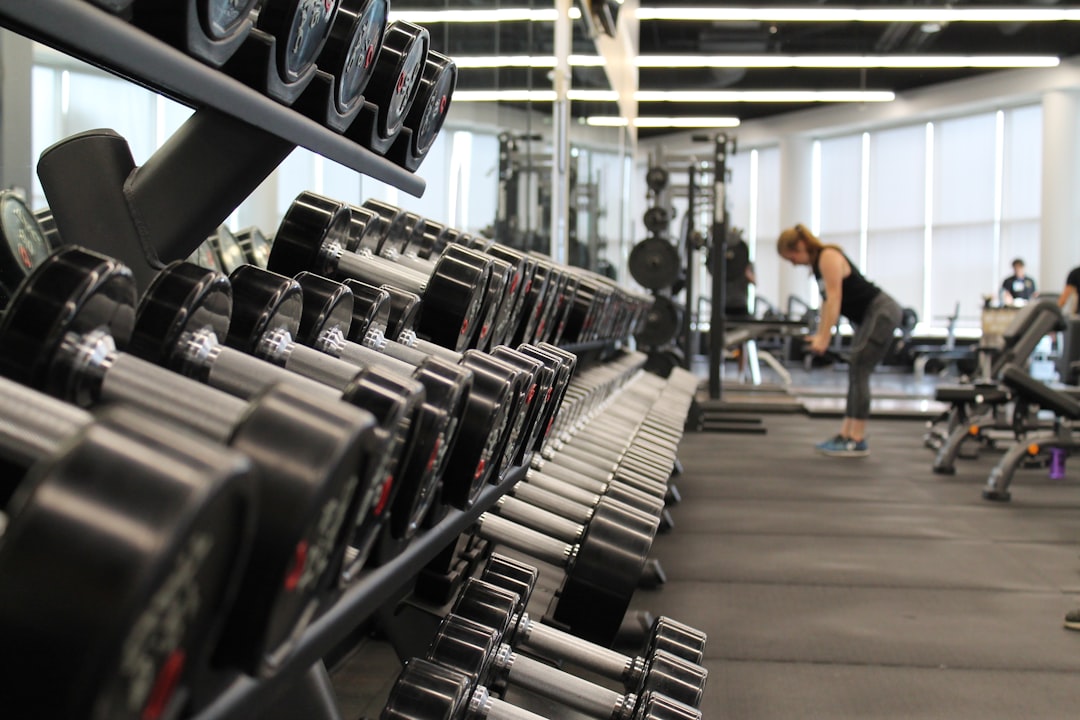
There was a season of my life when I trained twenty-two hours a week. Two-a-day track sessions, lifting blocks at six in the morning, plyometrics while the dew was still on the infield. I was chasing an Olympic heptathlon qualifying mark, and my entire worldview could be boiled down to three words: more is better. It wasn’t, by the way. More was what left me with a stress fracture in my left tibia and a very humbling conversation with my coach about recovery — but that’s a story for another day.
So when a new study crossed my desk this June and my research assistant flagged it with three exclamation points, I’ll admit I read it with a chip on my shoulder. Thirty years of follow-up. More than 147,000 adults. And the headline finding: somewhere between 90 and 120 minutes of strength training per week sits the sweet spot where the risk of dying during the study window dropped the most. Ninety minutes. That’s less time than I used to spend on a warm-up.
I’ve spent three decades in fitness, and this is the rare piece of research that made me physically put down my coffee and rethink how I program for clients. Not because it’s flashy — because it’s freeing. Let me walk you through what it means, why it matters, and exactly how to hit that dose without rearranging your entire life.
The Thirty-Year Study That Shrank My To-Do List
The basics first, because I refuse to be the coach who quotes a study she hasn’t read twice. Researchers tracked a massive cohort of adults across three decades and measured how much resistance training they did against, frankly, whether they were still alive at the end. The curve told a fascinating story: mortality risk fell steeply as weekly strength work climbed toward the 90-to-120-minute mark, then flattened out. Diminishing returns after two hours a week. Let that sink in.
This lines up beautifully with earlier pooled analyses covering hundreds of thousands of people, which found that even 30 to 60 minutes of weekly iron was associated with a 10 to 20 percent lower risk of early death. The new data simply sharpens the picture: if longevity is the goal, there’s a dose. It’s small. It’s achievable. And crucially, it doesn’t require a gym membership, a squat rack, or a personality transplant.
Here’s the math that changed my coaching whiteboard. Two 45-minute sessions a week equals 90 minutes. Three 40-minute sessions gets you 120. You can hit the entire longevity sweet spot between dinner and bedtime twice a week — no commutes, no waiting for the good bench, no awkward locker-room small talk. For busy parents, shift workers, and everyone who has ever told me “I don’t have time to lift,” the data just called your bluff. Gently. With love.

And before you assume you need barbells and plates: bodyweight counts. Push-ups, step-ups, doorframe rows, loaded carries with grocery bags. Resistance is resistance — your muscle fibers can’t tell whether it came from chrome-plated iron or your own bodyweight on a Tuesday night.
Your Muscle Is a Retirement Account
Why does such a modest dose punch so far above its weight? Because skeletal muscle isn’t just for lifting things — it’s your body’s largest metabolic organ, and it’s the only one you’re guaranteed to lose if you ignore it. Adults who don’t train lose somewhere between three and eight percent of their muscle mass per decade after thirty, and the decline accelerates after sixty. Muscle quietly governs how you handle blood sugar, how much force it takes to stand from a chair, and whether a stumble on an icy sidewalk becomes a funny story or a hip fracture.
When I explain this to clients, I use the retirement account metaphor: every strength session is a deposit, compound interest is real, and the account is painfully difficult to rebuild after decades of withdrawals. The research on grip strength tells the same story from another angle — grip below roughly 26 kilograms for men and 18 for women flags significantly elevated mortality risk. Your handshake, your carry, your ability to open the pickle jar: these are not party tricks. They’re vital signs wearing casual clothes.

The best part of this entire body of research? The people who benefit most from starting are the ones who’ve waited the longest. My oldest client is 74. She deadlifts a kettlebell, carries it around my studio like a suitcase, and recently beat her grandson at an arm-wrestle at Thanksgiving. Muscle is stubbornly, wonderfully responsive at any age — you just have to give it a reason to grow.
What Ninety Minutes Actually Looks Like
Okay, coach moment. If I hand you two 45-minute sessions, what goes in them? My team and I build every longevity template around five movement patterns: squat, hinge, push, pull, and carry. Cover those five and you’ve trained essentially your entire body with zero fluff. Here’s the exact two-day split I give clients who want the cliff notes:
Session A — Lower Body Focus
- Goblet squat — 3 sets of 8 to 10 slow, proud reps
- Hip hinge (kettlebell deadlift or band row from the floor) — 3 sets of 10
- Farmers carries — 3 trips of 30 to 40 steps, heavy as you can hold with tall posture
- Finisher: 60 seconds of step-ups on your stairs while the kettle boils
Session B — Upper Body Focus
- Push (floor or bench dumbbell press, or incline push-ups) — 3 sets of 8 to 12
- Pull (doorframe rows or band lat pulldowns) — 3 sets of 10 to 12
- Single-arm overhead press — 2 sets of 8 per side
- Finisher: a 90-second plank while your playlist shuffles to something embarrassing

Notice what isn’t there: no bis-and-tris isolation circuits, no forty-minute ab routine, no treadmill punishment laps. Rest 60 to 90 seconds between sets, keep one to two reps “in the tank” on every set, and aim to add a smidge of weight or one extra rep each week. That’s progressive overload, and it’s the entire secret. Lift a little more than last week, recover, repeat — for the rest of your long, strong life.
A Closet-Sized Setup Does the Job
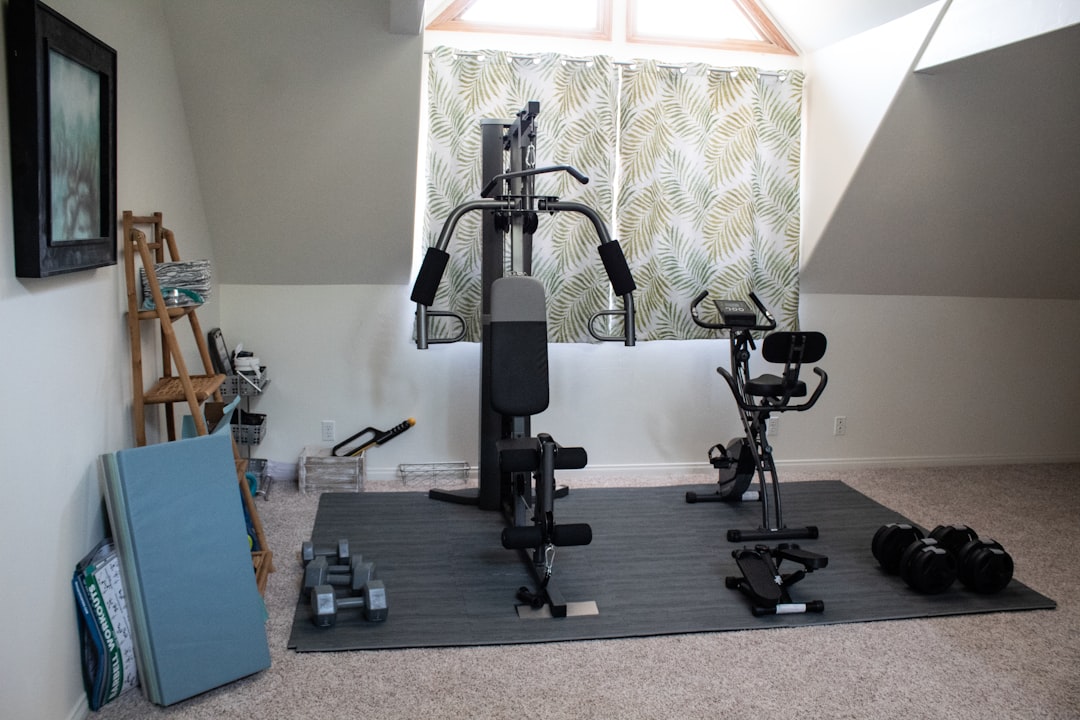
You do not need my old wall of iron. I sold most of mine, and I’ve written before about why smart adjustable weights replaced the entire rack — for this style of training, one pair of quick-select dumbbells like the CAP ADJUSTABELL set covers 80 percent of the work in the footprint of a shoebox. Pair them with a single cast-iron kettlebell (I’m partial to a 25-pounder for most beginners, 35 if you’ve been around the block) and you’ve bought the hinge, the squat, the carry, and the press for less than a month of boutique fitness.

For the pull pattern — the one people skip and regret — a no-screw doorway pull-up bar is the cheapest strength upgrade in existence. Can’t do a full pull-up yet? Loop a set of resistance bands with handles over it for assistance, or anchor them in the door for rows. I put together a complete guide to resistance bands after testing dozens of sets, and they remain the most under-appreciated longevity tool on the market — joint-friendly, travel-ready, and endlessly scalable.
From there it’s comfort and logistics: an adjustable bench that folds flat under the bed for pressing and supported rows, an extra-thick training mat so your knees forgive you, and — genuinely a client favorite — a palm-sized interval timer so you’re not babysitting your phone between sets. Rest periods you actually follow are the difference between a 45-minute session and a 75-minute one. Ask me how I know.
The Mistakes I Made So You Don’t Have To
A word from your coach, earned the hard way. The first mistake is treating the 90-minute minimum like a suggestion and stacking on junk volume — because the study also implies more isn’t better past a point. Chasing soreness instead of progress was my entire twenties. The second is ego loading: heaving weights you can’t control through full range teaches your nervous system to brace, not build. Leave the grinders to powerlifters with referees.
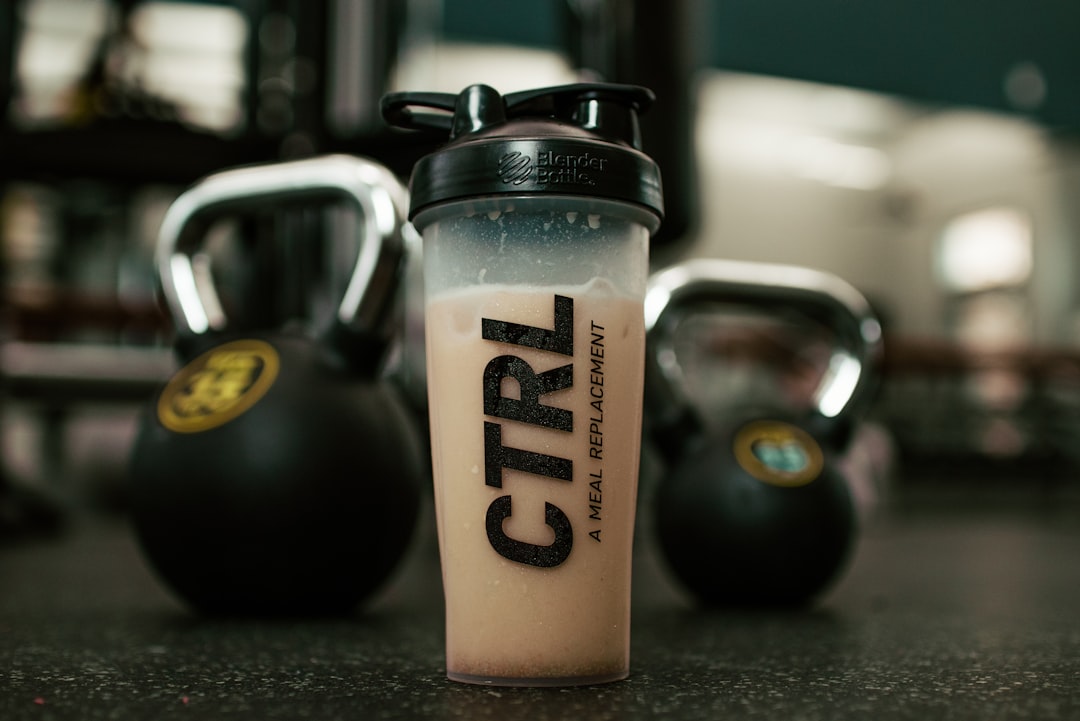
The third mistake is forgetting that muscle is built in the kitchen and the bedroom, not just under the iron. Your daily protein target is roughly 0.7 to 1 gram per pound of body weight, and most of my new clients are shocked by how far short they fall. A scoop of Gold Standard whey blitzed into oats or a smoothie is the cheapest insurance policy against that gap. And while we’re in the supplement aisle: plain micronized creatine monohydrate is the most studied, most boring, most effective strength supplement on earth — five grams a day, no cycling, no drama.
Two smaller footnotes from the trenches. If your grip gives out before your back does on rows and carries, lifting straps let the target muscle keep working — just don’t let them become a crutch, since grip strength is one of your longevity markers. And recover like it’s your job, because it is. I protect my slow, steady cardio sessions and my ten-minute after-dinner walks with the same ferocity as my lifting days. Cardio capacity and daily movement aren’t competition for your 90 minutes — they’re the supporting cast that makes those minutes count.
My Week at Forty-Something, In Full
Since clients always ask, here’s the whole grid. Monday: 45-minute Session A while dinner’s in the oven. Tuesday: an easy 30-minute walk with a podcast. Wednesday: 40 minutes of zone 2 on the bike or trails. Thursday: 45-minute Session B, usually followed by the world’s most deserved Epsom salt bath. Friday: mobility flow and stretching — fifteen unhurried minutes. Weekends: long family walks, yard work I genuinely enjoy, and complete, gloriously unstructured rest.
Add it up and the structured lifting totals exactly 90 minutes. My resting heart rate is lower than it was in my competitive season, my bloodwork makes my doctor bored in the best way, and I can still carry both groceries and a cranky nephew up a flight of stairs without a second thought. The girl who trained twenty-two hours a week for a spot on the Olympic team never learned what the woman at forty-six knows now: you don’t have to live in the gym for the gym to change how long — and how well — you live.
So here’s my challenge to you, and I mean the gentle, achievable kind. Block two 45-minute windows this week. Not “find time” — block it, the way you’d block a dentist appointment. Run the two-session template above for six weeks, add a rep or a little iron when things feel easy, and watch what happens to your energy, your posture, and your confidence. Ninety minutes a week. One small deposit at a time, into the account that pays out in years. Future you is already grateful — and honestly, she’s going to be an absolute force.



4 Comments on “Ninety Minutes of Iron: The Weekly Strength Dose That Rewrote My Coaching Playbook”