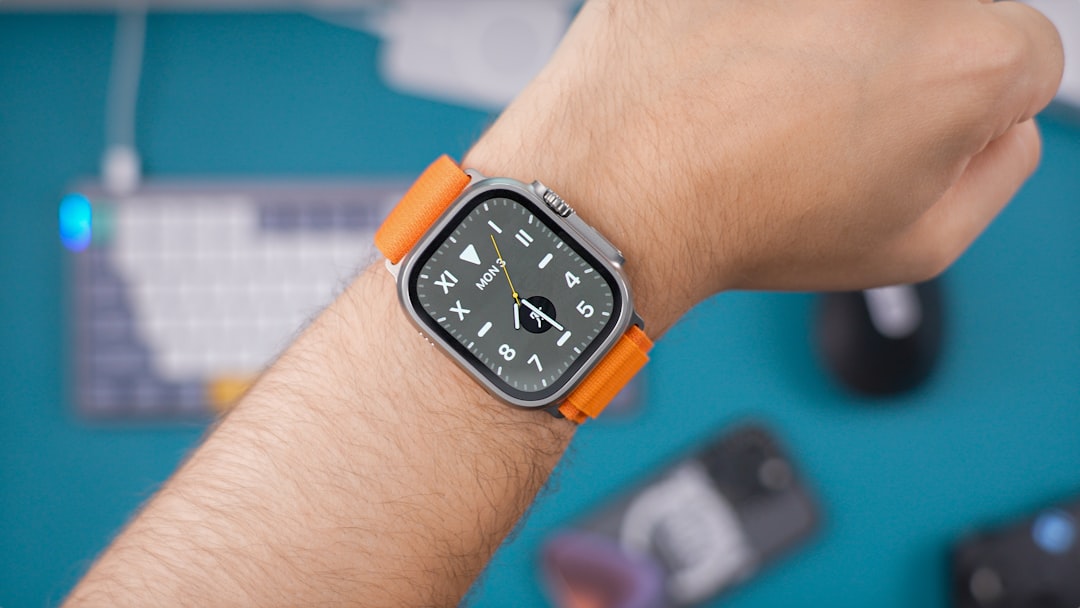
My phone started buzzing before my alarm did on Tuesday, and that never happens unless the news is either very good or very shiny. This week it was both: Apple officially pulled back the curtain on the Apple Watch Series 12, and buried in the keynote — between the sleek titanium and the obligatory fitness-model montage — was the feature my clients have been asking me about for two years. A readiness score.
If you missed the announcement, here’s the short version. The new watch analyzes your recent activity, training load, vitals, and sleep score, then distills all of it into a single number from 0 to 10 with a plain-English verdict attached: Recover, Pace Yourself, Ready, or Go For It. That’s it. No dashboards to decode, no scatter plots. Just a daily answer to the only question that matters on a gray Wednesday when the bed is warm and the barbell is cold.
I’ll be honest — I laughed out loud when I saw it. Not because it’s bad, but because for fifteen years I had a coach who did exactly this with a stopwatch, a clipboard, and a raised eyebrow. He called it “the look test.” Apple calls it an algorithm. But the real story this fall isn’t the score itself. It’s the price war brewing underneath it, because while Cupertino was on stage announcing a premium watch, Google was quietly shipping a $99 tracker with no subscription at all. Welcome to the readiness wars.
What Actually Launched This Week
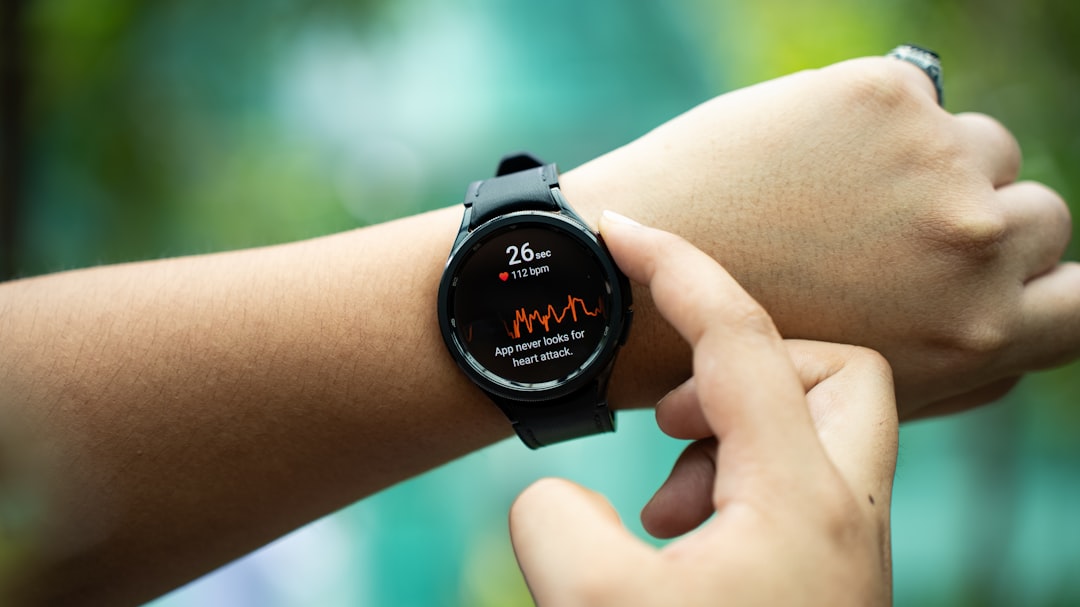
Let’s separate marketing from hardware, because the two got tangled fast. The Series 12 arrives with what Apple is calling its Health Sensing System: a second-generation electrical heart sensor, an always-on optical heart sensor, a blood oxygen sensor, and a temperature sensor, all feeding an updated Vitals app. Apple claims it’s the most accurate heart rate sensing they’ve ever put in a wearable, and based on what my team saw in the spec sheets, the claim is at least plausible rather than pure theater.
Now for the myth I’ve already had to bust four times this week: the watch does not measure your blood pressure. There’s no blood pressure sensor in there. What it offers are hypertension notifications — pattern-based alerts from the data it does collect that suggest you should have a conversation with your doctor. That distinction matters, and anyone telling you otherwise is selling something. The rest of the health stack carries forward: ECG readings, sleep apnea notifications, blood oxygen, and a daily sleep score.
The genuinely new part is Readiness, along with a clever Health Age concept that blends VO2 max, HRV, and sleep data — you can even import biometrics from your blood work for a deeper picture. Readiness is the feature with teeth, because it stops describing your body and starts making a recommendation about it. My team ordered two units before the keynote replay finished, a 46mm Series 12 for me and the smaller wrist-size for one of my assistant coaches, and we’ll have real training data on both soon.
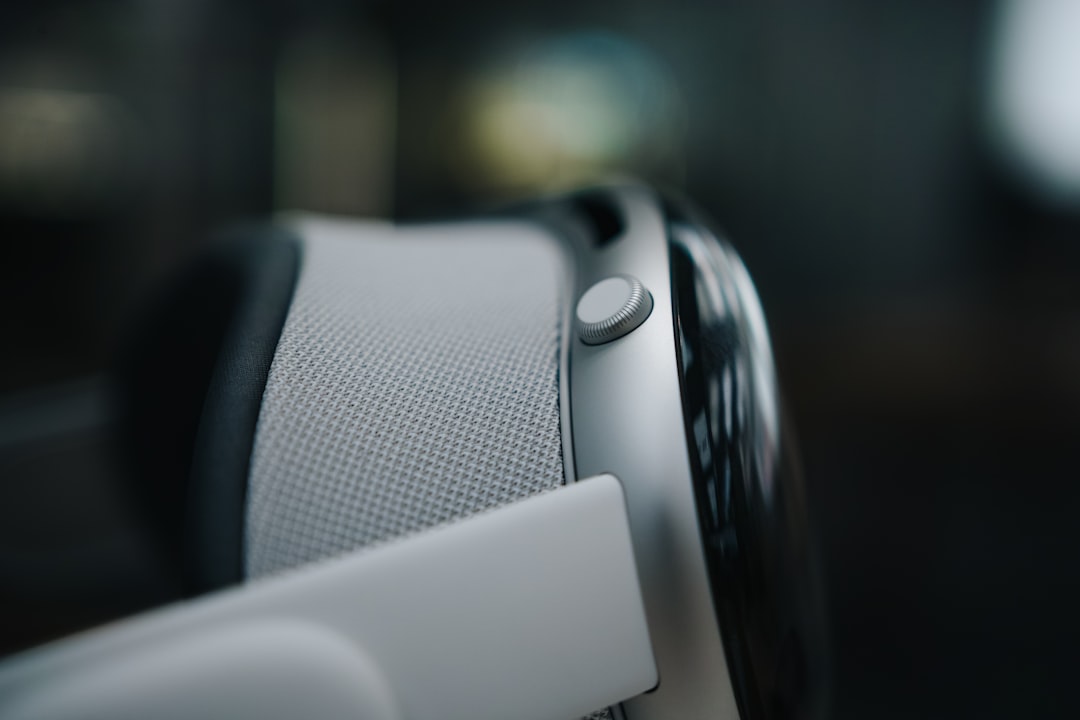
Readiness Didn’t Start in Cupertino
Here’s what the keynote didn’t say: readiness scores have existed for years, and the companies that built them did the hard, unglamorous work of validating them. WHOOP turned recovery scoring into a lifestyle with its screenless band. Oura packed a readiness grade into a titanium ring. Garmin’s Body Battery has been telling runners when to charge and when to coast for several generations of watches. Apple didn’t invent the category — it mainstreamed it, which is arguably more powerful.
I say that with affection, not cynicism. When I wore three fitness trackers at once for ninety days a couple of summers ago, I learned that these scores disagree with each other more than they disagree with your instincts. Different sensors, different algorithms, different philosophies. And when a tiny ring replaced my fifteen-year watch habit, what struck me most was how much the form factor changed which data I actually trusted.
The old guard isn’t standing still, either. WHOOP’s current hardware, like the WHOOP Peak with its twelve-month membership, still bundles the score into a subscription — brilliant if you live inside the ecosystem, pricey if you just want the one number each morning.
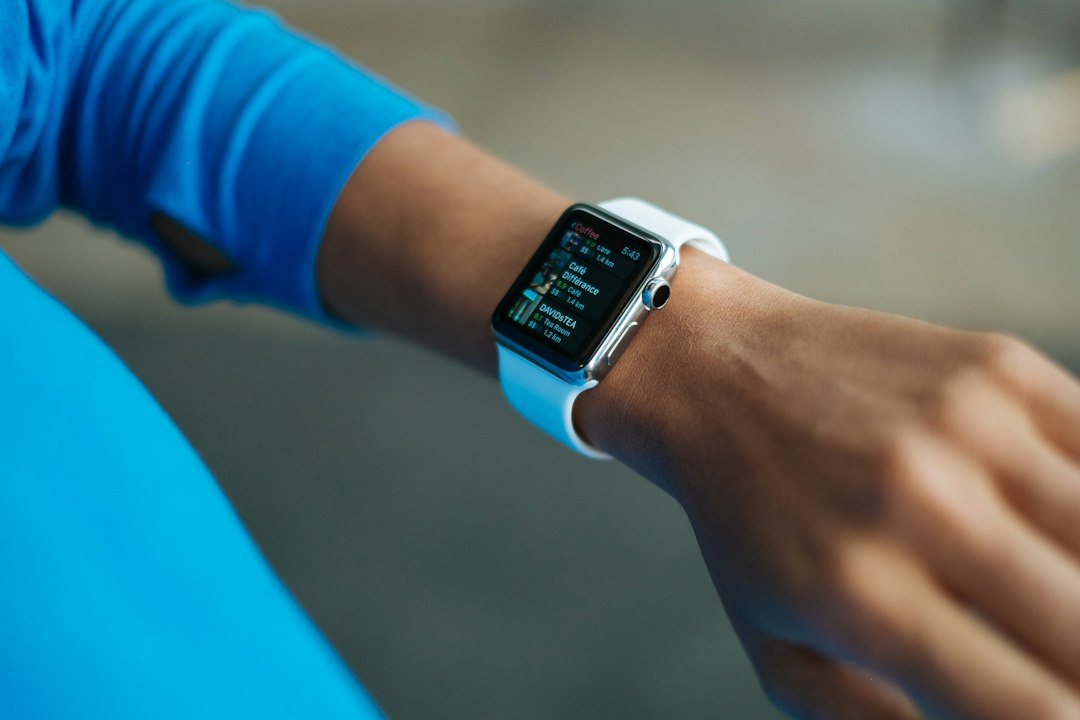
The Ninety-Nine Dollar Wrench
While everyone was watching Apple, Google threw the wrench. The new Fitbit Air is screenless, featherlight, tracks activity and sleep around the clock — and costs $99 with no monthly fee. None. For context, a typical recovery-tracker subscription runs a couple hundred dollars a year, every year, forever. Over three years, that’s a car payment for numbers that a one-time $99 band now approximates for most people’s needs.
And Fitbit isn’t alone. The Luna Band made waves in our gear closet for the same reason: pay once, wear it, sleep in it, wake up to a recovery number. There’s a whole quiet rebellion of screenless wearables that stopped asking for your credit card annually, and honestly? Most of my YMCA group-fitness regulars belong in this camp, not the $800-watch camp.

The Fitbit Air: screenless, subscription-free, and $99.
To be fair, subscriptions aren’t a scam — they pay for the coaches, data scientists, and constant algorithm updates that keep a platform improving after you buy it. If you’re a WHOOP devotee who lives for the weekly report and actually changes behavior because of it, that fee earns its keep. The problem was never that subscriptions exist; it’s that there was no exit. Now there is, and suddenly every company charging monthly has to justify the bill in a world where $99 gets you the headline number. That’s what a real market looks like.
The Fitbit Air itself is the one to watch this holiday season, and if you want a small screen without any recurring fees, the trusty under-$100 Inspire 3 refuses to die for good reason. Google isn’t being charitable here — it wants to own the health-data layer on a billion Android wrists, and free-ish hardware is how you win that war. As a consumer, you get to be the beneficiary of two trillion-dollar companies throwing punches.
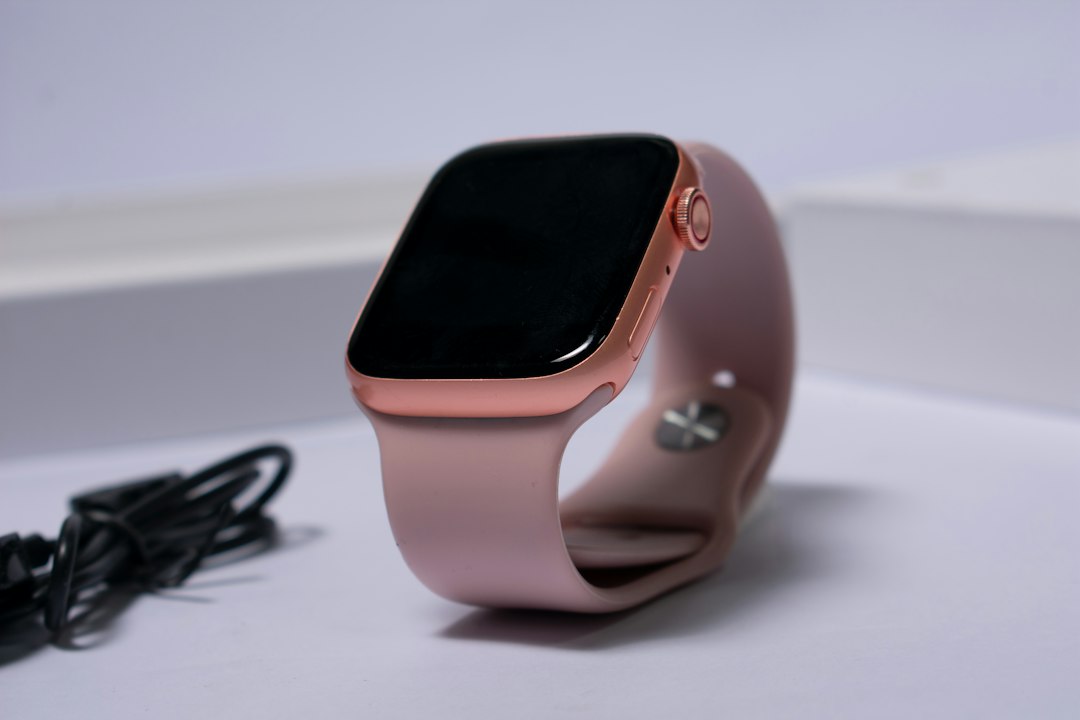
Oura’s Quiet Counterpunch
The most interesting counter-move came from Finland. The new Oura Ring 5 is thinner than its predecessor, tracks more than fifty health metrics, and leans hard into sleep, stress, metabolic signals, and women’s health insights. Rings remain my favorite form factor for overnight data — nothing on your wrist, nothing digging into your skin, and finger-based pulse readings tend to be wonderfully stable for the hours that matter most to recovery scoring.
The catch, as always with Oura, is that full insights sit behind a membership on top of the hardware cost. So while the Oura Ring 5 is arguably the best sleep-and-recovery hardware you can buy right now, the readiness wars are forcing even Oura to justify its monthly line item. That pressure is good for all of us.
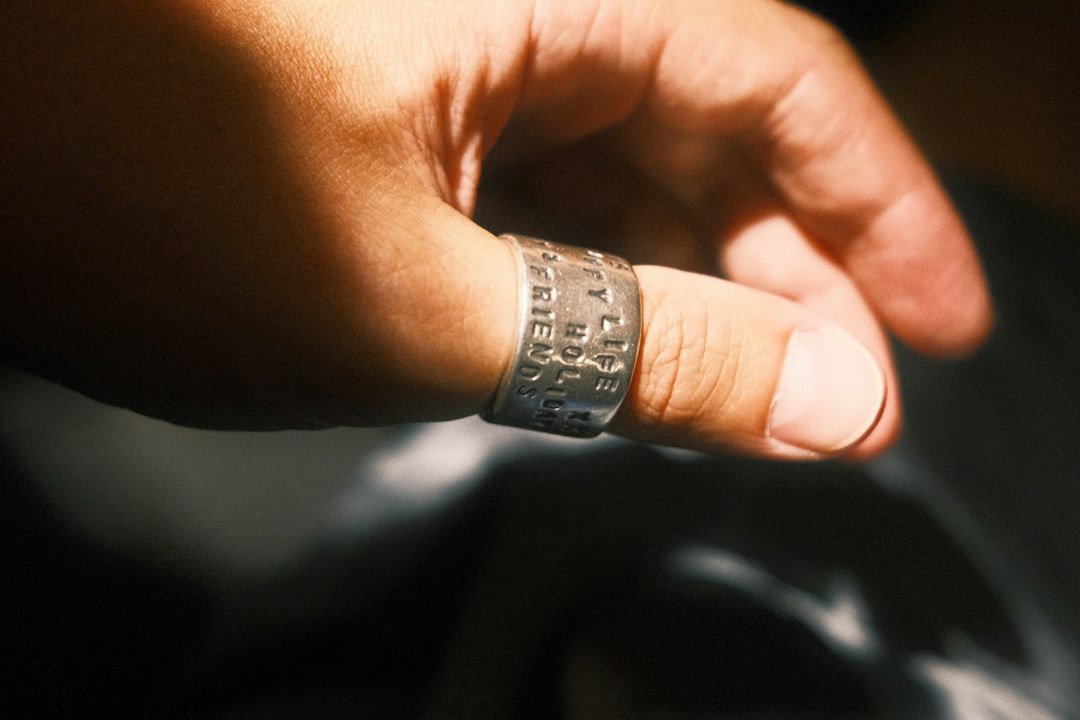
Matching the Tracker to the Human
My team spends more time un-recommending gadgets than recommending them, so here’s our current field guide for the fall season. The profiles matter more than the products.
- The iPhone loyalist: The 42mm Series 12 (or 46mm if you like bigger screens) is the safest all-around pick — readiness, ECG, hypertension notifications, and the entire app ecosystem in one device.
- The data-obsessed athlete: Garmin’s fēnix 8 still gives training-load tools the others only gesture at, and battery life measured in weeks rather than hours.
- The Android household: Samsung’s Galaxy Watch 8 bundles a similar health stack with deep phone integration, and its energy-score approach will feel familiar.
- The budget starter or gift-giver: Fitbit’s Charge 6 delivers real insights without a subscription and without intimidating anyone new to tracking.
- The accuracy purist: Wrist optical sensors still trail a good chest strap. The Polar H10 remains the gold standard — my month of dual heart-rate data showed gaps of forty beats during intervals on some days.
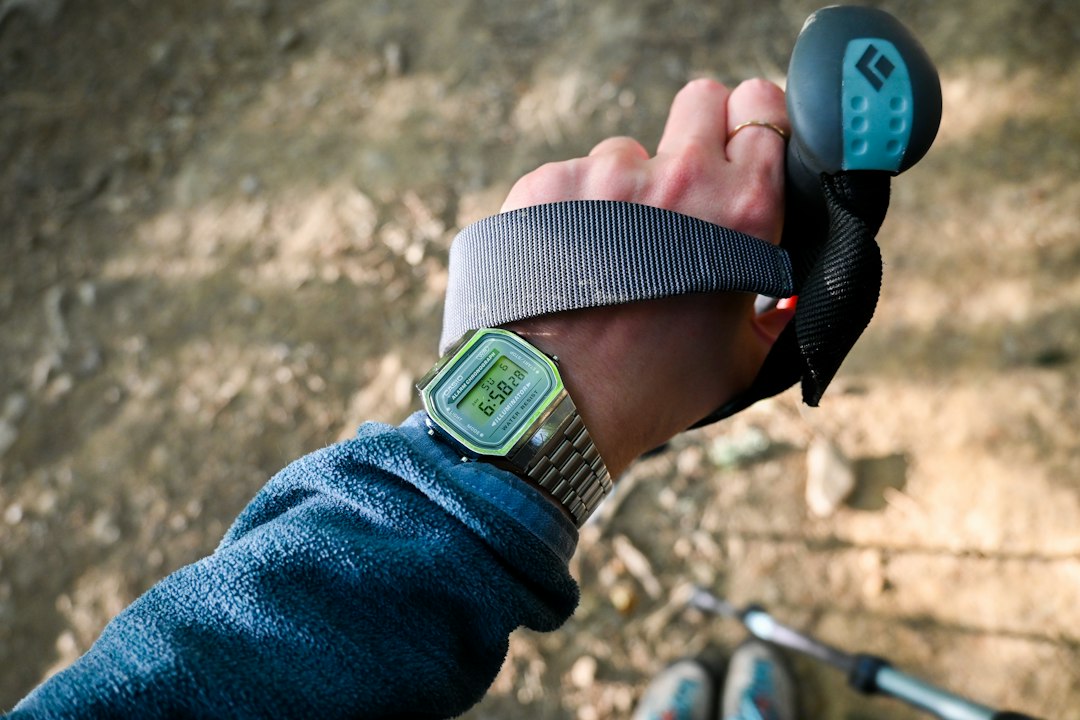
When the Score Starts Coaching You
One caution before you hand your judgment to a wrist-worn oracle. A readiness score is a summary of your averages, not a verdict on your potential. I’ve watched clients let a 6 out of 10 veto leg day three weeks in a row, and then wonder why their squat stalled. Elite sport taught me the opposite lesson: some of my best performances came on days every signal said to stay home. The score should inform the decision, never make it.
Second, remember what feeds the number. Sleep is the heaviest input by far, so a chronically mediocre readiness score is usually a sleep-debt report wearing a fitness costume. Fix the input — the consistent wind-down, the dark cool room, the last-screen curfew — and the score follows. And third, the algorithm doesn’t know you’re on day two of your cycle, fighting a deadline, or grieving. You do. Context beats computation more often than tech companies like to admit.
That’s also why my team is running a thirty-day experiment with the two Series 12 units: every morning, we each log our gut feeling about the day’s training before looking at the watch, then compare it to what Readiness says after the fact. The scoreboard lives on a whiteboard in my office, and I’ll report back with the full data. My hypothesis, having tested nearly every recovery gadget of the past decade: the algorithm will win on consistency, and we’ll win on the edge cases. Both lessons are worth knowing.
That’s the sermon I gave my Tuesday-morning YMCA class, perched on a stack of mats, holding up my old ring and my newer band like a before-and-after exhibit. Their verdict was the correct one, I think: buy the cheapest device that answers your actual question, ignore the rest, and remember that no subscription can train for you. The readiness wars will rage on through the holidays — Series 12 versus Air versus Ring 5, subscription versus one-time purchase, wrist versus finger. But the score has never been the hard part.
The hard part was always getting out the door. That part’s still free.