Every September, around the time the school buses reappear and the morning air gets that first cool edge, I put a reminder on my calendar that reads like a riddle: “The sun is leaving. Act accordingly.” My husband thinks it’s dramatic. My clients think it’s funny. My bloodwork disagrees with both of them.
Here’s the part most people never learn: the sunlight that returns after Labor Day is not the same sunlight. The equinox is a week out, we’re hemorrhaging daylight at close to three minutes a day here in the Northeast, and the sun is arcing lower across the sky with every passing week. Sometime in the next four to six weeks, depending on where you live, that low-angle sun physically stops being able to make vitamin D in your skin. It’s not a gradual fade so much as a factory closing for the season.
I’ve watched this happen on paper for twenty years of coaching. Late-September bloodwork looks respectable. The same clients, retested in February, look like different people. The drop is that consistent, and that predictable — which means it’s also that preventable.
The Forty-Nine-Degree Problem
Vitamin D synthesis runs on UVB radiation, and UVB is the pickiest wavelength in the sky. When the sun climbs higher than roughly 45 degrees above the horizon, UVB passes through the atmosphere and your skin can do its work. When the sun sits lower than that, the atmosphere filters out essentially all the UVB before it ever reaches you. You can be outside, in direct sun, feeling warm on your face in November — and making precisely zero vitamin D.
The research on this is older than most of my clients. A classic study out of Boston found that winter sunlight there promoted no vitamin D production in human skin from November through February, and Boston sits at 42°N. European modeling across 35°N to 69°N found “vitamin D winters” lasting anywhere from two to eight months depending on latitude. If you live north of roughly 35 degrees — that’s Memphis northward, which covers two-thirds of the U.S. population — your skin has an annual shutdown window, and for many of you it starts in October.

Two things make this worse than it was for our grandparents. We work indoors during peak UVB hours, and we wear sunscreen when we don’t — both for excellent reasons. But the math adds up to a population that runs low even in July, then slides into a six-month synthesis blackout starting each fall. Roughly four in ten American adults are already below what most endocrinology groups consider adequate, and winter only widens that gap.
My September Bloodwork Tradition
So the first thing on my ritual list isn’t a supplement. It’s a number. For the past few years, my coaching team and I have started every fall the same way: an at-home vitamin D test kit for me and for any client who wants one — a finger prick, a few drops on a card, and a 25(OH)D result back in about a week.
I test in September on purpose. It’s your last honest reading of the year. Whatever your number is now, it’s the high-water mark; everything after this trends down as the UVB window narrows. A client sitting at 38 ng/mL in mid-September is going to be in the twenties by February unless we intervene. I’d rather see the slide coming than chase it downhill.
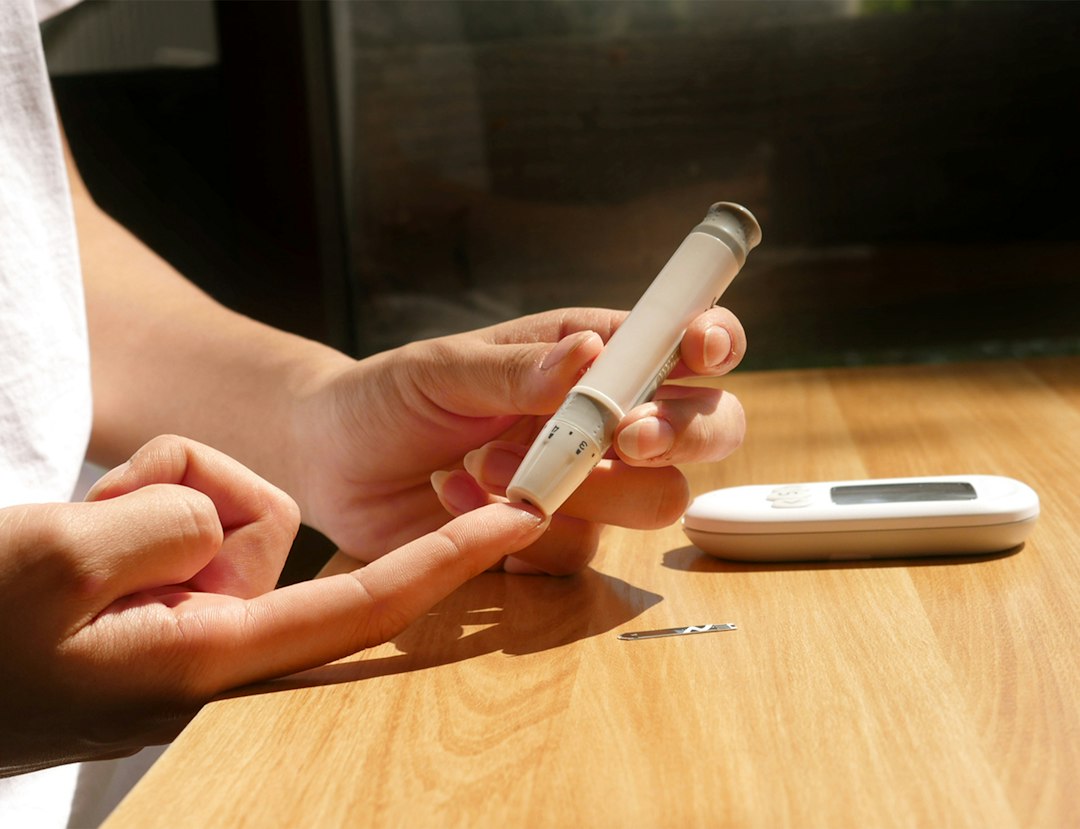
If you’ve never tested, the at-home route runs about the cost of a nice dinner and spares you a lab appointment. You can also tack it onto routine bloodwork at an annual physical — just ask your doctor to add a 25(OH)D draw. Either way, get the number before you start guessing at doses. Guessing is how people end up taking 10,000 IU forever on a hunch, or taking nothing at 15 ng/mL when their body is quietly begging.
How I Actually Dose It
Once I know my September number, the rest is arithmetic and habit. The consensus dosing most clinicians work from is somewhere between 600 and 2,000 IU daily for maintenance, with higher therapeutic doses — often 4,000 to 5,000 IU — used for a few months to pull a low number back up, ideally under a doctor’s eye. I’ve landed on a personal pattern of 2,000 IU daily through winter when my September test is healthy, and a documented bump to 5,000 when it isn’t, retesting in February to confirm the needle moved.
Format matters less than consistency, but I’ve developed loyalties. I take a D3 + K2 softgel with coconut oil as my daily driver — D3 because it raises blood levels more effectively than D2, K2 because it helps direct calcium toward bone instead of soft tissue, and an oil base because D is fat-soluble and absorbs poorly with a naked stomach. When I want a budget workhorse for the higher-dose winter months, my team runs Nutricost’s 5,000 IU D3 + K2, which is third-party tested and costs pennies per day.
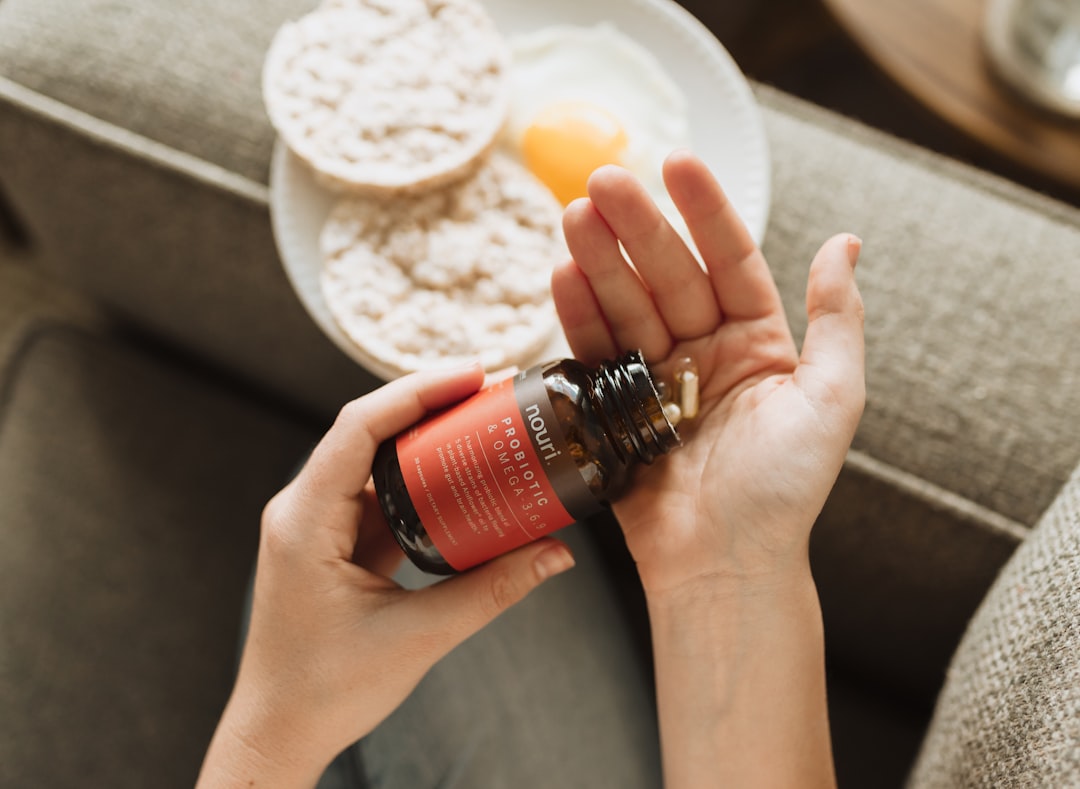
Not everyone swallows pills happily, and that’s fine — I wrote a whole piece about what testing every supplement format taught me about smart spending, and the lesson holds: the best supplement is the one you’ll actually take. Liquid D3 drops vanish into morning coffee or oatmeal with zero taste, and they’re the format I hand to clients who travel constantly. The kids in my family programs get a 1,000 IU gummy each morning from October through April, which they consider a treat and I consider the easiest sell in coaching.
One timing note that took me years to appreciate: D3 hangs around in your body for weeks, so the daily ritual matters far less than the weekly average. Miss a Tuesday? Take it Wednesday. The clients who obsess over perfect daily compliance burn out; the ones who build a loose, forgiving habit around breakfast keep their numbers up all winter.
The Cofactors That Do the Quiet Work
Vitamin D is not a solo act, and treating it like one is how people take a supplement for years and see their number barely budge. Converting D into its active form requires magnesium — a mineral most adults under-consume and one I famously dismissed for months until my recovery quietly fell apart without it. If your D won’t move despite honest supplementation, magnesium is the first place I’d look.
Vitamin K2 is the other partner, which is why I buy the combination formula rather than standalone D. And I keep omega-3s in the conversation because vitamin D and fish oil occupy the same metabolic real estate — D is fat-soluble, and the fat you take it with shapes how much you absorb. My favorite two-birds-one-stone is cod liver oil, which delivers a modest natural dose of D alongside omega-3s and vitamin A, the way coastal populations have gotten it for centuries. It’s not enough to fix a true deficiency on its own, but as a food-based foundation, it’s hard to beat.

The unglamorous truth is that winter D status is a systems problem: the vitamin, the cofactors, the fat you take it with, and the sleep that regulates all of it. Get the team working together and the bloodwork follows.
What Actually Moves the Needle on the Plate
I believe in supplements precisely because food alone can’t fix this — but food can absolutely widen the margin. Wild-caught salmon is the heavyweight: a fillet delivers somewhere in the neighborhood of 400 to 600 IU per serving, plus the omega-3s and the protein my training clients need anyway. My pantry keeps canned wild sockeye on rotation for exactly this reason — salmon cakes on a Tuesday take twenty minutes and quietly fund the vitamin D account.

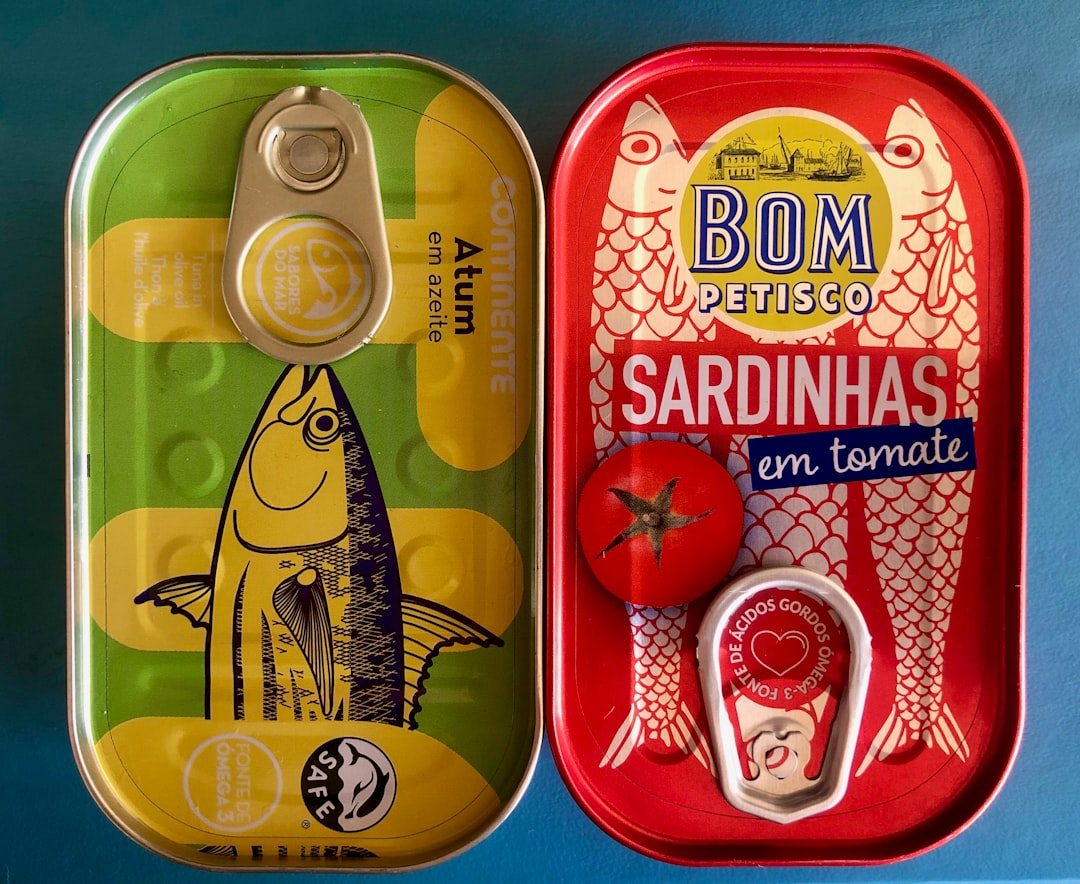
Sardines are the underrated play. A single tin delivers roughly 150 to 250 IU along with calcium from the soft bones, and the smoked ones in olive oil have converted more than one skeptic in my YMCA classes. Egg yolks bring about 40 IU apiece — modest, but a two-yolk breakfast every morning adds up over a season. UV-exposed mushrooms can contribute meaningful D2 as well, though you have to look for brands that specifically advertise UV treatment.
Add it all up and a deliberate food day might net you 800 to 1,000 IU. That’s real, meaningful support — and also why I don’t pretend food alone closes a winter gap. The plate widens the margin; the softgel closes it.
The Lamp Question Everyone Asks Me
Every fall, someone in my orbit asks whether a happy lamp can double as a vitamin D strategy. I love the instinct, and I hate the answer: no. The 10,000-lux boxes that help with winter mood are deliberately UV-free — UV is the part of sunlight that damages eyes and skin, so manufacturers filter it out. Zero UVB means zero vitamin D synthesis, full stop, no matter how many lumens you bathe in.
But before you cross the lamp off your list — I still use mine every single morning from November through March. Bright morning light supports alertness, mood, and circadian anchoring during the exact months when losing two minutes of daylight a day quietly dismantles your sleep and motivation. My 10,000-lux lamp sits beside the coffee maker and runs while I eat breakfast and take my D3. The lamp handles the mood; the softgel handles the vitamin. Two tools, two jobs, same fifteen minutes.

A Calendar You Can Steal
After two decades of refining this with clients, here’s the schedule I’d hand you on a notecard. Mid-September: test your 25(OH)D — this is your baseline high-water mark. October 1: start (or adjust) daily D3 with a fat-containing breakfast, sized to your number and, ideally, your doctor’s input. November through February: hold the routine, add the morning lamp when the dark mornings start to sting. Early February: retest. February matters because it’s the seasonal floor — if your number survives February, you’ve won the winter. And come April, when the sun climbs back above the magic angle, you can start letting your skin take shifts again.

I fold this into the same late-summer window as the immune protocol I start every August, because vitamin D status and immune resilience move together — most immune cells carry D receptors, and winter is when both get tested. The clients who run the full sequence don’t just keep their numbers; they skip the January slump that takes everyone else down.
The sun is leaving. It comes back — it always does. But between now and April, your skin is off the clock, and the job belongs to you. Test the number, dose it honestly, eat like you mean it, and let February prove you right. That’s the whole ritual. Now go enjoy the last of that low, golden light — it may be useless for vitamin D, but it’s still my favorite light of the year.