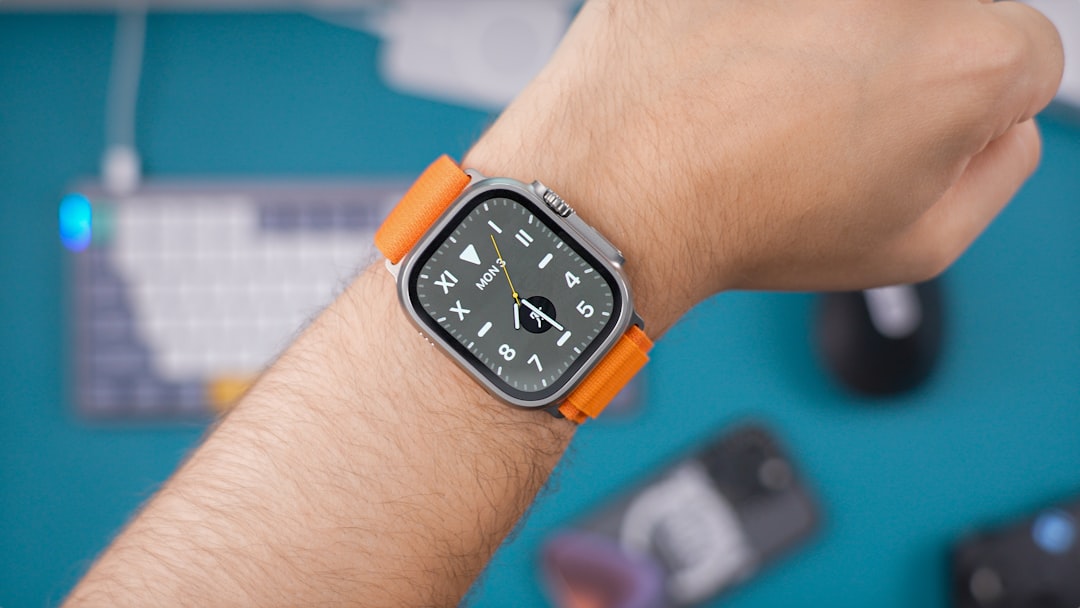
My phone started buzzing before my alarm did on Tuesday, and that never happens unless the news is either very good or very shiny. This week it was both: Apple officially pulled back the curtain on the Apple Watch Series 12, and buried in the keynote — between the sleek titanium and the obligatory fitness-model montage — was the feature my clients have been asking me about for two years. A readiness score. If you missed the announcement, here’s the short version. The new watch analyzes your recent activity, training load, vitals, and sleep score, then distills all of it…
-
-
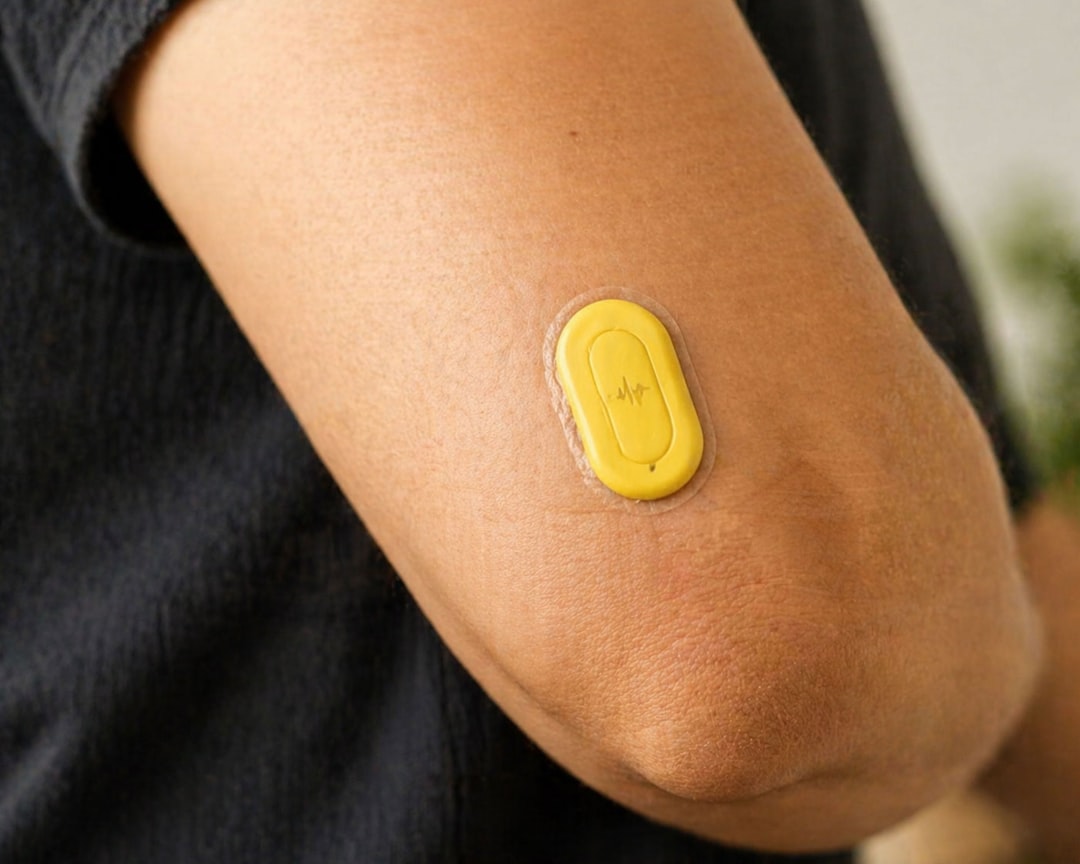
There is a specific kind of August morning where the air feels like a wet towel by mile two, and this year I spent most of those mornings with a small plastic pod clipped to my left forearm, listening to it narrate my sweat. Every second, it streamed fluid loss, sodium concentration, and a drink-or-don’t verdict to my phone while I plodded through the humidity. My running partners thought I’d finally gone full lab rat. My coaching clients thought it was hilarious that the woman who preaches “learn your body” had outsourced hydration to a sensor the size of a…
-
The text came in at 3:14 a.m. My client Dana — 48, marathoner, more disciplined than half the college athletes I’ve coached — had woken up soaked for the fourth night that week. Her smartwatch, meanwhile, insisted she’d logged “excellent sleep, 96% recovery.” She sent me a screenshot with three words: “Make this make sense.” I stared at it for a long moment, because I’ve lived some version of that same mismatch myself. For years, the wearable industry built its algorithms around bodies that run like metronomes — predictable cycles, stable temperatures, textbook sleep architecture. Then perimenopause arrives and quietly…
-
I have a confession. Over the past eight months, my team and I have spent well over $600 on continuous glucose monitors. We’ve peeled dead sensors off triceps in gym parking lots, explained the little white circles on our arms to curious strangers at Whole Foods, and stress-tested every consumer CGM platform available without a prescription in 2026. What started as curiosity — after that first $49 sensor blew my mind last summer — turned into a full-blown comparison project. Here’s what nobody tells you when you’re standing in the pharmacy aisle or scrolling Amazon at midnight: the CGM landscape…
-
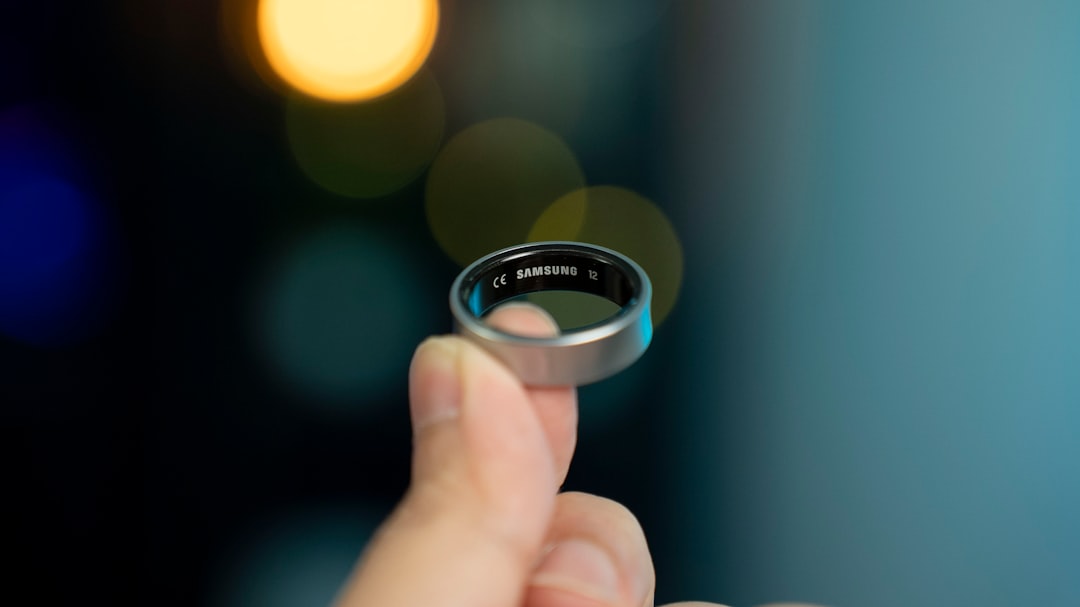
I’ve been wearing some version of a health tracker on my body since 2009. Back then, it was a clunky pedometer strapped to my hip during track practice, and I thought it was sorcery. Fifteen years and roughly a dozen wearables later, I’m here to tell you that the war happening right now in smart rings isn’t about sensors anymore. It’s about which company built the brain that actually makes sense of all that data while you sleep. Seven days ago, Ultrahuman pushed something called the Emerald update to every ring they’ve ever sold. I woke up that morning to…