People love to ask what the heptathlon was really about. They expect a story about speed, or maybe the long jump runway at six in the morning. But the honest answer surprises them: the whole seven-event circus ran on balance. Hurdles are a balance problem with a clock attached. The high jump approach is a one-legged landing at full speed. Shot put is a controlled fall that you win instead of lose. I spent a decade training an invisible skill, and then I walked into mainstream fitness culture and discovered almost nobody trains it on purpose.
That changes the moment someone new joins my coaching roster. Before we touch a single weight, I have them take off their shoes and stand in the corner of the gym near a rack. Then I ask them to lift one foot. Ten seconds, each side, eyes open, fingertips on the rack if needed. My team logs the numbers the way other coaches log resting heart rate. It takes less than a minute, and it tells me more about how a person is actually aging than most of the glossy metrics on their phone.
I call it the fourth pillar. Strength gets all the glory, cardio owns the headlines, mobility finally gets respect — and balance quietly decides whether the other three survive contact with an icy sidewalk. So this is the piece I’ve wanted to write for a while: why balance deserves a permanent line in your training plan, and exactly how I build it for clients from their twenties to their eighties.
The Test That Takes Ten Seconds
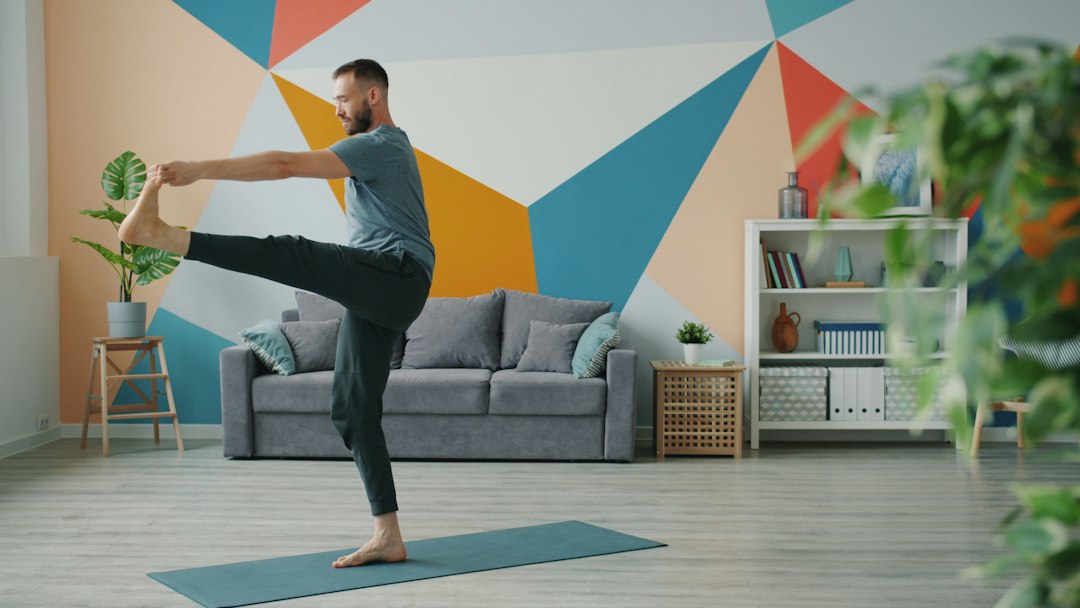
Here is the whole protocol, straight from my clipboard. Stand barefoot near a counter or a door frame you can grab. Place one foot against the calf of the standing leg, pick a spot on the wall at eye level, and lift into your one-leg stand. Start the clock. You pass if you hold ten clean seconds without putting the foot down, teetering sideways, or grabbing support. Then switch sides, because nearly everyone has a “good leg” that has been quietly covering for the other one for years.
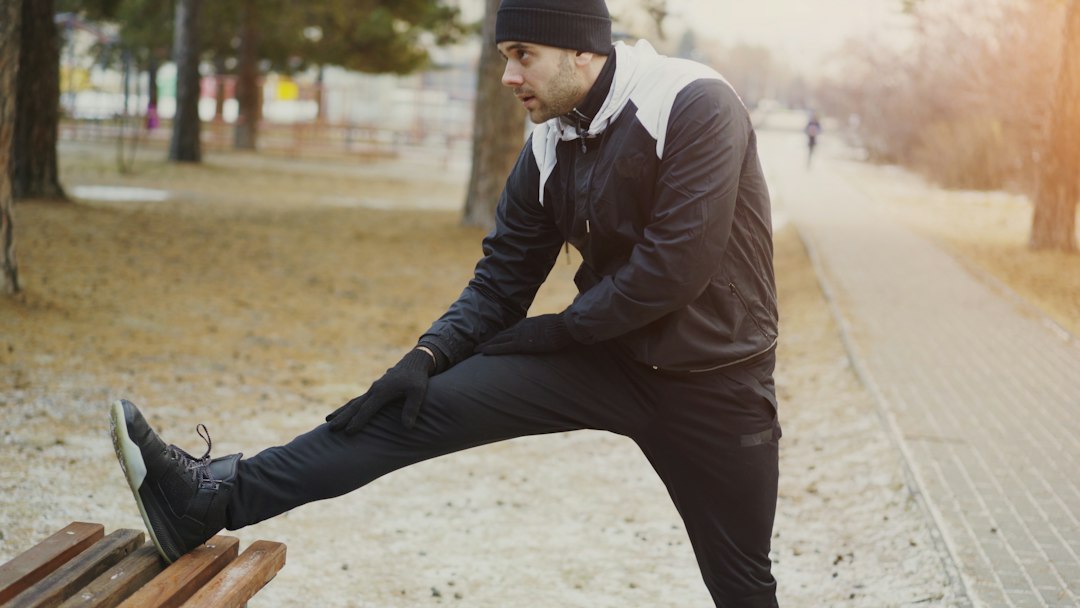
Why ten seconds? Because researchers started using this exact screen with middle-aged and older adults, and the results were humbling. In a large Brazilian study that followed participants for years, people who could not complete a ten-second one-leg stand had roughly double the risk of dying during the follow-up period compared to those who passed. It’s not that wobbling kills you — it’s that failing this test tends to travel with a whole caravan of other declines: strength, reaction speed, and the quiet erosion of the systems that keep you upright.
If you want the fuller picture of how you’re aging, pair it with the floor sit-and-rise test I put every client through — I wrote a whole field guide to that ten-point screening, and the two together are worth more than any wearable. The one-leg stand is the quick version of the story. And unlike most biomarkers, you can move this one in eight weeks.
Your Balance Hardware Is Retiring Early
Balance isn’t one sense; it’s three systems arguing until they agree. Your inner ear’s vestibular system tracks head position, your vision anchors you to the horizon, and proprioceptors in your feet, ankles, and spine report what the ground is doing. Around age forty the arguments start getting sloppy — but here’s the part most people miss: the decline isn’t mostly age. It’s disuse. Smooth floors, supportive shoes, chairs at every turn, and screens held at arm’s length let the whole system clock out early.
The evidence that you can reverse it is honestly some of the most encouraging numbers in all of exercise science. A 2026 systematic review of randomized controlled trials found that structured balance and strength work cut fall rates by about 23 percent and injurious falls by 24 percent in community-dwelling older adults. Other meta-analyses have landed in the same neighborhood for years. One in four adults over 65 falls annually, according to the CDC, and falls are the leading cause of injury death in that age group. Balance training is the closest thing to a vaccine the category has. It just doesn’t come in a syringe — it comes in tiny, slightly boring daily doses.
Start at the Kitchen Counter
Every client I’ve ever coached begins balance work in socks at a kitchen counter, usually while coffee is brewing, because habit-stacking onto something you already do daily is the only adherence strategy that has survived contact with real life. The progression I use takes about eight weeks. Week one and two: stand on both feet and simply shift weight side to side, slow and deliberate, hands hovering over the counter. Weeks three and four: tandem stance, one foot directly in front of the other like a tightrope walker, thirty seconds each side. Weeks five and six: the one-leg stand with one fingertip on the counter. Weeks seven and eight: hands free, both sides, aiming for that clean ten.
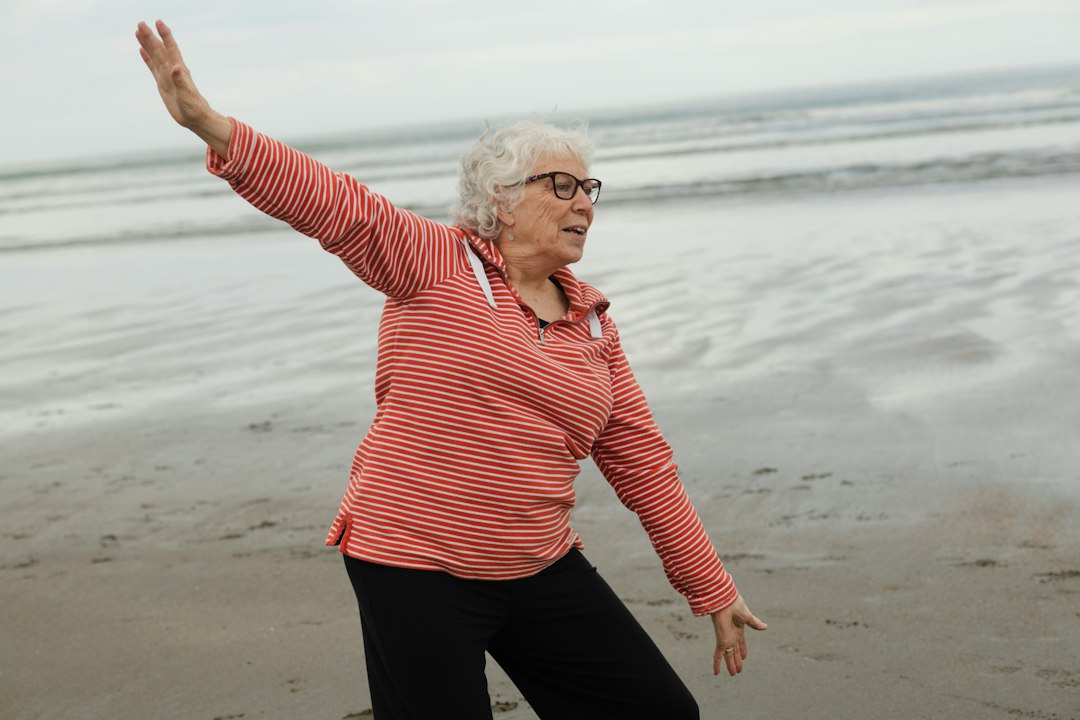
Small upgrades keep it honest. An extra-thick yoga mat gives you a defined, slightly cushioned home base — barefoot on a mat is the setup I recommend, because shoe soles mute half the feedback your feet are trying to send. When the flat floor gets easy, a firm foam balance pad under the standing foot turns every exercise you already know into a balance exercise. My most stubborn client, a 61-year-old golfer who swore he had no time to train, does his entire phone-scrolling habit standing on one of these. His ten-second test went from a shaky four seconds to a bored-looking twenty-two.
One rule from the heptathlon days that still governs everything: train barefoot or nearly so, and never progress two variables at once. New surface or new exercise — never both on the same day.
The Shelf-Worthy Gear
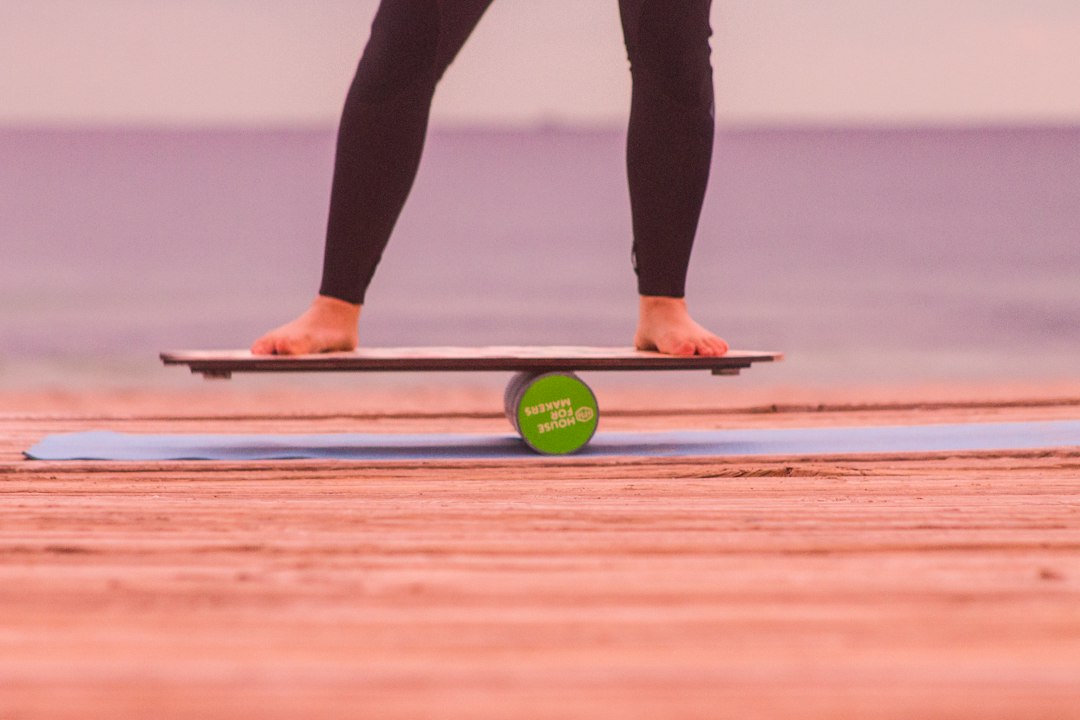
Balance gear is refreshingly cheap, and most of it earns its shelf space. A classic wobble balance board is the workhorse — ankle strength, knee stability, and hip control in one tilting circle, and it doubles as a standing-desk companion. An inflatable balance disc hides in a drawer and turns any kitchen chair into a wobble station for your hips. If you want the gym-grade option, a half-dome BOSU-style balance trainer covers squats, lunges, and push-ups with a stability tax, and it’s the piece my trainers reach for when an athlete needs humility.
Two quieter picks I genuinely love. A low floor beam — four inches wide, a few inches tall, folded up behind the couch — lets you practice real walking accuracy without any altitude risk, and it’s become my go-to gift for clients with older parents. And if you track everything else, the 2026 wave of smart balance boards with motion sensors and app feedback finally makes wobble measurable: session scores, tilt history, even little games that keep kids and grandparents competing against each other. Gadgets don’t fix balance, but scoreboards absolutely keep people practicing.
The Dynamic Upgrade
Standing still is the entrance, not the building. Real life tests balance while you’re moving — stepping off a curb, reaching for a suitcase, turning to answer your name on a trail. So once the static holds are solid, I move clients into dynamic drills, and this is where balance training stops feeling like physical therapy and starts feeling like athletics again.
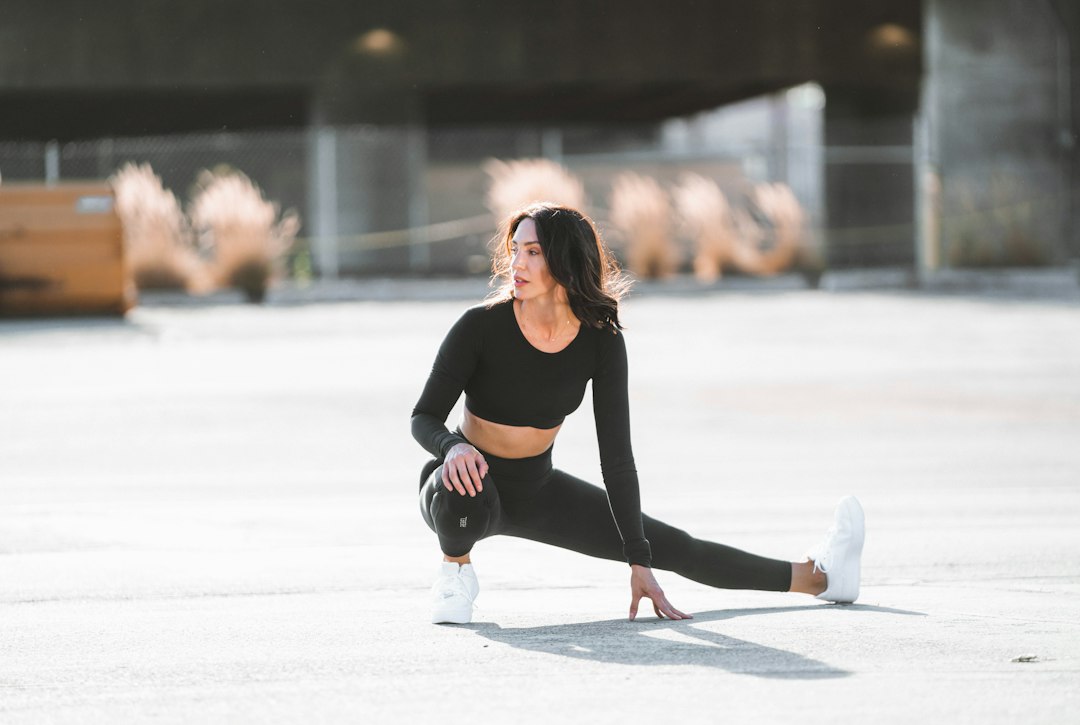
The starter trio: walking lunges with a pause at the bottom, side lunges with a reach across the body, and heel-to-toe walking down your hallway like it’s a police sobriety test — which, incidentally, is exactly the pattern the tandem walk drill was borrowed from. Add a set of looped resistance bands and you get standing anti-rotation presses and lateral walks that teach your hips to own every step. For clients who want spring in the training, an agility ladder in the driveway makes footwork fast, loud, and weirdly addictive. Lateral hops, in-and-outs, single-leg stick landings — that last one is the single most athletic balance builder I know, and it’s just hopping and freezing.
My favorite gut-check for stronger clients is the single-leg deadlift reach: hinge over one leg, tap the floor, stand tall without the hips swinging. Do it slowly with your eyes on a fixed point. If that sounds easy, close one eye. If that still sounds easy, we need to talk, because you may be more coordinated than my college hurdles squad.
Two Feet, Whole Family
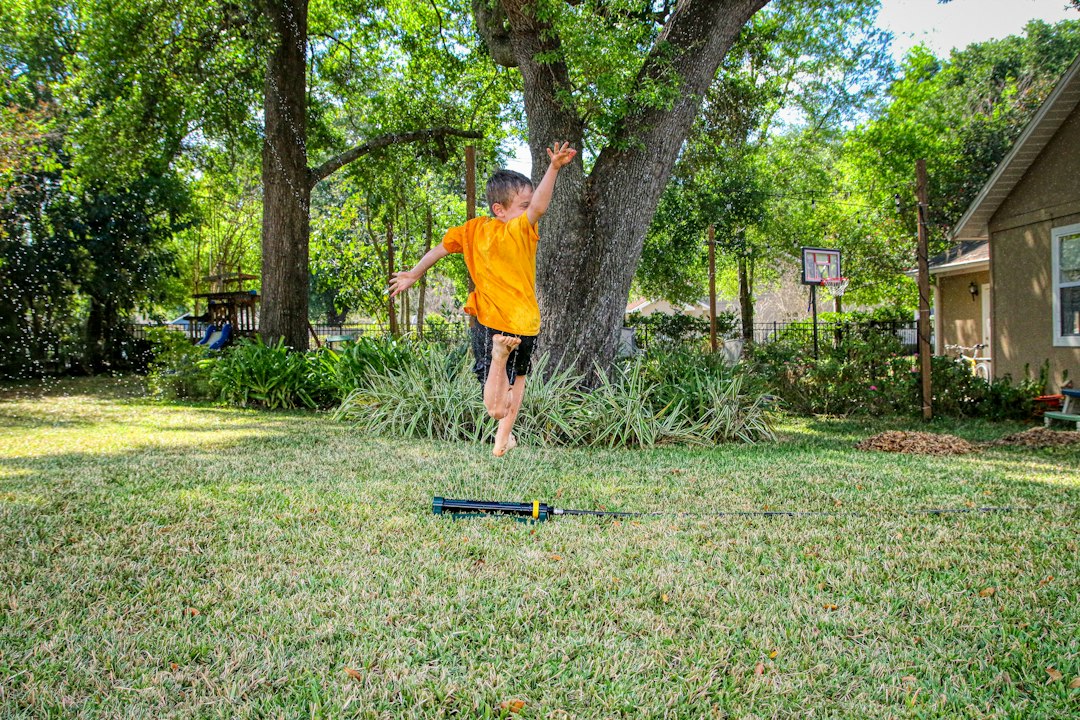
Here is the part nobody puts on a training plan: balance is the one physical skill your entire household can practice at the same table, so to speak. Kids build it through play — climbing, hopping, barefoot scrambling — and every pediatric researcher I’ve read says the best thing we can do is simply not schedule it out of them. My backyard confession is a slackline kit with a training line strung between two maples. It started as an experiment for my youth clinic and turned into the single most fought-over object at every family cookout. Two inches of flat webbing, ratcheted knee-high, and suddenly grandparents who “don’t exercise” are taking turns balancing with a niece spotting their elbow.
That intergenerational picture isn’t decoration; it’s the actual delivery system. Adults imitate other adults. If you want your parents training balance, the line that works isn’t a lecture about fall statistics — it’s a slackline, a floor beam, a “let’s see who can hold it longer.” Competition is compliance engineering, and I will happily exploit it for their benefit.
Walk Like the Trail Is Testing You
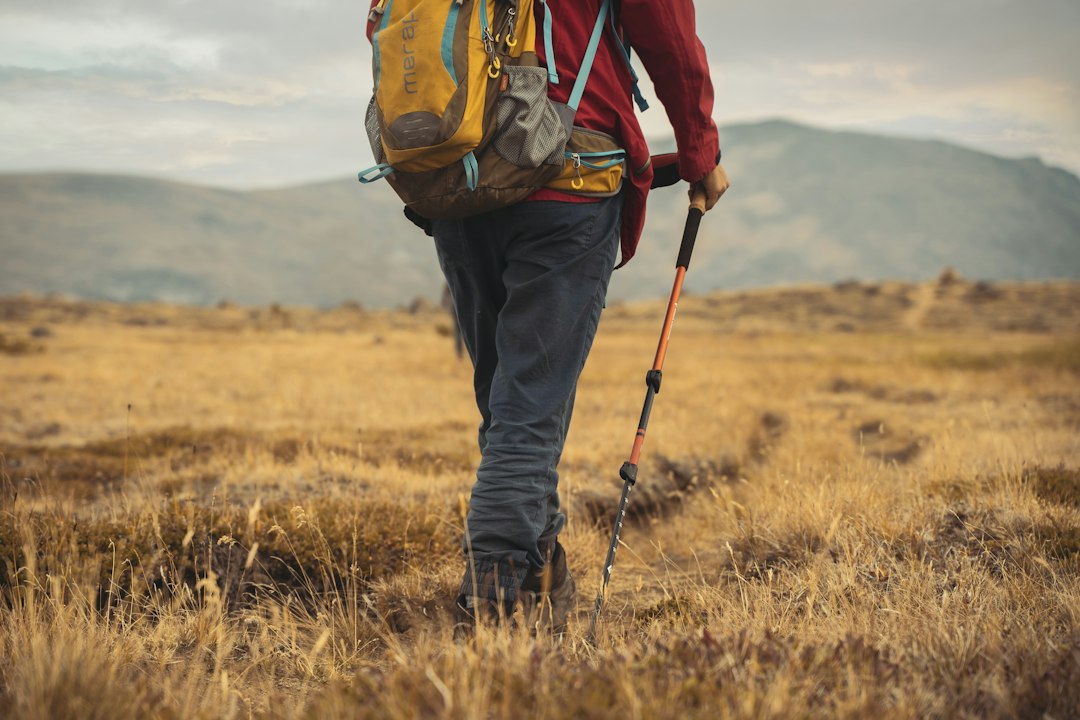
Walking remains the most underrated balance drill on earth, provided you make it ask something of you. Uneven trails, gravel, grass shoulders, hills — every irregular surface is a proprioception workout your feet have to solve in real time. I’ve written before about the ten-minute after-dinner walk that rewrote my own numbers, and the balance case for it is just as strong as the glucose case. For hikers and for my older clients, a pair of collapsible trekking poles deserves a mention: on rocky ground they buy confidence and unload the knees, and confidence is a legitimate training tool, because timid movement patterns degrade balance faster than terrain does.
The home version costs nothing: heel-to-toe walking down your hallway, backward walking in the yard with a quick glance over the shoulder every few steps, and step-ups on the bottom stair with a controlled single-leg lowering. Three minutes, and your ankles will file a complaint.
Keep It Honest
What gets measured gets maintained. My team schedules a re-test day on the first Monday of every month — same corner, same rules, ten seconds per side — and we log it right next to the other two numbers I refuse to let clients skip: the floor sit-and-rise score, and grip strength, which I treat as the companion longevity signal and have built an entire training plan around. Add this balance screen to those two, plus the bone-loading habit I keep nagging everyone about, and you have a genuinely complete quarterly self-audit that costs zero dollars and about five minutes.
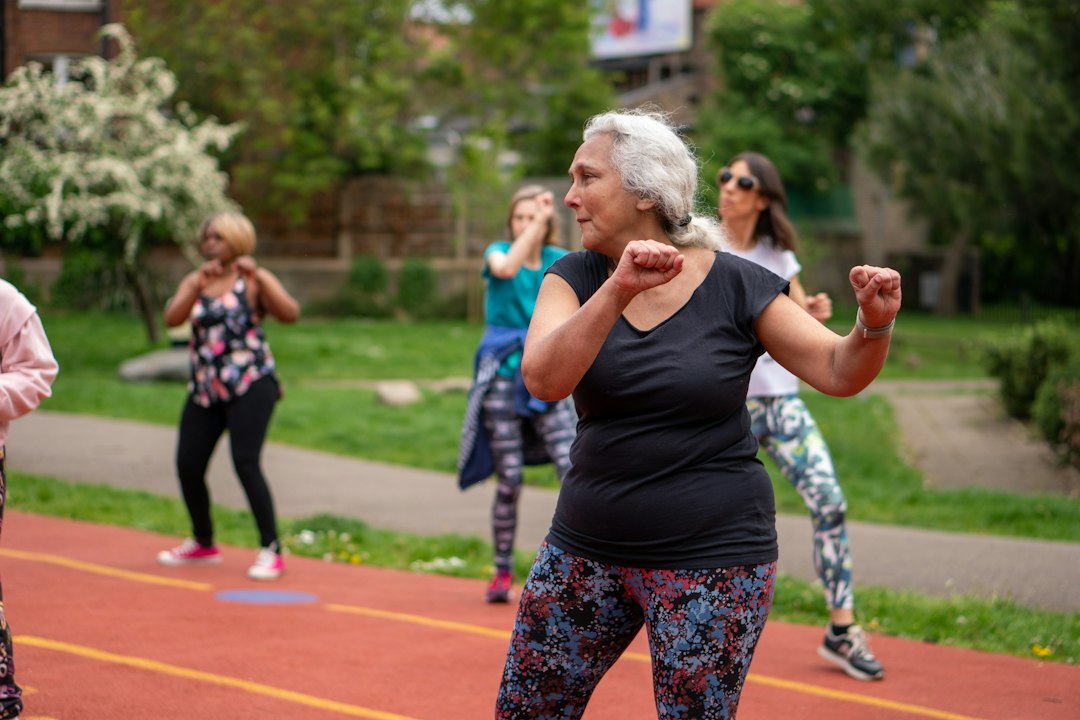
Community multiplies compliance, too. The group fitness classes at our local YMCA skew wonderfully mixed-age, and the older participants who train balance beside younger ones improve faster — partly coaching, partly not wanting to wobble in front of witnesses. Accountability is a performance-enhancing drug. Use it.
Twenty years of coaching has taught me that people don’t fall because they got old. They fall because balance was the one skill everyone assumed would take care of itself — and it quietly didn’t. Ten seconds, one leg, every morning while the coffee brews. Stack the counter holds, earn the pad, buy the beam, string the line, take the whole family down with you. Train the invisible skill now, and the version of you at eighty will still be the one steadying everyone else at the top of the stairs.